Gas Stove Sustainability? Expert Insights on Environmental Impact and Alternatives
The kitchen has become ground zero for sustainability discussions, and gas stoves sit squarely in the spotlight. While gas cooking has dominated American kitchens for decades, mounting environmental concerns and health research are prompting homeowners to reconsider their choices. A gas line for stove installation was once the mark of a modern kitchen, but today’s sustainability-conscious consumers are asking harder questions about emissions, efficiency, and long-term environmental impact.
This comprehensive guide explores the sustainability implications of gas stoves, examines the science behind their environmental footprint, and presents actionable alternatives for eco-conscious homeowners. Whether you’re renovating your kitchen or simply curious about your cooking appliance’s impact on the planet, understanding these nuances is essential for making informed decisions that align with your values and environmental goals.
The Environmental Impact of Gas Stoves
Natural gas, while cleaner than coal or oil, remains a fossil fuel with significant environmental consequences. When you use a gas line for stove cooking, you’re directly burning methane—a greenhouse gas approximately 25 times more potent than carbon dioxide over a 100-year period. This fact alone makes gas stoves a sustainability concern that extends beyond your kitchen walls.
The extraction and transportation of natural gas creates additional environmental burdens. Methane leakage occurs throughout the supply chain, from drilling operations to distribution networks. Studies suggest that between 1-5% of natural gas escapes as methane before it reaches your home, contributing to climate change before you even light a burner. This upstream emissions problem is often overlooked in casual sustainability discussions but represents a genuine environmental cost.
Beyond carbon emissions, gas stove use contributes to local air pollution and climate change acceleration. Each gas stove burning in millions of homes creates a cumulative effect that impacts atmospheric composition and global warming trajectories. For homeowners committed to reducing their carbon footprint, understanding these mechanisms is the first step toward meaningful change.
The EPA’s indoor air quality resources provide detailed information about combustion byproducts and their health implications. Research increasingly demonstrates that gas stove emissions contribute measurably to household pollution levels.
Emissions and Indoor Air Quality Concerns
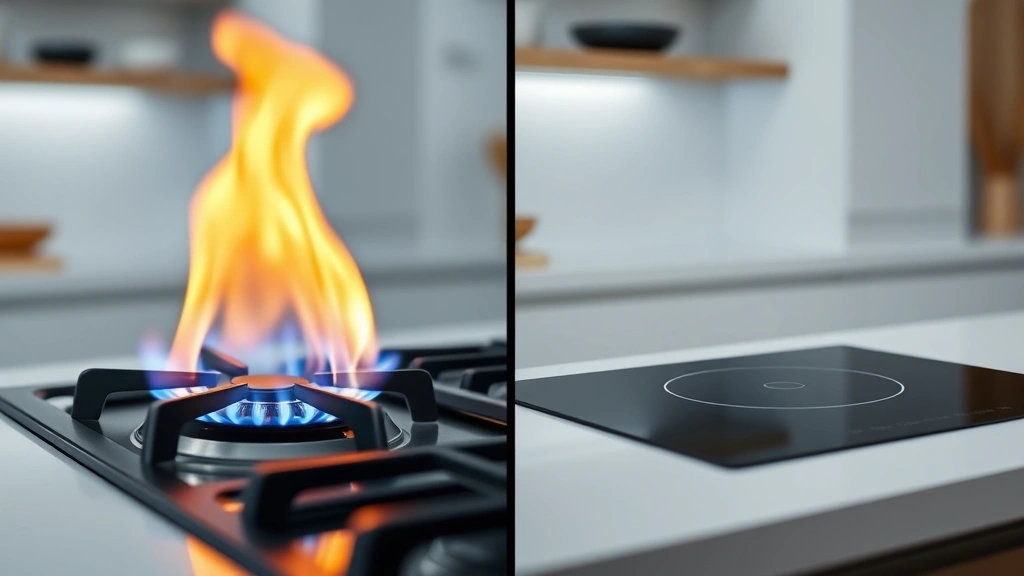
When natural gas burns in your stove, it produces several compounds that affect indoor air quality: nitrogen dioxide, carbon monoxide, and formaldehyde. These aren’t merely theoretical concerns—they represent real pollutants entering your breathing space during meal preparation.
Recent studies have raised alarms about these emissions. Research published in peer-reviewed journals indicates that gas stoves produce nitrogen dioxide concentrations that would violate outdoor air quality standards if they occurred outside. The enclosed kitchen environment amplifies these concerns, particularly in homes without adequate ventilation. Children and elderly individuals face heightened vulnerability to these indoor air pollutants.
Formaldehyde production during gas combustion deserves particular attention. This known carcinogen accumulates in poorly ventilated kitchens, creating long-term health risks alongside environmental concerns. The sustainability conversation around gas stoves therefore encompasses not just planetary health but personal and family health as well.
Proper ventilation can mitigate some risks, but many homes lack adequate exhaust systems. This infrastructure gap means millions of households unknowingly expose themselves to elevated indoor pollution from their cooking appliances. Transitioning to cleaner cooking methods addresses both environmental and health dimensions simultaneously.
The American Lung Association provides comprehensive information on indoor air pollutants and their health effects, including detailed guidance on gas stove emissions.
Energy Efficiency Comparison
A surprising sustainability advantage of gas stoves involves their immediate energy efficiency. Gas burners convert approximately 40% of energy into heat, compared to electric coil stoves at roughly 65-75% efficiency. Induction cooktops achieve even higher efficiency, converting 80-90% of electrical energy into cooking heat. However, this direct comparison masks a more complex sustainability picture.
When evaluating overall efficiency, you must account for electricity generation methods. If your regional power grid relies heavily on renewable energy sources, electric cooking becomes dramatically more sustainable. Conversely, in areas dependent on fossil fuel power plants, the efficiency advantage narrows. As grids continue transitioning toward renewable energy—an ongoing sustainable energy solution—electric cooking becomes increasingly attractive from a lifecycle perspective.
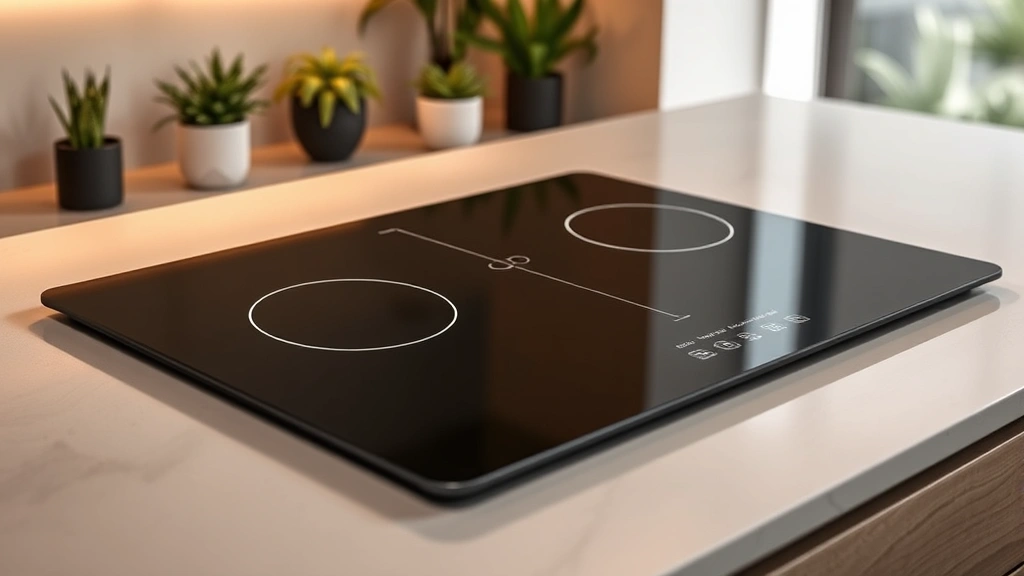
Induction cooktops represent the efficiency frontier, offering superior performance while eliminating gas combustion entirely. They heat cookware directly through electromagnetic induction, reducing energy waste and providing faster cooking times. The environmental case for induction becomes stronger as renewable energy adoption accelerates globally.
Long-term sustainability thinking requires considering trajectory and future grid composition rather than current generation methods alone. Choosing electric or induction cooking today positions your home favorably as energy infrastructure evolves toward cleaner sources.
Efficiency comparison summary:
- Gas stoves: 40% efficiency
- Electric coil: 65-75% efficiency
- Electric smooth-top: 70-80% efficiency
- Induction: 80-90% efficiency
Sustainable Alternatives to Gas Cooking
Several compelling alternatives exist for homeowners seeking to eliminate gas stove dependency. Each option presents distinct advantages and considerations depending on your specific circumstances, kitchen infrastructure, and sustainability priorities.
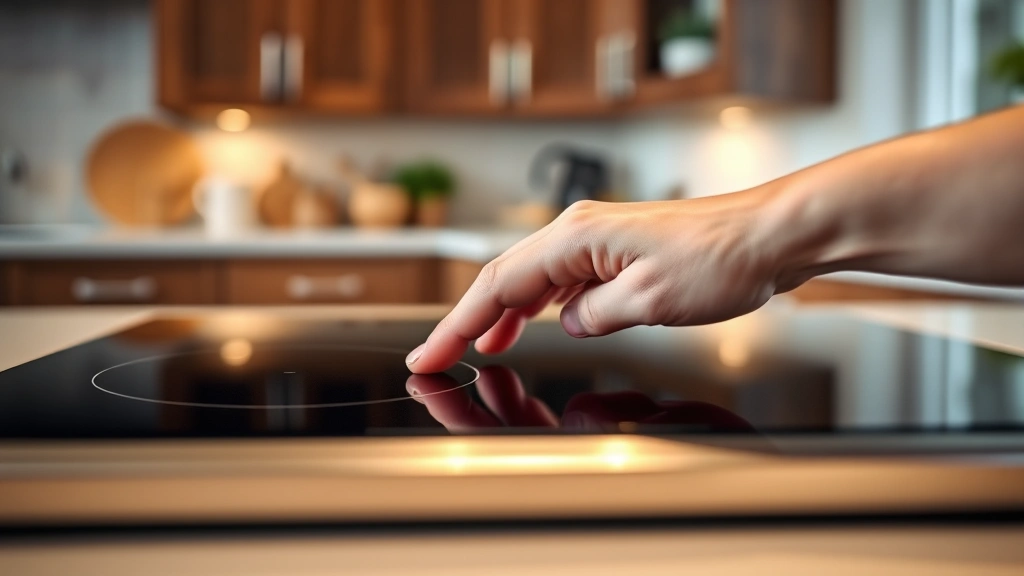
Induction Cooktops represent the gold standard for sustainable cooking technology. These appliances use electromagnetic fields to generate heat directly in compatible cookware, eliminating combustion entirely. The rapid heating capability reduces cooking time and energy consumption. Induction cooktops also offer superior safety features, including automatic shutoff when cookware is removed and cooler surface temperatures compared to traditional electric options.
The primary drawback involves cookware compatibility—only ferromagnetic materials like iron and steel work with induction technology. However, most households can transition successfully with modest cookware adjustments. The long-term efficiency gains and elimination of indoor air pollutants justify the initial investment.
Electric Smooth-Top Ranges provide a more affordable transition option while still eliminating gas combustion. Modern electric ranges offer improved aesthetics, easier cleaning, and acceptable efficiency levels. They work with any cookware type, making the transition seamless for existing kitchen equipment.
Hybrid Approaches allow homeowners to maintain a gas backup while transitioning primary cooking to electric or induction. Dual-fuel ranges combine electric ovens with gas cooktops, or vice versa, providing flexibility during the transition period. This approach proves particularly valuable for cooks with specific preferences or performance requirements.
Exploring green technology innovations reveals emerging cooking solutions that continue improving. Smart induction cooktops with integrated ventilation and energy monitoring represent the future of sustainable kitchen technology.
Comparison of alternatives:
- Induction cooktops: Highest efficiency, best performance, premium cost
- Electric smooth-top: Good efficiency, universal cookware compatibility, moderate cost
- Electric coil: Lower efficiency, budget-friendly, reliable performance
- Hybrid ranges: Flexibility, moderate cost, gradual transition capability
Transitioning to Electric Cooking
Moving away from a gas line for stove installation involves practical considerations beyond appliance selection. Electrical infrastructure, kitchen redesign, and installation logistics require careful planning to ensure a smooth transition that maximizes sustainability benefits.
Electrical Infrastructure Assessment constitutes the critical first step. Modern electric and induction cooktops require 240-volt dedicated circuits with substantial amperage capacity. Most homes require electrical panel upgrades to accommodate these demands safely. Professional electricians can assess your current infrastructure and recommend necessary modifications.
The good news: many homes built in recent decades already possess adequate electrical capacity. Upgrading existing systems typically costs less than installing new gas lines, particularly when amortized over the appliance’s 15-20 year lifespan. This infrastructure investment becomes even more valuable as you consider future kitchen updates and home electrification trends.
Kitchen Design Considerations affect the transition process. Removing existing gas lines requires professional decommissioning to ensure safety and prevent gas leaks. Some homeowners choose to cap gas lines rather than complete removal, maintaining future flexibility. Kitchen layouts may need adjustment if you’re relocating the cooking surface or eliminating a gas range’s footprint.
Ventilation systems require attention during transitions. Electric and induction cooktops still benefit from proper exhaust systems to remove cooking odors and steam. Modern ventilation solutions include downdraft systems, island hoods, and wall-mounted units that integrate seamlessly with contemporary kitchen designs.
Installation Timeline and Costs vary significantly based on existing infrastructure. Simple appliance replacements in homes with adequate electrical service might cost $2,000-4,000 including installation. Comprehensive electrical upgrades could reach $5,000-10,000 or more. However, these investments deliver returns through improved efficiency, reduced gas bills, and enhanced home value.
Many utility companies and government programs offer rebates and incentives for transitioning from gas to electric cooking. These financial assistance programs can offset significant portions of conversion costs. Research your local utility company and state energy office for available programs—they often cover 25-50% of equipment and installation expenses.
Cost Considerations and Long-Term Savings
The financial equation for gas stove sustainability improvements extends beyond initial purchase prices to encompass operational costs and long-term savings. Understanding this complete picture helps homeowners make decisions aligned with both environmental and economic objectives.
Operating Cost Comparison reveals that electric and induction cooking generally costs less than gas in most U.S. regions. Natural gas prices fluctuate based on global markets, while electricity rates remain more stable. The efficiency advantages of modern electric appliances mean lower energy consumption for identical cooking tasks. Over a 20-year period, switching to efficient electric cooking can save $500-1,500 annually depending on cooking frequency and local utility rates.
These savings accumulate substantially. A household cooking daily might save $10,000-30,000 over two decades through reduced energy consumption alone. When combined with rebate programs and tax incentives, the financial case for transitioning becomes compelling even before considering environmental benefits.
Home Value Implications add another financial dimension. Modern kitchens with contemporary cooking appliances command premium prices in real estate markets. Induction cooktops and electric ranges increasingly appeal to sustainability-conscious buyers, potentially increasing home resale value. Conversely, properties with aging gas stoves may face buyer resistance as environmental consciousness grows.
This trend appears poised to accelerate. Several states and municipalities have passed legislation restricting gas appliances in new construction, signaling market direction toward electrification. Early adopters of electric cooking position their homes favorably for future resale in an evolving market that increasingly values sustainability and health.
Hidden Costs of Gas Stove Ownership often go unrecognized. These include:
- Regular gas line maintenance and inspection fees
- Increased home insurance premiums in some regions
- Health costs associated with indoor air quality impacts
- Ventilation system installation and maintenance
- Potential future penalties or restrictions on gas appliances
When evaluating total cost of ownership, these factors deserve consideration alongside purchase and installation expenses. The complete financial picture often favors transitioning to electric alternatives, demonstrating that sustainability improvements frequently align with economic self-interest.
Professional energy audits can quantify your specific savings potential. Many utility companies provide these services free or at reduced cost, offering personalized analysis based on your home’s characteristics and local utility rates.
FAQ
Are gas stoves being banned?
Several U.S. cities and states have implemented or proposed restrictions on gas appliances in new construction, including New York, California, and various municipalities. These policies typically don’t mandate removal of existing gas stoves but restrict installation in new buildings. Federal bans on existing appliances remain unlikely in the near term, though state and local regulations continue evolving.
How much does converting from gas to electric cooking cost?
Conversion costs range from $2,000-10,000+ depending on your home’s electrical infrastructure. Simple appliance replacement with adequate existing service costs $2,000-4,000. Comprehensive electrical upgrades requiring panel modifications cost $5,000-10,000. Rebate programs often offset 25-50% of these expenses, significantly reducing net costs.
Do induction cooktops work with all cookware?
Induction cooktops require ferromagnetic cookware containing iron or steel. Aluminum, copper, and glass cookware won’t work directly, though adapter discs can enable use with incompatible pans. Most households already own sufficient compatible cookware, making transitions straightforward with minimal new purchases required.
What’s the environmental impact of electric cooking if my grid uses fossil fuels?
Even in regions relying on fossil fuel power plants, electric cooking produces lower overall emissions than gas stoves due to superior efficiency and cleaner combustion processes at power plants. As grids transition toward renewable energy—occurring rapidly across North America—the environmental advantage of electric cooking increases dramatically.
Can I keep my gas stove and just improve ventilation?
Better ventilation reduces indoor air pollution but doesn’t address upstream emissions from natural gas extraction and transportation. Improved ventilation also doesn’t eliminate combustion byproducts entirely. While ventilation improvements help, they represent partial solutions rather than comprehensive sustainability approaches.
What’s the lifespan of induction cooktops compared to gas stoves?
Modern induction cooktops typically last 15-20 years, comparable to gas stoves and electric ranges. Proper maintenance and care extend lifespan in all categories. Induction technology has proven reliable over decades of widespread use in Europe and other markets, with failure rates similar to traditional cooking appliances.
How does gas insert in fireplace sustainability compare to gas stove cooking?
Gas fireplace inserts share similar environmental concerns with gas stoves, producing greenhouse gas emissions and indoor air pollutants. Both represent areas where homeowners can improve sustainability. However, fireplace heating efficiency typically lags significantly behind modern heating systems, making them less relevant for primary heating needs in most climates.


