Eco-Friendly Car Wash at Gas Stations: Expert Insight on Sustainable Cleaning Solutions
The convenience of washing your car at a gas station is undeniable—fill up your tank, grab a coffee, and leave with a sparkling vehicle, all in one stop. However, the environmental impact of traditional gas station car washes often goes unexamined by consumers. As sustainability becomes increasingly important, understanding the ecological footprint of these ubiquitous services is essential for environmentally conscious drivers.
Modern gas stations with car wash facilities have evolved significantly over the past decade. Many operators now recognize that eco-friendly practices aren’t just good for the planet—they’re good for business. This comprehensive guide explores the environmental implications of gas station car washes, identifies sustainable alternatives, and provides actionable insights for drivers seeking to minimize their impact while maintaining vehicle cleanliness.

The Environmental Impact of Traditional Car Washes
When you drive into a typical gas station car wash, you’re participating in an industry that consumes vast quantities of water and energy daily. The average car wash uses between 40 and 100 gallons of water per vehicle—a staggering amount when multiplied across millions of vehicles washed annually. Traditional car wash facilities, particularly those at busy gas stations, often operate without sophisticated water recycling systems, meaning nearly all that water flows directly into municipal drainage systems or local waterways.
The cumulative effect is significant. In the United States alone, millions of cars are washed daily at gas stations and dedicated facilities. According to EPA guidelines on car wash best practices, the automotive cleaning industry generates substantial environmental challenges that extend beyond water usage. The surfactants, heavy metals, and petroleum residues found in typical car wash solutions create a complex environmental burden that demands attention from both operators and consumers.
Understanding these impacts is the first step toward making more sustainable choices. Whether you’re filling up at a convenience store with an attached car wash or seeking specialized facilities, your decisions collectively influence how the industry evolves toward greater sustainability.
Water Consumption and Pollution Concerns
Water scarcity affects billions of people globally, making excessive consumption a critical sustainability issue. A single car wash at a typical gas station can consume 100+ gallons of water—equivalent to what an average person drinks in several months. When multiplied across the thousands of car washes operating nationwide, the aggregate consumption becomes staggering.
Beyond volume, the quality of water pollution matters equally. Car wash runoff contains:
- Phosphates and nitrates that cause algal blooms in waterways
- Heavy metals including copper, zinc, and cadmium from vehicle surfaces
- Petroleum hydrocarbons that create toxic aquatic environments
- Suspended solids that reduce water clarity and light penetration
- Soaps and detergents that disrupt aquatic ecosystems
Municipal stormwater systems often cannot adequately filter these contaminants before they reach rivers, lakes, and groundwater sources. The U.S. Geological Survey identifies car wash operations as significant contributors to nonpoint source pollution, a major water quality challenge across North America.
Progressive gas station operators are installing permeable paving and sediment traps to mitigate runoff, but these solutions remain uncommon. When seeking a gas station for your car wash needs, inquire about their water treatment and drainage practices—your questions signal market demand for improvement.
Chemical Runoff and Ecosystem Damage
The soaps, waxes, and sealants used in conventional car washes pose significant ecological risks. Many traditional car wash products contain harsh chemicals that persist in aquatic environments, accumulating in fish tissues and disrupting reproductive systems. Phosphate-based detergents, while effective at removing dirt, trigger eutrophication—a process where excess nutrients cause explosive algae growth that depletes oxygen and creates dead zones in waterways.
Copper-based waxes and sealants, popular for their durability and shine, represent a particularly insidious problem. Copper accumulates in sediments and bioaccumulates up the food chain, reaching toxic levels in predatory fish and birds. Some jurisdictions have begun restricting copper-containing car wash products, recognizing the long-term ecosystem damage.
Environmental organizations like the Audubon Society emphasize the connection between consumer product choices and avian health, noting that water-polluting practices harm bird populations across multiple ecological niches. This interconnected damage underscores why choosing eco-friendly car wash solutions matters beyond abstract environmental metrics.
Energy Usage in Car Wash Operations
Beyond water and chemical concerns, car wash operations consume substantial electricity. High-pressure water pumps, heating systems for warm water, air dryers, and facility lighting create significant energy demands. A typical car wash facility operating 12+ hours daily can consume 3,000-6,000 kilowatt-hours monthly, depending on equipment efficiency and local climate.
This energy consumption contributes directly to carbon emissions unless sourced from renewable providers. Most gas stations remain connected to regional electrical grids powered primarily by fossil fuels, making each car wash a small but cumulative contributor to greenhouse gas emissions. The heating of water—often unnecessary for basic vehicle cleaning—represents a particularly wasteful energy use.
Sustainable car wash facilities are increasingly installing solar panels, using energy-efficient LED lighting, and installing advanced water heating systems that recover waste heat. Some progressive operators have achieved 40-60% energy reductions through systematic efficiency improvements. When evaluating sustainable energy solutions, car wash operations deserve consideration as a surprisingly impactful category.
Eco-Friendly Gas Station Car Wash Solutions
The good news: the car wash industry is evolving. Forward-thinking gas station operators and dedicated car wash facilities are implementing comprehensive sustainability measures that dramatically reduce environmental impact without compromising cleaning effectiveness.
Leading sustainable car wash operations incorporate multiple technologies and practices:
- Water recycling systems that capture, filter, and reuse 70-90% of wash water
- Closed-loop drainage that prevents runoff from reaching municipal systems
- Biodegradable detergents certified by environmental organizations
- Waterless wash options using specialized solvents for maintenance cleaning
- Renewable energy sources powering pumps and heating systems
These facilities typically achieve environmental certifications from organizations like the Global Carwash Council, which establishes science-based sustainability standards for the industry. Certification demonstrates genuine commitment rather than superficial greenwashing.
Water Recycling and Conservation Systems
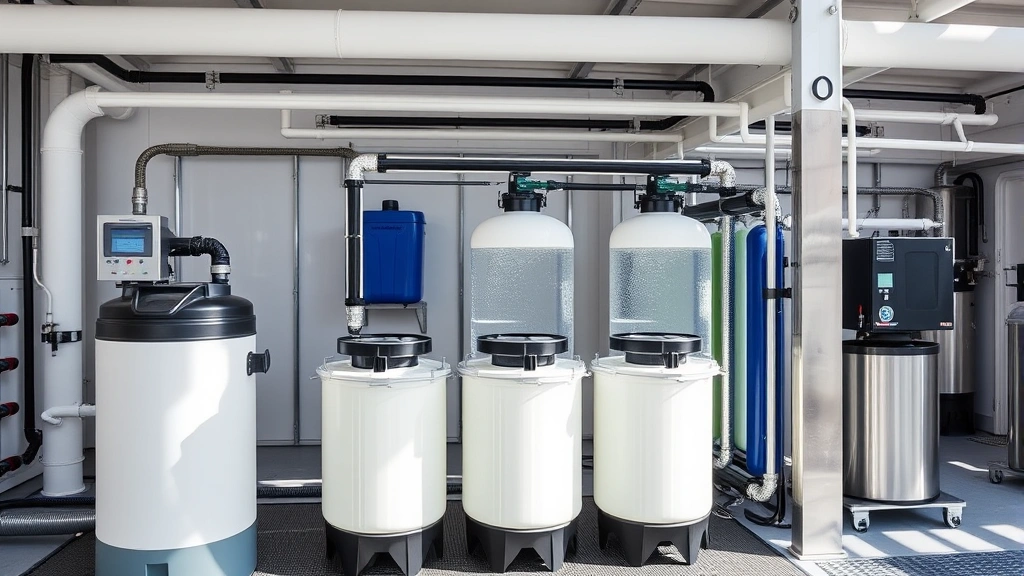
Advanced water recycling represents the most impactful sustainability innovation in car wash technology. Modern systems use multi-stage filtration to remove dirt, oils, and contaminants, then reuse the cleaned water for subsequent washes. The most sophisticated systems achieve 95%+ water reuse rates, reducing fresh water consumption from 100+ gallons per vehicle to 5-10 gallons.
The technology works through sequential filtration stages:
- Sediment filtration removes dirt particles through sand and gravel beds
- Oil separation captures petroleum residues using coalescent separators
- Activated carbon filtration removes dissolved contaminants and odors
- Polishing produces water clarity suitable for reuse
- Recirculation pumps deliver cleaned water back to wash systems
This innovation is particularly crucial in water-stressed regions where traditional car washes face regulatory restrictions or economic pressure from water costs. Facilities in California, Arizona, and other drought-prone states have pioneered these systems, proving their effectiveness and cost-viability.
When visiting a gas station for fuel and car wash services, ask whether they employ water recycling. If not, suggest they investigate installation—water recycling systems typically pay for themselves within 3-5 years through reduced water and sewer expenses.
Biodegradable and Green Cleaning Products
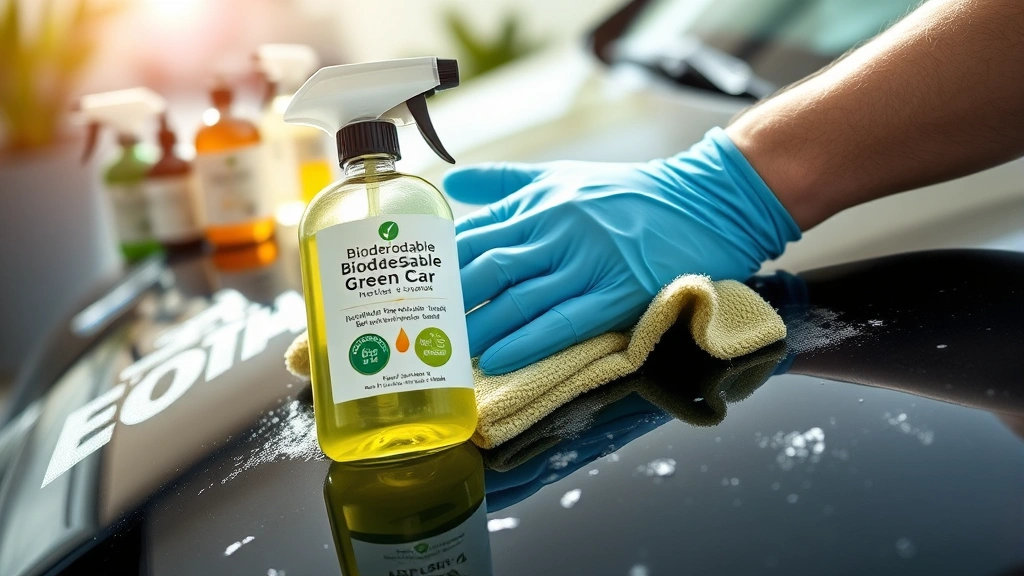
The chemistry of car wash products significantly influences environmental impact. Traditional surfactants and detergents persist in aquatic environments, accumulating over time. Biodegradable alternatives break down naturally within weeks or months, eliminating long-term contamination risks.
Effective eco-friendly car wash products typically feature:
- Plant-derived surfactants from coconut oil, corn, or other renewable sources
- pH-neutral formulations that don’t damage aquatic life
- Phosphate-free compositions preventing algal blooms
- Heavy metal-free waxes using ceramic or silicone polymers
- Biodegradation certification from recognized environmental bodies
Leading green brands have demonstrated that biodegradable products clean as effectively as conventional alternatives, eliminating the false choice between environmental responsibility and cleaning performance. Some facilities use waterless wash solutions containing specialized solvents that dissolve dirt without water—ideal for maintenance washes between major cleanings.
The cost differential between conventional and eco-friendly products has narrowed significantly, making the switch economically feasible for gas station operators. This transition represents a crucial leverage point for consumer pressure—requesting green products signals demand that influences business decisions.
Finding Sustainable Car Wash Options
Identifying genuinely eco-friendly car wash facilities requires investigation beyond marketing claims. Several resources help locate facilities with verified sustainable practices:
Certification verification: Check whether facilities hold certifications from independent third-party organizations that audit car wash operations. Legitimate certifications require documented water recycling, proper chemical disposal, and energy efficiency measures.
Direct inquiry: Contact your preferred gas station and ask specific questions: Do they recycle water? What brands of detergent do they use? Are products biodegradable? How do they manage drainage? Transparent operators proudly share this information; evasive responses indicate lower sustainability commitment.
Local resources: Environmental groups and municipal water departments often maintain lists of certified sustainable car washes. Some communities offer rebates or incentives for facilities that install water recycling systems.
Regional alternatives: In some areas, mobile car wash services using waterless solutions have emerged as sustainable alternatives to stationary facilities. These services visit your location, eliminating transportation-related emissions while using significantly less water.
As you evaluate how to reduce your environmental footprint, car wash frequency and method deserve consideration. Reducing wash frequency—perhaps from weekly to biweekly—substantially decreases cumulative environmental impact while maintaining vehicle appearance.
Reducing Your Vehicle’s Environmental Footprint
While choosing sustainable car wash facilities matters, broader vehicle sustainability deserves equal attention. The most impactful decision is vehicle selection itself. The advantages of electric vehicles extend far beyond eliminating tailpipe emissions—they eliminate the need for oil-based vehicle maintenance and reduce overall transportation environmental impact by 50-70% compared to conventional vehicles.
For drivers maintaining traditional vehicles, complementary sustainability practices include:
- Reducing wash frequency to biweekly or monthly rather than weekly
- Using waterless wash products for maintenance between major cleanings
- Improving fuel efficiency through proper tire pressure and regular maintenance
- Selecting vehicles with better fuel economy—see our guide to the best gas mileage SUV options
- Combining errands to reduce total driving distance
- Considering alternative transportation for short trips
Vehicle cleanliness, while aesthetically important, represents a relatively minor component of automotive environmental impact. Prioritizing fuel efficiency, reducing vehicle miles traveled, and eventually transitioning to electric propulsion deliver far greater sustainability benefits than even the most eco-conscious car washing practices.
That said, responsible consumers recognize that all decisions matter. Choosing sustainable car wash facilities demonstrates environmental values, influences industry practices through market demand, and often costs less than conventional alternatives over time.
FAQ
How much water does a typical gas station car wash use?
Traditional car washes consume 40-100 gallons per vehicle, with some older facilities using even more. Modern facilities with water recycling systems reduce this to 5-10 gallons per wash by reusing filtered water multiple times before disposal.
Are biodegradable car wash products as effective as conventional products?
Yes. Modern eco-friendly detergents clean effectively while breaking down naturally in the environment. Performance differences are negligible, and many users report superior results with green products due to improved formulation technology.
What certifications should I look for in sustainable car washes?
Seek facilities certified by the Global Carwash Council, International Carwash Association sustainability programs, or regional environmental organizations. These certifications require audited compliance with water recycling, chemical management, and energy efficiency standards.
Can I wash my car at home more sustainably than at a gas station?
Home washing can be sustainable if you use minimal water, biodegradable products, and direct water toward landscaping rather than storm drains. However, many homeowners use excessive water and improper disposal, making professional facilities with recycling systems preferable environmentally.
How often should I wash my car for optimal sustainability?
Biweekly or monthly washing balances vehicle maintenance with environmental responsibility. Frequent washing isn’t necessary for vehicle protection and wastes resources. In winter months, more frequent washing may be justified to remove corrosive salt, but summer months rarely require weekly washing.
What’s the environmental impact difference between gas station car washes and dedicated facilities?
Dedicated car wash facilities often employ more advanced sustainability technologies due to specialization and higher volumes justifying equipment investment. However, progressive gas stations increasingly match dedicated facilities’ environmental performance. Research individual locations rather than assuming category-wide differences.
Are waterless car washes truly effective?
Waterless products work well for maintenance washing—removing dust and light dirt between major cleanings. For heavily soiled vehicles or thorough cleaning, traditional water-based washing remains more effective, but choosing eco-friendly water-recycling facilities minimizes environmental impact.


