Free Air at Gas Stations: User Reviews & Tips for Finding the Best Options Near You
Maintaining proper tire pressure is one of the simplest yet most overlooked aspects of vehicle maintenance. Underinflated tires not only reduce fuel efficiency but also increase your carbon footprint, waste money on gas, and pose safety risks on the road. Fortunately, many gas stations across North America offer free air stations—a convenient resource that can save you money while helping you maintain optimal vehicle performance. Whether you’re looking for gas stations with car wash facilities or simply need to top off your tires, understanding where to find free air and how to use it properly can make a significant difference in your driving experience.
This comprehensive guide explores user reviews, practical tips, and sustainability benefits of utilizing free air stations at gas stations. We’ll help you locate the nearest free air options, understand what major fuel retailers offer, and learn how proper tire maintenance contributes to your vehicle’s efficiency and environmental impact. Whether you drive a traditional gasoline vehicle or are considering a transition toward advantages of electric vehicles, maintaining your current vehicle responsibly remains essential.
Why Free Air Matters for Vehicle Maintenance
Proper tire pressure directly impacts your vehicle’s fuel economy, safety, and longevity. According to the EPA’s guidelines on vehicle efficiency, underinflated tires can reduce fuel economy by up to 3 percent for every pound per square inch (PSI) below the recommended pressure. This seemingly small percentage translates to significant fuel waste over time—money you could save by simply ensuring your tires are properly inflated.
Free air stations at gas stations represent one of the most accessible resources for vehicle maintenance. Unlike paid air pumps at some convenience stores or tire shops, gas station air is typically complimentary, making it easier for drivers to maintain their vehicles without additional expense. Regular tire pressure checks—ideally monthly or before long trips—can prevent premature tire wear, improve handling, and reduce the risk of blowouts on highways.
Beyond the immediate financial savings, maintaining proper tire pressure contributes to your overall how to reduce your environmental footprint. When your tires operate at correct pressure, your vehicle requires less energy to move forward, reducing emissions and fuel consumption. This small maintenance habit aligns with broader sustainability goals and demonstrates how individual actions compound into meaningful environmental impact.
Major Gas Station Chains Offering Free Air
Most major gas station chains in the United States and Canada offer free air to customers, though policies can vary by location. Understanding which retailers provide this service helps you plan your visits efficiently.
Shell Gas Stations: Shell locations generally provide free air access to all customers. Many Shell stations have recently upgraded their air pump technology to digital displays that make pressure adjustments easier. Customer feedback indicates that Shell’s air stations are reliably maintained and widely available across urban and suburban areas.
Chevron and Texaco: Both Chevron and Texaco stations typically offer complimentary air service. These stations often feature modern air pump equipment, though availability may be limited in certain regions. Some Chevron locations bundle air service with their loyalty programs, offering additional incentives for frequent customers.
BP and Amoco: BP stations across North America consistently provide free air to customers. The company has made a commitment to maintaining functional air stations as part of their customer service offerings. Amoco locations, which operate under BP branding in many markets, follow the same policy.
ExxonMobil: Exxon and Mobil stations typically offer free air access. Some premium locations may feature additional amenities alongside air service, making these stations convenient stops for comprehensive vehicle maintenance needs.
Speedway and Murphy USA: These independent and convenience-focused chains generally provide free air. Speedway locations, particularly in the Midwest and East Coast, are known for reliable air station maintenance and customer accessibility.
Costco Gas Stations: Costco fuel locations offer free air to members. This benefit adds value to Costco memberships and reflects the company’s commitment to member benefits beyond fuel pricing.
When searching for gas stations that take apple pay, many of these chains also accept digital payment methods, streamlining the entire transaction process.
How to Find Free Air Stations Near You
Locating free air stations has become increasingly convenient with modern technology. Several methods can help you identify nearby options quickly.
Google Maps and Apple Maps: Search “free air near me” or “tire air pump” in Google Maps or Apple Maps. Filter results by gas station type and read user reviews to identify well-maintained stations. Many locations display photos and customer feedback about air pump conditions.
Gas Station Apps: Download apps from major chains like Shell, Chevron, or ExxonMobil. These applications provide real-time locations, current fuel prices, and amenity information including air pump availability. Push notifications can alert you when you’re near participating stations.
GasBuddy: The popular GasBuddy app includes station locators with amenity filters. Users can review stations and report on air pump functionality, helping you identify reliable options.
AAA Resources: AAA members can access comprehensive station directories that include air availability information. The AAA website provides filterable listings based on location and available amenities.
Direct Station Websites: Visit major chain websites directly. Shell, Chevron, BP, and ExxonMobil all offer station locators on their homepages with detailed amenity information.
Ask Local Communities: Check local Facebook groups or community forums. Residents often share real-time information about station maintenance and air pump functionality in their areas.
User Reviews and Real-World Experiences
Understanding actual customer experiences provides valuable insight into air station reliability and quality. Based on aggregated user feedback across multiple platforms, several patterns emerge.
Positive Experiences: Most users report that major chain gas stations maintain functional air pumps in good condition. Customers appreciate the ease of digital displays that clearly show current tire pressure and allow precise adjustments. Many reviewers note that visiting during off-peak hours (early morning or late evening) provides quieter, more convenient experiences. Users consistently praise free air availability as a significant money-saver and convenience factor when choosing where to fuel.
One frequent positive comment involves newly upgraded air stations at Shell and Chevron locations. Customers report that modern pumps with digital interfaces and automatic shutoff features work more reliably and require less troubleshooting than older mechanical models.
Common Complaints: Despite generally positive feedback, some users report occasional issues. Broken or malfunctioning air pumps appear most frequently in customer complaints, particularly at older or less-maintained stations. Some reviewers note that certain locations restrict air access to paying customers only, contradicting the general free-air policy. Weather-related damage to outdoor air stations occasionally renders them temporarily unusable.
A notable complaint involves air pump location accessibility. Some customers find that pumps positioned in inconvenient locations—far from the station entrance or in cramped areas—make the experience frustrating. Users with larger vehicles particularly mention difficulty maneuvering to reach some air stations.
Regional Variations: Reviews indicate that air pump maintenance quality varies significantly by region. Urban stations typically maintain better-functioning equipment due to higher traffic volumes and more frequent maintenance checks. Rural locations sometimes feature older equipment with less reliable functionality. Franchise-operated stations show more variable maintenance standards compared to corporate-directly operated locations.
Seasonal patterns also emerge in reviews. Winter months bring increased reports of frozen pump components or moisture-related malfunctions. Summer heat can occasionally cause pressure gauge inaccuracies in older equipment. Spring and fall generally represent optimal seasons for air station functionality.
Tips for Using Gas Station Air Pumps Effectively
Maximizing your air station experience requires understanding proper technique and equipment operation. These practical tips ensure you achieve accurate tire pressure adjustments safely.
Know Your Target Pressure: Before visiting an air station, determine your vehicle’s recommended tire pressure. This information appears on a sticker inside your driver’s side door jamb or in your owner’s manual. Most vehicles require pressures between 30-35 PSI, but specifications vary. Never exceed the maximum pressure listed on the tire sidewall itself—that number represents the tire’s maximum capacity, not the recommended operating pressure.
Check Tires When Cold: Tire pressure increases as tires heat up during driving. For the most accurate reading, check pressure when your vehicle has been parked for at least three hours or before driving more than a mile. This timing ensures temperature-stabilized measurements that reflect your actual driving conditions.
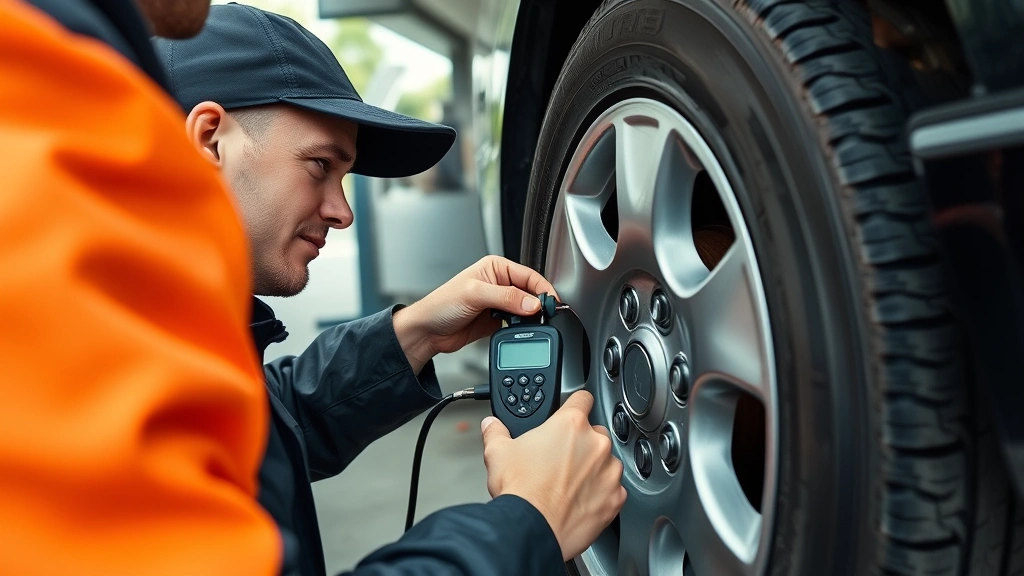
Gather Supplies: Bring a portable tire pressure gauge for verification. While gas station pumps typically include integrated gauges, having your own backup prevents confusion and ensures accuracy. Some drivers prefer digital gauges over analog models for easier reading.
Inspect All Four Tires: Don’t assume all tires have identical pressure. Check all four tires—including the spare if your vehicle allows air access to it. Uneven pressure distribution causes uneven wear and handling problems.
Add Air Incrementally: Add small amounts of air, then check pressure frequently. It’s easier to add air than remove it. Most pumps allow pressure release through a valve, but adding controlled amounts prevents overshooting your target pressure.
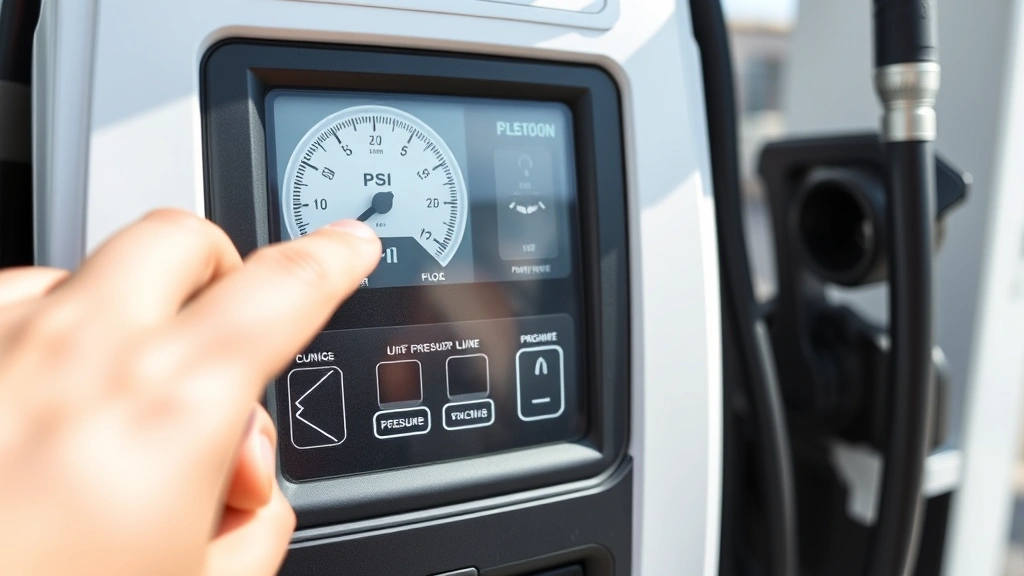
Understand Pump Operation: Modern digital pumps typically feature simple interfaces. Select your desired pressure using buttons or a touchscreen, then press the pump nozzle firmly onto the valve stem. Most pumps automatically shut off when target pressure is reached, but monitor the process to ensure proper functioning.
Verify Results: After adjusting each tire, use your portable gauge to verify the pump’s reading. Occasionally, station gauges show inaccuracies, particularly in older equipment. Cross-checking ensures your tires are truly at the correct pressure.
Perform Regular Checks: Establish a monthly tire pressure check routine, or check before long trips. This habit prevents pressure creep—the gradual loss of tire pressure over time—and maintains consistent fuel economy and safety.
Environmental Benefits of Proper Tire Maintenance
Proper tire pressure represents one of the most impactful yet underutilized environmental actions available to drivers. The cumulative effect of millions of drivers maintaining correct tire pressure generates substantial emissions reductions.
According to FuelEconomy.gov’s maintenance guidelines, properly inflated tires can improve fuel economy by up to 3 percent. Applied across the United States’ approximately 280 million registered vehicles, this efficiency gain prevents millions of gallons of gasoline consumption annually. Each gallon of gasoline burned releases approximately 20 pounds of carbon dioxide into the atmosphere—making tire pressure maintenance a powerful climate action tool.
Beyond emissions, proper tire maintenance extends tire lifespan, reducing the frequency of tire replacements and associated manufacturing waste. Tire production involves significant resource consumption and energy input. By maintaining tires properly, you reduce the number of tires entering landfills and decrease the environmental impact of tire manufacturing.
Proper tire pressure also improves vehicle handling and reduces braking distances, enhancing safety. This safety improvement prevents accidents that could damage ecosystems through spills or environmental contamination. The connection between individual vehicle maintenance and broader environmental protection demonstrates how personal responsibility and sustainability intersect.
As you consider your overall environmental impact, maintaining your current vehicle efficiently represents an important interim step. If you’re exploring long-term sustainability in transportation, researching advantages of electric vehicles and sustainable energy solutions can help you understand future transportation options.
Troubleshooting Common Air Pump Issues
Despite regular maintenance, air station pumps occasionally malfunction. Recognizing common problems and knowing how to respond ensures you can address tire pressure needs effectively.
Pump Won’t Turn On: If the pump doesn’t activate when you insert payment or press buttons, check that the station’s electrical system is functioning. Look for nearby pumps to determine if the issue is isolated to one unit. Try a different pump at the same station or visit an alternative location. Some older pumps require physical coin insertion rather than digital payment—check signage for payment requirements.
Gauge Shows Inconsistent Readings: Mechanical and older digital gauges occasionally display inaccurate pressure readings. If you notice significant variations between the pump gauge and your portable gauge, use your personal gauge as the reference standard. Report the discrepancy to station attendants so they can schedule maintenance.
Nozzle Doesn’t Fit Your Valve Stem: Rare compatibility issues can occur with specialty vehicles or aftermarket wheels. Most gas station pumps feature universal connectors, but occasional mismatches happen. Carry a universal adapter in your vehicle for emergencies, or visit a tire shop that can provide proper fitting equipment.
Air Leaks During Inflation: If air hisses from the connection point between pump nozzle and valve stem, the connection isn’t sealed properly. Remove the nozzle and reposition it, ensuring a firm seal. If leaking persists, the valve stem itself may need replacement—a service available at tire shops.
Pump Releases Air Instead of Adding It: Some pumps feature a pressure release valve for deflation. Ensure you’re using the inflation setting, not the release setting. Check the pump interface for clearly marked options.
Frozen or Stuck Components: Winter weather can cause moisture in pump mechanisms to freeze. If a pump is non-responsive in cold weather, try gently working the nozzle or buttons without forcing them. Visit another location rather than risk damaging equipment.
Digital Display Malfunction: If the pump’s display is unreadable or unresponsive, try a different pump. Modern digital pumps occasionally experience electronic glitches that resolve after a brief reset or maintenance intervention by station staff.
FAQ
Is air really free at all gas stations?
Most major gas station chains offer free air, but policies vary by location and franchise operator. Corporate-owned stations consistently provide free air, while some franchise locations may restrict access to paying customers or charge a small fee. Always ask station attendants if you’re unsure about a specific location’s policy.
How often should I check my tire pressure?
Check tire pressure monthly and before long trips. Temperature changes affect pressure—cold weather can lower pressure by 1 PSI for every 10-degree Fahrenheit decrease. Regular checks maintain optimal fuel economy and safety.
Can I use any air pump for my tires?
Most standard air pumps work with any vehicle featuring standard valve stems. Specialty vehicles or aftermarket wheels occasionally require adapters. Portable compressors and tire shop equipment offer more precise control than gas station pumps for detailed work.
What’s the difference between PSI and bar pressure measurements?
PSI (pounds per square inch) and bar represent different pressure units. One bar equals approximately 14.5 PSI. Most North American vehicles use PSI, while some international vehicles use bar. Your vehicle’s recommended pressure sticker specifies which unit to use.
Will overinflated tires improve fuel economy further?
Never overinflate tires beyond manufacturer recommendations. Overinflated tires wear unevenly, reduce traction, increase braking distance, and can fail suddenly. Stick to the recommended pressure on your door jamb sticker for optimal safety and efficiency.
How do I find reliable air stations in my area?
Use Google Maps, station-specific apps, or GasBuddy to locate nearby options. Read user reviews about pump functionality and maintenance. Ask local community groups for recommendations about well-maintained stations in your area.
What should I do if the air pump is broken?
Try alternative pumps at the same station or visit a different location. Report non-functional pumps to station management so they can schedule repairs. Download station locator apps to identify backup options in your area.
Can proper tire pressure really save money?
Yes. Maintaining correct pressure improves fuel economy by up to 3 percent. For drivers averaging 15,000 miles annually at 25 miles per gallon, this translates to approximately 18 fewer gallons consumed yearly—saving roughly $60-90 depending on fuel prices. Over a vehicle’s lifetime, this represents thousands of dollars in fuel savings.
Are tire pressure monitoring systems (TPMS) accurate?
Most TPMS systems provide reliable alerts when pressure drops significantly below recommended levels. However, they typically don’t provide precise pressure readings. Use manual checks with a quality gauge for accurate pressure verification, even if your vehicle has TPMS.
How does tire maintenance connect to vehicle sustainability?
Proper tire maintenance reduces fuel consumption and emissions, extends tire lifespan, and prevents accidents. These benefits collectively reduce your vehicle’s environmental impact. As part of broader sustainability efforts, maintaining your current vehicle efficiently complements consideration of sustainable energy solutions and future transportation choices.
For more comprehensive information about sustainable transportation and vehicle choices, explore the SustainWise Hub Blog for detailed guides on reducing your transportation footprint and making environmentally conscious decisions.


