Gas Stove Burner Covers: Eco-Friendly Options for Sustainable Kitchens
Gas stoves remain a staple in many kitchens, valued for their precise heat control and immediate temperature adjustment. However, they also represent a significant source of household energy consumption and indoor air quality concerns. Gas stove burner covers offer a practical solution to improve efficiency, safety, and environmental responsibility in your cooking space. These innovative accessories help reduce heat loss, prevent accidental ignition, and support your journey toward a more sustainable home.
The environmental impact of gas cooking extends beyond simple energy usage. Combustion byproducts, including nitrogen dioxide and carbon monoxide, can accumulate in poorly ventilated kitchens, affecting both human health and indoor air quality. By choosing eco-friendly burner covers and implementing complementary strategies, you can significantly reduce your kitchen’s environmental footprint while maintaining the cooking performance you love. This comprehensive guide explores the most sustainable options available today.
Understanding Gas Stove Burner Covers
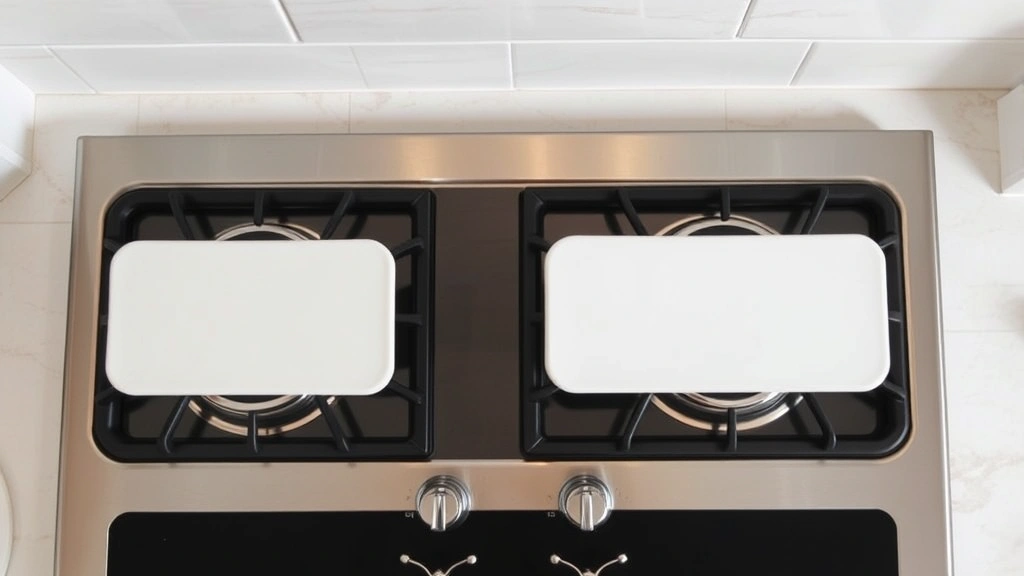
Gas stove burner covers serve multiple critical functions in modern kitchens. These protective accessories sit directly over burner grates and prevent spills from entering combustion chambers, which can cause dangerous flare-ups and reduce appliance efficiency. Beyond safety, they act as heat distributors, promoting more even cooking while reducing the energy required to achieve desired temperatures.
The primary environmental concern with uncovered gas burners relates to wasted heat and incomplete combustion. When spills and debris contaminate burners, they disrupt the flame pattern, forcing your stove to work harder and consume more gas. This inefficiency translates directly into increased greenhouse gas emissions and higher utility bills. Modern eco-friendly burner covers address these issues while introducing sustainable materials into your kitchen ecosystem.
Quality burner covers also extend your stove’s lifespan by protecting internal components from damage. This durability aspect carries significant environmental weight—when appliances last longer, fewer units end up in landfills, and the manufacturing resources required for replacements diminish substantially. reducing your environmental footprint starts with thoughtful product choices that prioritize longevity.
Eco-Friendly Materials and Options
The market for sustainable burner covers has expanded dramatically, offering consumers numerous environmentally responsible choices. Understanding the material compositions helps you make informed decisions aligned with your sustainability values.
Recycled Stainless Steel Covers represent the premium eco-friendly option. Manufactured from post-consumer recycled stainless steel, these covers eliminate the need for virgin material extraction while maintaining exceptional durability and heat resistance. Stainless steel’s inherent corrosion resistance means these covers resist rust and degradation, ensuring decades of reliable performance. Their recyclability at end-of-life further closes the sustainability loop.
Ceramic-Coated Alternatives offer another sustainable pathway. These covers feature natural ceramic coatings over recycled metal bases, providing superior heat distribution while reducing toxic chemical exposure in your cooking environment. Ceramic materials are inert, non-reactive, and won’t leach harmful substances into your food or kitchen air. Many manufacturers now source ceramic from sustainably managed deposits.
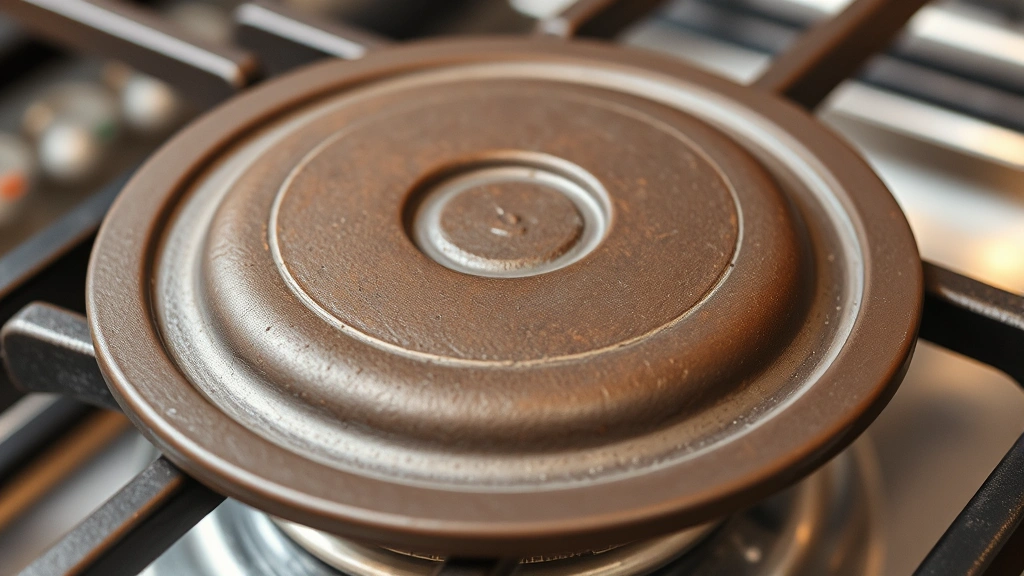
Cast Iron Covers with Natural Finishes appeal to sustainability-conscious cooks seeking traditional aesthetics with modern environmental credentials. Produced from recycled iron and finished with food-safe, non-toxic oils, these covers develop character over time while supporting circular economy principles. Cast iron’s thermal properties actually improve with age and use, making it an heirloom-quality choice.
Avoid covers containing non-stick coatings derived from perfluorooctanoic acid (PFOA) and similar compounds. These substances persist in the environment indefinitely and accumulate in living organisms. The EPA provides comprehensive information about PFAS chemicals, helping consumers understand why avoiding them matters for both personal and planetary health.
Bamboo-Reinforced Hybrid Covers combine rapidly renewable bamboo with recycled metal bases, creating lightweight yet durable solutions. Bamboo grows without pesticides or fertilizers in many cases, regenerates quickly, and sequesters significant carbon during its growth cycle. These covers suit cooks prioritizing plant-based materials while maintaining functionality.
Environmental Benefits of Burner Covers
Implementing gas stove burner covers generates measurable environmental advantages across multiple dimensions of your household sustainability profile.
Energy Efficiency Improvements form the primary environmental benefit. Studies indicate that properly maintained burners with protective covers reduce gas consumption by 5-15% compared to uncovered alternatives. This efficiency gain stems from improved heat distribution, reduced combustion interruptions, and more effective thermal transfer to cookware. Over a year, this translates to measurable reductions in natural gas consumption and associated carbon dioxide emissions.
The carbon impact of this efficiency gain deserves emphasis. Natural gas combustion produces approximately 5.3 pounds of carbon dioxide per therm consumed. A household reducing annual gas consumption by even 50 therms through burner optimization eliminates roughly 265 pounds of CO2 emissions annually—equivalent to removing a car from roads for approximately 600 miles. Scaling this across thousands of households creates substantial collective climate benefits.
Indoor Air Quality Enhancement represents another critical environmental and health advantage. By preventing debris from contaminating burners and disrupting combustion, covers minimize the production of nitrogen oxides and other harmful byproducts. sustainable energy solutions must consider both direct environmental impacts and human health outcomes, and improved indoor air quality satisfies both criteria.
Better combustion efficiency also means fewer unburned hydrocarbons escape into your kitchen atmosphere. This reduction protects your respiratory health while decreasing volatile organic compound emissions that contribute to ground-level ozone formation when they escape to the outdoor environment.
Appliance Longevity and Waste Reduction extend environmental benefits across product lifecycles. By protecting burner components from corrosion, spill damage, and thermal stress, covers can extend your stove’s operational life by 3-5 years. This extended lifespan prevents premature appliance disposal and reduces the manufacturing impacts associated with producing replacement units. Kitchen appliances account for substantial material and energy inputs during manufacturing—extending their useful life represents genuine environmental stewardship.
Water Conservation Benefits often go unrecognized. Efficient burners require less water for cooking certain foods, as heat distribution improves and cooking times decrease. Additionally, cleaner burners require less frequent deep cleaning with water-intensive methods, contributing modestly but meaningfully to household water conservation goals.
Installation and Maintenance Best Practices
Maximizing environmental benefits requires proper installation and ongoing maintenance of your burner covers.
Installation Guidelines vary by cover type, but general principles remain consistent. Ensure your stove has completely cooled before installing covers. Position covers to align perfectly with burner grates, allowing flames to distribute evenly across the surface. Covers should sit firmly but not require force—proper fit prevents shifting during cooking.
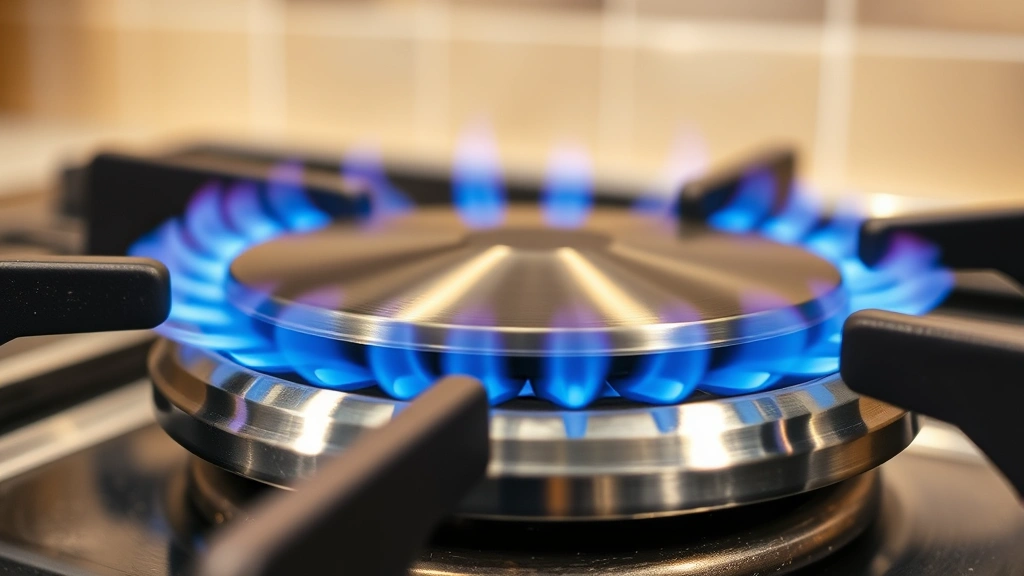
For safety verification, light each burner and observe flame patterns. Flames should burn blue and steady across the entire cover surface. Yellow or orange flames indicate incomplete combustion, suggesting improper cover positioning or burner maintenance needs. Make adjustments until flame characteristics optimize.
Regular Cleaning Schedules preserve cover effectiveness and safety. Weekly cleaning with warm soapy water removes cooking residue and prevents buildup that compromises heat distribution. For stubborn deposits, gentle scrubbing with soft brushes works without damaging surface finishes. Avoid abrasive scrubbers or harsh chemicals that degrade protective coatings.
Monthly deep cleaning involves removing covers entirely and inspecting burner ports for debris. Use compressed air to clear any obstructions gently. This maintenance step ensures optimal combustion efficiency and prevents safety hazards. green technology innovations in kitchen appliances increasingly incorporate smart sensors that monitor combustion efficiency—consider upgrading to these systems for real-time performance feedback.
Seasonal Inspections identify wear patterns and potential replacement needs. Check for heat discoloration indicating uneven heating, corrosion spots suggesting moisture accumulation, or warping that affects fit. Addressing these issues promptly prevents efficiency losses and safety concerns.
Comparing Sustainable Alternatives
While burner covers provide immediate benefits, understanding complementary strategies helps optimize your kitchen’s environmental performance.
Induction Cooktop Conversion represents the ultimate environmental upgrade for gas stove users. Induction technology transfers energy directly to cookware through magnetic fields, achieving 80-90% efficiency compared to gas’s 40-55% efficiency. This dramatic improvement reduces energy consumption by half while eliminating combustion-related indoor air quality concerns. However, conversion requires significant investment and infrastructure changes.
For those committed to transitioning away from gas cooking, advantages of electric vehicles parallel those of electric cooking—both represent electrification strategies that leverage increasingly renewable electrical grids. As renewable energy generation expands, the environmental benefits of electric cooking multiply over time.
Improved Ventilation Systems complement burner covers by removing combustion byproducts before they accumulate in living spaces. Modern range hoods with variable fan speeds and efficient motors provide effective ventilation while minimizing energy waste. Ensure your hood vents outdoors rather than recirculating air, as this genuinely removes pollutants rather than filtering and redistributing them.
Cookware Optimization works synergistically with burner covers to enhance efficiency. Heavy-bottomed pots and pans with flat bases maximize contact with heat sources, reducing energy requirements for cooking. Stainless steel cookware with aluminum or copper cores distributes heat evenly, further improving efficiency. Covering pots and pans during cooking reduces heat loss and accelerates cooking times.
Hybrid Approaches allow gradual transitions. Some households install burner covers immediately while researching induction cooktops for future replacement. Others combine covers with improved ventilation and cookware upgrades, creating comprehensive efficiency improvements without complete appliance replacement.
Cost-Effectiveness and Long-Term Savings
Environmental responsibility and financial prudence align perfectly when evaluating burner cover investments.
Initial Investment Range spans from $30-$200 per cover set depending on materials and quality. Recycled stainless steel covers typically cost $80-$150, while ceramic-coated alternatives range $50-$120. Cast iron options fall into the $60-$140 range. This modest upfront investment generates returns through energy savings within 6-18 months for most households.
Annual Savings Calculations demonstrate compelling financial returns. A household reducing gas consumption by 10% through efficient burner covers saves approximately 130-200 therms annually, depending on usage patterns. At average natural gas prices of $12-15 per therm, this translates to $1,560-$3,000 in annual savings. Over a cover’s 10-15 year lifespan, cumulative savings reach $15,600-$45,000.
These calculations exclude secondary savings from reduced appliance repair costs, extended stove lifespan, and decreased water heating requirements. Many households experience total savings exceeding initial cost projections by 30-50%.
Rebate and Incentive Programs often reduce initial investment costs. Many utility companies offer rebates for energy efficiency improvements, including burner cover installation. State and local environmental programs frequently subsidize sustainable kitchen upgrades. Check with ENERGY STAR and your local utility provider for available incentives.
Tax Deduction Opportunities may apply for qualifying energy efficiency improvements. Consult tax professionals about whether your burner cover investment qualifies for federal or state energy efficiency tax credits, potentially reducing your tax liability while advancing sustainability goals.
FAQ
Are gas stove burner covers safe for cooking?
Yes, when properly installed and maintained, burner covers enhance safety by preventing spills from entering combustion chambers and reducing flare-up risks. Ensure covers fit snugly and allow proper flame distribution before each cooking session.
Can burner covers damage my stove?
Quality covers manufactured from appropriate materials cause no damage when used correctly. Avoid covers with non-stick coatings that degrade under high heat. Regularly inspect covers for warping or deterioration indicating replacement needs.
How often should I replace burner covers?
Well-maintained covers last 5-10 years depending on material quality and usage intensity. Replace covers showing significant warping, corrosion, or heat discoloration that affects performance. Higher-quality recycled stainless steel covers typically outlast budget alternatives.
Do burner covers work with all gas stove models?
Most universal burner covers fit standard grate configurations, but some specialty or vintage stoves may require custom solutions. Measure your burner dimensions and consult manufacturer specifications before purchasing to ensure compatibility.
What’s the environmental impact of manufacturing burner covers?
Covers manufactured from recycled materials carry minimal environmental manufacturing impacts. Choose products from manufacturers using renewable energy and zero-waste production processes. The EPA’s Green Business Bureau certifies manufacturers meeting stringent environmental standards.
Can burner covers reduce cooking time?
Yes, improved heat distribution from quality covers can reduce cooking times by 5-15%, translating to additional energy savings beyond efficiency gains from reduced gas consumption.
Are there non-metal burner cover alternatives?
While most durable covers use metal bases, bamboo-reinforced hybrid options exist. However, pure non-metal covers struggle with heat distribution and longevity. Hybrid designs combining sustainable materials with functional metal components offer the best balance.


