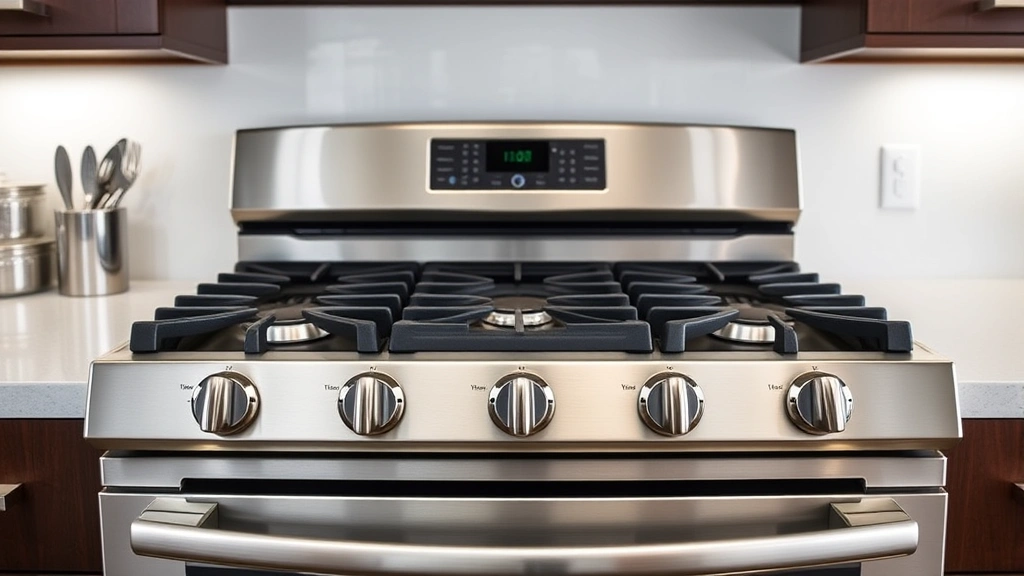
Gas Stove Efficiency: Whirlpool’s Eco-Advantage?
When it comes to kitchen appliances, few decisions impact both your daily life and environmental footprint quite like choosing a gas stove. Whirlpool, one of the world’s leading appliance manufacturers, has made significant strides in developing gas stoves that balance cooking performance with energy efficiency. But does Whirlpool’s gas stove technology truly offer an eco-advantage, or is this simply marketing speak? Understanding the intersection of gas stove efficiency and sustainability requires examining the science, the technology, and the broader context of home energy consumption.
Gas stoves have long been favored by professional chefs and cooking enthusiasts for their precise temperature control and immediate heat response. However, the environmental implications of natural gas consumption—including methane emissions, combustion byproducts, and energy waste—have prompted manufacturers to innovate. Whirlpool’s approach to gas stove design incorporates several efficiency features that deserve closer examination. This comprehensive guide explores whether Whirlpool’s gas stoves represent a meaningful step toward sustainable home cooking or if they’re simply incremental improvements in an inherently less efficient technology.
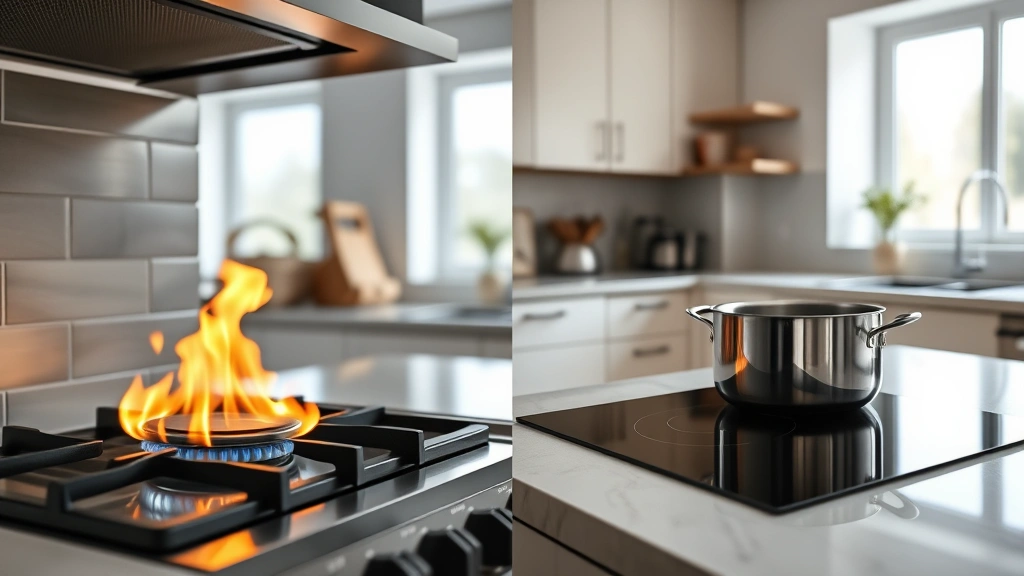
Understanding Gas Stove Efficiency Metrics
Gas stove efficiency is measured differently than electric appliances, which can make direct comparisons challenging. The primary metric used in the industry is thermal efficiency, which represents the percentage of energy from burning natural gas that actually transfers to cookware versus escaping as heat into the kitchen environment. Most conventional gas stoves operate at approximately 70-75% thermal efficiency, meaning roughly one-quarter of the energy used is wasted.
Whirlpool’s gas stoves typically achieve efficiency ratings in the 75-78% range, a modest improvement over industry standards. This improvement comes from several design elements: improved burner design that directs flame more precisely toward cookware, better insulation in the oven cavity, and enhanced grate configurations that reduce heat loss. However, these incremental gains, while meaningful, don’t fundamentally change the efficiency profile of gas cooking compared to other technologies.
To understand these numbers in practical terms, consider that a standard gas burner uses approximately 10,000-12,000 BTU (British Thermal Units) per hour. With 75% efficiency, roughly 7,500-9,000 BTU actually heats your food, while 2,500-3,000 BTU dissipates into your kitchen. Whirlpool’s improved burners might reduce that waste by 200-300 BTU, a real but relatively small improvement. Exploring sustainable energy solutions reveals that efficiency alone isn’t the only consideration when evaluating appliance choices.
It’s also important to understand that gas stove efficiency is measured differently from the definition of sustainability itself. Efficiency measures how well a device converts fuel to heat, while sustainability encompasses the entire lifecycle impact, including extraction, processing, distribution, and combustion of natural gas.

Whirlpool’s Gas Stove Technology and Features
Whirlpool has invested substantially in gas stove innovation over recent years. Their current product lines feature several technologies worth understanding:
- Precision Burners: Whirlpool’s burner design uses multiple rings of flame ports to distribute heat more evenly across the bottom of cookware, reducing cold spots and improving cooking consistency. This design also minimizes the amount of gas needed to achieve desired cooking temperatures.
- Sealed Burner Design: Many Whirlpool models feature sealed burners that prevent spills from reaching the underlying components, which reduces maintenance needs and extends appliance lifespan—an important sustainability consideration.
- Improved Oven Insulation: Enhanced insulation in the oven cavity reduces heat loss during preheating and cooking, meaning the appliance needs less energy to maintain cooking temperatures.
- Electronic Ignition: Whirlpool gas stoves use electronic ignition rather than pilot lights, eliminating the continuous gas burn that traditional models require. This feature alone can save approximately 15-20% of oven energy consumption.
- Convection Cooking Options: Many Whirlpool models include convection ovens that circulate hot air more efficiently, allowing for lower temperature cooking and faster cooking times.
These features collectively represent genuine improvements in gas stove technology. The electronic ignition feature is particularly significant from an environmental perspective, as pilot lights represent pure energy waste with no cooking benefit. Whirlpool’s commitment to green technology innovations transforming our future is evident in these design choices, though whether they constitute a true “eco-advantage” requires broader context.
Environmental Impact of Natural Gas Cooking
To properly evaluate Whirlpool’s gas stoves, we must examine the full environmental picture of natural gas use. This extends far beyond the efficiency of the appliance itself.
Methane Emissions and Climate Impact: Natural gas is primarily methane (CH4), a greenhouse gas approximately 80-86 times more potent than carbon dioxide over a 20-year period, according to research from the EPA’s greenhouse gas overview. While methane breaks down in the atmosphere more quickly than CO2, its short-term climate impact is substantial. Leakage throughout the natural gas supply chain—from extraction and processing to distribution—means that not all the gas you pay for actually reaches your stove.
Indoor Air Quality Concerns: Gas stoves produce nitrogen dioxide (NO2) and other combustion byproducts. Studies indicate that cooking with gas can elevate indoor NO2 levels to concentrations comparable with outdoor air pollution in many cities. This has prompted health organizations to recommend adequate ventilation when using gas stoves, adding to household energy consumption when exhaust fans operate.
Lifecycle Emissions: The environmental impact of a Whirlpool gas stove extends beyond its operating years. Manufacturing the appliance, transporting it to retailers, and eventually recycling its components all consume energy and produce emissions. While Whirlpool has made progress in sustainable manufacturing practices, gas stoves still represent a significant embodied carbon footprint.
Understanding how to reduce your environmental footprint means considering these broader impacts rather than focusing solely on appliance efficiency ratings.
Comparing Gas to Electric and Induction Alternatives
To determine whether a Whirlpool gas stove offers a genuine eco-advantage, we must compare it to other cooking technologies. This comparison is surprisingly nuanced.
Electric Resistance Stoves: Traditional electric coil or smooth-top stoves operate at approximately 70-75% efficiency—essentially equivalent to gas stoves. However, when accounting for the electrical grid’s generation efficiency, the overall system efficiency depends on your region’s energy sources. In areas with renewable energy sources, electric stoves become more efficient. In regions relying on fossil fuel power plants, the total efficiency advantage diminishes.
Induction Cooking: Induction stoves represent a significant efficiency leap, operating at 85-90% efficiency. They transfer electromagnetic energy directly to compatible cookware, minimizing waste heat. However, induction requires compatible cookware and represents a larger upfront investment. The sustainable energy solutions available for cooking extend beyond stove choice to include overall kitchen design and energy management.
Grid Carbon Intensity: The environmental advantage of electric cooking depends heavily on your local electrical grid’s carbon intensity. If you live in a region with abundant renewable energy (solar, wind, hydroelectric), electric or induction cooking offers substantial environmental benefits over gas. Conversely, in regions relying primarily on fossil fuel power plants, the advantage narrows considerably. Checking your utility provider’s energy mix can help you make an informed decision.
Practical Considerations: For many home cooks, gas stoves offer superior temperature control and cooking responsiveness that electric alternatives struggle to match. This cooking performance advantage can justify choosing gas for those who value culinary precision. However, this preference must be weighed against environmental and health considerations.
Real-World Efficiency Performance
Laboratory efficiency ratings tell only part of the story. Real-world usage patterns significantly impact actual energy consumption and environmental impact.
Cooking Habits Matter: How you use your stove dramatically affects its environmental footprint. Using lids on pots and pans can reduce cooking time by up to 70%, minimizing energy waste regardless of stove type. Matching pot size to burner size prevents energy loss around pot edges. Using flat-bottomed cookware ensures maximum contact with the heat source. These usage behaviors can offset some of the efficiency differences between appliance types.
Oven Preheating Waste: Many home cooks preheat ovens longer than necessary, wasting substantial energy. Whirlpool’s improved oven insulation helps mitigate this, but user behavior remains paramount. Modern ovens preheat adequately in 10-15 minutes; additional preheating time provides minimal cooking benefit while consuming energy unnecessarily.
Ventilation Energy Cost: As mentioned earlier, gas stove combustion byproducts necessitate ventilation. Running exhaust fans during and after gas cooking adds to overall kitchen energy consumption. This hidden cost often goes unaccounted for in efficiency calculations but represents real environmental impact. Electric and induction stoves don’t require the same level of ventilation, offsetting some of their higher appliance costs.
Maintenance and Longevity: Whirlpool’s sealed burner design and quality construction contribute to longer appliance lifespan, which improves the sustainability profile by extending the time before replacement becomes necessary. Manufacturing new appliances is energy-intensive, so keeping appliances functional longer reduces the frequency of replacement-related environmental impact.
Cost-Benefit Analysis for Homeowners
Evaluating whether a Whirlpool gas stove makes sense requires examining both environmental and economic factors.
Purchase Price: Whirlpool gas stoves range from approximately $600 for basic models to $2,000+ for high-end units with multiple features. Comparable electric or induction stoves fall within similar price ranges, though premium induction models can exceed $3,000. The purchase price advantage favors gas stoves minimally, if at all.
Operating Costs: Natural gas typically costs less per unit of energy than electricity in many regions, making gas stoves cheaper to operate. However, this advantage has narrowed in recent years as electricity rates vary widely by region. In some areas with abundant renewable energy, electricity costs have become competitive with or cheaper than natural gas.
Health and Ventilation Costs: Properly venting a gas stove requires either a range hood vented to the exterior or a high-quality recirculating hood with filtration. These systems add $500-$2,000 to kitchen costs and consume electricity during use. Electric and induction stoves don’t require this additional investment, effectively reducing their true cost of ownership.
Resale Value: Gas stoves traditionally commanded a premium in home resale value, particularly in upscale markets where professional cooking capability is valued. However, this preference is shifting as environmental consciousness grows and younger homebuyers increasingly prefer electric or induction cooking. The resale value advantage of gas stoves may diminish over time.
Long-Term Financial Outlook: As natural gas prices potentially increase due to climate concerns and renewable energy expansion, the operating cost advantage of gas stoves may erode. Conversely, as induction technology becomes more mainstream and manufacturing scales up, induction stove prices may decrease. These market trends suggest that the financial case for gas stoves may weaken over the coming decade.
Making the Sustainable Choice
So, does Whirlpool’s gas stove offer a genuine eco-advantage? The answer is nuanced and context-dependent.
When Gas Makes Sense: If you’re a serious home cook who values precise temperature control, live in a region with abundant natural gas resources and correspondingly low prices, and can afford proper ventilation systems, a Whirlpool gas stove represents a reasonable choice. The incremental efficiency improvements Whirlpool offers are genuine, even if modest. For those with existing gas infrastructure (pipes already in place), switching to electric or induction would require expensive retrofitting, potentially offsetting any environmental gains.
When Alternatives Make Sense: If you live in a region with clean electricity (high renewable energy penetration), prioritize indoor air quality, or are building a new home without existing gas infrastructure, induction cooking offers superior environmental and health benefits. While induction requires cookware compatibility, the efficiency gains and eliminated combustion byproducts provide meaningful advantages that outweigh the modest efficiency improvements of premium gas stoves.
The Bigger Picture: Choosing between gas and electric stoves, while important, represents only one element of sustainable home living. The SustainWise Hub Blog regularly explores how individual appliance choices fit into broader sustainability strategies. Your overall kitchen energy consumption—driven by refrigeration, dishwashing, and other appliances—likely exceeds cooking energy use. Similarly, advantages of electric vehicles demonstrate how transportation electrification increasingly influences the carbon footprint of modern households.
Practical Recommendations: If you’re replacing an existing gas stove and have access to natural gas, upgrading to a Whirlpool model with modern efficiency features (electronic ignition, improved insulation, precision burners) represents a meaningful environmental improvement over older appliances. If you’re building new or considering a major kitchen renovation, carefully evaluate your local grid’s energy sources and explore induction cooking as a potentially superior option. Regardless of your choice, prioritize cooking practices that minimize energy waste: using lids, matching pot sizes to burners, avoiding unnecessary preheating, and maintaining your appliance properly.
FAQ
Are Whirlpool gas stoves more efficient than other brands?
Whirlpool’s gas stoves are competitive with other premium brands in terms of efficiency, achieving 75-78% thermal efficiency ratings. However, differences between manufacturers are relatively small—typically 1-3 percentage points. The choice between brands should consider factors beyond pure efficiency, including cooking performance, reliability, warranty, and available features.
How much money can I save with a more efficient gas stove?
Upgrading from an older gas stove (60-65% efficiency) to a modern Whirlpool model (75-78% efficiency) might reduce cooking energy consumption by 15-20%. For average households, this translates to approximately $10-20 monthly savings on gas bills, depending on cooking frequency and regional gas prices. The payback period for a $1,000+ premium appliance would be 5-10 years or longer, making the financial case modest.
Should I switch from gas to electric if I have a gas stove?
Switching from gas to electric requires significant investment if gas lines are already installed, including kitchen renovation costs that may reach $2,000-$5,000. Unless your current gas stove requires replacement anyway, retrofitting to electric or induction is usually not economically justified purely from an efficiency standpoint. However, if you’re replacing your stove regardless, induction cooking may offer superior long-term value, particularly in regions with clean electricity.
What’s the environmental impact of natural gas extraction and distribution?
Natural gas extraction, processing, and distribution involve methane leakage throughout the supply chain. Studies suggest that 1-2% of natural gas leaks during these processes, though some estimates run higher. Additionally, natural gas extraction requires significant water use and can impact local ecosystems. These upstream environmental costs aren’t reflected in efficiency ratings but represent real environmental impacts of choosing gas cooking.
Do gas stoves pose health risks?
Gas stoves produce nitrogen dioxide and other combustion byproducts that can accumulate indoors without proper ventilation. Research indicates that gas cooking can elevate indoor air pollution to levels exceeding outdoor air quality standards in many cities. Adequate ventilation (range hood vented to exterior) mitigates these risks. Induction and electric stoves don’t produce combustion byproducts, eliminating this health concern.
Is induction cooking really more efficient than gas?
Yes, induction cooking operates at 85-90% efficiency compared to 75-78% for premium gas stoves. This means more energy transfers directly to cookware with less waste heat. However, induction requires compatible cookware and may require electrical panel upgrades if your home lacks sufficient capacity. The efficiency advantage is real but must be weighed against these practical considerations.
What cooking practices reduce energy consumption most effectively?
Using lids on pots and pans provides the single greatest energy savings, reducing cooking time by up to 70%. Matching pot size to burner size prevents energy loss around pot edges. Avoiding unnecessary oven preheating and using residual oven heat for finishing dishes also significantly reduces energy consumption. These behavioral changes are more impactful than appliance choice for many households.


