
How Long Does Gas Last? Mechanic Insights on Fuel Storage and Shelf Life
Gasoline is a finite resource that doesn’t last forever, whether it’s sitting in your vehicle’s tank or stored in a container. Understanding how long gas remains usable is crucial for vehicle maintenance, emergency preparedness, and fuel efficiency. Most mechanics agree that gasoline typically maintains its quality for three to six months under ideal storage conditions, though this timeline can vary significantly based on storage methods, environmental factors, and fuel composition.
The degradation of gasoline is an inevitable chemical process driven by oxidation and evaporation. When fuel sits idle, it begins to break down, losing its combustibility and potentially damaging your engine’s fuel system. Whether you’re preparing for seasonal vehicle storage, managing a backup fuel supply, or simply curious about your car’s fuel tank contents, knowing the science behind gasoline longevity helps you make informed decisions about fuel management and vehicle care.
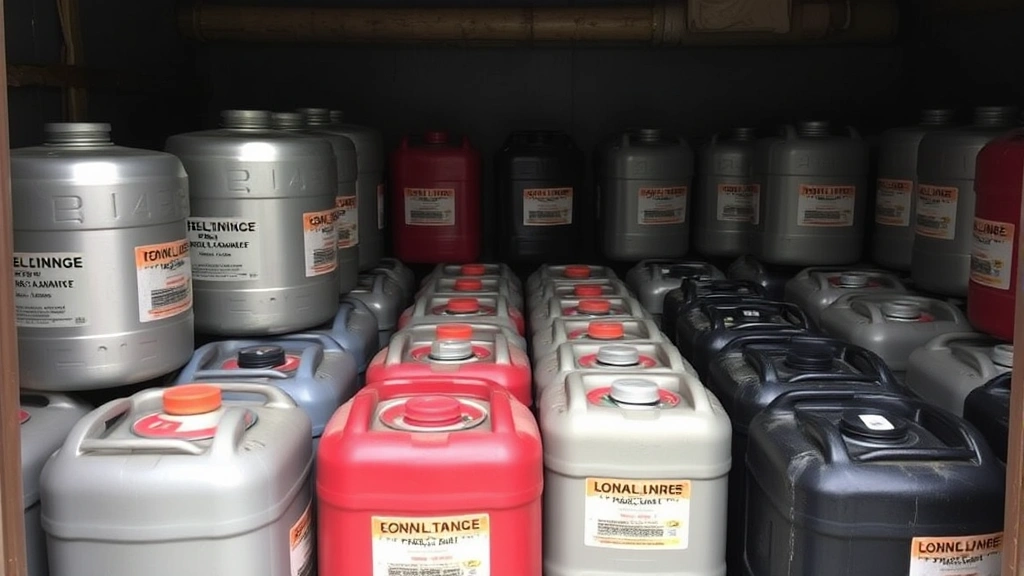
Understanding Gasoline Degradation
Gasoline is a complex mixture of hydrocarbons designed to provide energy through combustion. However, these hydrocarbons are inherently unstable compounds that naturally degrade over time. The primary culprits behind fuel degradation are oxidation and evaporation—two chemical processes that occur regardless of storage conditions, though they accelerate in unfavorable environments.
Oxidation happens when gasoline molecules react with oxygen in the air, creating gums and varnishes that accumulate in your fuel system. This process is similar to rust formation on metal, except it occurs within the fuel itself. Evaporation, meanwhile, causes the lighter, more volatile components of gasoline to escape into the atmosphere, leaving behind heavier residues that don’t burn as efficiently. According to the EPA’s guidelines on volatile organic compounds, these evaporative emissions contribute to air quality concerns, making proper fuel storage environmentally responsible as well.
Modern gasoline contains detergents and additives that help minimize these degradation processes, but they cannot prevent them entirely. The molecular bonds in fuel gradually weaken, reducing the fuel’s ability to ignite properly and produce consistent engine performance. This is why fuel that has been stored for extended periods often causes rough idling, hesitation during acceleration, and reduced fuel economy.
Storage Duration and Shelf Life
The consensus among mechanics and fuel experts is that gasoline maintains acceptable quality for approximately three to six months when stored in standard conditions. This timeframe represents the point at which most fuel begins to show noticeable signs of degradation that could affect engine performance. However, this is not a hard cutoff—fuel doesn’t suddenly become unusable on day 181. Instead, it gradually loses potency and efficiency.
In sealed containers with minimal air exposure and cool temperatures, gasoline can remain relatively stable for up to one year, though quality will still decline. Conversely, in open containers or warm environments, fuel can start showing signs of degradation within weeks. The variation in shelf life depends heavily on storage conditions, which is why mechanics emphasize proper fuel management techniques.
For vehicles that sit unused during winter or extended periods, keeping fuel fresh becomes a practical concern. Many car owners use fuel stabilizers to extend the usable life of stored gasoline, effectively preserving fuel for eight to twelve months or longer. This practice is particularly common in regions with harsh winters where vehicles may be stored for several months at a time.
When considering sustainable energy solutions and reducing fuel waste, understanding gasoline longevity helps minimize unnecessary fuel disposal and the environmental impact of wasted resources. Proper fuel management is an often-overlooked aspect of responsible vehicle ownership.
Factors Affecting Fuel Longevity
Several environmental and storage factors significantly influence how long gasoline remains usable. Temperature is perhaps the most critical variable—gasoline degrades much faster in warm conditions than in cool ones. Heat accelerates oxidation reactions and increases evaporation rates, which is why fuel stored in uninsulated sheds or outdoor containers deteriorates more quickly than fuel kept in climate-controlled environments.
Key factors affecting gasoline shelf life include:
- Temperature: Cool storage (50-70°F) extends fuel life; heat above 85°F accelerates degradation
- Light exposure: Ultraviolet rays trigger oxidation; opaque containers provide better protection than clear ones
- Air exposure: Oxygen in headspace promotes oxidation; sealed containers maintain fuel quality longer
- Fuel type: Premium gasoline contains more additives and may last slightly longer than regular grades
- Container material: Metal containers prevent light penetration better than plastic; some plastics can degrade and contaminate fuel
- Humidity and moisture: Water contamination accelerates fuel degradation and can cause engine problems
- Fuel composition: Ethanol-blended fuels (E10, E15) degrade faster than pure gasoline due to ethanol’s hygroscopic nature
Ethanol content deserves special attention, as most gasoline sold in the United States contains 10% ethanol by volume (E10). Ethanol absorbs water from the air, making ethanol-blended fuels more susceptible to water contamination during storage. This is why mechanics often recommend using pure gasoline or high-ethanol blends only when fuel will be used within a few months.
Signs Your Gas Has Gone Bad
Recognizing degraded fuel is essential for protecting your engine and avoiding costly repairs. Several telltale signs indicate that stored gasoline has lost its effectiveness and should not be used in your vehicle.
Visual and olfactory indicators include:
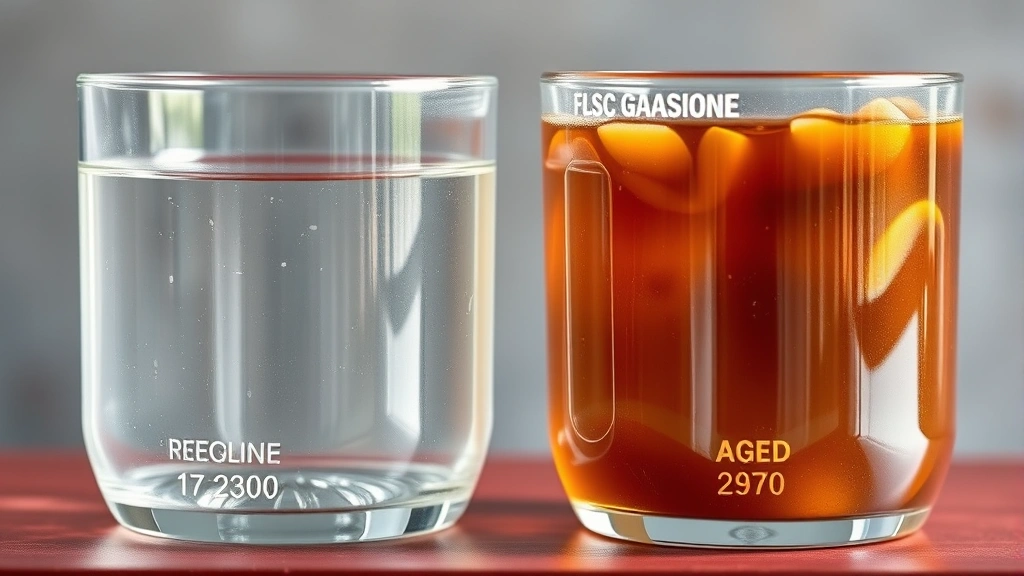
- Color change: Fresh gasoline appears clear to slightly yellow; aged fuel develops a darker, brownish hue indicating oxidation
- Odor: Stale fuel smells noticeably different from fresh gasoline—often described as sour or vinegar-like
- Sediment and sludge: Visible particles or gummy deposits indicate advanced degradation
- Separation: In ethanol-blended fuel, water separation creates a distinct layer at the bottom of the container
Engine performance symptoms of bad fuel include difficulty starting, rough idling, hesitation during acceleration, and reduced fuel economy. You might also notice increased emissions or a check engine light appearing on your dashboard. In severe cases, degraded fuel can clog fuel injectors and damage fuel pumps, resulting in expensive repairs that far exceed the cost of properly disposing of old fuel and purchasing fresh gasoline.
If you suspect your fuel has degraded, it’s best to drain the tank and refill with fresh fuel. Attempting to use questionable fuel risks engine damage and creates a frustrating driving experience.
Best Practices for Fuel Storage
Proper fuel storage requires attention to several key principles that protect both fuel quality and personal safety. Whether you’re storing fuel for your vehicle or maintaining an emergency supply, following these guidelines ensures maximum shelf life and optimal performance.
Essential fuel storage practices:
- Use appropriate containers: Store fuel in approved, sealed metal or plastic containers specifically designed for gasoline. Never use glass containers, milk jugs, or other improvised receptacles
- Maintain cool temperatures: Store fuel in a cool location, ideally between 50-70°F. Avoid basements prone to temperature fluctuations or outdoor areas exposed to direct sunlight
- Minimize air exposure: Keep containers tightly sealed to reduce oxygen contact and evaporation. Avoid partially filled containers that create excess headspace
- Protect from light: Store containers in dark areas or use opaque containers to prevent ultraviolet exposure that accelerates oxidation
- Ensure proper ventilation: Store fuel in well-ventilated areas away from ignition sources, heat, and electrical equipment. Never store fuel indoors where fumes can accumulate
- Keep away from water: Protect fuel storage areas from moisture and humidity. Store containers on elevated surfaces, not directly on damp ground
- Label clearly: Mark containers with the storage date and fuel type so you can track how long fuel has been stored
- Rotate stock: Use the oldest fuel first, following a first-in-first-out approach to minimize waste
When preparing your vehicle for extended storage, consider using fuel stabilizers to extend the usable life of fuel in your tank. This approach is more practical than draining the tank completely, as it maintains a full fuel tank that resists oxidation better than a partially empty one.
Fuel Stabilizers and Additives
Fuel stabilizers are chemical additives designed to slow oxidation and prevent gum formation in stored gasoline. These products are particularly valuable for vehicles that will sit unused for extended periods, such as seasonal vehicles, motorcycles, and recreational equipment. Understanding how stabilizers work helps you determine whether they’re appropriate for your situation.
Most fuel stabilizers contain antioxidants that inhibit the chemical reactions responsible for fuel degradation. When added to gasoline according to manufacturer instructions, these products can extend usable fuel life from six months to twelve months or longer. Popular brands like Sta-Bil, PRI-G, and Techron are widely available at auto parts retailers and have established track records of effectiveness.
The key to using fuel stabilizers effectively is adding them to fresh fuel before degradation begins. Stabilizers cannot restore fuel that has already gone bad; they only slow the degradation process in fuel that is still relatively fresh. For best results, add stabilizer to your vehicle’s fuel tank or storage container immediately after filling, then run the engine for ten to fifteen minutes to circulate the treated fuel throughout the fuel system.
While fuel stabilizers are effective tools for fuel preservation, they represent an additional cost and are unnecessary for fuel that will be used within a few months. For regular drivers who refill their tanks frequently, fuel stabilizers are typically not needed. However, for those preparing vehicles for winter storage or maintaining emergency fuel supplies, stabilizers offer excellent value by preventing fuel waste and engine problems.
Environmental and Sustainability Considerations
Understanding how long gasoline lasts connects directly to broader sustainability concerns and responsible resource management. Every gallon of fuel wasted represents not only lost money but also unnecessary environmental impact from extraction, refining, transportation, and disposal processes.
The environmental footprint of gasoline extends far beyond the carbon emissions produced during combustion. Oil extraction disturbs ecosystems, refining processes consume significant energy and water, and transporting fuel requires additional resources. When we allow fuel to degrade and become unusable, we amplify this environmental burden by necessitating replacement fuel production. This perspective aligns with advantages of electric vehicles, which offer a pathway toward reducing fuel consumption and associated environmental impacts.
Proper fuel storage and management represent practical ways to minimize waste in your daily life. By maintaining fuel quality through appropriate storage methods and using stabilizers when necessary, you reduce the volume of fuel you need to purchase and dispose of. This conservation mindset extends to broader sustainability practices and demonstrates commitment to environmental stewardship.
Additionally, reducing fuel waste decreases demand for petroleum products, which supports the transition toward green technology innovations transforming our future. As renewable energy sources become increasingly viable, minimizing reliance on fossil fuels becomes an important personal and collective responsibility.
Disposing of Old Gasoline Safely
When fuel has degraded beyond usable condition, proper disposal is essential for environmental protection and personal safety. Pouring old gasoline down drains, onto soil, or into trash containers creates serious hazards and violates environmental regulations. Gasoline is a hazardous waste that requires specialized handling.
Safe disposal methods for degraded fuel:
- Hazardous waste collection events: Many communities host periodic hazardous waste collection days where residents can drop off old fuel free of charge. Contact your local waste management department for dates and locations
- Recycling centers: Some recycling facilities accept hazardous materials including old gasoline. Call ahead to confirm acceptance and learn about any preparation requirements
- Auto service centers: Many mechanics and auto parts stores will accept old fuel for proper disposal, sometimes for a small fee
- Environmental agencies: The EPA’s hazardous waste program provides resources for finding approved disposal facilities in your area
Never attempt to dispose of gasoline through municipal sewage systems or storm drains. Gasoline is toxic to aquatic ecosystems and can contaminate drinking water supplies. Additionally, improper disposal violates federal environmental laws and can result in significant fines.
When transporting old fuel to a disposal facility, use a sealed, approved container and transport it during daylight hours. Keep the container secured in your vehicle and avoid routes with heavy traffic or excessive heat exposure. Treat old fuel with the same respect and caution you would apply to fresh gasoline—it remains flammable and hazardous regardless of its degraded condition.
FAQ
How long does gasoline last in a car’s fuel tank?
Gasoline in a vehicle’s fuel tank typically remains stable for three to six months. However, vehicles that are driven regularly consume fuel before degradation becomes problematic. The concern primarily affects vehicles left sitting unused. Keeping the tank as full as possible slows oxidation by reducing headspace air contact. For vehicles stored longer than six months, fuel stabilizers provide effective protection for fuel quality.
Can you use old gasoline in your car?
Using slightly aged gasoline (under six months old) is generally safe, though it may cause minor performance issues like rough idling or hesitation. Fuel older than six to twelve months risks fuel system damage and should be avoided. If you suspect fuel degradation, drain the tank completely and refill with fresh gasoline rather than risk costly engine repairs. Always prioritize fuel freshness over economy.
Does gasoline go bad in the winter?
Winter temperatures actually slow gasoline degradation compared to warm weather, making winter an ideal season for fuel storage. Cold temperatures reduce oxidation rates and evaporation. However, ethanol-blended fuels can absorb atmospheric moisture during winter storage, potentially causing water contamination. Using fuel stabilizers in winter storage provides extra protection against moisture-related issues and extends overall fuel life.
What is the best way to store gasoline long-term?
Long-term gasoline storage requires cool temperatures (50-70°F), sealed opaque containers, minimal air exposure, and protection from light and moisture. Adding fuel stabilizer extends usable life to twelve months or longer. Store containers in well-ventilated areas away from ignition sources. Rotate stored fuel by using older supplies first, and label containers with storage dates. These practices maintain fuel quality and ensure safety throughout the storage period.
How can I tell if my stored fuel has gone bad?
Degraded fuel exhibits visual changes (darker color, sediment, or cloudiness), develops a sour odor, and may show separation in ethanol-blended fuel. Engine symptoms include difficulty starting, rough idling, hesitation, and reduced fuel economy. If you notice any of these signs, drain the fuel system completely and refill with fresh gasoline. Don’t risk engine damage by attempting to use questionable fuel.
Does premium gasoline last longer than regular?
Premium gasoline contains additional detergents and additives that may provide marginal benefits for fuel longevity, but the difference is minimal—typically only a few weeks at most. Storage conditions, container type, and temperature have far more significant impacts on fuel shelf life than fuel grade. For fuel storage purposes, premium’s higher cost doesn’t justify the minimal longevity benefit.
Can fuel stabilizers restore degraded gasoline?
No, fuel stabilizers cannot restore gasoline that has already degraded significantly. They work by slowing oxidation in relatively fresh fuel, preventing future degradation. If fuel has already developed gums, varnishes, or separation, stabilizers cannot reverse these changes. Always add stabilizer to fresh fuel before storage begins, not as a remedy for aged fuel. For degraded fuel, safe disposal and replacement with fresh gasoline is the only appropriate solution.
Is it safe to mix old and new gasoline?
Mixing slightly aged fuel (under six months) with fresh gasoline is generally acceptable, as the fresh fuel dilutes any degradation products and the mixture typically performs adequately. However, mixing significantly degraded fuel with fresh fuel introduces gums and varnishes into your fuel system unnecessarily. It’s better to completely drain old fuel and refill with fresh supply rather than compromise fuel quality through mixing.


