Gorilla Gas: Eco-Friendly Fuel? Expert Insights on Sustainability Claims
Gorilla Gas has emerged as a notable player in the alternative fuel market, attracting consumers seeking cleaner energy solutions. As environmental concerns intensify, understanding whether Gorilla Gas truly delivers on its eco-friendly promises requires examining its composition, environmental impact, and how it compares to other fuel options. This comprehensive analysis explores the sustainability credentials of Gorilla Gas and provides expert insights into its role in reducing carbon emissions.
The fuel industry continues evolving as consumers demand greener alternatives. Gorilla Gas positions itself as an environmentally conscious choice, but distinguishing marketing claims from genuine ecological benefits is essential. Whether you’re considering this fuel for residential, commercial, or personal use, understanding its actual environmental footprint helps inform responsible energy decisions.
What Is Gorilla Gas and Its Composition
Gorilla Gas represents a specialized fuel product designed to meet specific performance and environmental standards. The fuel composition typically includes hydrocarbons with detergent additives that reduce engine deposits and improve combustion efficiency. Understanding the exact formulation is crucial for assessing its true environmental credentials compared to conventional gasoline.
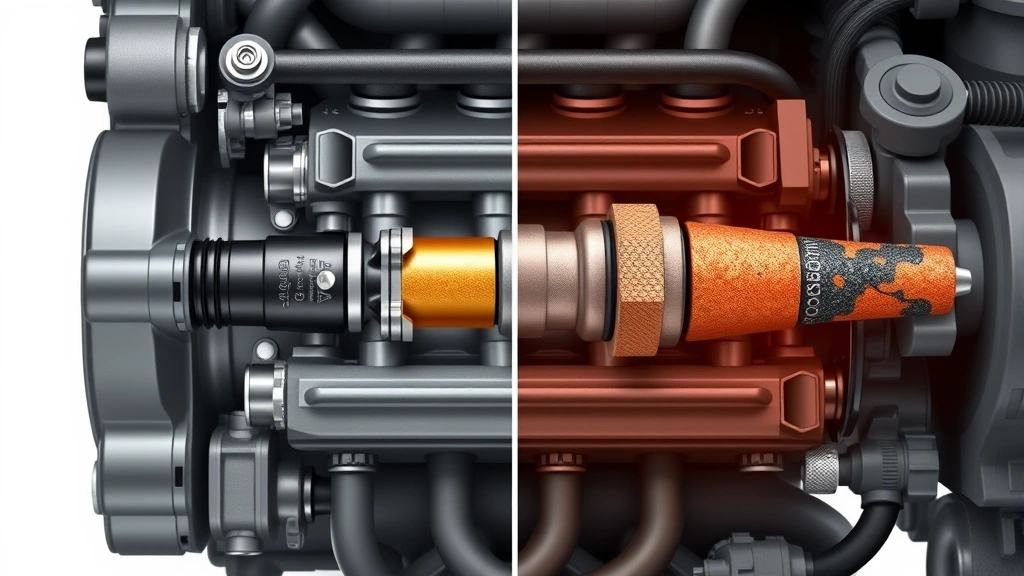
The product combines premium gasoline with proprietary additive packages that enhance fuel stability and reduce harmful emissions during combustion. These additives help prevent carbon buildup in fuel injectors and engine components, which indirectly supports more efficient fuel burning. However, the presence of additives doesn’t automatically translate to environmental superiority—the type and concentration of these compounds significantly influence overall ecological impact.
Gorilla Gas manufacturers emphasize their commitment to reducing sulfur content and minimizing aromatic compounds that contribute to air pollution. The fuel meets or exceeds EPA standards for gasoline composition, though meeting regulatory minimums doesn’t necessarily mean exceeding them. Comparing this fuel with sustainable energy solutions helps contextualize its place in the broader energy landscape.

Environmental Impact Analysis
The environmental impact of any fuel extends beyond its chemical composition to include extraction, refining, distribution, and combustion phases. Gorilla Gas, like all petroleum-based fuels, originates from fossil fuel extraction, which carries inherent environmental costs including habitat disruption and water contamination risks.
During the refining process, petroleum undergoes extensive treatment to achieve the desired composition and purity. This refining stage consumes significant energy and generates emissions. Gorilla Gas manufacturers claim their refining processes incorporate advanced technologies that reduce energy consumption and emissions intensity compared to conventional gasoline production, though independent verification of these claims varies.
Combustion emissions represent the most visible environmental impact. When burned in engines, Gorilla Gas releases carbon dioxide, nitrogen oxides, and particulate matter. The detergent additives help optimize combustion efficiency, potentially reducing the total emissions per unit of energy produced. Studies examining fuel efficiency improvements suggest that better combustion can reduce CO2 emissions by 2-5% compared to lower-quality gasolines, though this remains modest compared to transitioning to advantages of electric vehicles.
Lifecycle analysis of Gorilla Gas reveals that while combustion efficiency improvements offer minor benefits, the fundamental carbon footprint remains significant because the fuel is carbon-based. The product doesn’t address the core sustainability challenge of fossil fuel dependence—it merely optimizes a fundamentally carbon-intensive energy source.
Comparison With Traditional Fuels
Comparing Gorilla Gas with standard gasoline, diesel, and emerging alternatives provides essential context for evaluating its environmental positioning. Traditional gasoline typically contains higher sulfur levels and fewer detergent additives, resulting in less efficient combustion and greater emissions of certain pollutants.
Gorilla Gas generally outperforms standard gasoline in specific emission categories, particularly nitrogen oxides and particulate matter. The enhanced detergent package keeps fuel injectors cleaner, allowing engines to operate more efficiently and produce fewer emissions over their operational lifetime. This advantage becomes more pronounced in older vehicles with accumulated fuel system deposits.
When compared to diesel fuels, Gorilla Gas offers advantages in urban air quality since diesel engines produce higher particulate emissions, though they achieve superior fuel economy. The choice between these fuels involves trade-offs between efficiency and emissions profiles. For comprehensive understanding of fuel options, exploring gas vs electric comparisons demonstrates how similar analyses apply across energy applications.
The most significant comparison involves alternative fuels and electric power. Renewable energy sources, electric vehicles, and biofuels present substantially lower carbon footprints than any petroleum-based fuel, including Gorilla Gas. This reality positions Gorilla Gas as an incremental improvement rather than a transformative sustainability solution.
Sustainability Certifications and Standards
Gorilla Gas meets EPA Tier 3 gasoline standards, which establish minimum detergent requirements and sulfur content limits. These regulations, implemented to reduce emissions, require all gasoline sold in the United States to contain detergent additives. However, meeting minimum standards differs substantially from exceeding them.
The fuel may carry additional certifications or environmental claims, though independent verification of marketing assertions remains important. Some manufacturers pursue third-party certifications from environmental organizations, demonstrating commitment beyond regulatory compliance. Consumers should investigate whether Gorilla Gas carries recognized certifications from organizations like the EPA or other authoritative bodies.
Industry certifications related to fuel quality and performance standards exist through organizations like ASTM International, which establishes technical specifications for fuels. These standards ensure consistent product quality and performance but don’t necessarily address broader environmental sustainability. Understanding the distinction between performance standards and environmental certifications helps consumers accurately assess green claims.
The absence of carbon offset programs or renewable energy components in Gorilla Gas represents a limitation compared to biofuel blends that incorporate ethanol or biodiesel. These blends, which mix renewable content with petroleum, offer superior lifecycle carbon profiles, though they present their own environmental complexities.
Expert Opinions on Eco-Friendly Claims
Environmental scientists and fuel experts generally view Gorilla Gas as a modest improvement over conventional gasoline but caution against overstating its sustainability credentials. Dr. researchers from the U.S. Department of Energy note that optimizing petroleum fuel efficiency provides marginal emissions reductions compared to fundamental energy system transitions.
Automotive engineers acknowledge that enhanced detergent packages improve engine performance and reduce certain emissions categories. These benefits prove particularly valuable for fleet operators and consumers with older vehicles where fuel system deposits significantly impact efficiency. However, experts emphasize that these improvements represent optimization of an inherently carbon-intensive energy source rather than sustainable transformation.
Climate scientists stress that addressing transportation emissions requires transitioning away from fossil fuels entirely rather than incrementally improving their efficiency. While Gorilla Gas may reduce emissions by 2-5% compared to standard gasoline, comprehensive climate goals require 50-80% emissions reductions within the transportation sector by 2050. This perspective contextualizes Gorilla Gas as a transitional fuel rather than a long-term sustainability solution.
Industry analysts note that marketing Gorilla Gas as eco-friendly may create false impressions that allow consumers to maintain carbon-intensive transportation patterns without fundamental lifestyle changes. This phenomenon, sometimes called “greenwashing,” involves presenting products as more environmentally beneficial than objective analysis supports. Consumers seeking genuine environmental impact should evaluate green technology innovations that offer more substantial emissions reductions.
Consumer Applications and Benefits
Gorilla Gas serves practical applications for consumers seeking incremental emissions improvements within their current transportation patterns. Vehicle owners using this fuel may experience improved fuel economy, reduced maintenance costs from cleaner fuel systems, and slightly lower tailpipe emissions compared to standard gasoline.
Fleet operators managing large vehicle inventories find particular value in Gorilla Gas benefits. Reduced fuel system deposits translate to lower maintenance frequency, extended service intervals, and improved overall fleet efficiency. For commercial operations where vehicle replacement timelines extend over many years, these operational improvements provide meaningful economic and environmental benefits during the interim period.
Consumers in regions with poor air quality may appreciate the incremental emissions reductions that Gorilla Gas provides, particularly regarding nitrogen oxides and particulate matter that contribute to respiratory health problems. In urban areas where air quality standards remain challenged, every feasible emissions reduction contributes to public health objectives.
For individuals unable to transition to electric vehicles or alternative transportation due to infrastructure limitations, cost constraints, or specific operational requirements, Gorilla Gas represents an accessible option for reducing their fuel’s environmental impact. This application acknowledges practical realities while encouraging consideration of fuel alternatives and advanced technologies.
Limitations and Challenges
The fundamental limitation of Gorilla Gas involves its petroleum-based composition. Regardless of additives and refinement improvements, burning fossil fuels releases carbon dioxide that contributes to climate change. This unavoidable reality means Gorilla Gas cannot achieve true sustainability—it can only optimize an inherently unsustainable energy source.
The marginal emissions improvements offered by Gorilla Gas may create complacency that delays more transformative sustainability actions. Consumers satisfied with incremental fuel improvements might postpone vehicle replacement with electric alternatives or delay adoption of public transportation, active mobility, and other high-impact changes. This psychological barrier to deeper sustainability transitions represents a significant limitation.
Infrastructure challenges limit Gorilla Gas availability in many regions, requiring consumers to seek out specific retailers. This inconvenience contrasts with the expanding accessibility of charging infrastructure for electric vehicles and the universal availability of conventional gasoline at most fuel stations. The niche market positioning limits widespread adoption potential.
Economic considerations present another challenge. Gorilla Gas typically costs more than standard gasoline, with price premiums ranging from 5-15% depending on market conditions and location. For budget-conscious consumers, especially those in lower-income communities, this price differential may outweigh environmental benefits, creating equity concerns in sustainable fuel adoption.
The lack of comprehensive lifecycle analysis standards for fuel products means consumers cannot easily compare environmental impacts across different fuel options. Without standardized methodologies for calculating total environmental costs from extraction through combustion, marketing claims remain difficult to independently verify. Consumers seeking reliable information should consult sustainability research and analysis from authoritative sources.
Frequently Asked Questions
Is Gorilla Gas truly eco-friendly?
Gorilla Gas offers incremental environmental improvements over standard gasoline through enhanced detergent additives and optimized combustion efficiency, but it remains a petroleum-based fuel with significant carbon emissions. It represents a modest step toward reduced environmental impact rather than a genuinely eco-friendly solution. For authentic sustainability, consumers should prioritize electric vehicles, renewable energy, and reduced transportation dependence.
Does Gorilla Gas reduce emissions significantly?
Studies indicate Gorilla Gas reduces certain emissions categories by approximately 2-5% compared to standard gasoline, primarily through improved combustion efficiency and reduced fuel system deposits. While measurable, these reductions remain modest compared to transitioning to electric vehicles or alternative transportation modes, which can reduce transportation emissions by 50-100%.
How does Gorilla Gas compare to E10 or ethanol blends?
Ethanol-blended gasolines incorporate renewable content, offering superior lifecycle carbon profiles compared to pure petroleum fuels like Gorilla Gas. However, ethanol production involves agricultural impacts and energy inputs that complicate sustainability assessments. Both fuel types represent improvements over standard gasoline but fall short of genuine sustainability solutions.
Should I switch to Gorilla Gas for environmental reasons?
If you must continue using gasoline vehicles, Gorilla Gas represents a reasonable choice offering modest environmental benefits. However, prioritize vehicle replacement with electric alternatives, increased use of public transportation, or reduced overall driving as more impactful sustainability strategies. Gorilla Gas should complement rather than substitute for fundamental transportation pattern changes.
What certifications does Gorilla Gas hold?
Gorilla Gas meets EPA Tier 3 gasoline standards and may carry additional certifications from fuel industry organizations. Consumers should verify specific certifications through manufacturer documentation or independent sources rather than relying on marketing claims. Request detailed environmental certifications and lifecycle analysis data when evaluating fuel products.
Is Gorilla Gas available everywhere?
Gorilla Gas availability varies by region and depends on specific retailer partnerships. Unlike standard gasoline available at most fuel stations, Gorilla Gas requires seeking out designated retailers, which may limit accessibility for many consumers. Check local availability before committing to this fuel option as your primary gasoline source.
What’s the price difference for Gorilla Gas?
Gorilla Gas typically costs 5-15% more than standard gasoline, with specific premiums depending on local market conditions, fuel prices, and retailer markup. This cost differential may offset environmental benefits for budget-conscious consumers, particularly those with limited disposable income for fuel purchases.