How to Siphon Gas Safely: Expert Tips for Responsible Fuel Transfer
Siphoning gasoline is a practical skill that requires careful attention to safety and environmental responsibility. Whether you’re transferring fuel between vehicles, emptying a tank, or dealing with an emergency situation, understanding the proper techniques can prevent accidents, health hazards, and environmental contamination. This comprehensive guide covers everything you need to know about siphoning gas safely, from preparation to execution, while emphasizing the importance of sustainable fuel practices and reducing unnecessary fuel waste.
In today’s world of electric vehicles and renewable energy alternatives, traditional gasoline handling remains relevant for many people. However, the methods we use to handle fossil fuels should prioritize safety, environmental protection, and responsible consumption. By learning proper siphoning techniques, you not only protect yourself and others but also minimize the risk of fuel spills that can contaminate soil and water systems.
Understanding Gasoline and Safety Risks
Before attempting to siphon gasoline, it’s crucial to understand why this task demands respect and caution. Gasoline is a highly flammable liquid with a flash point of -43°F (-6°C), meaning it can ignite at room temperature. The vapors alone can cause serious health problems, including dizziness, headaches, respiratory irritation, and in severe cases, chemical pneumonia or organ damage.
One of the most dangerous mistakes people make when siphoning gas is using their mouth to start the siphon. This direct contact with gasoline vapors and liquid can cause immediate poisoning. Ingesting even small amounts of gasoline can result in severe gastrointestinal distress, aspiration pneumonia, and potentially fatal complications. Additionally, gasoline is a known carcinogen, and prolonged exposure increases health risks significantly.
Understanding these risks is the first step toward reducing your environmental footprint while handling hazardous materials responsibly. Proper technique minimizes spills, reduces vapor exposure, and protects both personal health and environmental integrity.
Essential Tools and Equipment
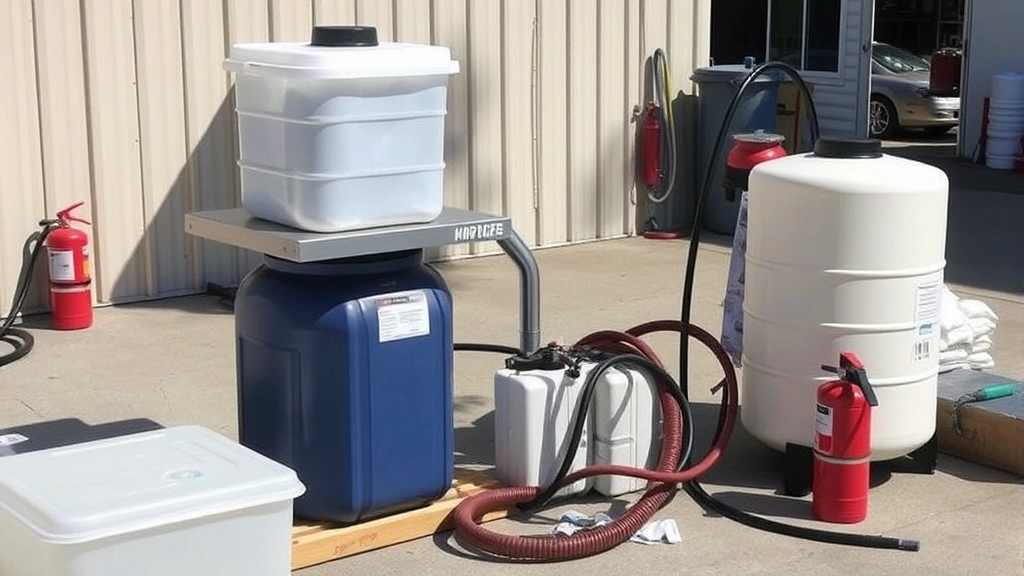
Successful and safe siphoning requires the right equipment. Never attempt to improvise with household items, as this increases risks exponentially. Here are the essential tools you’ll need:
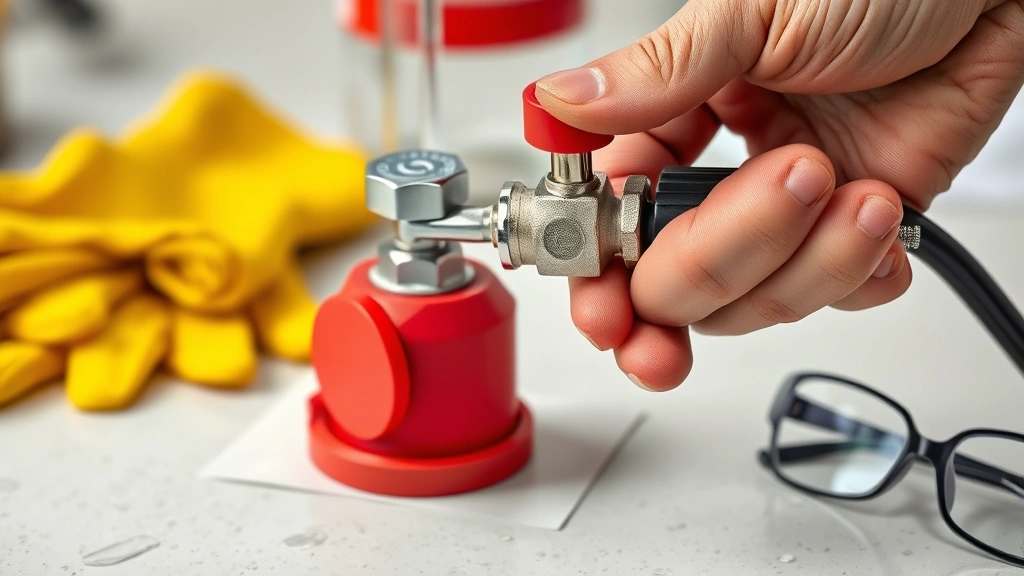
- Siphon pump or hand-operated siphon kit: Modern siphons include ball valves or squeeze bulbs that eliminate the need for mouth-starting. These are inexpensive, readily available at auto parts stores, and infinitely safer than traditional methods.
- Food-grade tubing: Use tubing specifically designed for fuel transfer. Standard vinyl tubing can degrade and contaminate fuel. Fuel-grade tubing resists chemical breakdown and maintains structural integrity.
- Two containers: A source container (donor tank) and a receiving container (recipient tank). Both should be clean, properly sealed, and appropriate for fuel storage.
- Funnel: A wide-mouth funnel with a fine mesh screen helps prevent debris from entering the receiving container.
- Rags or absorbent material: Keep cloth or specialized absorbent pads nearby for spill cleanup.
- Safety glasses: Protect your eyes from accidental splashes.
- Nitrile gloves: Protect your skin from direct contact with gasoline.
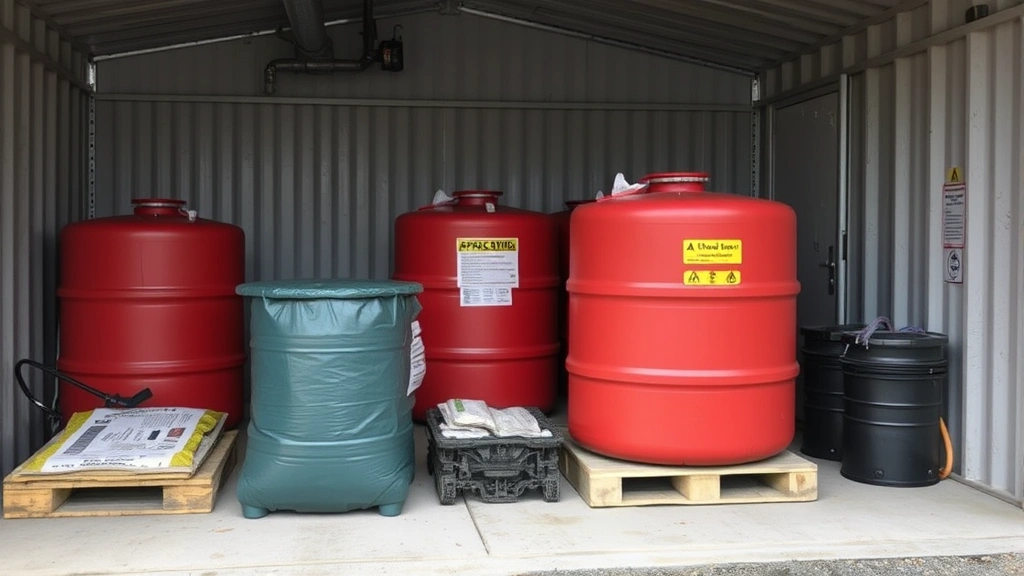
- Approved fuel storage containers: Red containers typically indicate gasoline storage; they should meet DOT or similar safety standards.
Investing in proper equipment is not just a safety measure—it’s an investment in environmental protection. Quality siphoning tools reduce spillage and waste, which aligns with sustainability principles by minimizing unnecessary fuel loss and contamination.
Preparation and Setup
Proper preparation is essential for safe siphoning. Begin by selecting an appropriate location outdoors or in a well-ventilated area, away from ignition sources such as sparks, flames, cigarettes, or electrical equipment. Never siphon gasoline indoors or in enclosed spaces where vapors can accumulate.
Inspect both containers thoroughly before use. The source container should be clean and free from debris, rust, or water contamination. Check that the receiving container is appropriate for fuel storage and has a secure, functioning cap. Position the source container higher than the receiving container—gravity is essential for the siphoning process to work efficiently.
Ensure the tubing is clean and undamaged. Run water through it if you’ve used it previously, and allow it to dry completely before use with gasoline. Any residual water in the tubing can contaminate the fuel and cause engine problems.
Put on your safety equipment: glasses and nitrile gloves. Keep a fire extinguisher rated for flammable liquid fires (Class B) nearby. Have your absorbent material ready for immediate cleanup of any spills. These preparations might seem excessive, but they represent the difference between a safe transfer and a dangerous incident.
Step-by-Step Siphoning Process
Step 1: Insert the tubing
Insert one end of the tubing into the source container, ensuring it reaches near the bottom but doesn’t touch the container floor, which could draw up sediment. The other end of the tubing should be held above the receiving container but not yet inserted into it.
Step 2: Use the siphon pump mechanism
If using a hand-operated siphon pump with a ball valve, squeeze the bulb or pump handle repeatedly. This creates pressure that forces gasoline into the tubing without requiring mouth contact. Continue pumping until you see gasoline flowing steadily through the tubing toward the receiving container. Modern siphon pumps make this step safe and straightforward.
Step 3: Direct the flow
Once gasoline begins flowing, insert the free end of the tubing into the receiving container. Position it to flow through the funnel if you’re using one. Maintain control of the tubing throughout the process to prevent splashing or overflow.
Step 4: Monitor the transfer
Never leave the siphoning process unattended. Watch the fuel level in both containers to prevent overfilling the receiving container. Most fuel transfer situations should take only a few minutes, depending on the volume being transferred.
Step 5: Stop the flow
To stop the siphoning process, pinch the tubing to cut off flow, or if your siphon pump has a valve, close it. Remove the tubing from the receiving container first, then from the source container. Allow any remaining fuel in the tubing to drain into the source container.
Step 6: Secure containers properly
Immediately cap both containers securely. Ensure lids are tight to prevent vapor escape and potential spills. Wipe down any exterior spills with absorbent material before storage or transport.
Environmental Considerations
Siphoning gasoline has significant environmental implications that extend beyond the immediate transfer. Gasoline spills contaminate soil, groundwater, and surface water, harming ecosystems and making water unsafe for consumption. According to the EPA’s oil spill information, even small spills can have lasting environmental consequences.
When siphoning fuel, every drop counts. Minimizing spillage protects local water resources and soil quality. This connects directly to sustainable energy solutions by reducing the environmental cost of fuel handling and encouraging more responsible consumption patterns.
Consider whether siphoning is truly necessary. In many cases, modern vehicles have fuel pump shut-off mechanisms that prevent accidental overfilling. If you’re transferring fuel between personal vehicles, ask yourself whether this transfer is essential or whether it represents unnecessary fuel movement that could be avoided through better planning.
For those interested in reducing gasoline dependence entirely, exploring green technology innovations and alternative fuel sources represents a long-term environmental solution. Electric vehicles, hybrid systems, and renewable fuel alternatives are becoming increasingly accessible and affordable.
If you must dispose of gasoline, never pour it down drains or onto the ground. Contact your local hazardous waste disposal facility for proper disposal methods. Many communities offer free or low-cost hazardous waste collection events specifically for materials like gasoline.
Common Mistakes to Avoid
Using your mouth to start the siphon: This is the most dangerous mistake. Gasoline ingestion can cause serious poisoning, and vapor inhalation causes immediate health effects. Always use a mechanical pump or squeeze bulb.
Siphoning in enclosed spaces: Gasoline vapors accumulate in poorly ventilated areas, creating fire hazards and health risks. Always work outdoors or in well-ventilated spaces.
Using inappropriate containers: Plastic containers not rated for fuel storage can degrade and leak. Glass containers risk breakage. Always use approved fuel storage containers.
Ignoring spills: Even small spills should be immediately addressed with absorbent material. Don’t leave gasoline sitting on surfaces where it can evaporate or be tracked elsewhere.
Siphoning near ignition sources: Keep the process away from sparks, flames, hot surfaces, and electrical equipment. Gasoline vapors are highly flammable.
Overfilling containers: Leave headspace in containers to allow for fuel expansion. Overfilled containers can leak during transport or temperature changes.
Transferring contaminated fuel: Never siphon fuel that appears discolored, smells unusual, or contains visible debris. Contaminated fuel can damage engines and create safety hazards.
Legal and Safety Regulations
Gasoline siphoning is regulated in many jurisdictions. The Occupational Safety and Health Administration (OSHA) provides guidelines for handling flammable liquids in workplace settings. For personal use, check local regulations regarding fuel storage and transfer, as some municipalities have specific requirements.
If you’re siphoning fuel for commercial purposes or in a business context, regulations are typically stricter. Professional fuel transfer should use certified equipment and follow industry standards. The National Fire Protection Association (NFPA) provides comprehensive safety standards for flammable liquid handling.
When transporting fuel in vehicles, containers must be properly secured, and quantities are often limited by law. Never transport fuel in your vehicle’s passenger compartment. Always place fuel containers in the trunk or truck bed, secured so they won’t shift during transit.
Insurance considerations also apply. Some insurance policies don’t cover incidents involving fuel transfer or storage. Review your coverage before storing or transferring significant quantities of gasoline.
For those looking to reduce reliance on gasoline altogether, visit the U.S. Department of Energy’s fuel economy information to explore efficient vehicle options and alternative fuels.
FAQ
Can I siphon gas from a modern car with a fuel pump shut-off valve?
Modern vehicles often have anti-siphon devices that make traditional siphoning difficult or impossible. These devices prevent fuel from flowing backward through the fuel filler neck. If you need to transfer fuel from a modern vehicle, consult the owner’s manual or contact a professional. Some newer vehicles require specialized equipment for fuel transfer.
What should I do if I accidentally ingest gasoline?
Seek immediate medical attention. Call poison control or emergency services. Do not induce vomiting. Provide medical personnel with information about the amount and type of gasoline ingested. Gasoline ingestion is a serious medical emergency requiring professional treatment.
How long can I safely store gasoline?
Gasoline degrades over time, typically remaining usable for three to six months in proper storage conditions. Store in approved containers in cool, dark, well-ventilated areas. Use fuel stabilizers for longer storage periods. Never store gasoline indoors or in living spaces.
Is it legal to siphon gas from someone else’s vehicle?
No. Siphoning fuel from another person’s vehicle without permission is theft. It’s illegal and unethical. Only siphon fuel from vehicles you own or have explicit permission to access.
What’s the difference between siphoning and pumping fuel?
Siphoning uses gravity and pressure differentials to move fuel, while pumping uses mechanical or electrical devices. Modern fuel transfer typically uses hand pumps or electric pumps rather than traditional siphoning, offering better control and safety.
Can I siphon diesel fuel using the same method?
Yes, the basic siphoning process works for diesel, though diesel is less flammable than gasoline. However, use tubing and containers specifically rated for diesel, as some materials may not be compatible with diesel properties. Follow the same safety precautions, as diesel vapor exposure still poses health risks.
What should I do with spilled gasoline?
Cover the spill immediately with absorbent material such as cat litter, sand, or specialized absorbent pads. Never use water, as gasoline and water don’t mix and water can spread contamination. Once absorbed, place material in an appropriate container and contact your local hazardous waste facility for disposal instructions.


