Gas Shelf Life Explained: Expert Insights on Fuel Longevity
Gasoline is a volatile substance that degrades over time, making understanding its shelf life critical for anyone storing fuel for emergency preparedness, seasonal equipment, or backup power generation. Whether you’re maintaining a generator, preserving fuel for a lawnmower, or preparing for unexpected situations, knowing how long gas is good for can save you money, prevent equipment damage, and ensure safety. The shelf life of gasoline varies significantly depending on storage conditions, fuel type, and additives used.
Most standard gasoline remains usable for three to six months under ideal conditions, though this timeline can extend or compress based on environmental factors and storage methods. Understanding the science behind fuel degradation helps you make informed decisions about fuel storage, usage patterns, and when to refresh your supply. This comprehensive guide explores the mechanisms of fuel breakdown, optimal storage practices, and practical strategies for maximizing gasoline longevity.
Understanding Gasoline Composition and Degradation
Gasoline is a complex mixture of hydrocarbons derived from crude oil, containing numerous volatile compounds that evaporate and oxidize over time. The primary culprits behind fuel degradation are oxidation and gum formation. Oxidation occurs when gasoline molecules react with oxygen in the air, creating larger, heavier molecules that form varnish and sediment. This process accelerates in warm environments and when the fuel container is frequently opened, exposing the gasoline to fresh oxygen.
Ethanol, a common additive in modern gasoline blends (typically 10% ethanol, known as E10), complicates the storage equation. Ethanol is hygroscopic, meaning it absorbs moisture from the air more readily than pure gasoline. When ethanol absorbs water, it can separate from the gasoline blend, causing phase separation and rendering the fuel unsuitable for engines. Understanding these chemical processes helps explain why proper storage conditions are non-negotiable for maintaining fuel quality.
The volatility of gasoline means lighter hydrocarbon molecules evaporate preferentially, leaving behind heavier, less efficient compounds. This change in fuel composition affects engine performance, fuel efficiency, and emissions. Additionally, metal and rubber components in storage containers can react with gasoline, introducing contaminants that further degrade fuel quality. How long does gas last in a can depends largely on these degradation mechanisms and how well you minimize their effects.
Standard Shelf Life for Different Fuel Types
The shelf life of gasoline varies by fuel grade and blend composition. Regular unleaded gasoline (87 octane) typically remains stable for 3-6 months under proper storage conditions. Premium gasoline (91-93 octane) may last slightly longer due to its chemical composition, potentially reaching 6-9 months. Diesel fuel generally has a longer shelf life than gasoline, often lasting 6-12 months or longer when stored correctly.
Ethanol-blended fuels (E10, which contains 10% ethanol) represent the most common gasoline available at pumps today. These fuels degrade faster than pure gasoline, typically remaining viable for 3-6 months. Ethanol-free gasoline, increasingly available at specialty stations and marinas, can last significantly longer—often 9-12 months—because ethanol’s hygroscopic nature is eliminated. For those storing fuel long-term, ethanol-free options provide superior shelf life, though they’re typically more expensive and less widely available.
Top-tier gasoline, sold by major oil companies and featuring enhanced detergent packages, may maintain stability slightly longer than standard fuel due to superior additive packages. However, these premium products still degrade within the same general timeframe as regular gasoline. Sustainable energy solutions increasingly favor alternatives to traditional gasoline storage, reflecting growing environmental and practical concerns about fuel management.
Storage Conditions That Impact Fuel Longevity
Temperature represents the most critical factor affecting gasoline shelf life. Fuel stored in cool conditions (50-70°F) remains stable significantly longer than fuel exposed to heat. For every 10°F increase in temperature, fuel oxidation rates can double, dramatically accelerating degradation. Conversely, storing gasoline in cool, shaded locations—such as basements, underground tanks, or climate-controlled facilities—can extend shelf life by several months.
Light exposure, particularly ultraviolet radiation, promotes oxidation and gum formation. Gasoline stored in clear containers deteriorates faster than fuel in opaque or dark-colored containers. Metal containers provide superior protection from light while also preventing static electricity accumulation. Plastic containers specifically designed for fuel storage offer reasonable protection, though they’re more permeable to oxygen than metal options.
Humidity and moisture contamination significantly impact fuel quality. Water mixed with gasoline promotes microbial growth, corrosion of fuel system components, and phase separation in ethanol-blended fuels. Storing containers in dry environments and maintaining sealed, airtight containers prevents moisture infiltration. Venting containers to prevent pressure buildup should occur infrequently and only when necessary, as each opening introduces moisture and oxygen.
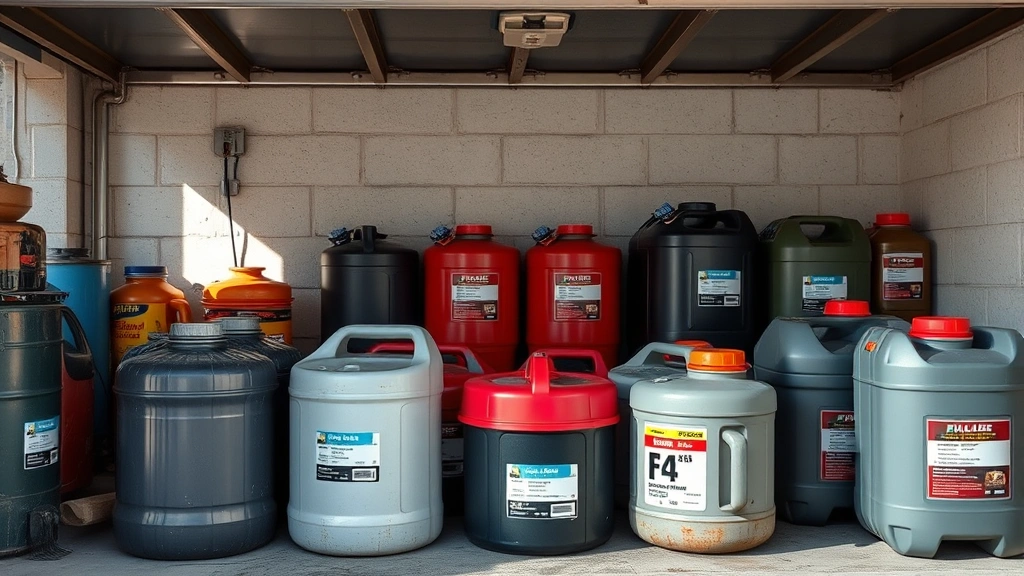
Container selection profoundly influences shelf life. Approved fuel storage containers made from high-density polyethylene or metal provide superior protection compared to improvised containers. Containers should be kept full or nearly full to minimize headspace where oxygen accumulates. Partially filled containers create larger air pockets where oxidation reactions accelerate. How do you syphon gas safely from storage containers is important knowledge for those managing fuel reserves responsibly.
Signs Your Gasoline Has Gone Bad
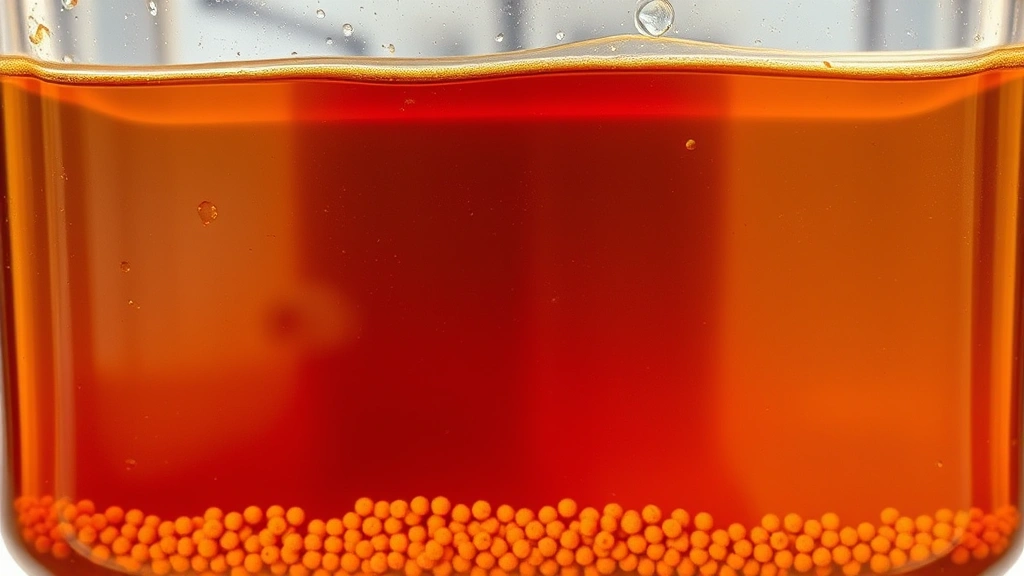
Identifying degraded gasoline prevents engine damage and operational failures. Color changes represent a primary indicator—fresh gasoline appears clear to slightly yellow, while degraded fuel becomes darker, ranging from amber to brown. This color shift results from gum and varnish formation as fuel oxidizes. Odor changes also signal degradation; stale gasoline develops a sour or unpleasant smell distinct from fresh fuel’s characteristic petroleum odor.
Physical appearance problems include sediment or particles visible in the fuel, indicating oxidation byproducts or contamination. Sludge at the bottom of storage containers signals advanced degradation and varnish accumulation. Phase separation, where ethanol-blended fuel separates into layers with water settling at the bottom, creates a cloudy appearance and indicates fuel that’s unsafe for engine use.
Engine performance deterioration often accompanies fuel degradation. Difficulty starting, rough idling, reduced power output, and increased emissions suggest fuel quality problems. Fuel injectors may clog with varnish deposits, and carburetors in older equipment can become gummed up. In severe cases, degraded fuel causes engine damage requiring expensive repairs. Lawn equipment, generators, and seasonal vehicles frequently suffer from stale fuel problems.
The safest approach when uncertain about fuel quality is replacement. Testing fuel quality requires laboratory analysis for precise determination, making visual and olfactory inspection your primary field assessment tools. When in doubt, dispose of questionable fuel properly through EPA hazardous waste programs rather than risking equipment damage.

Extending Fuel Shelf Life with Additives
Fuel stabilizers represent the most effective chemical method for extending gasoline shelf life. These products contain antioxidants and metal deactivators that slow oxidation reactions and prevent gum formation. Quality fuel stabilizers can extend shelf life from 6 months to 1-3 years when added to fresh gasoline before storage. Popular stabilizer brands include Sta-Bil, PRI-G, and Techron, each offering different formulations and effectiveness levels.
Proper stabilizer application requires adding the product to fresh fuel according to manufacturer instructions, then mixing thoroughly before storage. Stabilizers work best when added to fuel that hasn’t yet degraded; they cannot restore already-compromised fuel. For long-term storage exceeding one year, premium stabilizer formulations designed for extended storage provide superior protection compared to standard products.
Fuel conditioners differ from stabilizers by including detergents that clean fuel injectors and carburetors while protecting against future varnish formation. Some products combine stabilization with conditioning benefits, offering comprehensive fuel preservation. However, even with additives, gasoline doesn’t remain viable indefinitely; stabilized fuel typically remains usable for 1-3 years depending on storage conditions and product quality.
For those seeking to minimize fuel storage dependency, exploring advantages of electric vehicles and renewable energy solutions reduces reliance on stored fossil fuels. Electric equipment increasingly offers practical alternatives to gasoline-powered tools and generators, eliminating fuel shelf life concerns entirely while reducing environmental impact.
Safe Storage Practices for Gasoline
Proper gasoline storage protects both fuel quality and personal safety. Approved containers specifically designed for fuel storage are mandatory—never store gasoline in glass bottles, food containers, or non-approved plastic vessels. Metal cans with proper venting caps and plastic containers meeting Department of Transportation standards provide safe, appropriate storage solutions.
Storage location selection is critical for safety and fuel preservation. Choose cool, dry, well-ventilated areas away from living spaces, heat sources, and ignition risks. Garages, sheds, and detached structures work well if temperature-controlled. Never store gasoline in basements, attics, or enclosed spaces where fumes can accumulate, creating fire and explosion hazards. Outdoor storage in shaded, elevated locations prevents flooding and temperature extremes.
Labeling stored fuel with the date of purchase enables tracking shelf life and planning rotation. First-in, first-out rotation ensures older fuel gets used before newer supply, minimizing waste and degradation. Many people maintain a fuel rotation schedule, using stored gasoline seasonally and replacing it with fresh supply before storage periods exceed recommended timeframes.
For generators and emergency equipment, establishing a fuel maintenance schedule ensures readiness. Running generators monthly under load burns stored fuel and replenishes supply with fresh gasoline, preventing degradation while maintaining operational capability. Seasonal equipment like lawnmowers and chainsaws benefit from fuel stabilizer treatment before off-season storage, protecting internal components and ensuring spring startup success.
Environmental considerations surrounding gasoline storage extend beyond personal safety. Spill prevention protects soil and groundwater from contamination. Secondary containment, absorbent materials, and careful handling prevent environmental damage. EPA spill prevention guidance provides detailed protocols for responsible fuel storage.
Sustainability and Fuel Alternatives
From a sustainability perspective, reducing gasoline dependence represents a crucial environmental priority. Fossil fuel combustion contributes significantly to greenhouse gas emissions and climate change. While proper fuel storage and management remain important for those relying on gasoline, exploring alternatives aligns with broader environmental goals and reduces long-term fuel storage concerns.
Electric equipment increasingly provides viable alternatives to gasoline-powered tools. Cordless power drills, lawn mowers, leaf blowers, and chainsaws now offer performance comparable to gas-powered equivalents, eliminating fuel storage requirements and reducing emissions. Battery technology continues improving, offering longer runtimes and faster charging. For homeowners and small-scale users, electric tools represent practical sustainability improvements.
Renewable energy solutions for backup power include solar generators and battery systems that eliminate gasoline generator reliance. These technologies provide emission-free backup power while reducing fossil fuel consumption. Definition of sustainability increasingly emphasizes reducing fossil fuel dependence in favor of renewable alternatives.
Biofuels and advanced fuel technologies represent emerging options with lower environmental impact than conventional gasoline. Biodiesel, ethanol from renewable sources, and synthetic fuels produced from captured carbon offer potential pathways toward cleaner transportation and power generation. However, these technologies remain in development or limited availability in many regions.
For those unable to immediately transition away from gasoline dependence, understanding shelf life and implementing proper storage practices represents responsible fuel management. Minimizing unnecessary fuel storage, using stabilizers for long-term needs, and rotating stock prevents waste and environmental contamination. SustainWise Hub Blog explores comprehensive strategies for reducing environmental impact across multiple life domains.
Looking forward, integrating sustainable practices into fuel management while actively exploring alternatives positions individuals and communities toward environmental responsibility. Whether through equipment upgrades, renewable energy adoption, or improved storage practices, progress toward sustainability requires commitment to incremental improvements and long-term vision.
FAQ
How long can gasoline be stored safely?
Standard gasoline remains usable for 3-6 months under ideal conditions (cool, dark, sealed containers). Ethanol-free fuel lasts 9-12 months, while stabilized fuel can remain viable for 1-3 years. Temperature control and container selection dramatically influence shelf life duration.
Can you use gasoline that’s been stored for a year?
Gasoline stored for one year without stabilizer treatment is likely degraded and potentially unsafe for engines. With proper stabilizer treatment and ideal storage conditions, one-year-old fuel may still function acceptably, though performance degradation is probable. Testing or replacement is safer than risking equipment damage.
What’s the best way to store gasoline long-term?
For long-term storage, use approved metal or fuel-grade plastic containers in cool, dark, well-ventilated locations. Add fuel stabilizer to fresh gasoline before sealing containers. Keep containers full to minimize headspace, store away from heat and ignition sources, and maintain temperature stability between 50-70°F when possible.
Does fuel stabilizer really work?
Quality fuel stabilizers effectively extend shelf life when added to fresh fuel, typically doubling or tripling usable duration. Premium formulations designed for extended storage provide superior protection than standard products. However, stabilizers cannot restore already-degraded fuel; they work best when applied preventatively.
Is ethanol-free gas better for storage?
Yes, ethanol-free gasoline stores significantly longer than ethanol-blended fuel because ethanol’s hygroscopic properties promote water absorption and phase separation. Ethanol-free fuel can last 9-12 months compared to 3-6 months for standard E10 fuel. The trade-off is higher cost and limited availability at most gas stations.
What should I do with old gasoline?
Never dispose of old gasoline in regular trash or down drains. Contact local hazardous waste facilities for proper disposal. Many communities offer free hazardous waste collection days. Some service stations accept used fuel, and environmental organizations provide disposal guidance.
Can expired gas damage my engine?
Degraded gasoline can cause significant engine damage, including fuel injector clogging, carburetor gumming, and rough performance. Extended use of poor-quality fuel may require expensive repairs. Generators, lawnmowers, and seasonal equipment are particularly vulnerable to fuel-related damage from stale gasoline.
How do I know if my gas has water in it?
Water contamination appears as cloudiness or separated layers in fuel, particularly visible in ethanol-blended gasoline. A distinct sour smell and difficulty starting engines also indicate water presence. Fuel with visible water contamination should not be used; dispose of it properly through hazardous waste programs.


