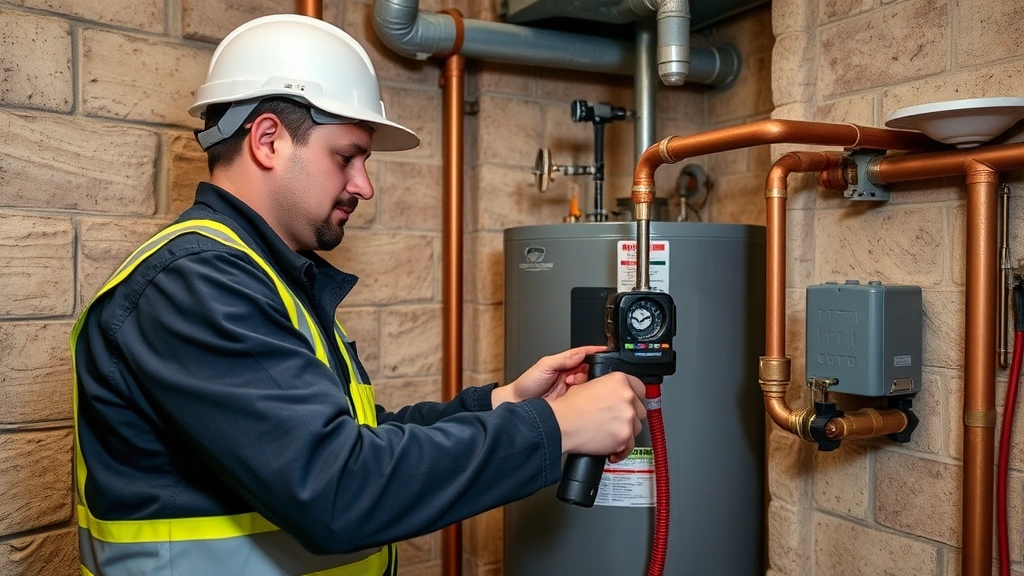
DIY Gas Water Heater Install? Essential Safety Tips Before You Begin
Installing a used gas water heater yourself might seem like a cost-saving project, but it involves significant safety risks that shouldn’t be underestimated. Gas appliances require precise installation to prevent carbon monoxide leaks, gas line hazards, and combustion problems that could endanger your household. This comprehensive guide walks you through critical safety considerations, when to call professionals, and how to approach this project responsibly.
Whether you’re motivated by sustainability concerns or budget constraints, understanding the dangers of improper gas water heater installation is essential. A poorly installed unit doesn’t just fail to heat water efficiently—it can create life-threatening hazards including gas leaks, improper venting, and equipment failures that compromise your home’s safety.
Why Professional Installation Matters for Gas Water Heaters
Gas water heaters operate under strict building codes and safety standards established by organizations like the National Fire Protection Association (NFPA). These regulations exist because improper installation has caused house fires, explosions, and carbon monoxide poisoning incidents. When you install a used gas water heater yourself, you assume full liability for any accidents or damage resulting from installation errors.
Professional installers possess specialized training in gas appliance safety, local building codes, and proper installation techniques. They carry liability insurance, obtain necessary permits, and ensure your installation passes municipal inspections. This protection matters significantly when selling your home—buyers often require proof that major appliances were professionally installed and permitted.
The EPA emphasizes carbon monoxide safety in gas appliance installations, noting that improperly vented heaters are a leading cause of CO poisoning in residential settings. Used water heaters present additional risks because their history is unknown—previous damage, corrosion, or improper maintenance could compromise safety features.
Critical Safety Hazards in DIY Gas Water Heater Installation
Understanding specific dangers helps explain why this project requires expertise beyond general handyman skills:
- Carbon Monoxide Leaks: Faulty venting or incomplete combustion creates deadly, odorless carbon monoxide. Symptoms include headaches, dizziness, and nausea—often mistaken for flu. Without proper installation, CO can accumulate silently in your home.
- Gas Line Ruptures: Improper connections or inadequate sealing allow natural gas to escape. Gas leaks can cause explosions, fires, and health problems. Even small leaks accumulate dangerous concentrations over time.
- Pressure Imbalances: Gas lines require specific pressure regulation. Incorrect pressure damages the heater’s burner assembly or allows gas to escape without igniting.
- Combustion Air Deficiency: Water heaters need adequate fresh air for proper combustion. Inadequate ventilation creates incomplete burning, producing carbon monoxide and reducing efficiency.
- Thermal Shock and Explosions: Improper water supply connections can create pressure buildups that rupture the tank or cause scalding water discharge.
- Electrical Hazards: Modern water heaters include electronic ignition systems, thermostats, and safety controls. Incorrect wiring creates shock risks and equipment damage.
These aren’t theoretical concerns—the Consumer Product Safety Commission documents water heater-related injuries annually, with many traced to improper installation or maintenance.
Pre-Installation Inspection and Preparation
If you’re determined to proceed with installation (ideally with professional oversight), thorough preparation is essential. Before touching any equipment, assess your current setup and the used heater’s condition.
Inspecting the Used Water Heater: Examine the unit for rust, corrosion, dents, or damage. Check the manufacturing date—units over 15 years old have degraded components and seals. Inspect the temperature and pressure relief valve, thermostat, and burner assembly. Request maintenance records from the previous owner. Any signs of previous leaks, improper repairs, or unknown history suggest professional inspection before installation.
Evaluating Your Current Setup: Document your existing water heater’s specifications: BTU rating, gallon capacity, fuel type, and venting configuration. Take photos of gas line connections, water supply lines, and venting arrangement. This baseline helps ensure your replacement matches code requirements and existing infrastructure capabilities.
Gathering Required Tools and Materials: Professional installation requires specialized equipment: a manometer for pressure testing, leak detection solutions, pipe dope rated for gas applications, flexible gas connectors with safety shutoffs, expansion tanks, and proper venting materials. Using incorrect materials—like plumber’s tape on gas lines or non-approved connectors—creates serious hazards.
Venting System Requirements and Compliance
Proper venting is perhaps the most critical installation element because it determines whether combustion byproducts safely exit your home. Improper venting kills people through carbon monoxide accumulation.
Venting Categories: Water heaters use different venting types based on age and design. Atmospheric venting relies on natural draft through a chimney or vent pipe. Power venting uses a fan to push exhaust gases outdoors. Direct venting brings outside air to the burner and exhausts directly outside. Sealed combustion units are most efficient and safest, drawing combustion air from outside rather than your home.
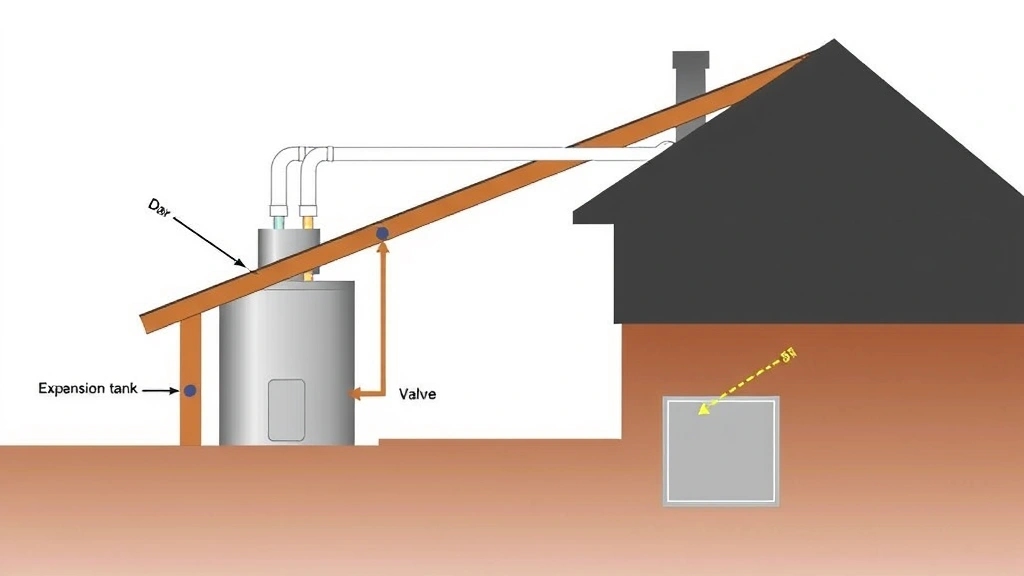
Vent Pipe Installation: Vent pipes must slope upward toward the exit point without dips that trap condensation. Vent diameter must match the heater’s specifications—undersized pipes restrict flow and trap combustion gases. Vent pipes require proper support, insulation where they pass through walls, and termination at least 12 inches above the roof line (local codes vary). Vent pipes cannot terminate in attics, crawlspaces, or enclosed areas.
Combustion Air Supply: The room containing the water heater needs adequate fresh air for combustion. Sealed spaces without proper air intake create negative pressure that draws exhaust gases back into living areas. Older homes naturally exchange air; modern, tightly sealed homes require intentional combustion air provisions. This might mean installing dedicated air intake ducts, requiring professional assessment of your home’s air balance.
Local building codes specify venting requirements for your climate and home type. These codes exist because improper venting causes preventable deaths. Inspectors verify venting compliance before approving installations.
Gas Line Connections and Pressure Testing
Gas line installation demands precision because even microscopic leaks accumulate dangerous concentrations. This is one area where DIY work is genuinely risky.
Line Sizing and Materials: Gas lines must be appropriately sized for the heater’s BTU demand. Undersized lines create insufficient pressure; oversized lines create safety issues. Lines must use materials approved for gas service—typically black iron, copper, or corrugated stainless steel tubing. Flexible connectors (if code-approved in your area) must have safety shut-off valves at both ends.
Connection Standards: All connections require proper sealing with gas-rated pipe dope or thread sealant tape (PTFE). Hand-tight connections aren’t sufficient—connections require wrenches to achieve proper tightness. Over-tightening damages fittings; under-tightening causes leaks. Professional installers understand this balance through training and experience.
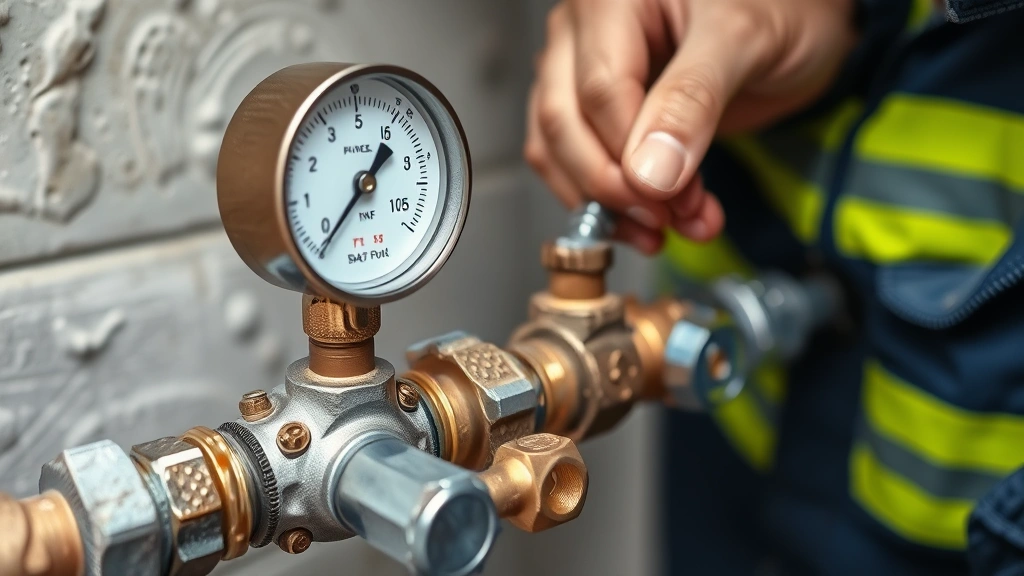
Pressure Testing: After installation, the entire gas line system must be pressure-tested using a manometer. This specialized tool measures pressure at various points, identifying leaks invisible to inspection. Testing requires evacuating the line, pressurizing it with nitrogen (never air, which creates explosion hazards), and observing pressure stability over time. Any pressure drop indicates leaks requiring correction. This testing is mandatory before the heater operates and typically requires professional equipment and expertise.
Leak Detection: Even after pressure testing, professionals perform soap bubble tests on all connections. Bubbles indicate escaping gas. This simple but essential check requires methodical inspection of every fitting. Gas companies can detect leaks professionally using specialized equipment.
Water Supply and Drainage Setup
Water connections seem straightforward but improper setup causes leaks, corrosion, and system failures.
Supply Line Installation: Water supply lines must connect to the heater’s cold water inlet with appropriate fittings. Flexible connectors simplify installation but can fail over time. Rigid copper or PEX lines are more durable. Connections require proper sealing to prevent leaks. Shut-off valves must be installed on the supply line before the heater, allowing you to isolate the heater for maintenance or emergencies.
Expansion Tank Requirements: Modern water heaters require expansion tanks to handle pressure from heating water in closed systems. As water heats, it expands; without an expansion tank, pressure builds to dangerous levels, potentially rupturing the tank or relief valve. Expansion tanks must be properly sized based on your water heater capacity and system pressure. Incorrect sizing allows excessive pressure buildup.
Temperature and Pressure Relief Valve: The T&P relief valve is a critical safety device that releases pressure if the heater malfunctions. The valve must be properly installed at the top of the tank, with discharge piping routed to a floor drain or outside (never into living spaces). The valve must remain accessible for inspection and testing. Improper installation or blocked discharge pipes create pressure hazards.
Drain Pan Installation: Building codes typically require a drain pan under the water heater to catch leaks. The pan must drain to a floor drain, sump pump, or exterior location. Proper pan installation prevents water damage to surrounding structures and provides early warning of tank leaks.
Electrical and Safety Controls
Modern water heaters include electronic components requiring proper electrical installation.
Power Supply: Gas water heaters with electronic ignition require 120-volt power. The outlet must be properly grounded and located near the heater. Using extension cords is dangerous and code-violating. The circuit should be dedicated to the water heater, not shared with other appliances. Improper electrical connections create shock hazards and equipment damage.
Ignition System: Electronic ignition systems have specific startup procedures. Incorrect installation prevents ignition or causes intermittent operation. Some systems require pilot light procedures; others use direct spark ignition. Following manufacturer instructions precisely is essential for safe operation.
Safety Controls: Modern heaters include thermostats, gas control valves, and limit switches that prevent overheating and unsafe conditions. These components require precise installation and calibration. Improper installation disables safety features, creating hazards.
Permits, Codes, and Legal Requirements
Skipping permits might seem convenient, but it creates serious consequences.
Permit Requirements: Most jurisdictions require permits for water heater installation. Permits ensure installations meet local building codes and safety standards. Inspectors verify proper venting, gas connections, electrical work, and structural compliance. Permitted installations create documentation that protects you legally and reassures future homebuyers.
Code Compliance: Building codes vary by location but generally address venting, gas line safety, water supply requirements, electrical work, and structural support. Your local building department can provide specific code requirements. Professional installers know these codes; DIY installers often discover violations too late.
Insurance and Liability: Unpermitted work may violate your homeowner’s insurance policy. If an accident occurs related to improper installation, insurance might deny claims. This creates financial exposure for serious incidents. Professional installation provides liability protection and insurance coverage.
Home Sale Implications: Home inspectors verify that major appliances were properly installed and permitted. Unpermitted water heater installation can complicate or prevent home sales. Buyers’ lenders often require proof of permitted, compliant installations. Correcting unpermitted work later is expensive and disruptive.
When to Call a Licensed Professional
Honestly, professional installation is the right choice for most homeowners. However, if you’re considering DIY work, recognize these situations absolutely require professional help:
- The used water heater’s history is unknown or it shows signs of damage or corrosion
- Your current venting system is questionable or inadequate for the new heater
- You’re unsure about local building codes or permit requirements
- Your home has unusual features—tight spaces, unusual venting requirements, or complicated gas line routing
- You lack specialized tools for pressure testing and leak detection
- You’re uncomfortable working with gas lines or electrical systems
- Your home is in an area with strict code enforcement
- You’re planning to sell your home soon and need documented, permitted installation
Professional installers typically charge $500-$1,500 for installation depending on complexity. This investment protects your safety, ensures code compliance, and provides warranty coverage. Considering the risks, professional installation is economical insurance.
For sustainability-minded homeowners, consider that sustainable energy solutions often include high-efficiency water heaters. Professionals can recommend efficient models and ensure proper installation for optimal performance. Proper installation maximizes efficiency, reducing your energy footprint and operating costs.
If you’re interested in broader sustainability approaches to home energy, exploring sustainability definitions helps frame how home improvements fit into larger environmental goals. Water heater efficiency is one component of comprehensive home sustainability.
FAQ
Can I install a used gas water heater myself if I’m handy?
Gas water heater installation requires specialized knowledge beyond general handiness. Even experienced DIYers lack training in gas pressure testing, venting compliance, and code requirements. The risks—gas leaks, carbon monoxide poisoning, explosions—are too serious for learning-by-doing. Professional installation is strongly recommended.
What’s the biggest danger in DIY gas water heater installation?
Carbon monoxide leaks from improper venting are the most dangerous risk. CO is odorless and deadly; improper installation allows it to accumulate silently in your home. Other serious dangers include gas leaks and pressure-related explosions. These aren’t theoretical—they cause documented deaths and injuries annually.
Do I need a permit for water heater replacement?
Most jurisdictions require permits for water heater installation. Permits ensure code compliance and create documentation protecting you legally. Skipping permits risks insurance denial, home sale complications, and safety liability. Check with your local building department for specific requirements.
How much does professional water heater installation cost?
Professional installation typically costs $500-$1,500 depending on complexity, location, and whether additional work (venting upgrades, gas line modifications) is needed. This investment provides safety, code compliance, permits, and warranty coverage—strong value for serious risks.
Can I install just the water supply connections myself and hire a professional for gas work?
This hybrid approach is risky because gas and water systems interact. Improper water connections (like missing expansion tanks) create pressure conditions that affect gas system safety. Professionals install complete systems ensuring all components work safely together. Partial DIY work creates liability and safety concerns.
What should I look for in a professional water heater installer?
Choose licensed, insured professionals with manufacturer certification. Verify they obtain permits, conduct pressure testing, and provide written documentation of compliance. Check references and reviews. Ask about warranty coverage. Licensed professionals carry liability insurance protecting you if anything goes wrong.
Is a used water heater a good sustainability choice?
Used water heaters can be sustainable if properly inspected and installed. However, older units are typically less efficient than modern high-efficiency models. Assess the used unit’s condition and age before deciding. For sustainability-conscious homeowners, sustainable energy solutions might include efficient new units that reduce long-term energy consumption despite higher upfront costs.
What’s the difference between atmospheric and power venting?
Atmospheric venting relies on natural draft through a chimney or vertical vent pipe. Power venting uses a fan to push exhaust gases out, allowing more flexible vent routing. Direct venting brings outside combustion air and exhausts directly outside. Each type has specific installation requirements and code compliance rules. Professional assessment determines which venting type suits your home.


