Sustainable Grilling Tips with Menards Grills: Eco-Friendly Outdoor Cooking
Grilling season brings joy to outdoor gatherings, but it also presents opportunities to make more environmentally conscious choices. Whether you’re a seasoned grilling enthusiast or just starting your outdoor cooking journey, selecting the right equipment and adopting sustainable practices can significantly reduce your environmental footprint. Menards gas grills offer reliable performance and durability, making them an excellent choice for homeowners looking to balance quality with responsibility.
The outdoor cooking industry has undergone significant transformation in recent years, with manufacturers increasingly focusing on efficiency, longevity, and reduced emissions. Understanding how to maximize the sustainability of your grilling experience involves more than just choosing the right grill—it encompasses fuel selection, maintenance practices, and cooking habits that align with environmental stewardship.
Why Sustainable Grilling Matters
Outdoor grilling represents a significant portion of residential energy consumption during warm months. According to the EPA’s greenhouse gas emissions data, residential energy use contributes substantially to overall carbon footprints. When you consider that millions of households grill regularly, the cumulative environmental impact becomes substantial.
Sustainable grilling practices address multiple environmental concerns simultaneously. First, they reduce energy consumption and associated carbon emissions. Second, they minimize waste through proper equipment maintenance and longevity. Third, they encourage mindful consumption of resources, from fuel to food ingredients. By adopting eco-friendly grilling habits, you contribute to broader climate action initiatives while maintaining the leisure and pleasure associated with outdoor cooking.
The concept of sustainability in grilling extends beyond fuel choice. It encompasses the entire lifecycle of your grilling equipment, the sourcing of your food, and the methods you employ to prepare meals. This holistic approach ensures that your outdoor cooking experience aligns with environmental values.
Understanding Menards Gas Grills and Their Environmental Impact
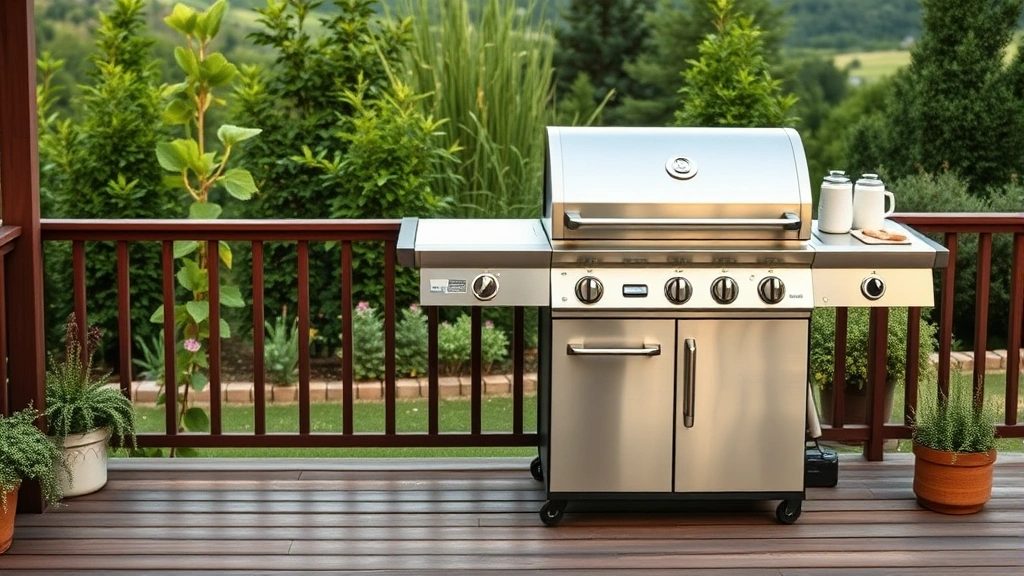
Menards gas grills have earned recognition for their construction quality and performance reliability. These grills typically feature durable stainless steel components, efficient burner systems, and designs that promote even heat distribution. When evaluating the environmental impact of Menards gas grills, several factors deserve consideration.
Gas grills, whether powered by propane or natural gas, offer inherent efficiency advantages over charcoal alternatives. They heat quickly, maintain consistent temperatures with minimal fuel waste, and allow precise control over cooking intensity. This efficiency translates to reduced fuel consumption per cooking session compared to charcoal grills, which require extended preheating and often consume more fuel overall.
The durability of Menards gas grills contributes significantly to their sustainability profile. When outdoor cooking equipment lasts longer, fewer units end up in landfills, and manufacturers produce fewer replacements. The robust construction of these grills means homeowners can enjoy years of reliable service, reducing the environmental cost associated with manufacturing and disposal.
Understanding the differences between liquid propane and natural gas options available with Menards gas grills helps you make informed sustainability decisions. Both fuel types offer advantages, and your choice depends on your specific circumstances and environmental priorities.
Fuel Selection: Making the Right Choice
Choosing between propane and natural gas for your Menards gas grill involves weighing several sustainability factors. When examining propane versus natural gas options, you’ll discover that each fuel type presents distinct environmental considerations.
Natural gas grills offer certain advantages from a sustainability perspective. If your home already has natural gas service, connecting your grill to the existing infrastructure eliminates the need for propane tank refills, reducing transportation emissions and packaging waste. Natural gas burns cleaner than propane, producing fewer emissions per unit of energy. However, natural gas infrastructure requires connection to utility lines, which may not be available in all locations.
Propane grills provide flexibility for homeowners without natural gas access. While propane requires periodic tank refills and transportation, it remains a relatively clean-burning fuel. When selecting propane, consider sourcing from local suppliers to minimize transportation distances. Propane canisters are recyclable and can be refilled multiple times, reducing waste compared to single-use containers.
The efficiency of your fuel consumption matters more than the fuel type itself. Properly maintained grills, appropriate preheating practices, and correct temperature management all contribute to reduced fuel waste. A well-functioning Menards gas grill with proper burner alignment and insulation will consume less fuel regardless of whether you choose propane or natural gas.
For homeowners interested in exploring broader energy alternatives, learning about sustainable energy solutions can provide context for how residential grilling fits into your overall environmental strategy.
Efficiency Tips for Eco-Conscious Grilling
Maximizing the efficiency of your Menards gas grill reduces fuel consumption and environmental impact. Several practical strategies help you grill more sustainably without compromising on food quality or cooking experience.
Preheat Strategically: While preheating ensures proper cooking temperatures, excessive preheating wastes fuel. Preheat your Menards gas grill for just five to ten minutes, which provides sufficient time for burners to reach optimal temperature without unnecessary fuel consumption. Modern grills heat quickly, so extended preheating periods are rarely necessary.
Use Grill Covers and Insulation: Investing in a quality grill cover protects your equipment from weather damage while reducing heat loss during cooking. Some Menards gas grills feature built-in insulation, but additional covers and heat-reflective barriers further improve efficiency by maintaining consistent internal temperatures.
Manage Burner Use: Operating only the burners you need significantly reduces fuel consumption. For smaller meals or side dishes, use a single burner rather than igniting all available burners. Modern Menards gas grills typically feature independent burner controls, allowing precise fuel management.
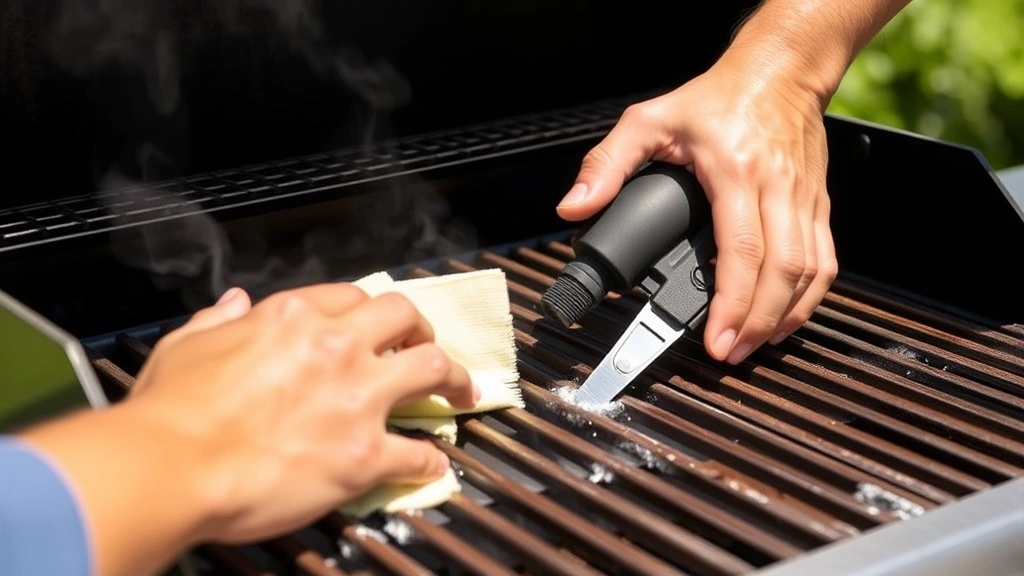
Clean Burners Regularly: Clogged burners reduce efficiency and increase fuel consumption. Regular cleaning ensures even heat distribution and optimal burner performance. Check burners monthly during grilling season and clean away debris, grease buildup, and mineral deposits that impede proper function.
Maintain Proper Grate Positioning: Positioning cooking grates at appropriate distances from heat sources affects cooking efficiency. Closer grates concentrate heat and reduce cooking time, while higher positioning allows longer, slower cooking. Adjust grate height based on your cooking needs to minimize fuel consumption.
Use Grilling Accessories Wisely: Thermometers, heat deflectors, and smoking boxes enhance cooking capabilities while improving efficiency. These accessories help you achieve desired results with minimal adjustments and fuel waste.

Maintenance and Longevity for Reduced Waste
Proper maintenance extends the lifespan of your Menards gas grill, reducing the need for replacement and minimizing waste. A well-maintained grill represents an investment in sustainability.
Seasonal Deep Cleaning: Before and after grilling season, perform thorough cleaning of all grill components. Remove grease, food residue, and mineral buildup from grates, burners, and interior surfaces. This preventive maintenance prevents corrosion and extends equipment longevity.
Component Inspection: Regularly inspect critical components including burners, ignition systems, valves, and seals. Early identification of wear or damage allows for timely repairs before problems worsen. Replacing a faulty seal or spark igniter costs far less than replacing an entire grill.
Rust Prevention: Stainless steel components resist rust, but regular maintenance prevents oxidation and surface degradation. Apply protective oils to metal surfaces and keep your grill covered during off-season months. Rust prevention ensures your Menards gas grill remains functional for decades.
Propane Tank Care: If using propane, maintain tank regulators and connections properly. Inspect hoses for cracks or deterioration and replace as needed. Proper tank maintenance prevents gas leaks and ensures safe, efficient operation.
Professional Service: Annual professional inspections catch potential issues early. Technicians can verify burner performance, check for gas leaks, and ensure all safety systems function correctly. This proactive approach prevents emergency repairs and extends grill lifespan significantly.
When maintenance needs exceed your capabilities, seeking professional service demonstrates commitment to your equipment’s longevity and your family’s safety. Quality Menards gas grills warrant this investment in proper care.
Complementary Sustainable Cooking Methods
While gas grilling offers efficiency advantages, incorporating complementary cooking methods further reduces your overall environmental impact. A diversified approach to outdoor cooking aligns with sustainability principles.
Wood-Fired Cooking: For occasional use, wood-fired grills or fire pits provide sustainable alternatives when using locally sourced, sustainably harvested wood. While less convenient than gas, wood-fired cooking adds authentic flavor and creates memorable experiences. The key is using these methods occasionally rather than as primary cooking methods.
Solar Cooking: Solar cookers harness renewable energy, eliminating fuel consumption entirely. While solar cooking requires planning around weather and daylight hours, it represents a zero-emission cooking method perfect for certain meals and conditions.
Indoor Electric Cooking: When outdoor conditions prevent grilling, electric cooking methods provide sustainable alternatives. Understanding advantages of electric solutions extends beyond vehicles to household appliances, including cooking equipment powered by renewable energy sources.
Hybrid Cooking Approaches: Combining gas grilling with vegetable steaming, boiling, or other cooking methods within a single meal reduces overall cooking time and fuel consumption. Planning menus that coordinate cooking methods maximizes efficiency.
Sourcing Sustainable Ingredients
Sustainable grilling extends beyond equipment and fuel to the food you prepare. Sourcing ingredients responsibly ensures your entire grilling experience aligns with environmental values.
Local Sourcing: Purchasing meat, vegetables, and other ingredients from local farmers and suppliers reduces transportation distances and supports community agriculture. Farmers markets and community-supported agriculture (CSA) programs provide access to locally grown produce and sustainably raised meat.
Sustainable Protein Choices: Select proteins from sources practicing sustainable farming and fishing methods. Look for certifications from organizations like the Monterey Bay Aquarium’s Seafood Watch, which provides guidance on sustainable seafood choices. For beef and poultry, seek grass-fed and pasture-raised options from responsible producers.
Seasonal Cooking: Grilling seasonal produce reduces the environmental cost of transportation and storage. Seasonal ingredients typically taste better, cost less, and require fewer resources to bring to your table.
Minimal Packaging: Choose bulk ingredients and those with minimal packaging to reduce waste. Bring reusable containers when shopping at farmers markets and bulk stores. This conscious approach to shopping reduces landfill waste and minimizes your grilling’s environmental footprint.
Plant-Based Options: Incorporating vegetable-based grilling expands your culinary options while reducing the environmental impact of meat production. Grilled vegetables, plant-based proteins, and meat alternatives provide satisfying meals with significantly lower environmental costs.
Exploring green technology innovations in food production and supply chains reveals how sustainable grilling connects to broader agricultural transformation. Supporting producers who adopt these innovations amplifies your positive impact.
For more comprehensive information about sustainable living practices, visit the SustainWise Hub Blog, which covers diverse environmental topics and actionable sustainability strategies.
FAQ
Are Menards gas grills environmentally friendly?
Menards gas grills offer environmental advantages through efficient fuel consumption, durable construction that extends product lifespan, and lower emissions compared to charcoal alternatives. Their efficiency reduces fuel waste, and their durability minimizes the environmental cost of manufacturing replacements. When properly maintained and used with sustainable practices, these grills support eco-conscious outdoor cooking.
Should I choose propane or natural gas for my grill?
Natural gas offers advantages if your home has existing gas service, as it eliminates transportation emissions and refill waste. Propane provides flexibility for homes without gas infrastructure and remains relatively clean-burning. The most sustainable choice depends on your specific situation. Both fuels can be used efficiently when your grill is properly maintained and operated mindfully.
How often should I perform maintenance on my Menards gas grill?
Perform basic cleaning after each use, monthly deep cleaning during grilling season, and comprehensive seasonal maintenance before and after the season. Annual professional inspections help identify potential issues early. This maintenance schedule extends your grill’s lifespan significantly, reducing waste and environmental impact.
What’s the most sustainable way to source grilling ingredients?
Purchase from local farmers markets, community-supported agriculture programs, and suppliers practicing sustainable farming and fishing methods. Choose seasonal produce, grass-fed meat, and sustainably caught seafood. Look for certifications verifying sustainable practices, and minimize packaging by using reusable containers.
Can I make my existing Menards gas grill more sustainable?
Yes. Implement efficiency practices like strategic preheating, using only necessary burners, and maintaining clean burners. Invest in quality covers and insulation. Perform regular maintenance to extend grill lifespan. Pair your grill with sustainable ingredient sourcing and complementary cooking methods. These changes significantly reduce your grilling’s environmental impact.
What’s the environmental impact of propane refills?
Propane refills generate transportation emissions, though this impact is minimized when using local suppliers. Propane canisters are recyclable and can be refilled multiple times, reducing waste compared to single-use containers. Choosing refillable propane systems rather than disposable canisters further reduces environmental impact.


