Is MIG Welding Eco-Friendly? Expert Insights on Metal Inert Gas Welding Sustainability
Metal inert gas (MIG) welding has become one of the most widely used welding processes in manufacturing, construction, and fabrication industries worldwide. However, as environmental consciousness grows across all sectors, manufacturers and professionals are increasingly asking whether this popular welding technique aligns with sustainability goals. The answer is nuanced—MIG welding presents both environmental challenges and opportunities for improvement, depending on how it’s implemented and what measures are taken to minimize its ecological impact.
This comprehensive guide explores the environmental footprint of MIG welding, examines its sustainability credentials, and provides actionable insights for businesses looking to make their welding operations more eco-friendly. Whether you’re an industrial facility manager, a welding shop owner, or simply curious about manufacturing sustainability, understanding the ecological implications of metal inert gas welding is essential in today’s climate-conscious world.
Understanding MIG Welding and Its Environmental Impact
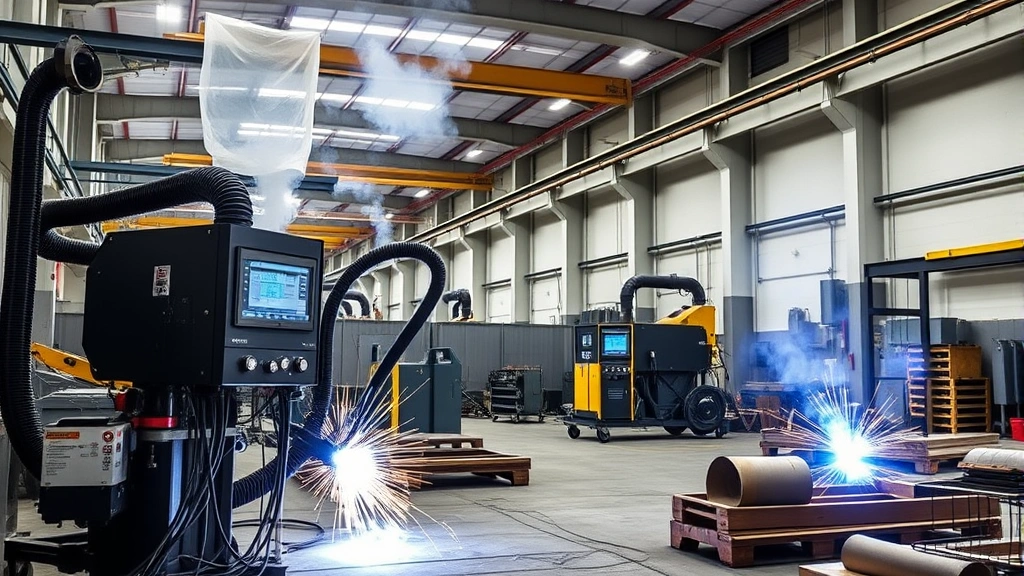
Metal inert gas welding, also known as gas metal arc welding (GMAW), is a semi-automatic process that uses a continuously fed wire electrode, shielding gas, and an electric arc to join metals. The process is favored for its speed, ease of use, and ability to produce strong, clean welds across various metal types. However, the environmental impact of MIG welding extends beyond the immediate welding process itself, encompassing energy use, gas consumption, fume emissions, and waste generation.
The sustainability of MIG welding depends on multiple factors: the source of electrical power, the type and efficiency of shielding gases used, the management of spatter and waste materials, and the overall operational practices within a facility. Unlike some manufacturing processes with straightforward environmental profiles, MIG welding’s eco-friendliness exists on a spectrum. A facility powered by renewable energy and employing best practices can achieve significantly lower environmental impact than one relying on fossil fuels and lacking proper waste management systems.
Understanding these nuances is crucial for anyone involved in manufacturing or considering sustainable energy solutions for their operations. The environmental cost of metal inert gas welding isn’t inherent to the process itself but rather determined by how responsibly it’s conducted and what supporting infrastructure is in place.
Energy Consumption in Metal Inert Gas Welding Operations
One of the most significant environmental considerations for MIG welding is its substantial energy consumption. The process requires continuous electrical power to maintain the arc, with typical welding machines drawing between 30 and 500 amps depending on the application. This high amperage translates to considerable electricity usage, particularly in high-volume manufacturing environments where welding equipment operates continuously.
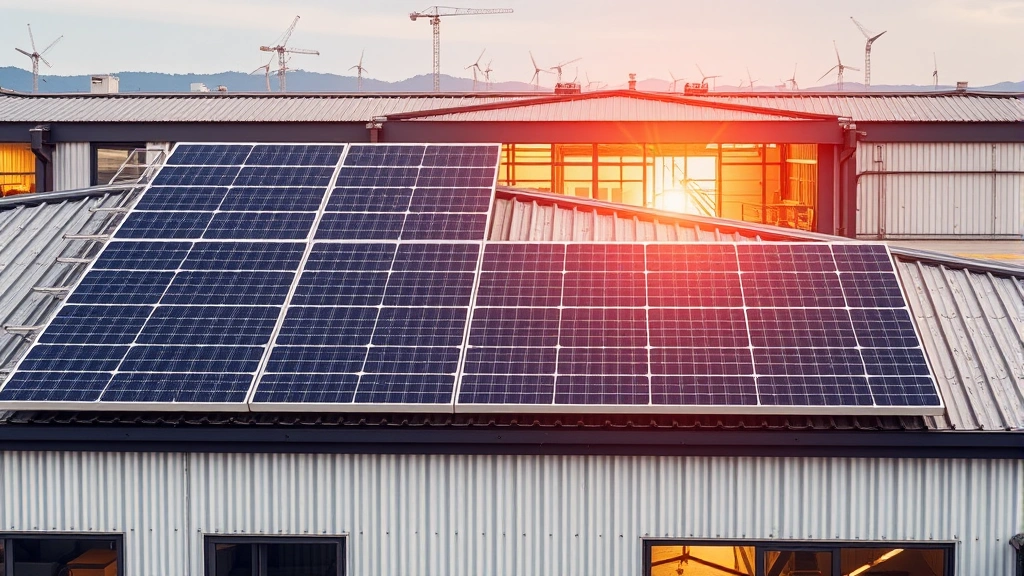
The environmental impact of this energy consumption hinges critically on the source of the electricity. Facilities powered by green technology innovations transforming our future and renewable energy sources can dramatically reduce the carbon footprint associated with MIG welding. Conversely, operations dependent on fossil fuel-generated electricity contribute significantly to greenhouse gas emissions. Studies indicate that the electricity used in welding operations can account for 20-40% of a manufacturing facility’s total energy consumption.
Modern efficiency improvements have helped reduce energy waste in MIG welding. Inverter-based power sources, for example, offer better energy conversion efficiency compared to traditional transformer-based machines, potentially reducing energy consumption by 10-20%. Facilities can further optimize their operations by:
- Scheduling welding operations during peak renewable energy generation periods when possible, to align with cleaner power sources
- Investing in high-efficiency welding equipment with advanced power management features
- Implementing preventive maintenance programs to ensure welding machines operate at peak efficiency
- Training operators in energy-conscious welding techniques that minimize arc time and rework
- Installing energy monitoring systems to track consumption and identify optimization opportunities
Gas Emissions and Air Quality Concerns
The shielding gases used in MIG welding present a complex environmental picture. Argon, the primary shielding gas, is an inert, non-toxic noble gas extracted from the atmosphere through cryogenic separation. While argon itself is environmentally benign, its production and distribution require energy-intensive processes. Additionally, argon is a non-renewable resource, though it’s abundantly available in Earth’s atmosphere.
More concerning are the welding fumes produced during the process. MIG welding generates metal-rich fumes containing iron oxides, manganese compounds, and other particulates that pose both occupational health risks and environmental concerns. These fumes must be captured and filtered to prevent air quality degradation in and around the facility. The disposal of welding fume filters and cartridges represents an additional waste stream requiring proper environmental management.
The composition and quantity of fumes depend on several factors: the base metal being welded, the filler wire composition, the shielding gas mixture, and the welding parameters employed. Facilities committed to environmental responsibility and worker safety invest in robust fume extraction systems, which themselves consume energy but are essential for protecting both indoor air quality and the broader environment.
Reducing gas emissions involves:
- Implementing high-efficiency fume extraction systems with proper filtration and disposal protocols
- Optimizing gas mixtures to reduce fume generation while maintaining weld quality
- Using low-spatter welding techniques that inherently produce fewer fumes
- Maintaining proper ventilation in welding areas to prevent fume accumulation
- Regularly replacing and properly disposing of fume filters according to environmental regulations
Material Waste and Scrap Management
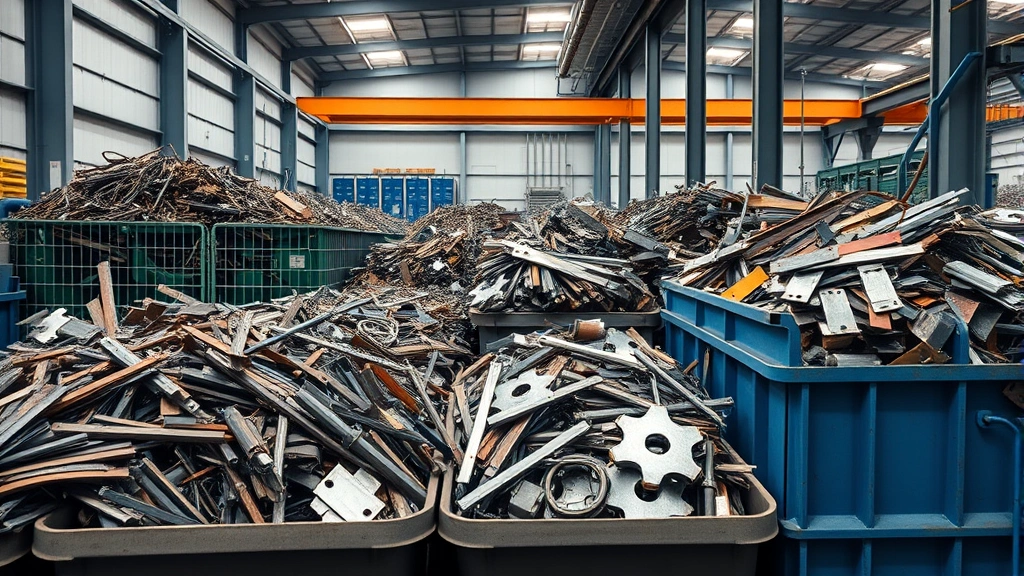
MIG welding generates various waste streams that impact environmental sustainability. Spatter—small droplets of molten metal that scatter during welding—represents wasted material and requires cleanup. Wire stubs, the remnants of filler wire that cannot be fed through the gun, accumulate as metal scrap. Additionally, rejected welds due to quality issues result in scrapped parts that may end up in landfills rather than recycled.
The environmental impact of this waste depends primarily on how it’s managed. Many facilities have established relationships with metal recycling companies, ensuring that ferrous and non-ferrous scrap metal returns to the material supply chain rather than entering waste streams. This circular approach significantly reduces the environmental cost of MIG welding operations. However, facilities lacking proper scrap management practices contribute unnecessarily to landfill waste and resource depletion.
To minimize material waste and improve environmental performance:
- Implement lean manufacturing principles to reduce defects and rework requirements
- Establish comprehensive scrap metal recycling programs with certified recyclers
- Optimize welding parameters and operator training to minimize spatter generation
- Use advanced welding techniques that improve first-pass weld acceptance rates
- Track and measure waste streams to identify reduction opportunities
Comparing MIG to Alternative Welding Methods
To properly assess whether MIG welding is eco-friendly, it’s valuable to compare its environmental impact with alternative welding processes. TIG (tungsten inert gas) welding, stick welding, and flux-cored arc welding (FCAW) each present different sustainability profiles.
TIG Welding typically produces cleaner welds with minimal spatter, potentially reducing waste. However, it’s slower than MIG welding and consumes more shielding gas, which may offset its waste reduction benefits. The choice between TIG and MIG should consider the specific application and facility conditions.
Stick Welding requires electrode replacement and generates slag that must be disposed of, creating additional waste streams. It’s generally considered less environmentally efficient than MIG for most modern applications, though it remains valuable for field work and specific applications.
Flux-Cored Arc Welding (FCAW) can achieve high productivity similar to MIG but generates slag and potentially more fumes depending on the flux type used. Self-shielded FCAW eliminates gas consumption but produces more fumes than gas-shielded variants.
When considering advantages of electric vehicles and other sustainable technologies, the manufacturing processes supporting these industries matter significantly. MIG welding’s role in manufacturing electric vehicle components makes its optimization crucial for overall sustainability goals. The reality is that no single welding process is universally superior environmentally; rather, the most sustainable choice depends on the specific application, facility infrastructure, and commitment to best practices.
Strategies for Greener MIG Welding Practices
Organizations committed to making their MIG welding operations more environmentally responsible can implement numerous practical strategies. These approaches range from equipment upgrades to operational changes and require varying levels of investment.
Power Source Optimization
Upgrading to inverter-based welding power sources represents one of the most impactful efficiency improvements. These modern machines convert electrical power more efficiently than traditional rectifier units, reducing energy consumption while improving weld quality. Additionally, investing in equipment with advanced features like pulse welding capabilities can reduce spatter and fume generation while maintaining productivity.
Renewable Energy Integration
Facilities with the capability should explore renewable energy options for powering welding operations. Solar panels, wind power, or purchasing renewable energy credits can significantly reduce the carbon footprint of metal inert gas welding. This aligns with broader sustainability strategies discussed in our guide on how to reduce your environmental footprint and demonstrates commitment to climate responsibility.
Fume Extraction and Air Quality Management
Implementing or upgrading fume extraction systems is essential for both environmental and occupational health. Modern systems with high-efficiency particulate air (HEPA) filtration can capture over 99.9% of welding fumes. Proper maintenance and filter replacement ensure sustained performance and prevent environmental release of particulates.
Operator Training and Technique Optimization
Well-trained operators who understand proper welding techniques generate significantly less spatter and produce higher-quality welds with fewer defects requiring rework. Investing in comprehensive operator certification programs and continuing education yields both environmental and productivity benefits. Techniques like using appropriate wire feed speeds, maintaining correct travel speeds, and optimizing shielding gas coverage all contribute to reduced waste and emissions.
Waste Management and Recycling Programs
Establishing partnerships with certified metal recyclers ensures that all ferrous and non-ferrous scrap metal returns to productive use. This transforms what might otherwise be waste into valuable resources, embodying the principles of the circular economy. Facilities should track waste streams, measure recycling rates, and continuously seek improvement.
Industry Standards and Certifications
Several industry standards and certifications address environmental responsibility in welding operations. Understanding these frameworks helps facilities benchmark their practices and demonstrate commitment to sustainability.
ISO 14001 Environmental Management
This international standard provides a framework for developing and implementing environmental management systems. Welding facilities pursuing ISO 14001 certification must establish policies and procedures addressing environmental impacts, including those from MIG welding operations. Certification demonstrates a systematic approach to environmental responsibility.
American Welding Society (AWS) Standards
The American Welding Society establishes technical standards for welding processes and personnel qualifications. While not exclusively focused on environmental concerns, AWS standards ensure quality and consistency that reduces defects and waste. The organization also addresses safety and health considerations related to welding fumes and emissions.
EPA Regulations and Compliance
The U.S. Environmental Protection Agency establishes regulations for air emissions from welding operations, including standards for particulate matter and hazardous air pollutants. Facilities must comply with these regulations, which drive investment in proper fume control and emission reduction technologies. Understanding and exceeding EPA requirements demonstrates environmental leadership.
Green Manufacturing Certifications
Various organizations offer green manufacturing certifications recognizing facilities that implement sustainable practices. These may include criteria specific to welding operations, such as energy efficiency, waste reduction, and emission control. Pursuing such certifications signals commitment to definition of sustainability principles and can enhance market positioning.
The ISO 50001 Energy Management Standard specifically addresses energy efficiency and can be particularly relevant for facilities seeking to optimize the energy consumption of their welding operations. Implementation requires systematic monitoring and continuous improvement of energy performance.
For facilities interested in broader sustainability initiatives, exploring resources like the EPA’s Sustainability page provides comprehensive guidance on environmental responsibility across all business operations.
FAQ
Is MIG welding inherently eco-friendly?
MIG welding itself is neither inherently eco-friendly nor harmful; its environmental impact depends on how it’s conducted. Facilities using renewable energy, modern efficient equipment, proper fume extraction, and comprehensive waste management can achieve sustainable operations. Conversely, poorly managed facilities contribute significantly to environmental degradation. The sustainability of metal inert gas welding is determined by operational practices and supporting infrastructure.
What is the most environmentally friendly shielding gas for MIG welding?
Argon remains the most common and environmentally acceptable shielding gas for MIG welding. It’s inert, non-toxic, and abundantly available from atmospheric air. Argon-carbon dioxide mixtures improve penetration for steel welding but increase fume generation. Argon-helium blends are used for aluminum but consume more gas. The choice should balance weld quality requirements with fume production and gas consumption.
How much energy does a typical MIG welding operation consume?
Energy consumption varies widely based on duty cycle, amperage requirements, and equipment efficiency. A typical shop with multiple welding stations might consume 15-30 kilowatts continuously during operation. Annual electricity consumption for a mid-sized welding facility could exceed 100,000 kilowatt-hours, representing significant operational costs and environmental impact. Modern inverter-based equipment can reduce this consumption by 10-20% compared to older transformer-based machines.
Can MIG welding waste be recycled?
Yes, the primary waste streams from MIG welding—scrap metal, wire stubs, and spatter—are highly recyclable. Ferrous metals can be recycled indefinitely without quality degradation. Establishing relationships with certified metal recyclers ensures proper handling and reuse of these materials. Wire stubs and small metal particles should be collected separately and sent to appropriate recycling facilities rather than disposed of as general waste.
What fume extraction system should a welding shop invest in?
The appropriate fume extraction system depends on facility size, welding volume, and local regulations. Options include portable fume extractors for small operations, ducted systems for dedicated welding areas, or source capture systems integrated with welding guns. Modern systems should include HEPA filtration, proper ductwork sizing, and regular maintenance protocols. Consulting with environmental and safety professionals helps determine the most effective solution for specific circumstances.
How does MIG welding compare environmentally to other processes?
MIG welding generally offers better environmental performance than stick welding due to lower spatter and slag generation. Compared to TIG welding, MIG is faster and uses less gas, though TIG produces cleaner welds requiring less cleanup. FCAW offers similar speed to MIG but generates slag and potentially more fumes. The most sustainable choice depends on specific applications, facility infrastructure, and commitment to best practices rather than process selection alone.
Are there certifications for sustainable welding practices?
Yes, several frameworks address environmental responsibility in welding. ISO 14001 provides environmental management system certification, ISO 50001 focuses on energy efficiency, and various industry-specific green certifications recognize sustainable practices. The American Welding Society establishes technical standards ensuring quality and consistency. Pursuing these certifications demonstrates commitment to environmental responsibility and can improve facility operations and market positioning.


