Eco-Friendly Mini Bike Tanks: A Comprehensive Review
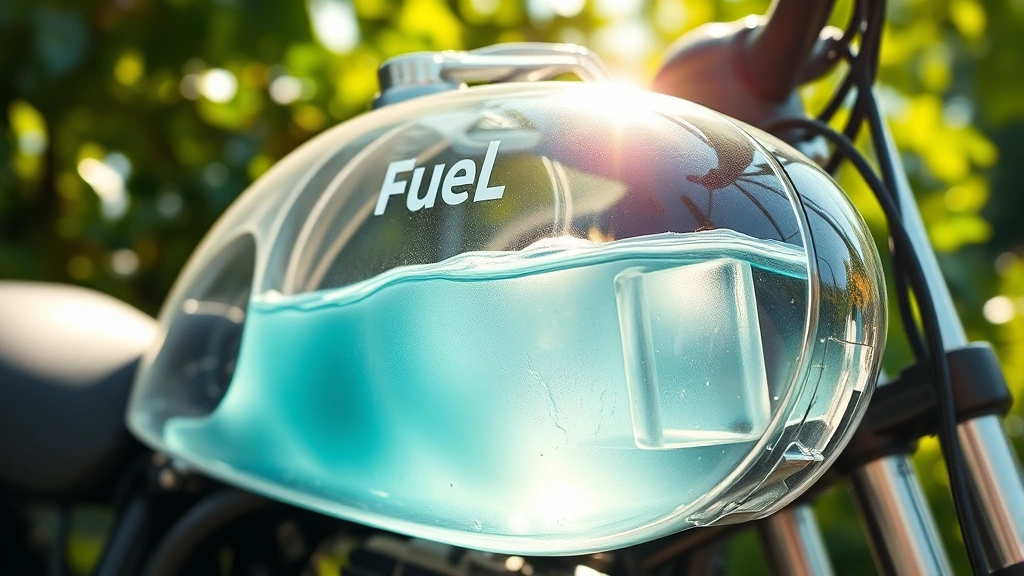
Mini bikes have experienced a remarkable resurgence in popularity, from recreational enthusiasts to urban commuters seeking alternative transportation solutions. At the heart of these compact machines lies a critical component often overlooked: the mini bike gas tank. Understanding how to select, maintain, and optimize eco-friendly mini bike tanks is essential for reducing environmental impact while maximizing performance and longevity. This comprehensive guide explores the intersection of miniature two-wheeled vehicles and sustainable practices.
The environmental footprint of mini bikes extends far beyond their diminutive size. While these vehicles consume significantly less fuel than full-sized motorcycles or automobiles, the type of tank you choose, its materials, and maintenance practices directly influence emissions, efficiency, and overall ecological responsibility. Whether you’re a weekend rider or daily commuter, making informed decisions about your mini bike gas tank contributes to broader sustainability goals while ensuring reliable performance.
Understanding Mini Bike Gas Tanks and Environmental Impact
Mini bikes, typically ranging from 40cc to 125cc engines, represent an often-underestimated sustainable transportation option. The mini bike gas tank serves as the fuel storage system, directly affecting how efficiently these machines operate. Standard tanks range from 1 to 3 gallons, making them ideal for short-distance commuting and recreational riding. The environmental benefits become apparent when comparing fuel consumption: a mini bike consuming 100+ miles per gallon drastically reduces carbon emissions compared to traditional vehicles.
The relationship between tank design and environmental performance cannot be overstated. Tanks constructed with precision engineering minimize fuel evaporation losses, a significant contributor to volatile organic compound (VOC) emissions. Modern mini bike gas tank designs incorporate advanced sealing mechanisms and ventilation systems that reduce these invisible pollutants. Additionally, proper tank capacity prevents overfilling—a common practice that leads to fuel spillage and environmental contamination.
When considering sustainable energy solutions, mini bikes represent a practical middle ground between personal motorized transportation and zero-emission alternatives. They consume approximately 70-80% less fuel than standard motorcycles while maintaining comparable utility for urban navigation and recreational activities.
Materials and Manufacturing: Sustainable Choices
The material composition of your mini bike gas tank significantly impacts both durability and environmental footprint. Historically, steel tanks dominated the market, offering strength but susceptibility to rust and corrosion. Modern eco-conscious manufacturers increasingly utilize advanced materials that balance performance with sustainability.
Polyethylene plastic tanks represent the contemporary standard for many mini bike manufacturers. These synthetic tanks offer several environmental advantages: they’re lighter than steel (improving fuel efficiency), resistant to corrosion, and increasingly manufactured from recycled materials. Progressive manufacturers source post-consumer recycled plastics, creating a circular economy model where old tanks become new ones. This approach significantly reduces the energy required for production compared to virgin plastic manufacturing.
Aluminum tanks occupy a middle ground, offering excellent durability, lightweight properties, and superior recyclability. Aluminum maintains 95% of its value through recycling cycles, making end-of-life tank disposal environmentally responsible. The initial manufacturing process requires more energy than plastic but is offset by longevity and recyclability advantages. When evaluating a mini bike gas tank, inquire about material sourcing and the manufacturer’s recycling programs.
Sustainable manufacturing practices extend beyond material selection. Leading eco-conscious brands implement water-based coating processes instead of solvent-based finishes, reducing volatile organic compound emissions during production. These companies often maintain ISO 14001 environmental management certifications, demonstrating commitment to minimizing manufacturing impacts throughout their supply chains.
The coating and lining inside tanks deserve particular attention. Ethanol-blended gasoline (E10, E15) requires compatible internal linings to prevent degradation and fuel contamination. Environmentally responsible manufacturers use non-toxic, durable lining materials that maintain fuel integrity while avoiding harmful chemical leaching. This becomes increasingly important as biofuel adoption grows—understanding your tank’s compatibility with renewable fuel options positions you to embrace cleaner alternatives.
Tank Capacity and Fuel Efficiency Optimization
Selecting appropriate tank capacity for your mini bike directly influences environmental impact through weight distribution and fuel consumption patterns. Oversized tanks add unnecessary weight, reducing fuel efficiency and increasing emissions per mile traveled. Conversely, undersized tanks necessitate frequent refueling, consuming time and potentially encouraging less efficient driving patterns as riders rush to reach fuel sources.
Most mini bikes operate optimally with tanks in the 1.5 to 2.5-gallon range, providing 80-150 miles of range depending on engine efficiency and riding conditions. This capacity minimizes weight while preventing range anxiety that might encourage unsafe riding practices. When choosing your mini bike gas tank, calculate your typical riding distances and select capacity accordingly—avoiding excess while ensuring practical range.
Fuel efficiency optimization extends beyond tank selection to system integration. Modern mini bike tanks feature integrated fuel gauge systems that prevent overfilling and help riders monitor consumption patterns. Data-conscious riders can track their fuel economy, identifying riding techniques and maintenance practices that maximize efficiency. This awareness translates to reduced consumption and lower emissions over time.
The position and design of fuel inlets and outlets significantly affect engine performance and emissions. Tanks with gravity-feed systems (carburetor-fed) operate differently than fuel-injected systems, requiring different design considerations. Fuel-injected mini bikes, while initially more complex, often achieve superior fuel economy and reduced emissions. If upgrading your mini bike gas tank, ensure compatibility with your engine’s fuel delivery system to maintain optimal performance.
Eco-Friendly Fuel Options for Mini Bikes
The type of fuel you use in your mini bike gas tank profoundly influences environmental impact. Conventional gasoline produces significant carbon emissions and relies on finite fossil fuel resources. Fortunately, emerging fuel alternatives offer sustainable options for responsible riders.
Ethanol-blended gasoline (E10—10% ethanol, 90% gasoline) has become standard in many regions and offers modest environmental benefits. Ethanol, derived from renewable agricultural sources, reduces net carbon emissions compared to pure petroleum. Most modern mini bikes operate effectively on E10 fuel, though tank compatibility requires verification. Higher ethanol blends (E15, E85) demand specific engine modifications and tank materials but provide substantially greater emissions reductions. Before switching to higher ethanol blends, confirm your mini bike’s compatibility and your tank’s ethanol-resistant construction.
Biodiesel represents another renewable option for diesel-compatible mini bikes, though gasoline-powered models dominate the market. Biodiesel reduces lifecycle carbon emissions by up to 80% compared to petroleum diesel while supporting agricultural economies. If your mini bike uses diesel, investigate biodiesel compatibility—many modern tanks and engines support B20 blends (20% biodiesel) without modification.
The future of mini bike fuel involves synthetic and sustainable aviation fuel (SAF) derivatives. These laboratory-produced fuels match conventional gasoline’s energy density while reducing carbon footprint by 50-80% depending on production methodology. As these alternatives become commercially available and economically competitive, they’ll revolutionize mini bike sustainability. Staying informed about fuel innovations positions you to adopt cleaner options as they emerge.
Proper fuel storage in your mini bike gas tank preserves fuel quality and prevents degradation. Fuel oxidizes over time, particularly ethanol blends, reducing combustion efficiency and increasing emissions. Use fuel stabilizers during extended storage periods, and consider fuel rotation—using older fuel first—to maintain freshness. These practices seem minor but collectively reduce environmental impact through improved combustion efficiency.
Maintenance Practices for Longevity
Tank longevity directly correlates with environmental responsibility. A well-maintained mini bike gas tank lasts decades, avoiding the energy-intensive manufacturing process required for replacement. Regular maintenance prevents leaks that contaminate soil and groundwater while ensuring efficient fuel delivery that minimizes emissions.
Interior tank cleaning represents a critical maintenance task often neglected by casual riders. Fuel deposits, water accumulation, and sediment reduce combustion efficiency and force engines to work harder, increasing emissions. Annually drain your tank and inspect for debris. For significant contamination, consider professional tank cleaning services that safely remove deposits without introducing harmful chemicals into the environment.
External tank inspection should occur monthly, checking for rust, corrosion, dents, and potential fuel leaks. Address rust immediately using non-toxic rust removers and protective coatings. Small leaks demand prompt attention—fuel leaks represent both safety hazards and environmental contamination. A single gallon of gasoline can contaminate up to one million gallons of groundwater, making leak prevention paramount. Replace damaged tanks rather than attempting risky repairs that might fail unexpectedly.
Fuel cap seals deserve attention often overlooked by riders. Cracked or degraded seals allow fuel evaporation and permit water intrusion. Replacement fuel caps cost under $10 and prevent far more expensive problems. This simple maintenance task reduces evaporative emissions while protecting your engine from water contamination that reduces efficiency.
When considering upgrades or modifications to your mini bike, explore how changes affect mini bike gas tank performance and environmental impact. Aftermarket exhaust systems, carburetor modifications, and engine tuning should ideally improve fuel economy and reduce emissions. Conversely, modifications that increase power output without efficiency gains increase environmental burden. Prioritize upgrades offering documented emissions reductions and fuel economy improvements.
Comparing Top Eco-Conscious Tank Brands
Several manufacturers have emerged as leaders in sustainable mini bike gas tank production, combining performance with environmental responsibility. These brands prioritize material sourcing, manufacturing practices, and lifecycle considerations.
Premium manufacturers typically utilize recycled aluminum or advanced polymer composites, reducing production energy requirements by 30-40% compared to virgin material alternatives. These companies publish environmental impact reports detailing carbon footprint, water usage, and waste reduction initiatives. Brands holding ISO 14001 certification demonstrate third-party verification of environmental management practices.
When evaluating tank brands, research their fuel system compatibility specifications. Brands offering tanks compatible with multiple fuel types (conventional gasoline, ethanol blends, and future sustainable alternatives) provide flexibility as fuel markets evolve. This forward-thinking approach aligns with broader advantages of electric vehicles and sustainable transportation—investing in adaptable infrastructure supports long-term sustainability goals.
Customer reviews and longevity data provide insights into real-world environmental performance. Tanks with documented 10+ year lifespans prevent premature replacement, reducing overall environmental burden. Brands offering extended warranties demonstrate confidence in durability and often correlate with superior manufacturing standards.
Supporting local manufacturers, when feasible, reduces transportation emissions inherent in global supply chains. Regional tank manufacturers often maintain shorter production runs and faster inventory turnover, reducing storage-related environmental costs. Additionally, local manufacturers frequently employ sustainable practices aligned with regional environmental regulations.
Installation and Safety Considerations
Proper mini bike gas tank installation ensures safety, efficiency, and environmental protection. Incorrect installation creates leak hazards, reduces fuel delivery efficiency, and potentially damages engine components through fuel starvation.
Installation begins with selecting appropriate mounting hardware. Vibration-damping mounts reduce mechanical stress on tank walls, preventing stress fractures that lead to fuel leaks. Stainless steel hardware resists corrosion, ensuring reliable mounting throughout the tank’s lifespan. Avoid aluminum fasteners in applications where galvanic corrosion might occur between dissimilar metals.
Fuel line routing demands careful attention. Lines should avoid sharp edges, excessive heat sources, and pressure points that might cause abrasion damage. Reinforced rubber fuel lines designed for mini bike applications provide superior durability compared to generic tubing. Proper line securement prevents vibration-induced wear and potential fuel leaks that contaminate the environment.
Ventilation holes in fuel caps require unobstructed operation. Blocked vents create pressure imbalances affecting fuel delivery and potentially causing leaks. Ensure vent holes remain clear, and verify that rain caps don’t impede air circulation. Proper ventilation prevents water intrusion while allowing necessary air exchange.
When transitioning to higher-ethanol fuel blends, verify that all fuel system components—tank, lines, filters, and carburetor seals—maintain compatibility. Ethanol’s solvent properties can degrade incompatible materials, leading to fuel system failure and potential environmental contamination. Professional inspection before switching fuel types prevents costly repairs and environmental damage.
Safety protocols during tank installation protect both personal safety and environmental integrity. Work in well-ventilated areas, avoid open flames or sparks, and use appropriate personal protective equipment. Properly dispose of old fuel according to local hazardous waste regulations—never pour fuel into storm drains or ground soil. EPA guidelines provide detailed information on proper fuel disposal methods.
Advanced Tank Technologies and Future Innovations
The mini bike industry continues evolving, introducing technologies that enhance environmental performance while improving user experience. Understanding emerging innovations helps riders make forward-thinking purchasing decisions that support long-term sustainability.
Smart fuel monitoring systems represent a significant advancement, utilizing sensors to track fuel levels and consumption patterns in real-time. These systems connect to mobile applications, providing riders with detailed analytics about fuel economy, riding efficiency, and maintenance schedules. Data-driven insights encourage conscious riding practices that reduce fuel consumption and emissions. This technology aligns with broader green technology innovations transforming transportation sectors.
Fuel cell technology, while currently impractical for mini bikes due to hydrogen infrastructure limitations, represents long-term potential. Hydrogen-powered mini bikes would produce zero tailpipe emissions, generating only water vapor. As hydrogen production becomes increasingly renewable-energy-dependent, this technology could revolutionize small vehicle transportation. Staying informed about emerging technologies positions you to adopt cleaner alternatives as they become commercially viable.
Hybrid mini bikes combining small gasoline engines with electric motors offer immediate emissions reductions. These systems optimize energy usage, employing electric power during low-speed urban riding while reserving gasoline for highway cruising. The mini bike gas tank in hybrid systems operates less frequently, extending fuel longevity and reducing consumption-related environmental impact. As battery technology improves and costs decline, hybrid mini bikes will likely capture increasing market share.
Lightweight composite tank materials continue advancing, incorporating carbon fiber and advanced polymers that reduce weight while maintaining structural integrity. Lighter tanks improve fuel economy across the board, reducing emissions throughout the vehicle’s lifespan. These materials often utilize renewable sources, such as bio-based polymers derived from agricultural waste, further enhancing environmental credentials.
Tank recycling programs represent another emerging trend where manufacturers accept old tanks for proper recycling or refurbishment. These programs close the loop in material cycles, ensuring that end-of-life tanks become inputs for new production rather than landfill waste. Supporting manufacturers with established recycling programs amplifies your positive environmental impact beyond your individual riding practices.
Cost-Benefit Analysis of Eco-Friendly Tank Selection
Investing in eco-friendly mini bike gas tank solutions requires understanding both upfront costs and long-term financial benefits. While sustainable options sometimes carry premium pricing, lifecycle value often justifies initial expenditure.
Durable tanks manufactured from quality materials cost 20-40% more than budget alternatives but last 2-3 times longer. Over a 15-year ownership period, premium tanks prove economically advantageous despite higher initial investment. Additionally, superior tanks maintain fuel quality more effectively, reducing carburetor fouling and engine maintenance costs—savings that compound over time.
Fuel efficiency improvements resulting from optimal tank selection and maintenance directly translate to reduced fuel expenses. A 10% improvement in fuel economy over 10,000 annual miles saves approximately 100 gallons of gasoline yearly. At current prices, this represents $300-400 in annual savings while reducing carbon emissions by roughly 1,000 pounds annually. These savings alone justify investing in quality tanks and proper maintenance practices.
Environmental cost accounting, while difficult to quantify precisely, demonstrates that eco-friendly choices provide value beyond immediate financial metrics. Reduced fuel consumption prevents extraction of additional fossil fuels, avoiding environmental damage associated with drilling operations. Minimized emissions prevent air quality degradation and associated health costs. While these benefits don’t appear on purchase receipts, they represent genuine value creation.
Insurance considerations occasionally favor well-maintained tanks. Some insurers offer discounts for riders demonstrating environmental consciousness through documented maintenance practices. Inquire with your provider about potential premium reductions for sustainable equipment choices and regular maintenance documentation.
FAQ
What size mini bike gas tank should I choose for commuting?
For daily commuting, a 1.5 to 2-gallon tank provides optimal balance between weight and range. Calculate your typical commute distance and multiply by 1.5 to determine required capacity, ensuring flexibility for occasional longer trips. Oversized tanks unnecessarily increase weight, reducing fuel efficiency.
Can I use ethanol blends in my mini bike?
Most modern mini bikes operate safely on E10 (10% ethanol) fuel. Higher blends (E15, E85) require verification of tank material compatibility and engine specifications. Check your owner’s manual or consult with your manufacturer before switching to higher ethanol concentrations.
How often should I clean my mini bike gas tank?
Inspect your tank quarterly for visible debris or discoloration. Perform internal cleaning annually or whenever fuel appears contaminated. If your mini bike sits unused for extended periods, drain the tank or add fuel stabilizer to prevent degradation and deposit accumulation.
What’s the most environmentally friendly mini bike tank material?
Recycled aluminum offers the best environmental profile, combining durability, lightweight properties, and recyclability. Tanks manufactured from post-consumer recycled plastics also provide strong environmental credentials. Prioritize tanks made from recycled materials or manufacturers with established recycling programs.
How do I prevent fuel evaporation from my tank?
Ensure your fuel cap seals properly and vent holes remain unobstructed. Store your mini bike in shaded areas away from direct sunlight, which accelerates fuel oxidation and evaporation. Use fuel stabilizer during extended storage periods to preserve fuel quality.
Are there biodegradable alternatives to conventional mini bike fuel?
Ethanol-blended gasoline and biodiesel represent current renewable alternatives. Synthetic sustainable fuels derived from agricultural waste or captured carbon show promise for future adoption. Monitor fuel technology developments to adopt cleaner alternatives as they become commercially available.
What should I do if my mini bike tank develops a leak?
Address leaks immediately to prevent environmental contamination and safety hazards. Small pinhole leaks might be temporarily sealed with epoxy tank repair kits, but permanent solutions require professional tank repair or replacement. Never attempt welding repairs on fuel tanks, as this creates serious safety risks.
How does mini bike fuel consumption compare to other vehicles?
Mini bikes achieve 80-150 miles per gallon, dramatically outperforming standard motorcycles (40-60 mpg) and automobiles (20-30 mpg). This exceptional efficiency makes mini bikes among the most environmentally responsible motorized transportation options available.
Can I upgrade my mini bike tank to improve performance?
Aftermarket tanks designed for your specific mini bike model can improve performance and reliability. Ensure upgrades maintain compatibility with your fuel system, provide adequate capacity for your riding style, and utilize durable, sustainable materials.
What certifications should I look for in eco-friendly tank manufacturers?
Prioritize manufacturers holding ISO 14001 environmental management certification, demonstrating third-party verification of sustainability practices. Look for published environmental impact reports and information about material sourcing, recycling programs, and manufacturing emissions reduction initiatives.


