MIRA Gas Mask: Essential for Urban Survival?
Air quality has become one of the most pressing environmental challenges facing modern cities worldwide. With increasing pollution levels, industrial emissions, and climate-related air hazards, many urban residents are turning to personal protective equipment like the MIRA gas mask to safeguard their respiratory health. But is a gas mask truly essential for city living, or is it an overreaction to environmental concerns? This comprehensive guide explores the MIRA gas mask’s role in urban survival, examining when these devices become necessary and how they fit into broader sustainability and personal health strategies.
Understanding the necessity of respiratory protection requires examining current air quality conditions, the sources of urban pollution, and the effectiveness of protective measures. Rather than viewing gas masks as a permanent solution, savvy urban dwellers should consider them as part of a comprehensive approach to reducing environmental exposure and protecting personal wellbeing. The MIRA gas mask represents one tool among many in this toolkit, alongside advocacy for cleaner air policies and systemic environmental improvements.
Understanding Air Quality and Urban Pollution
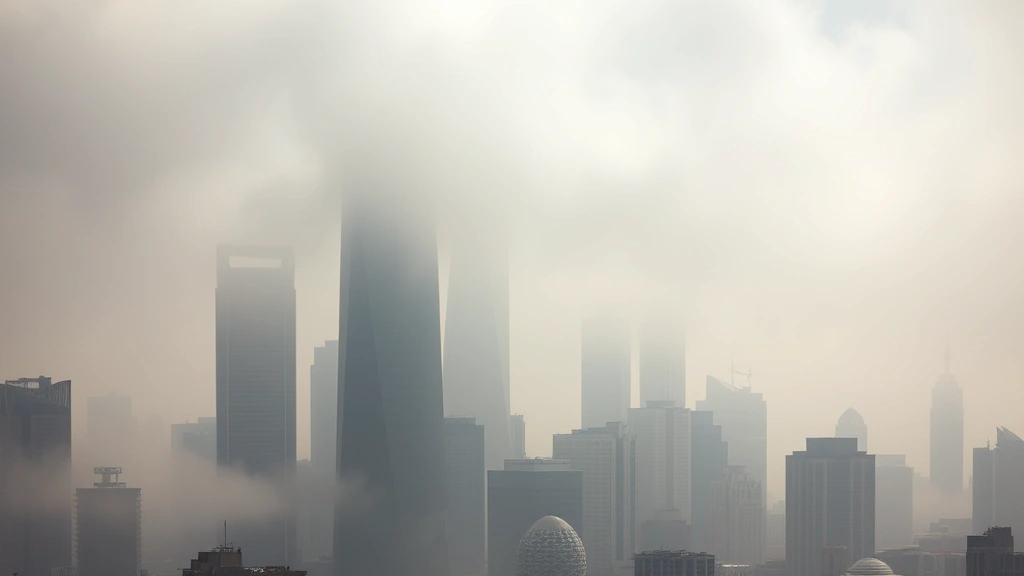
Urban air pollution represents a significant health threat affecting billions of people globally. According to the Environmental Protection Agency (EPA), poor air quality contributes to respiratory diseases, cardiovascular problems, and premature mortality. Major cities worldwide experience days when air quality indexes reach hazardous levels, particularly during wildfire seasons, industrial incidents, or severe weather events that trap pollutants near ground level.
The primary culprits behind urban air pollution include vehicle emissions, industrial facilities, power generation, and residential heating systems. Particulate matter (PM2.5 and PM10), nitrogen dioxide, sulfur dioxide, ozone, and volatile organic compounds create a toxic cocktail that degrades air quality. Climate change exacerbates these problems by creating atmospheric conditions that trap pollutants and increase ground-level ozone formation. Understanding these pollution sources helps determine whether protective equipment like the MIRA gas mask becomes necessary for your specific location.
Different cities experience varying pollution challenges based on geography, climate, and industrial activity. Coastal cities may face sea salt and marine pollution, while inland industrial centers struggle with manufacturing emissions. Mountain valleys can experience severe air stagnation, trapping pollutants for extended periods. Before investing in respiratory protection, it’s essential to check your local air quality data through resources like AirNow.gov, which provides real-time air quality information for most U.S. locations.
What is the MIRA Gas Mask?
The MIRA Safety gas mask represents a modern approach to personal respiratory protection, designed for both emergency preparedness and everyday use in polluted environments. Unlike military-grade gas masks from decades past, contemporary MIRA models combine industrial-grade filtration with user-friendly designs suitable for civilian applications. These masks utilize replaceable cartridge filters that can address various contaminants depending on the specific filter type selected.
MIRA gas masks typically feature a full-face or half-face design with rubber or silicone seals creating an airtight fit against the wearer’s face. The effectiveness of any gas mask depends critically on proper fit—a poorly fitting mask allows contaminated air to bypass filters through gaps around the edges. Most MIRA models include adjustable straps and multiple size options to accommodate different face shapes and sizes. The cartridge systems use activated carbon, HEPA filters, or specialized media to capture different pollutants, from particulates to chemical vapors.
When compared to simple N95 respirators or cloth masks, gas masks like the MIRA provide superior protection because they create a sealed environment and offer more robust filtration media. However, this increased protection comes with trade-offs including higher cost, maintenance requirements, and potential discomfort during extended wear. The decision to purchase a MIRA gas mask should reflect realistic assessment of your actual pollution exposure rather than fear-based purchasing.
When Do You Actually Need a Gas Mask?
Gas masks become genuinely necessary only under specific circumstances when air quality reaches dangerous levels or when exposure to particular hazards is unavoidable. Understanding these scenarios helps distinguish between legitimate protective needs and unnecessary purchases driven by anxiety. Most urban residents will never need to wear a gas mask during normal circumstances, even in cities with persistent air quality challenges.
Legitimate reasons to consider gas mask use include:
- Wildfire smoke events: When air quality indexes exceed 300 (hazardous category), and smoke visibility severely reduces, gas masks with appropriate filters protect against fine particulates
- Industrial incidents: Chemical spills, factory explosions, or transportation accidents releasing toxic substances into the air may necessitate immediate respiratory protection
- Occupational exposure: Workers in construction, manufacturing, chemical handling, or emergency response fields may require gas masks as standard safety equipment
- Severe pollution episodes: In cities like Delhi or Beijing during extreme pollution seasons, vulnerable populations may benefit from respiratory protection
- Emergency preparedness: Keeping a gas mask stored for potential civil unrest, terrorism, or other emergency scenarios provides peace of mind for some households
For most urban residents in developed nations, the realistic probability of needing a gas mask remains quite low. Instead of purchasing expensive protective equipment, focusing on green technology innovations and cleaner energy solutions addresses root causes of air pollution more effectively.
Effectiveness and Filtration Technology
The effectiveness of the MIRA gas mask depends entirely on filter selection and proper usage. Different filter types address different pollutants, and selecting the wrong cartridge provides false security. Understanding filtration technology helps users make informed decisions about whether a gas mask suits their specific pollution concerns.
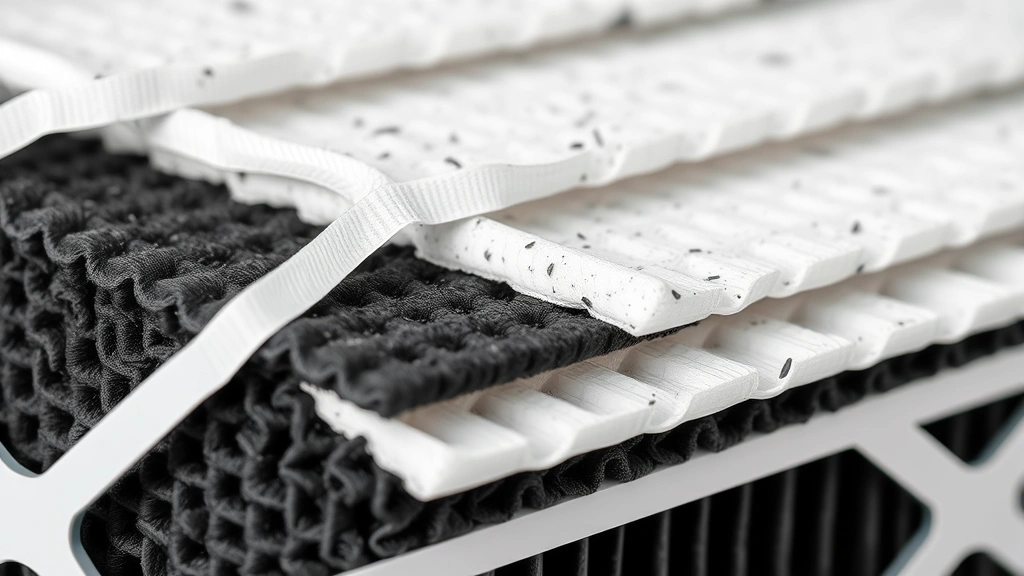
HEPA filters capture particulate matter including dust, pollen, and some biological agents through mechanical filtration. These filters excel at removing PM2.5 and PM10 particles responsible for much urban air pollution. Activated carbon filters absorb volatile organic compounds, odors, and some chemical gases. Combination filters integrate both technologies, addressing multiple pollutant types simultaneously. Specialized filters for specific hazards like ammonia, hydrogen sulfide, or chlorine gas exist for industrial applications but aren’t necessary for general urban pollution protection.
Real-world effectiveness studies show that properly fitted gas masks can reduce inhaled pollutant concentrations by 95-99%, depending on filter type and seal quality. However, this assumes consistent, correct usage—including proper mask fitting, regular filter replacement, and maintaining filter integrity. Many people purchase gas masks but fail to use them correctly, dramatically reducing their protective benefit. The CDC provides detailed guidance on respirator selection and use for various scenarios.
Filter replacement schedules depend on pollution levels and usage duration. In severely polluted conditions with constant mask wearing, filters may require replacement every few weeks. In moderate conditions with occasional use, filters last months or longer. The cost of replacement filters represents an ongoing expense that many potential buyers underestimate when considering gas mask purchases.
Alternatives to Gas Masks for Urban Protection
Before investing in gas masks, consider more practical and cost-effective alternatives that reduce pollution exposure without the discomfort and maintenance requirements of respiratory protection equipment. These alternatives often provide better protection because they address pollution at the source rather than simply filtering inhaled air.
Indoor air filtration represents the most effective personal protection strategy for most urban residents. HEPA air purifiers installed in bedrooms and living spaces can significantly reduce indoor pollution concentrations, providing a clean air refuge during high pollution episodes. Since people spend approximately 90% of their time indoors, improving home air quality yields greater health benefits than occasional outdoor mask wearing. Quality air purifiers cost $200-800 initially but require minimal maintenance beyond periodic filter replacement.
Behavioral modifications offer zero-cost protection options. During high pollution days, reducing outdoor activities, exercising indoors, and keeping windows closed all decrease pollution exposure. Checking daily air quality forecasts allows you to plan activities accordingly, avoiding outdoor exercise during peak pollution hours. Choosing routes with less traffic congestion and spending time in parks rather than near busy roads further reduces exposure.
N95 respirators provide adequate protection for most urban pollution scenarios at a fraction of gas mask costs. While less durable and comfortable than gas masks, properly fitted N95 masks offer substantial protection during high pollution events. They cost $1-3 per mask compared to $50-300+ for gas masks, making them accessible for regular use without significant financial burden.
Advocating for systemic change through supporting sustainable energy solutions and cleaner transportation policies addresses root causes of urban pollution. Supporting politicians and policies promoting electric vehicles, renewable energy, and stricter emissions standards creates lasting improvements benefiting entire communities rather than just protecting individuals.
Long-Term Solutions for Cleaner Cities
Rather than viewing gas masks as essential survival equipment, urban residents should recognize them as temporary measures while pursuing systemic solutions that actually improve air quality for everyone. Cities worldwide have successfully reduced pollution through comprehensive policy approaches combining regulation, technology, and behavioral change.
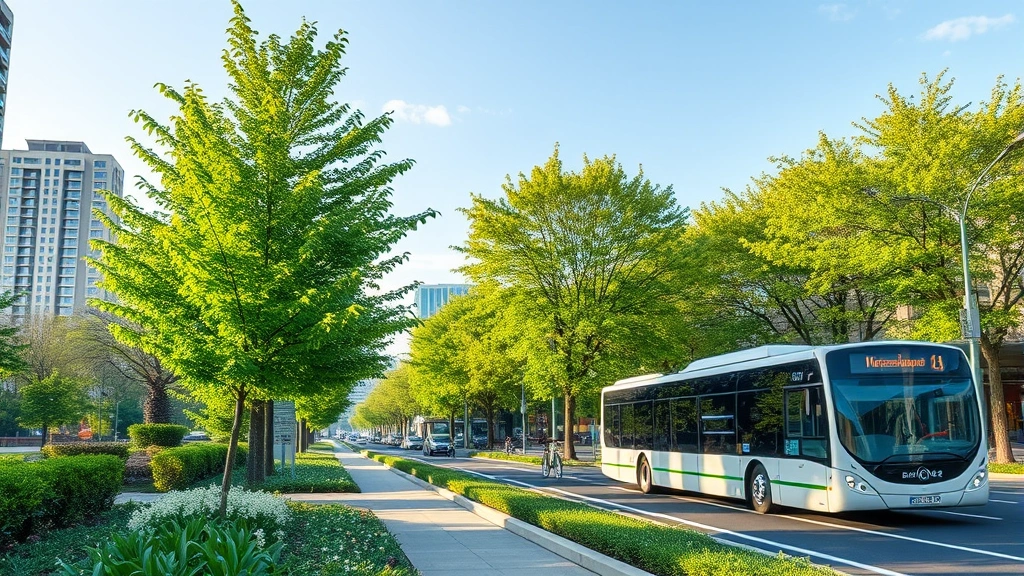
Successful urban air quality improvements typically involve multiple strategies implemented simultaneously. Restricting vehicle access to city centers, promoting public transportation, and incentivizing electric vehicle adoption reduce transportation emissions—the largest pollution source in most cities. Copenhagen, Singapore, and numerous other cities have achieved significant air quality improvements through comprehensive transportation reform.
Industrial emission controls require monitoring, regulation, and enforcement. Upgrading old power plants to renewable energy sources, implementing stricter manufacturing standards, and holding polluters accountable create measurable improvements. The World Wildlife Fund documents successful industrial pollution reduction projects worldwide, demonstrating that change is achievable with political will.
Green building standards and energy efficiency improvements reduce residential and commercial emissions. Transitioning from fossil fuel heating to electric heat pumps, improving insulation, and installing rooftop solar panels collectively reduce urban pollution while lowering energy costs. Cities like Munich and Copenhagen have achieved substantial emissions reductions through building electrification programs.
Urban green space expansion improves air quality naturally while providing multiple co-benefits. Trees and vegetation absorb pollutants, reduce surface temperatures, improve mental health, and enhance biodiversity. Cities investing in parks, street trees, and green roofs see measurable air quality improvements while creating more livable environments.
Practical Considerations for Urban Residents
If you decide to purchase a MIRA gas mask or other respiratory protection equipment, several practical considerations ensure you make a sound investment aligned with your actual needs and circumstances.
First, honestly assess your pollution exposure. Check your city’s air quality data over the past year—how many days exceeded unhealthy levels? What specific pollutants dominate your area? This data determines whether gas mask ownership makes practical sense. If your city experiences only a few poor air days annually, maintaining a supply of N95 masks provides more practical protection than owning a gas mask.
Second, ensure proper fit testing. Gas masks only work if they seal completely against your face. Many retailers offer fit-testing services, helping you select the correct size and confirm seal integrity. Without proper fit, expensive masks provide minimal protection. Facial hair, scars, and other factors can prevent adequate sealing, making masks ineffective regardless of quality.
Third, commit to filter maintenance and replacement. Gas masks require regular inspection, filter changes, and proper storage to remain functional. If you purchase a mask and neglect these responsibilities, you’ve wasted money on equipment that won’t protect you when needed. Calculate ongoing filter costs into your budget—they often exceed initial mask expenses.
Fourth, practice using your mask before emergencies arise. During actual air quality crises, you won’t have time to figure out proper fitting and usage procedures. Regularly putting on and wearing your mask, even for short periods, builds familiarity and confidence. Some masks feel claustrophobic to new users—advance exposure helps you acclimate.
Fifth, combine gas masks with other protection strategies. Even with a gas mask, reducing outdoor time during high pollution, maintaining clean indoor air, and using air purifiers provides superior overall protection compared to relying solely on respiratory equipment. Comprehensive approaches outperform single-solution thinking.
Finally, consider your mask alongside broader sustainability practices and environmental consciousness. Using a gas mask while ignoring your own carbon footprint and consumption habits represents incomplete environmental thinking. Reducing personal emissions through transportation choices, energy conservation, and consumption patterns creates far greater impact than any individual protective equipment.
FAQ
Do I really need a MIRA gas mask for urban living?
For most urban residents in developed nations, a MIRA gas mask isn’t essential for daily survival. However, if you live in a severely polluted city, work in hazardous environments, or want emergency preparedness equipment, owning one provides legitimate protection value. The key is honest assessment of your actual pollution exposure rather than fear-based purchasing.
How long do MIRA gas mask filters last?
Filter lifespan depends on pollution levels and usage frequency. In moderate conditions with occasional use, filters last 2-6 months. In severely polluted conditions with daily use, filters may require replacement every 2-4 weeks. Always follow manufacturer guidelines and replace filters when breathing becomes difficult or you notice odors the filter should eliminate.
Can children wear MIRA gas masks?
MIRA manufactures masks in various sizes including youth models, but proper fit is crucial for protection. Children’s faces change size rapidly, requiring frequent re-fitting. For families with young children, maintaining a supply of properly fitting N95 masks often proves more practical than gas masks.
What’s the difference between N95 masks and gas masks?
N95 respirators filter particulate matter but don’t protect against chemical gases. Gas masks with appropriate cartridges address both particulates and specific chemical hazards. For general urban air pollution, N95 masks provide adequate protection at much lower cost and greater comfort. Gas masks become necessary for chemical-specific hazards.
How do I know if air quality is bad enough to wear a mask?
The EPA’s Air Quality Index (AQI) provides standardized guidance. Unhealthy levels begin at AQI 151+. At this level, vulnerable populations should consider respiratory protection. At AQI 201+ (very unhealthy), the general population should consider masks. Above AQI 301 (hazardous), everyone should take respiratory precautions. Check AirNow.gov for your local AQI.
Are gas masks reusable or disposable?
MIRA gas masks are reusable, with replaceable filter cartridges. The mask housing lasts for years with proper care, while filters require periodic replacement. This contrasts with single-use N95 respirators. Reusable masks prove more economical for frequent use but require maintenance commitment.
How should I store a gas mask for emergency use?
Store masks in cool, dry locations away from direct sunlight, extreme temperatures, and moisture. Sealed containers or bags protect masks from dust and environmental degradation. Check stored masks periodically to ensure seals remain intact and filters haven’t degraded. Replace filters even if unused, as they can deteriorate over time.


