NJ Gas Prices: How to Save? Insider Tips for Smarter Fueling
New Jersey residents face some of the highest gas prices on the East Coast, making fuel costs a significant household expense. Whether you commute daily or occasionally fill up, understanding the factors driving NJ gas prices and implementing practical savings strategies can help you keep more money in your pocket while reducing your carbon footprint. This comprehensive guide reveals insider tips, market insights, and sustainable alternatives that can transform how you approach fueling your vehicle.
Gas prices in New Jersey fluctuate based on crude oil costs, state taxes, refinery capacity, and seasonal demand. The state’s unique fuel blend requirements and transportation logistics contribute to prices that often exceed the national average. However, armed with the right knowledge and strategies, you can significantly reduce what you pay at the pump while making environmentally conscious choices.
Understanding NJ Gas Price Dynamics
New Jersey’s gas prices operate within a complex market influenced by multiple factors. The state’s unique fuel formulation requirements mandate specific blends that differ from neighboring states, limiting supply flexibility and contributing to higher costs. Understanding these dynamics helps you anticipate price fluctuations and plan your fueling accordingly.
The Garden State’s geographic location near major refineries in the Northeast creates competitive pricing dynamics, yet state taxes and environmental regulations add approximately 50-60 cents per gallon to the final price. Crude oil prices, which represent 50-70% of retail gas costs, remain beyond local control but significantly impact what you pay. Seasonal variations also matter—summer driving season typically sees higher prices due to increased demand and more expensive fuel formulations required for warm weather.
According to the U.S. Energy Information Administration, regional supply disruptions, refinery maintenance, and pipeline constraints can cause sudden price spikes. New Jersey’s location in the Northeast Padd (Petroleum Administration for Defense District) means prices correlate with regional supply conditions rather than national averages. Monitoring these trends helps you identify optimal fueling times.
Immediate Money-Saving Strategies
Start saving on gas prices today with these actionable strategies that require minimal lifestyle changes. Timing your fill-ups strategically can yield substantial savings—gas prices typically dip mid-week and during off-peak hours. Research shows prices often drop on Tuesdays and Wednesdays, making these ideal fueling days.
Implement these immediate tactics:
- Use fuel loyalty programs: Major retailers like ShopRite, Costco, and Acme offer rewards that translate to significant discounts. Costco membership holders save approximately 15-25 cents per gallon compared to traditional stations.
- Fill up at warehouse clubs: Costco and Sam’s Club consistently offer the lowest prices in New Jersey, often 20-30 cents cheaper than standard stations. The membership cost pays for itself within weeks for regular drivers.
- Hunt for price variations: Gas prices vary considerably across New Jersey neighborhoods. Using apps to locate cheaper stations can save 10-15 cents per gallon. Compare prices between Jersey City, Newark, and suburban locations where competition differs.
- Avoid premium fuel unnecessarily: Unless your vehicle specifically requires premium (check your owner’s manual), regular unleaded saves money without performance loss. Premium fuel costs 30-50 cents more per gallon with no benefit for most vehicles.
- Fuel before major holidays: Prices spike around Memorial Day, Independence Day, and Labor Day. Fill your tank a few days before these holidays to avoid peak pricing.
Consider using GasBuddy and similar price comparison tools to identify the cheapest stations near your location. These platforms aggregate real-time pricing data, allowing you to plan routes that minimize fuel costs.
Optimize Your Vehicle’s Fuel Efficiency
Maximizing fuel economy represents one of the most effective long-term strategies for reducing gas expenses. A well-maintained vehicle uses less fuel, directly lowering your NJ gas prices burden. Simple maintenance tasks can improve efficiency by 10-20%.
Essential maintenance for fuel efficiency:
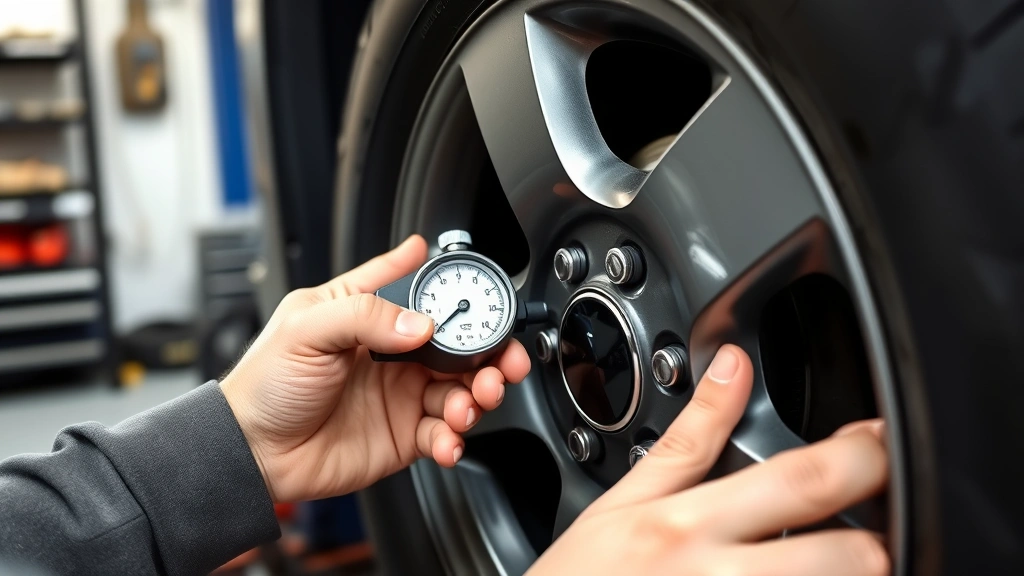
- Maintain proper tire pressure: Underinflated tires increase rolling resistance, reducing fuel economy by up to 3%. Check pressure monthly and inflate to the manufacturer’s recommendation. Consider nitrogen gas tyre filling for improved pressure retention and efficiency gains.
- Replace air filters regularly: Clogged air filters force engines to work harder, consuming more fuel. Replace them every 12,000-15,000 miles or as recommended.
- Use synthetic oil: Synthetic oils reduce engine friction, improving fuel economy by 2-3% compared to conventional oils.
- Maintain proper wheel alignment: Misaligned wheels create drag, reducing efficiency. Professional alignment every 10,000 miles ensures optimal performance.
- Keep your engine tuned: Regular tune-ups, spark plug replacement, and fuel system cleaning optimize combustion efficiency.
Driving habits significantly impact fuel consumption. Aggressive acceleration and hard braking waste fuel—smooth, steady driving improves economy by 15-30%. Avoid idling, which burns fuel without moving. Remove excess weight from your vehicle; every 100 pounds reduces efficiency by approximately 1-2%. Highway driving at consistent speeds (45-55 mph) maximizes efficiency compared to city driving with frequent stops.
Leverage Technology and Apps
Digital tools transform how you manage fuel spending. Smart applications track prices, optimize routes, and identify savings opportunities that manual methods miss.
Essential apps for New Jersey drivers:
- GasBuddy: Real-time price tracking, station reviews, and rewards program integration. The app shows prices within your specified radius, helping identify the cheapest options.
- GetUpside: Cashback rewards on every purchase. Link your credit card and earn rebates directly deposited to your account. New Jersey users consistently save 5-15% on fuel purchases.
- Waze: Route optimization that considers traffic, fuel prices, and toll costs. The app suggests the cheapest route to your destination, balancing time and expenses.
- Shell Rewards and Speedpass+: Brand-specific programs offering discounts and points toward free fuel. Shell’s app integrates with mobile payments for seamless transactions.
- AAA TripTik: Combines route planning with fuel price data, helping members identify affordable fueling stops along their journey.
These technologies work synergistically—combining route optimization with price tracking and cashback programs can reduce effective fuel costs by 20-25%. Set price alerts for your regular fueling station; many apps notify you when prices drop below your target threshold.
Long-Term Solutions and Alternatives
Beyond immediate savings, transforming your transportation approach offers sustainable, long-term benefits. Electric vehicles and hybrid alternatives represent the future of affordable, environmentally responsible transportation in New Jersey.
Electric vehicles (EVs) eliminate gas purchases entirely. New Jersey offers generous EV incentives, including federal tax credits up to $7,500 and state rebates. Charging costs approximately one-third the price of equivalent gasoline, and many workplaces and public locations offer free charging. The state’s Board of Public Utilities has installed thousands of charging stations, making EV ownership increasingly practical.
Hybrid vehicles provide intermediate solutions, combining gas and electric power for 30-50% better fuel economy than conventional cars. Models like the Toyota Prius or Honda Insight offer affordability while significantly reducing fuel expenses and emissions.
Consider these alternative transportation methods:
- Public transportation: New Jersey Transit offers monthly passes costing far less than gas, parking, and vehicle maintenance. Commuters save thousands annually while reducing environmental impact.
- Carpooling and vanpools: Sharing fuel costs reduces individual expenses by 50-75%. NJ Transit’s rideshare program connects commuters in your area.
- Biking and e-bikes: For short trips under 5 miles, bicycles eliminate fuel costs entirely. E-bikes extend range while reducing physical exertion.
- Remote work flexibility: Negotiating remote work days eliminates commuting costs and emissions on those days.
Explore sustainable energy solutions that extend beyond personal vehicles. Home solar installations, combined with EV ownership, create a fully renewable transportation ecosystem. New Jersey’s solar incentives make residential installations increasingly affordable.
Environmental Benefits of Smart Fueling
Reducing fuel consumption delivers environmental benefits beyond personal savings. Every gallon of gasoline burned releases approximately 20 pounds of CO2 into the atmosphere. By implementing efficiency strategies, you directly reduce your carbon footprint and contribute to climate action.
The transportation sector accounts for 27% of New Jersey’s greenhouse gas emissions. Individual actions aggregate into meaningful environmental impact. A driver improving fuel economy from 20 to 25 MPG eliminates approximately 2 tons of CO2 annually—equivalent to planting 33 trees.
Smart fueling practices align with reducing your environmental footprint comprehensively. Combining fuel efficiency with vehicle electrification, public transportation use, and sustainable lifestyle choices creates compounding environmental benefits. New Jersey’s climate commitment goals require 50% emissions reduction by 2030; consumer choices drive this transition.
Visit the EPA’s vehicle efficiency database to compare emissions across models. Choosing efficient vehicles when replacing your current car ensures long-term environmental and financial benefits.
Visit the SustainWise Hub Blog for additional insights on sustainable living practices that complement fuel-saving strategies. The blog covers comprehensive topics helping New Jersey residents integrate environmental responsibility into daily decisions.
FAQ
Why are NJ gas prices higher than neighboring states?
New Jersey’s unique fuel blend requirements, state taxes, and environmental regulations add significant costs. The state mandates specific formulations that differ from Pennsylvania and New York, limiting supply flexibility. State gasoline taxes of approximately 42.4 cents per gallon (among the highest nationally) directly increase pump prices. Refinery capacity constraints and transportation logistics further contribute to premium pricing.
What’s the best day to fill up in New Jersey?
Research consistently shows prices dip on Tuesdays and Wednesdays, making these optimal fueling days. Prices typically rise Thursday through Sunday as weekend demand increases. Avoiding holiday weekends when possible helps avoid peak pricing. Mid-week fill-ups combined with warehouse club memberships yield maximum savings.
How much can I save with an electric vehicle?
EV owners eliminate gas purchases entirely, saving $1,000-1,500 annually compared to conventional vehicles. Charging costs approximately $0.03-0.04 per mile versus $0.10-0.12 per mile for gasoline vehicles. Combined with New Jersey’s $5,000 state EV rebate and federal tax credits, the payback period typically ranges from 4-7 years, with continued savings thereafter.
Do fuel additives improve economy and reduce NJ gas prices burden?
Quality gasoline already contains detergents meeting EPA standards. Premium fuel additives provide minimal benefit for most vehicles—typically 1-2% economy improvements at best. The cost of additives often exceeds savings, making them economically questionable. Focus instead on maintenance and driving habits, which deliver 10-20% improvements reliably.
Can tire pressure really affect fuel economy?
Absolutely. Underinflated tires increase rolling resistance, reducing fuel economy by up to 3% per 1 PSI below recommended pressure. A vehicle with all four tires underinflated by 5 PSI loses approximately 15% fuel economy. Checking pressure monthly and maintaining manufacturer specifications represents one of the simplest, highest-return efficiency improvements available.
Is carpooling worth the coordination effort?
Yes. Carpooling divides fuel costs among participants, typically reducing individual expenses by 50-75%. A driver spending $200 monthly on gas pays only $50-100 when carpooling. Beyond financial savings, carpooling reduces traffic congestion, emissions, and vehicle wear. New Jersey Transit’s rideshare programs simplify finding compatible commuters in your area.