
Rochester Gas & Electricity: Green Tips & Facts for Sustainable Energy
Rochester, New York residents and businesses rely on Rochester Gas and Electricity (RG&E) for essential utility services, but few understand the environmental impact of their energy consumption or the sustainable alternatives available to them. As climate change accelerates and energy costs rise, learning how to optimize your Rochester gas and electricity usage has never been more critical. This comprehensive guide explores practical green tips, energy-saving facts, and actionable strategies to reduce your carbon footprint while managing utility bills effectively.
Whether you’re a homeowner, renter, or business owner in the Rochester area, understanding your energy consumption patterns and leveraging renewable energy options can transform how you interact with your local utility provider. The transition toward sustainable energy isn’t just an environmental imperative—it’s an economic opportunity that puts money back in your pocket while contributing to a cleaner, healthier community.
Understanding Rochester Gas & Electricity’s Role in Regional Energy
Rochester Gas and Electricity serves over one million customers across a 3,400-square-mile service territory in upstate New York. As the primary utility provider for the region, RG&E plays a pivotal role in shaping local energy infrastructure and sustainability outcomes. The company operates under regulatory oversight from the New York State Public Service Commission, which increasingly mandates cleaner energy portfolios and sustainable energy solutions integration.
The utility has committed to ambitious climate goals, including transitioning toward carbon-neutral operations by 2050. This commitment translates directly to customer benefits: access to renewable energy programs, grid modernization investments, and innovative efficiency rebates. Understanding how RG&E structures its energy mix helps customers make informed decisions about their consumption and participation in green initiatives.
New York State’s aggressive renewable energy targets—aiming for 100% zero-emission electricity by 2040—create opportunities for Rochester residents to align personal energy choices with state-level climate objectives. By choosing to participate in RG&E’s green energy programs, you’re actively supporting wind, solar, and hydroelectric generation that displaces fossil fuel consumption.
Energy Efficiency Tips for Your Home
Reducing energy consumption at home represents the fastest, most cost-effective path toward sustainability. The average American household wastes approximately 30% of the energy it purchases through inefficient appliances, poor insulation, and behavioral patterns. For Rochester residents, winter heating demands and summer cooling needs create particular efficiency opportunities.
Heating and Cooling Optimization: Heating accounts for roughly 42% of residential energy consumption in northern climates. Programmable and smart thermostats can reduce heating costs by 10-15% annually. Setting your thermostat to 68°F during winter days and 62°F at night, combined with strategic use of ceiling fans and window treatments, maximizes efficiency without sacrificing comfort. Ensure your HVAC system receives annual maintenance—clean filters alone improve efficiency by 5-10%.
Insulation and Air Sealing: Rochester’s cold winters make home insulation critical. Attic insulation should meet R-38 standards, while basement walls benefit from R-10 minimum insulation. Air leaks around windows, doors, and electrical outlets account for significant heat loss. Weather-stripping and caulking are inexpensive fixes that yield immediate savings. Many Rochester residents qualify for utility rebates covering 50-75% of insulation upgrade costs.
Lighting Upgrades: Transitioning from incandescent to LED bulbs reduces lighting energy consumption by 75%. While initial costs exceed traditional bulbs, LEDs last 25,000+ hours and pay for themselves within two years. For Rochester homeowners, this represents one of the simplest and highest-return sustainability investments available.
Water Heating Efficiency: Water heating represents the second-largest household energy expense. Installing low-flow showerheads, insulating hot water pipes, and setting water heater temperatures to 120°F reduces consumption significantly. Heat pump water heaters offer 50% greater efficiency than conventional electric models and qualify for substantial rebates through RG&E programs.
Appliance Selection: ENERGY STAR certified appliances consume 10-50% less energy than standard models. Refrigerators, dishwashers, washing machines, and dryers certified by ENERGY STAR represent investments that pay dividends over their operational lifetimes. When replacing appliances, prioritize ENERGY STAR models and check for available utility rebates.
Renewable Energy Options Available to Customers
Rochester Gas and Electricity customers have unprecedented access to renewable energy programs that directly support clean energy generation. Understanding these options empowers you to transition away from fossil fuels at your own pace and comfort level.
Green Energy Programs: RG&E’s renewable energy portfolio includes options for customers to purchase wind and hydroelectric power. These programs typically involve a small premium to your monthly bill—often 2-5% more—but directly fund renewable generation projects. Participating in green energy programs sends market signals supporting continued renewable investment and infrastructure development.
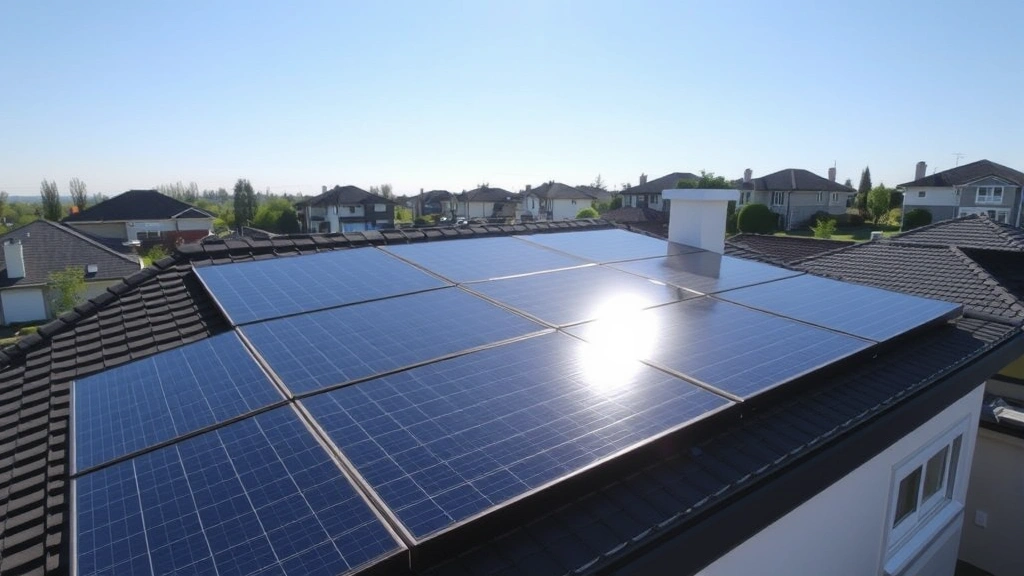
Solar Installation: Rooftop solar represents the ultimate in energy independence for Rochester homeowners. New York’s state solar incentive programs combined with federal Investment Tax Credits (currently 30%) make residential solar increasingly affordable. A typical 6-kilowatt system costs $12,000-$16,000 after incentives and generates 70-80% of average household electricity needs in Rochester’s climate.
Solar installations also increase home values by approximately $15,000-$20,000 and provide protection against rising electricity rates. Net metering policies allow Rochester customers to export excess solar generation back to the grid, earning credits on their bills. Learn more about sustainable energy solutions available in your region.
Community Solar: For renters or homeowners with unsuitable roofs, community solar projects allow participation in larger solar installations. Members receive bill credits proportional to their share of generation. Rochester has multiple community solar projects available, providing 10-25% bill reductions for participating customers without upfront installation costs.
Hydroelectric Power: A significant portion of RG&E’s renewable portfolio comes from hydroelectric facilities along the Niagara River and other regional sources. Hydropower provides consistent, year-round generation and represents one of the most reliable renewable energy sources available.
Smart Thermostat & Home Automation Benefits
Smart home technology transforms how Rochester residents interact with their energy consumption, providing real-time feedback and automated optimization. These systems represent the intersection of convenience and sustainability, allowing homeowners to reduce energy use while improving comfort.
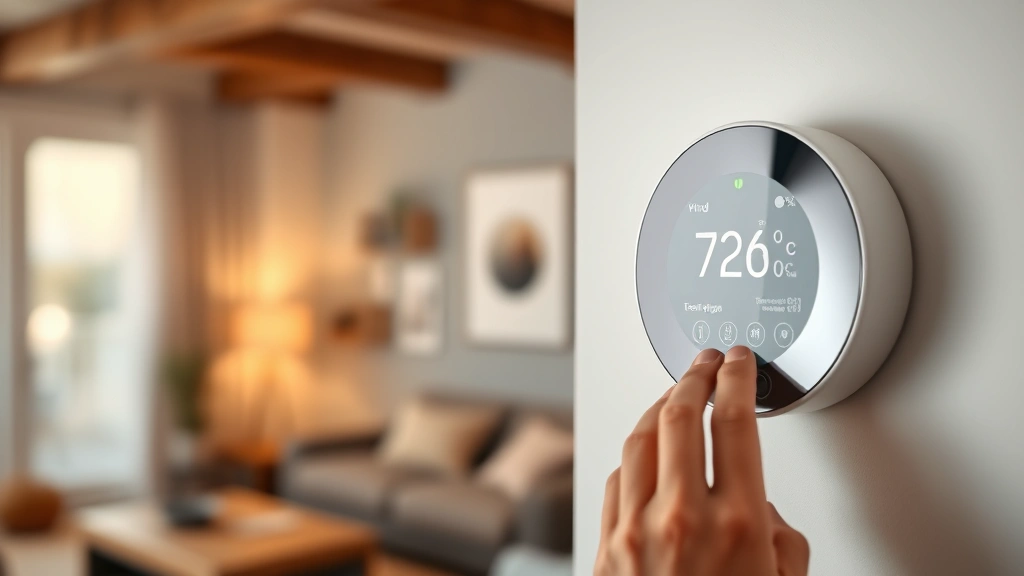
Smart Thermostat Advantages: Devices like Nest, Ecobee, and Honeywell Home learn occupancy patterns and adjust heating/cooling automatically. Advanced models provide energy reports showing consumption trends, identify inefficiencies, and suggest optimization strategies. Integration with weather forecasting allows thermostats to anticipate heating/cooling needs, preventing overshooting and energy waste. Rochester customers report 10-23% heating and cooling savings after smart thermostat installation.
Smart Power Strips and Outlets: Phantom loads—energy consumed by devices in standby mode—represent 5-10% of residential electricity use. Smart power strips automatically cut power to devices when not in use, eliminating this waste. Smart outlets enable remote control and scheduling of any plugged device, from coffee makers to space heaters.
Home Energy Monitoring: Real-time energy monitoring systems like Sense or Neurio identify which appliances consume the most energy and flag inefficiencies. Understanding consumption patterns empowers behavioral changes that reduce waste. Many Rochester residents discover that specific appliances or habits account for disproportionate energy use, enabling targeted efficiency improvements.
Integration with RG&E Services: Many smart home devices integrate directly with utility provider data, allowing customers to optimize usage during off-peak hours when rates are lower. Time-of-use rate programs reward consumption shifting, potentially reducing bills 15-20% for engaged customers willing to adjust usage patterns.
Understanding Your Energy Bills
Rochester Gas and Electricity bills contain valuable information about consumption patterns, costs, and efficiency opportunities. Decoding these statements helps customers identify savings potential and track progress toward sustainability goals.
Bill Components: Residential bills include several charges: energy supply costs (the actual kilowatt-hours or therms consumed), delivery charges (infrastructure maintenance and operation), and various taxes and regulatory fees. Understanding which portions reflect actual consumption versus fixed costs clarifies where efficiency improvements yield greatest savings. Delivery charges remain relatively static, while energy supply costs fluctuate with market conditions and seasonal demand.
Consumption Tracking: RG&E bills display monthly consumption compared to the same month in previous years, allowing easy identification of consumption trends. Increasing consumption might indicate aging appliances, inefficient heating/cooling, or behavioral changes. Decreasing consumption suggests successful efficiency improvements or reduced occupancy.
Rate Structures: RG&E offers various rate options, including traditional tiered rates and time-of-use programs. Time-of-use rates charge different prices for electricity consumed during peak versus off-peak hours, incentivizing consumption shifting. For customers with flexible schedules or programmable loads (electric vehicle charging, water heaters), time-of-use rates can generate substantial savings.
Budget Billing: Customers concerned about bill volatility can enroll in budget billing, which averages consumption across 12 months for consistent monthly payments. While this doesn’t reduce actual consumption, it improves financial planning and often motivates conservation efforts to reduce the budgeted amount.
Community Programs & Incentives
Rochester Gas and Electricity and New York State administer numerous programs supporting residential and commercial sustainability investments. These initiatives dramatically reduce upfront costs for efficiency and renewable energy projects, accelerating the transition toward definition of sustainability in practice.
Rebate Programs: RG&E offers rebates for ENERGY STAR appliances, heat pump installation, insulation upgrades, and smart thermostats. Rebates typically cover 25-75% of project costs, with some programs offering enhanced incentives for low-income households. Current rebate amounts exceed $500 for many efficiency projects, making green upgrades financially accessible to broader populations.
Low-Income Assistance: New York’s Home Energy Assistance Program (HEAP) provides direct financial assistance to eligible low-income households for heating and cooling costs. Additionally, RG&E administers the Low-Income Home Energy Assistance Program (LIHEAP), offering bill payment assistance and free energy audits to qualified participants.
Energy Audits: Professional home energy audits identify efficiency opportunities specific to your property. RG&E-sponsored audits are often free or heavily subsidized and provide prioritized recommendations with estimated payback periods. These audits guide investment decisions, ensuring resources target highest-impact improvements.
New Construction Standards: New buildings in Rochester must meet increasingly stringent energy codes. These requirements drive innovation in building design and material selection, creating healthier, more efficient homes from inception. Prospective homebuyers should prioritize recently constructed homes meeting current energy codes.
Workforce Development: Programs training workers in renewable energy installation, heat pump service, and weatherization create employment opportunities while expanding green infrastructure. Supporting local green jobs strengthens community resilience and economic sustainability.
Transitioning to Electric Vehicles
Transportation accounts for 27% of U.S. greenhouse gas emissions, with passenger vehicles representing the largest contributor. Rochester residents transitioning to electric vehicles dramatically reduce their carbon footprint while benefiting from lower operating costs and improved air quality. Learn more about the advantages of electric vehicles and how they complement residential energy efficiency efforts.
EV Charging at Home: Installing a Level 2 home charging station enables overnight charging, perfect for daily commuting needs. A typical EV requires 8-10 hours for full charge using 240-volt Level 2 equipment, costing $1.50-$3.00 per charge versus $10-$15 for gasoline. Charging during off-peak hours through time-of-use rate programs reduces costs further.
Grid Integration Benefits: Vehicle-to-grid (V2G) technology allows EVs to export power back to the grid during peak demand periods, earning owners credits while supporting grid stability. This emerging capability transforms EVs from mere consumers into distributed energy resources supporting renewable integration.
Public Charging Infrastructure: Rochester’s expanding public charging network makes EV ownership increasingly practical. Level 3 DC fast charging stations enable 200-mile range additions in 20-30 minutes, supporting longer trips. RG&E and New York State continue expanding charging infrastructure, with plans to install thousands of public chargers across the service territory.
Financial Incentives: Federal tax credits up to $7,500 combined with New York State incentives make EV purchases increasingly affordable. Many EVs now cost less than comparable gasoline vehicles when accounting for incentives. Operating cost savings—reduced fuel, maintenance, and tire wear—recover purchase price premiums within 5-7 years for average drivers.
Environmental Impact: Even as New York’s grid becomes cleaner, EVs already produce 50-70% fewer emissions than gasoline vehicles. As renewable energy penetration increases, EV environmental benefits grow proportionally. By 2040, when New York reaches 100% zero-emission electricity, EVs will produce zero direct emissions.
Frequently Asked Questions
How can I lower my Rochester Gas and Electricity bill immediately?
Implement behavioral changes first: adjust thermostats by 2-3 degrees, eliminate phantom loads using smart power strips, reduce hot water usage with low-flow fixtures, and optimize lighting. These no-cost or low-cost changes yield 5-15% bill reductions immediately. Next, contact RG&E about available rebates for efficiency upgrades matching your budget and priorities.
Is solar worth installing in Rochester’s climate?
Yes. Despite Rochester’s cloudy reputation, solar installations generate 70-80% of average household electricity needs annually. Federal and state incentives reduce costs to $12,000-$16,000 after subsidies, and systems pay for themselves in 7-10 years while increasing home values. Beyond financial returns, solar provides energy independence and protection against rising rates.
What’s the difference between green energy programs and actually installing solar?
Green energy programs fund renewable projects through monthly bill premiums (2-5% more), supporting renewable development without upfront installation costs or roof modifications. Solar installation requires capital investment but generates electricity directly at your property, maximizing long-term savings and independence. Both approaches support renewable energy; choose based on budget, roof suitability, and personal preferences.
Can renters participate in Rochester’s renewable energy programs?
Absolutely. Renters can participate in RG&E’s green energy programs, enroll in community solar projects (earning 10-25% bill credits), and implement efficiency improvements like LED bulbs and smart power strips in their units. Community solar specifically benefits renters unable to install rooftop systems, providing renewable energy participation without landlord coordination.
How does net metering work with RG&E?
Net metering allows solar customers to export excess generation to the grid in exchange for bill credits at the retail electricity rate. During high-production periods (summer, midday), your system may generate more than you consume; excess power feeds the grid, earning credits. During low-production periods (winter, evening), you draw grid power, using accumulated credits. This arrangement maximizes solar economics and encourages residential renewable installation.
What’s the payback period for energy efficiency investments?
Payback periods vary by project: LED bulbs (1-2 years), smart thermostats (2-3 years), insulation upgrades (3-7 years), heat pump water heaters (5-8 years), and solar installation (7-10 years). When accounting for utility rebates covering 25-75% of costs, payback periods shorten significantly. Many efficiency investments generate positive returns within 5 years while improving comfort and home value.
How can I reduce my environmental footprint beyond energy efficiency?
Explore comprehensive strategies for reducing your environmental footprint including transportation shifts, consumption reduction, waste minimization, and dietary changes. Energy efficiency represents one pillar; complementary actions across consumption, transportation, and lifestyle choices create compound sustainability benefits.
Are smart home devices worth the investment?
Smart thermostats provide 10-23% heating/cooling savings, often recovering costs within 2-3 years. Smart power strips eliminate phantom loads worth $5-$10 monthly. Home energy monitors help identify high-consumption appliances, enabling targeted improvements. For tech-savvy homeowners, smart home integration provides savings, convenience, and environmental benefits justifying investment.
What emerging technologies should Rochester residents watch?
Heat pump technology continues improving, offering efficient heating and cooling in cold climates. Battery storage systems enable greater renewable integration and grid independence. Vehicle-to-grid technology transforms EVs into distributed energy resources. Green technology innovations transforming our future will continue expanding renewable and efficiency options available to Rochester customers.
How does Rochester compare to other regions for renewable energy adoption?
New York State leads national renewable energy development, with aggressive 2040 zero-emission electricity targets and substantial incentive programs. Rochester’s hydroelectric resources, growing wind capacity, and community solar projects position the region advantageously for clean energy transition. Participation rates in green energy programs and renewable installation exceed many comparable regions.
Rochester residents benefit from forward-thinking state policies, utility commitment to sustainability, and abundant renewable resources. Actively engaging with Rochester gas and electricity sustainability programs positions households at the forefront of the clean energy transition while generating personal financial benefits.
Conclusion: Optimizing your Rochester Gas and Electricity consumption represents a powerful personal action toward climate solutions while reducing household expenses. From behavioral changes and efficiency upgrades to renewable energy adoption and electric vehicle transitions, numerous pathways exist for every budget and circumstance. Start with immediate, no-cost actions—thermostat adjustments, LED upgrades, phantom load elimination—then progress to capital investments in solar, heat pumps, or smart home systems. Leverage utility rebates and state incentives that dramatically reduce upfront costs. By aligning personal energy choices with regional sustainability goals, Rochester residents contribute to cleaner air, stronger communities, and a stable climate future. Visit the SustainWise Hub Blog for additional resources supporting your sustainability journey.


