Eco-Friendly String Tips for Gas Weed Eaters: Sustainable Maintenance Guide
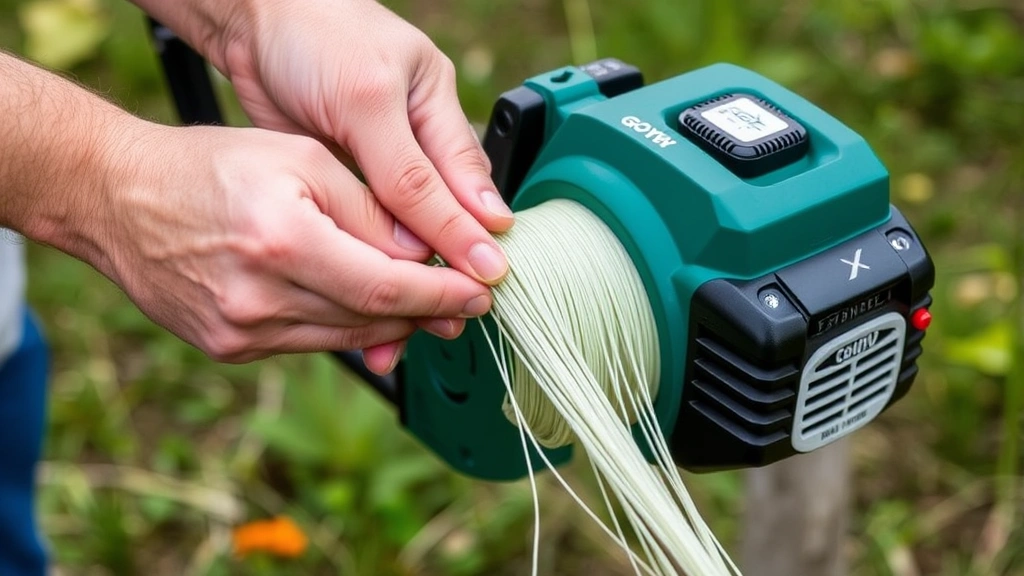
Gas-powered weed eaters are essential tools for maintaining outdoor spaces, but their environmental impact doesn’t have to be inevitable. By adopting eco-friendly stringing practices and sustainable maintenance habits, you can significantly reduce your carbon footprint while keeping your equipment in optimal condition. This comprehensive guide explores practical strategies for minimizing waste, selecting environmentally responsible materials, and mastering the technique of how to string your gas line weed eater in ways that benefit both your equipment and the planet.
The key to sustainable yard maintenance lies not in abandoning gas-powered tools entirely, but in using them responsibly. Understanding proper stringing techniques, choosing biodegradable or recycled materials, and maintaining your equipment efficiently can transform your weed eater into a more environmentally conscious tool. Whether you’re a homeowner managing a small lawn or a landscaper maintaining multiple properties, these eco-friendly approaches will help you operate more sustainably.
Understanding Gas Weed Eater String Materials
When learning the proper way to string your gas line weed eater, the first consideration should be the materials you’re using. Traditional nylon trimmer line, while effective, contributes to plastic waste in landfills and takes centuries to decompose. The standard nylon used in most commercial weed eater strings is petroleum-based, making it a non-renewable resource that carries significant environmental costs from extraction through manufacturing.
The diameter and composition of your trimmer string directly affects both performance and sustainability. Most gas weed eaters require strings between 0.065 and 0.105 inches in diameter, with thicker strings providing more cutting power but consuming more material. Understanding these specifications helps you select the most efficient option for your specific equipment, reducing unnecessary waste. When you properly string your gas line weed eater, you’re establishing a foundation for responsible equipment use.
Different manufacturers produce strings with varying environmental certifications and compositions. Some companies now offer strings made from recycled plastic or bio-based materials that maintain performance standards while reducing environmental impact. Investigating these alternatives before purchasing demonstrates a commitment to sustainability in your yard maintenance routine.
Step-by-Step Guide to Proper Stringing
Mastering the technique of stringing your weed eater correctly ensures optimal performance and prevents material waste from improper installation. The process begins with understanding your specific trimmer head design, as different models use distinct loading mechanisms. Whether your equipment features a bump-feed head, fixed-line head, or automatic feed system will determine your approach.
The Basic Stringing Process:
- Disconnect the spark plug wire to ensure safety during the procedure
- Locate and remove the trimmer head cap or cover by turning counterclockwise
- Measure and cut your replacement string to the appropriate length, typically 20-25 feet depending on your model
- Find the anchor slot or loading spool within the head
- Insert one end of the string into the designated slot, following manufacturer directional arrows
- Wind the string tightly around the spool in the correct rotational direction, maintaining even tension
- Leave approximately 6 inches of string free for cutting operation
- Reassemble the head securely, ensuring the string feeds through the exit ports
- Test the feed mechanism before reconnecting the spark plug wire
Proper tension during the stringing process is crucial for both safety and efficiency. Overly tight string creates excessive wear on the trimmer head and motor, while loose string fails to cut effectively and wastes fuel. This balanced approach minimizes energy consumption and extends equipment lifespan, directly supporting your efforts to reduce your environmental footprint.
Common mistakes include winding string in the wrong direction, failing to secure the string properly in anchor slots, and loading too much or too little material. Each error reduces efficiency and increases material waste, making precision essential for sustainable operation. Taking time to follow manufacturer instructions exactly ensures you maximize every inch of trimmer line.
Eco-Friendly String Alternatives
The sustainability movement has sparked innovation in trimmer line manufacturing, offering environmentally conscious alternatives to traditional petroleum-based nylon. These options maintain comparable cutting performance while reducing environmental impact throughout their lifecycle. Exploring these alternatives demonstrates how sustainable energy solutions extend beyond fuel sources to include material selection.
Biodegradable Nylon Options: Manufacturers have developed nylon strings with additives that promote faster degradation in natural environments. These materials maintain structural integrity during use but break down significantly faster than conventional strings when exposed to soil and sunlight. While not completely compostable, they represent substantial progress toward reducing long-term environmental burden.
Recycled Plastic String: Several companies now produce trimmer lines from post-consumer recycled plastic, diverting waste from landfills while creating functional products. These strings perform comparably to virgin plastic options while reducing demand for new petroleum extraction. Choosing recycled alternatives actively supports circular economy principles in your yard maintenance.
Natural Fiber Alternatives: Experimental strings made from plant-based materials like hemp and flax show promise for future applications. While not yet widely available for gas-powered equipment, these innovations represent the direction of sustainable outdoor tool development. Supporting manufacturers developing these technologies encourages further environmental progress.
When selecting eco-friendly string alternatives, verify compatibility with your specific weed eater model and confirm that performance meets your yard maintenance needs. Some alternatives may work better for light residential use while others suit professional landscaping demands. This thoughtful selection process ensures you achieve both environmental and practical goals.
According to the EPA’s Small Engines division, proper equipment maintenance and material selection significantly reduce overall environmental impact from yard care. Implementing these practices contributes to broader environmental protection goals.
Maintenance Tips to Extend Equipment Life
Extending your weed eater’s operational lifespan is fundamentally important for sustainability, as manufacturing new equipment consumes substantial resources and generates emissions. Regular maintenance prevents premature failure and keeps your trimmer operating efficiently, reducing fuel consumption and emissions output. Each year you extend your equipment’s useful life represents environmental gains equivalent to preventing one new unit’s production.
Essential Maintenance Practices:
- Change the air filter regularly to maintain engine efficiency and reduce fuel consumption
- Replace the spark plug annually or as recommended by manufacturer specifications
- Drain fuel before extended storage to prevent carburetor damage and unnecessary repairs
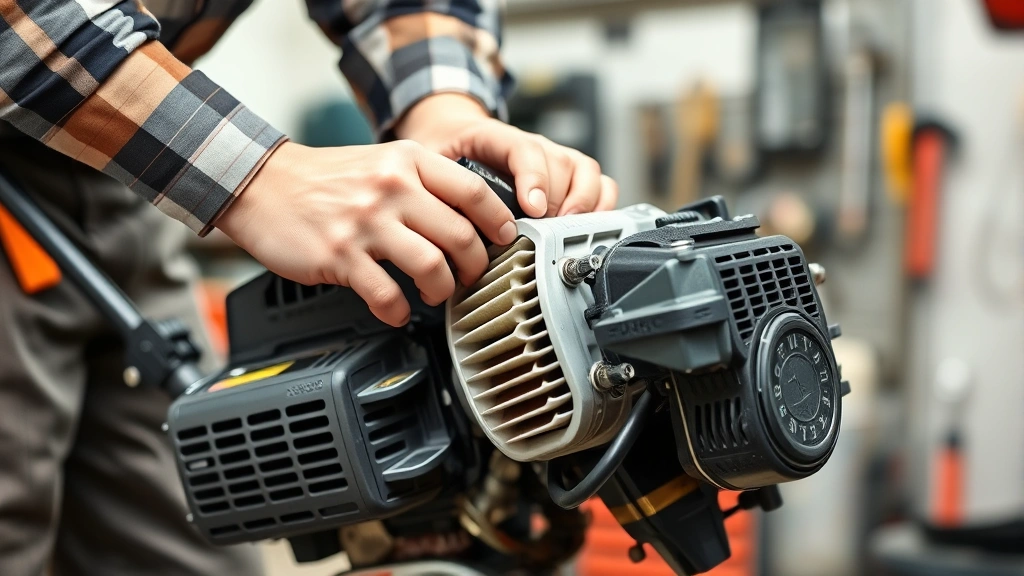
- Clean the cooling fins after each use to prevent engine overheating
- Inspect the trimmer head for cracks or damage that could compromise performance
- Use high-quality fuel with appropriate oil ratios to ensure optimal combustion
- Store equipment in a dry location protected from weather exposure
Fuel selection directly impacts both performance and environmental emissions. Using the correct fuel-to-oil ratio for your specific model ensures complete combustion, reducing unburned hydrocarbons released into the atmosphere. Many modern gas weed eaters perform best with ethanol-free fuel, which burns more cleanly and reduces environmental pollutants compared to standard gasoline blends.
Seasonal maintenance before and after heavy use periods prevents damage that might otherwise require expensive repairs or equipment replacement. This proactive approach represents a significant sustainability practice that many homeowners overlook. By investing modest time in maintenance, you dramatically increase equipment lifespan and reduce overall environmental impact from yard care.
String maintenance extends beyond just replacement. Inspect your trimmer line regularly for fraying, brittleness, or damage that reduces cutting efficiency. Damaged string requires more passes to complete the same work, consuming additional fuel and creating unnecessary emissions. Prompt replacement of worn string is an economical and environmental best practice.
Reducing Emissions and Environmental Impact
Gas-powered equipment inherently produces emissions that contribute to air pollution and climate change. However, operational practices can substantially minimize this environmental impact. Understanding how to operate your weed eater efficiently reduces fuel consumption and emissions simultaneously, supporting your commitment to environmental responsibility.
Emission Reduction Strategies:
- Operate equipment only when necessary rather than through routine scheduled use
- Maintain optimal string tension to reduce engine strain and fuel consumption
- Keep the engine properly tuned through regular maintenance and spark plug replacement
- Use the appropriate throttle setting for the task rather than operating at maximum speed
- Plan yard work to minimize total operating time across multiple sessions
- Properly store fuel to prevent degradation and ensure clean combustion
The EPA’s Air Quality Standards recognize small engines as significant contributors to air pollution. Implementing efficient operation practices helps you comply with environmental standards while reducing your personal carbon footprint. Each hour of reduced operation represents measurable emissions prevented.
Consider the relationship between string quality and engine efficiency. Properly installed, high-quality string cuts more effectively, requiring fewer passes to complete yard work. This direct correlation means investing in better materials actually reduces fuel consumption and emissions output. This counterintuitive sustainability principle demonstrates how quality choices often align with environmental responsibility.
Transitioning toward renewable energy alternatives in other areas of your life creates momentum for broader sustainability commitments. While gas weed eaters may remain necessary for some applications, reducing their use wherever possible contributes to meaningful environmental progress.
Sustainable Yard Care Practices
Eco-friendly string selection and proper weed eater operation represent just one component of comprehensive sustainable yard maintenance. Adopting broader practices that minimize overall environmental impact creates a cohesive approach to outdoor space management that benefits ecosystems and communities.
Integrated Sustainable Yard Strategies:
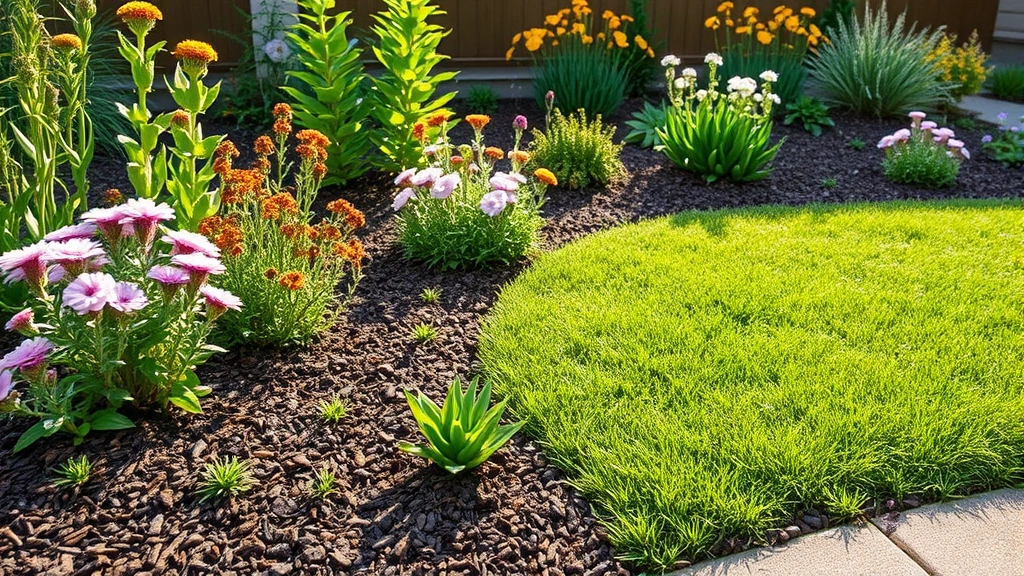
- Reduce lawn area by expanding native plant gardens and pollinator-friendly landscapes
- Implement mulching practices that retain moisture and reduce watering needs
- Compost grass clippings and yard waste rather than disposing in landfills
- Select native plant species adapted to local climate conditions, reducing maintenance demands
- Establish integrated pest management practices that minimize chemical inputs
- Create wildlife habitats that support beneficial insects and pollinators
- Collect and use rainwater for irrigation during dry periods
The philosophy of reducing yard maintenance needs aligns perfectly with sustainability principles. Each square foot of lawn you convert to native plantings or permeable surfaces reduces trimming requirements and associated fuel consumption. Over time, these landscape modifications create cumulative environmental benefits while often reducing your overall yard work burden.
When you do use your weed eater, employing the proper way to string your gas line weed eater and maintaining optimal performance ensures every operating hour accomplishes maximum work. This efficiency-focused approach respects both your time and environmental resources. Strategic planning of yard maintenance tasks allows you to consolidate operations and minimize total equipment use.
Professional landscapers can significantly reduce environmental impact by adopting these practices across multiple properties. Training staff on proper equipment stringing, maintenance, and operation protocols creates scalable sustainability improvements. Exploring additional resources on sustainable practices provides ongoing education for continuous improvement.
The relationship between equipment maintenance and sustainability extends to all outdoor power tools. Whether managing a gas-powered outdoor appliance or trimmer, the principles of proper operation, material selection, and regular maintenance remain consistent. This holistic approach to sustainability creates synergistic benefits across all aspects of outdoor living.
FAQ
What type of string is best for eco-friendly weed eater use?
Recycled plastic strings offer the best current balance of environmental responsibility and performance. These materials divert waste from landfills while maintaining cutting efficiency comparable to virgin plastic. Biodegradable options provide faster decomposition, though at slightly higher cost. Always verify compatibility with your specific equipment model.
How often should I replace weed eater string?
Replacement frequency depends on usage intensity and yard size. Most homeowners replace string 2-4 times annually during active growing seasons. Inspect string regularly for fraying or brittleness, which indicates replacement need. Prompt replacement maintains cutting efficiency and reduces engine strain.
Can I make my own trimmer string from recycled materials?
While theoretically possible, homemade strings rarely match commercial products in consistency, durability, and safety. Manufacturing trimmer string requires precise diameter specifications and material properties to function safely at high speeds. Purchasing quality commercial alternatives, particularly recycled options, represents the most practical approach.
Does proper stringing technique really affect fuel consumption?
Yes, significantly. Correctly tensioned string cuts more efficiently, requiring fewer engine passes to complete the same work. Loose or improperly installed string forces the engine to work harder, increasing fuel consumption and emissions. Proper installation directly reduces environmental impact from every operating session.
What’s the environmental impact of switching to electric weed eaters?
Electric models eliminate direct operational emissions and significantly reduce noise pollution. However, their environmental benefit depends on electricity sources—renewable energy powered equipment offers superior sustainability compared to gas alternatives. Battery production creates environmental costs, though improved recycling programs address this concern. Evaluating local energy sources helps determine the best choice for your situation.
How does equipment maintenance relate to sustainability?
Every year you extend equipment lifespan through proper maintenance prevents manufacturing a replacement unit, avoiding associated resource consumption and emissions. Regular maintenance also ensures optimal efficiency, reducing fuel consumption and emissions during operation. This dual benefit makes maintenance one of the most effective sustainability practices available to equipment owners.
Are there professional certifications for eco-friendly yard maintenance?
Several organizations offer sustainability certifications for landscape professionals, including those focusing on chemical reduction, water conservation, and equipment efficiency. The International Council for Local Environmental Initiatives provides resources on sustainable outdoor practices. Professional certification demonstrates commitment to environmental responsibility in yard care services.


