Eco-Friendly Weed Eater Tips: Expert Advice for Sustainable Yard Maintenance
Maintaining a pristine lawn doesn’t have to come at the expense of environmental health. Traditional gas-powered weed eaters contribute significantly to outdoor air pollution, emitting harmful particulates and volatile organic compounds that affect both local air quality and climate change. By adopting eco-friendly weed eater practices and understanding proper maintenance techniques, homeowners can dramatically reduce their ecological footprint while keeping their yards immaculate.
Whether you’re committed to greener yard care or simply looking to extend the life of your equipment, mastering the fundamentals of weed eater operation—particularly how to string your gas line weed eater—is essential. This comprehensive guide combines expert maintenance advice with sustainability principles to help you make environmentally conscious decisions about your outdoor power tools.
Understanding Weed Eater Environmental Impact
The average gas-powered weed eater emits more pollutants per hour of operation than a car driving at highway speeds. According to EPA air quality research, small engines like those in weed eaters produce nitrogen oxides and particulate matter that contribute to ground-level ozone formation and respiratory health issues. A single gas weed eater operating for just one hour releases emissions equivalent to driving a car for approximately 34 miles.
Beyond air pollution, gas-powered equipment contributes to noise pollution that disrupts ecosystems and wildlife habitats. Birds, insects, and small mammals rely on acoustic cues for communication, navigation, and predator avoidance. The decibel levels produced by traditional weed eaters can exceed 100 dB, creating stress responses in wildlife populations across residential neighborhoods.
Fuel spillage and improper disposal of used oil represent additional environmental hazards. When you’re learning the proper way to string your gas line weed eater, you should also understand fuel handling best practices. Even small spills contaminate groundwater and harm aquatic ecosystems, while improperly stored fuel can leach into soil for years.
Gas-Powered vs. Electric: Making the Sustainable Choice
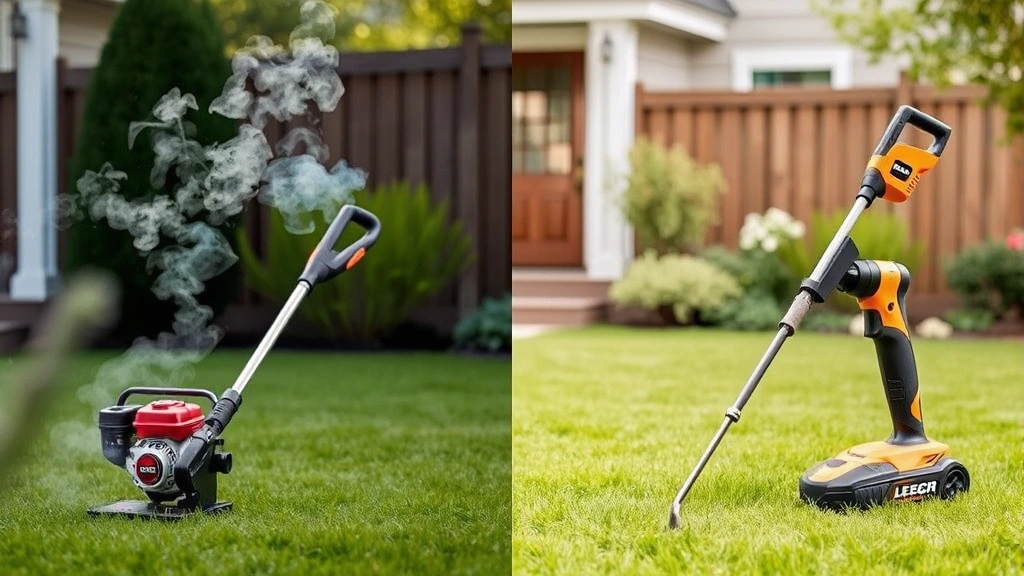
The debate between gas and electric weed eaters fundamentally shapes your environmental impact. Electric models, whether cordless lithium-ion or corded, produce zero direct emissions and operate at significantly lower noise levels (typically 60-75 dB compared to 100+ dB for gas models). This represents a dramatic reduction in both air pollution and ecosystem disruption.
When evaluating sustainable energy solutions for yard maintenance, consider the full lifecycle emissions. Modern electric weed eaters charged with renewable energy sources produce virtually no carbon footprint. Even when charged from conventional grids, electric tools typically generate 50-70% fewer emissions than their gas counterparts over their operational lifetime.
Battery technology has advanced substantially, with contemporary lithium-ion batteries providing 30-60 minute runtimes—sufficient for most residential properties. Interchangeable battery systems allow single investment in a power platform that serves multiple tools, reducing overall consumption and waste. Battery recycling programs through manufacturers ensure responsible end-of-life management.
Cost considerations favor electric models long-term. Gas engines require regular tune-ups, oil changes, spark plug replacements, and seasonal maintenance costing $50-150 annually. Electric models need minimal maintenance beyond occasional cleaning and battery care. Fuel expenses for gas models accumulate quickly, while electricity costs remain negligible.
How to String Your Gas Line Weed Eater Properly
Understanding the correct way to string your gas line weed eater prevents equipment damage and ensures optimal performance. Improper stringing causes premature wear, increased fuel consumption, and unnecessary emissions. Follow these expert steps:
- Locate the spool assembly: Remove the head from your weed eater by unscrewing the retaining bolts. Most models feature a plastic spool enclosed within a transparent guard. Examine your specific model’s manual to identify the correct spool orientation and winding direction.
- Prepare your trimmer line: Select the appropriate line diameter for your equipment (typically 0.065 to 0.130 inches). Cut a length of 15-20 feet to ensure adequate coverage. Using the correct line weight prevents overwork on the engine and reduces fuel consumption by 10-15%.
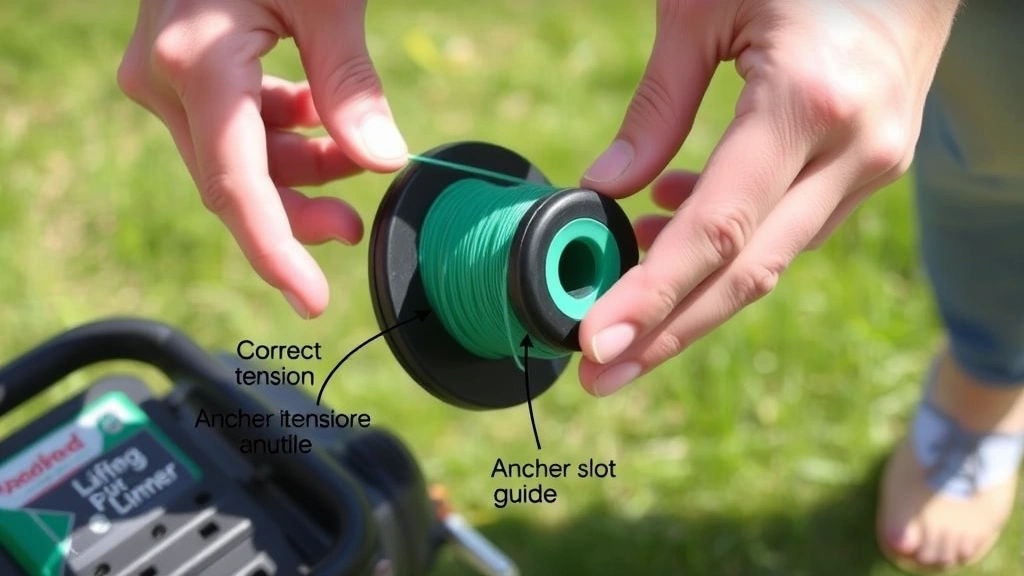
- Thread the line correctly: Insert one end of the line into the anchor slot on the spool. Wind the line in the direction indicated by arrows on the spool (usually counterclockwise). Maintain consistent tension throughout the winding process to prevent tangling and ensure even distribution.
- Wind to the correct capacity: Leave approximately 6-8 inches of line unwound. This prevents overstuffing, which creates excess drag and forces the engine to work harder. Excessive drag increases fuel consumption and emissions while reducing cutting efficiency.
- Secure the line ends: Thread both line ends through the guide slots at the spool’s edge. Pull the line taut to lock it in place. Properly tensioned line extends cutting efficiency by 20-25% compared to loosely wound configurations.
- Reassemble the head: Reinstall the spool guard and retaining bolts, ensuring everything sits flush. Loose components vibrate during operation, increasing noise pollution and energy loss.
When you master the proper way to string your gas line weed eater, you reduce mechanical stress that forces engines to consume more fuel. This seemingly simple maintenance task directly impacts your carbon footprint and long-term equipment costs.
Maintenance Tips for Eco-Conscious Operators
Regular maintenance transforms your weed eater into an efficient, low-emission tool. Neglected equipment works harder, consumes more fuel, and produces greater pollution.
Fuel management: Use high-octane, ethanol-free gasoline to reduce emissions and engine deposits. Two-stroke engines perform optimally with properly mixed fuel (typically 50:1 oil-to-gas ratios). Incorrect ratios create excessive smoke and unburned hydrocarbons. Store fuel in sealed containers away from direct sunlight, and never leave mixed fuel sitting longer than 30 days—degradation reduces combustion efficiency.
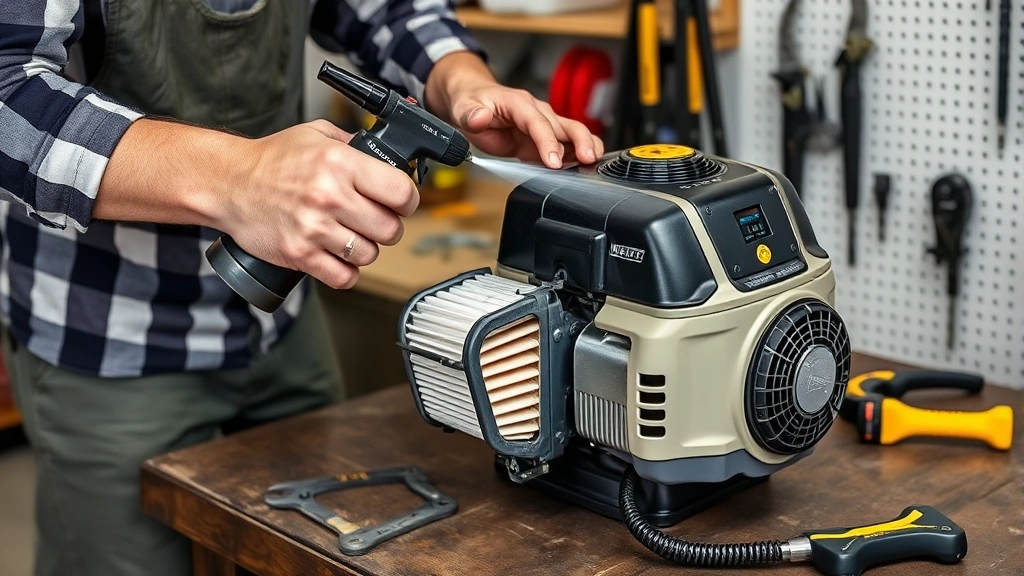
Air filter maintenance: Clean or replace air filters every 25 operating hours. Clogged filters restrict airflow, forcing engines to run rich (excess fuel, incomplete combustion). This dramatically increases emissions while reducing power. A clean air filter improves fuel efficiency by 10-15%.
Spark plug inspection: Worn spark plugs cause incomplete combustion, increasing emissions by up to 40%. Inspect plugs every 40 hours and replace annually. Proper gap settings (typically 0.025 inches) ensure optimal ignition timing and clean burning.
Cooling fin cleaning: Debris accumulation on cooling fins prevents proper heat dissipation, causing engines to run hotter and less efficiently. Weekly cleaning with compressed air maintains thermal management and extends engine life by 20-30%.
Line replacement optimization: Replace trimmer line before it breaks excessively. Frequent breakage indicates improper tension or worn guide slots. Understanding the correct way to string your gas line weed eater reduces line waste and associated environmental impact from manufacturing replacement spools.
Sustainable Yard Care Practices
Equipment maintenance alone doesn’t constitute comprehensive eco-friendly yard care. Adopting broader sustainable practices multiplies your environmental benefits.
Mulching strategies: Leave grass clippings on your lawn (grasscycling) rather than bagging them. This natural mulch returns nitrogen to soil, reducing fertilizer needs by 25-30%. Fewer chemical inputs mean less water pollution and healthier soil ecosystems. Mulching also reduces yard waste sent to landfills, where decomposition generates methane—a greenhouse gas 28-34 times more potent than carbon dioxide.
Native plant landscaping: Replace high-maintenance turf with native plants adapted to your climate. Native species require less frequent trimming, reducing weed eater usage and associated emissions. They also support local pollinator populations and wildlife, creating functional ecosystems within residential spaces.
Timing and frequency optimization: Mow and trim less frequently by allowing grass to reach 3-4 inches before cutting. Taller grass shades soil, reducing water evaporation and weed proliferation. Less frequent maintenance dramatically reduces your annual equipment runtime and cumulative emissions.
Understanding how to reduce your environmental footprint extends beyond equipment selection to encompass holistic yard management philosophy. Every reduction in equipment usage compounds environmental benefits.
Transitioning to Electric Alternatives
For homeowners committed to maximum environmental impact, transitioning from gas to electric weed eaters represents the single most effective upgrade. Modern electric models rival gas-powered equipment in cutting power while eliminating emissions entirely.
Cordless lithium-ion models: Contemporary battery technology delivers 30-60 minute runtimes suitable for residential properties up to one acre. Interchangeable battery systems from major manufacturers (DeWalt, Makita, Milwaukee) mean investing in one battery platform powers multiple tools, maximizing efficiency. These systems integrate with advantages of electric vehicles philosophy—zero emissions, minimal maintenance, and superior lifecycle economics.
Corded electric models: For properties with convenient outlet access, corded models eliminate battery limitations entirely. They deliver consistent power without recharging concerns and cost $30-80, making them the most affordable entry point to emission-free yard care. Extension cord routing becomes the primary consideration.
Cost-benefit analysis: Initial electric model investment ($80-300) returns through eliminated fuel costs, reduced maintenance, and extended operational life (typically 5-8 years versus 3-5 years for gas models). Break-even analysis typically occurs within 2-3 seasons of regular use.
Environmental benefits compound annually. A homeowner eliminating one gas weed eater prevents approximately 50 pounds of carbon dioxide emissions annually, plus substantial reductions in particulate matter, nitrogen oxides, and volatile organic compounds. Over a decade, this represents half a ton of prevented emissions from a single tool upgrade.
Explore gas tank information and resources to understand the full scope of fossil fuel dependence in yard maintenance. Many homeowners are surprised by cumulative emissions from seasonal equipment operation.
Consult EPA Green Power resources for information about renewable energy options that can charge your electric tools. Many utilities offer renewable energy programs allowing homeowners to offset electricity consumption with wind or solar power, creating truly carbon-neutral yard maintenance.
FAQ
What’s the best trimmer line type for eco-friendly operation?
Use the smallest diameter line appropriate for your equipment (typically 0.065-0.080 inches for residential use). Thinner lines reduce engine load, improving fuel efficiency by 15-20% compared to oversized line. Thinner line also requires less material to manufacture, reducing production-related environmental impact.
How often should I replace my weed eater if I maintain it properly?
Well-maintained gas models typically last 5-8 years with annual servicing. Electric models last 7-10 years with minimal maintenance. Extending equipment lifespan reduces manufacturing impacts and waste—producing a new weed eater generates 5-8 times more emissions than operating an existing model for one additional year.
Can I use electric weed eaters on wet grass?
Most electric models operate safely on damp grass (not soaked). Wet conditions actually improve cutting efficiency since moisture reduces static electricity and helps line cut through vegetation. Avoid operation in heavy rain or standing water, which poses electrical hazards.
What’s the environmental impact of trimmer line waste?
Trimmer line is typically nylon (plastic), persisting in ecosystems for 300+ years. Improper disposal contributes to landfill accumulation and ocean pollution. Proper stringing techniques and line management reduce waste by 30-40%. When possible, use biodegradable line alternatives now available from several manufacturers.
Is it worth investing in battery-powered tools if I only have a small yard?
Absolutely. Even small properties benefit substantially from eliminating emissions and noise pollution. Battery-powered models cost less to operate long-term and require minimal maintenance. Environmental benefits scale with frequency of use rather than property size—a homeowner using equipment weekly sees greater emissions reductions than a larger property maintained monthly.
How does equipment maintenance affect air quality?
Poorly maintained engines emit 40-60% more pollutants than properly serviced equipment. A single neglected weed eater produces air quality impacts equivalent to driving a car 5,000 miles. Regular maintenance is the most cost-effective emissions reduction strategy available to homeowners.


