
Eco-Friendly String Trimmer Tips: Expert Advice for Sustainable Yard Maintenance
Maintaining a well-groomed yard doesn’t have to come at the expense of environmental responsibility. String trimmers, commonly known as weed eaters, are essential tools for lawn care, but traditional gas-powered models contribute significantly to air and noise pollution. This comprehensive guide explores expert strategies for operating and maintaining your string trimmer sustainably, with special focus on proper technique, fuel efficiency, and transitioning toward greener alternatives.
Whether you’re learning how to string your gas line weed eater for the first time or seeking to optimize your current practices, understanding the environmental impact of your yard maintenance choices empowers you to make conscious decisions that benefit both your property and the planet.
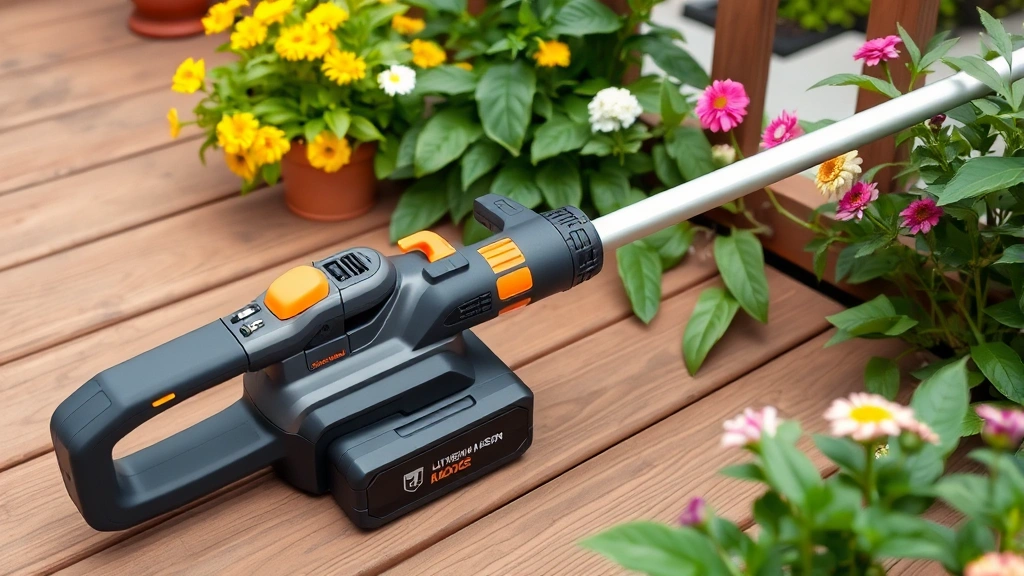
Understanding Gas Line String Trimmer Basics
A gas-powered string trimmer operates through a two-stroke or four-stroke engine that powers a spinning head containing nylon string. The engine requires a specific fuel mixture, proper maintenance, and correct string installation to function efficiently. Understanding these fundamentals is crucial for both environmental responsibility and equipment longevity.
Gas trimmers emit volatile organic compounds (VOCs) and particulate matter that contribute to ground-level ozone formation and air quality degradation. A single gas-powered trimmer operating for one hour produces emissions equivalent to driving a car for approximately 150 miles, according to environmental research. This stark reality underscores the importance of proper operation and eventual transition to cleaner alternatives.
The string trimmer head contains a spool that holds the cutting line, and proper installation ensures optimal performance while minimizing fuel waste. When string isn’t correctly positioned, the engine works harder, consuming more fuel and producing greater emissions. This makes learning the proper way to string your gas line weed eater an environmentally significant skill.

Step-by-Step Guide to Proper String Installation
Preparation and Safety: Before beginning any maintenance on your trimmer, disconnect the spark plug wire to prevent accidental engine start. Allow the engine to cool completely if the trimmer was recently used. Gather your materials: replacement nylon string (typically 0.080 to 0.105 inches in diameter), scissors, and your trimmer’s user manual for specific specifications.
Removing the Spool: Most trimmers feature a spool cap secured by a center bolt or clip. Locate the directional arrow on your spool indicating the correct rotation direction. Carefully unwind any remaining old string, noting how it was wrapped. This observation helps ensure proper installation of new string and prevents operational issues that force the engine to work inefficiently.
Measuring and Loading String: Cut approximately 20-25 feet of replacement string, depending on your spool size. Feed one end into the anchor hole on the spool, leaving about 6 inches protruding. Wind the string tightly and evenly around the spool in the direction indicated by the arrow. Maintain consistent tension throughout—loose wrapping causes the string to slip during operation, reducing cutting efficiency and increasing fuel consumption.
Threading and Installation: Once wound, thread the remaining string through the guide holes in the spool housing. These guides ensure the string feeds properly during operation. Reinstall the spool into the trimmer head, aligning it correctly with the housing. Secure the spool cap firmly—improper seating allows string to slip, requiring more engine power and fuel to maintain cutting speed.
Final Adjustments: Allow approximately 2-3 inches of string to protrude from each side of the trimmer head. Some models feature automatic string feed systems that extend string as it wears; others require manual advancement. Check your manual to understand your specific system. Proper string length ensures efficient cutting without excessive engine strain.
Fuel Efficiency and Emission Reduction
Operating your gas trimmer efficiently directly reduces environmental impact. The fuel mixture in two-stroke engines requires precise ratios—typically 50:1 or 40:1 gasoline to oil, depending on manufacturer specifications. Incorrect ratios increase emissions and reduce engine efficiency. Always consult your manual and measure components carefully rather than estimating.
Using high-octane fuel and quality two-stroke oil reduces carbon buildup in the engine, maintaining optimal combustion efficiency. Poor quality fuel or improper storage allows fuel to degrade, creating gummy deposits that force the engine to work harder. Store fuel in approved containers in cool, dark locations, and use fuel stabilizers during off-season storage to maintain fuel quality.
Operating technique significantly impacts fuel consumption. Avoid prolonged idling—modern trimmers require minimal warm-up time. Use appropriate throttle settings for different tasks: full throttle for dense vegetation, reduced throttle for light trimming. Excessive throttle wastes fuel without improving cutting performance. Regular equipment maintenance, including air filter cleaning and spark plug inspection, ensures the engine operates at peak efficiency.
As you consider how to reduce your environmental footprint, evaluating your yard maintenance practices represents a meaningful step. Implementing fuel-efficient trimming habits and proper maintenance reduces your household’s contribution to air pollution and climate change.
Maintenance Practices for Longevity
Regular maintenance extends your trimmer’s lifespan, reducing the environmental cost of manufacturing replacement equipment. The production of new power tools consumes significant energy and raw materials; maintaining existing equipment prevents unnecessary waste.
Air Filter Care: Check your air filter monthly during regular use. A clogged filter restricts airflow, forcing the engine to run rich and consume excess fuel. Clean foam filters with warm soapy water and allow complete drying before reinstallation. Paper filters should be replaced annually or when visibly dirty.
Spark Plug Maintenance: Inspect spark plugs every season. A fouled spark plug causes hard starting, rough idling, and increased fuel consumption. Replace spark plugs annually or according to manufacturer recommendations. Proper spark plug gap ensures efficient combustion.
Fuel System Cleaning: At season’s end, drain fuel tanks or add fuel stabilizer to prevent gum formation. If your trimmer sits unused for extended periods, the carburetor can become clogged, requiring professional cleaning. Preventive stabilization is more environmentally responsible than replacing clogged components.
String Head Inspection: Regularly examine the string guide holes and housing for cracks or damage. Damaged housings allow string to slip, reducing efficiency. Replace worn components promptly to maintain optimal performance.
Vibration Dampening: Many trimmers feature vibration-dampening systems that reduce user fatigue and improve control. Ensure these components remain intact and functional. Better control reduces accidental over-throttling and improves cutting precision.
Transitioning to Electric and Battery-Powered Models
The most impactful sustainability decision regarding yard maintenance involves transitioning from gas-powered equipment to electric or battery-powered alternatives. Modern cordless electric trimmers offer performance comparable to gas models while eliminating direct emissions and reducing noise pollution by up to 80 percent.
Battery-powered trimmers powered by lithium-ion technology provide sufficient runtime for most residential properties. A single battery charge typically powers 30-45 minutes of trimming, adequate for standard residential lots. Advantages include zero emissions during operation, significantly reduced noise, minimal maintenance requirements, and lower lifetime operating costs.
When evaluating electric alternatives, consider charging infrastructure and total cost of ownership. While initial purchase prices may exceed gas models, eliminated fuel, oil, and spark plug expenses, combined with simplified maintenance, result in substantial long-term savings. Additionally, charging from renewable energy sources through sustainable energy solutions enables truly zero-emission yard maintenance.
The environmental benefits of electric yard equipment extend beyond direct emissions reduction. Manufacturing batteries creates environmental costs, but modern recycling programs recover valuable materials, minimizing waste. Over a trimmer’s lifespan, battery-powered models produce far fewer total emissions than equivalent gas-powered equipment.
For those interested in broader sustainable living practices, explore how advantages of electric vehicles mirror the benefits of electric yard equipment—both represent practical transitions toward cleaner personal technology choices.
Eco-Friendly Trimming Techniques
Timing and Frequency: Strategic trimming reduces overall equipment usage. Trim edges and perimeters less frequently during dormant seasons. During growing seasons, regular light trimming maintains appearance with minimal effort, reducing fuel consumption compared to infrequent heavy trimming sessions.
Mulching Strategy: Consider allowing clipped vegetation to remain on soil as natural mulch. This practice returns organic matter to soil, improving moisture retention and nutrient content while reducing bagging and disposal waste. Ensure clippings don’t smother desirable plants.
Integrated Vegetation Management: Evaluate whether all trimmed areas require frequent maintenance. Establishing native plant borders, installing permeable hardscaping, or allowing naturalized areas reduces trimming frequency and habitat disruption. These landscape modifications provide wildlife habitat while lowering maintenance demands.
Community Equipment Sharing: If you trim infrequently, consider sharing equipment with neighbors rather than each household maintaining separate tools. Community tool libraries and equipment-sharing programs reduce manufacturing demands and storage needs while building neighborhood connections.
Professional Services: For large properties, hiring professional landscapers using modern electric equipment may prove more sustainable than personal gas-powered maintenance. Professionals operate equipment efficiently and often utilize newer, cleaner technology.
Understanding these techniques supports broader environmental responsibility. As you refine your trimming practices, remember that exploring additional sustainability topics through comprehensive resources helps integrate eco-conscious choices throughout daily life.
Frequently Asked Questions
What is the correct fuel mixture for my gas string trimmer?
Most gas string trimmers require either 50:1 or 40:1 gasoline-to-two-stroke-oil ratios. Check your specific model’s manual for exact specifications. Using incorrect ratios increases emissions and reduces engine efficiency. Measure components carefully—guessing proportions wastes fuel and harms the environment.
How often should I replace my trimmer string?
String replacement frequency depends on usage intensity and vegetation type. Dense or woody vegetation wears string faster than grass. Inspect string regularly for fraying or reduced cutting effectiveness. Worn string forces the engine to work harder, increasing fuel consumption. Replace string when cutting performance noticeably decreases.
Can I use regular gasoline in my two-stroke trimmer?
Never use regular gasoline without proper oil mixture in two-stroke engines. Two-stroke engines rely on oil in the fuel for lubrication. Using unmixed gasoline causes engine seizure and requires expensive repairs. Always use the correct fuel mixture specified in your manual.
What environmental certifications should I look for in new trimmers?
Look for EPA Tier 4 emissions certification for gas equipment, indicating compliance with strict emissions standards. Battery-powered models from manufacturers committed to sustainable practices and responsible battery recycling programs represent the most environmentally conscious choice.
How does electric equipment compare to gas for performance?
Modern battery-powered trimmers deliver cutting performance comparable to gas models for residential use. Runtime limitations affect large commercial properties but rarely impact homeowners. Battery technology continues improving, with newer models offering extended runtime and faster charging.
Is it worth converting to electric if I already own gas equipment?
If your gas trimmer functions properly, immediate replacement generates unnecessary waste. Continue using and maintaining your current equipment efficiently. When replacement becomes necessary, prioritize electric alternatives. This approach balances environmental responsibility with practical resource management.
What should I do with old trimmer equipment?
Never discard power equipment in regular trash. Contact local recycling centers accepting small engines and metal components. Many communities offer hazardous waste collection events accepting fuel-powered equipment. Some retailers accept old equipment for proper recycling when purchasing replacements.


