
Which Gas Stations Offer Free Air? 2023 Update
Finding free air at gas stations has become increasingly important for drivers looking to maintain proper tire pressure while saving money. Properly inflated tires aren’t just about convenience—they directly impact fuel efficiency, vehicle safety, and your overall environmental footprint. In this comprehensive 2023 guide, we’ll explore which major gas station chains offer complimentary air services and why maintaining tire pressure matters for both your wallet and the planet.
Tire maintenance is often overlooked, yet it plays a crucial role in reducing fuel consumption and emissions. When tires are underinflated, your vehicle works harder to move forward, burning more gasoline and releasing additional greenhouse gases into the atmosphere. By taking advantage of free air services at gas stations, you’re making a small but meaningful contribution to environmental sustainability while extending your tire lifespan and improving your vehicle’s performance.
Major Gas Stations with Free Air
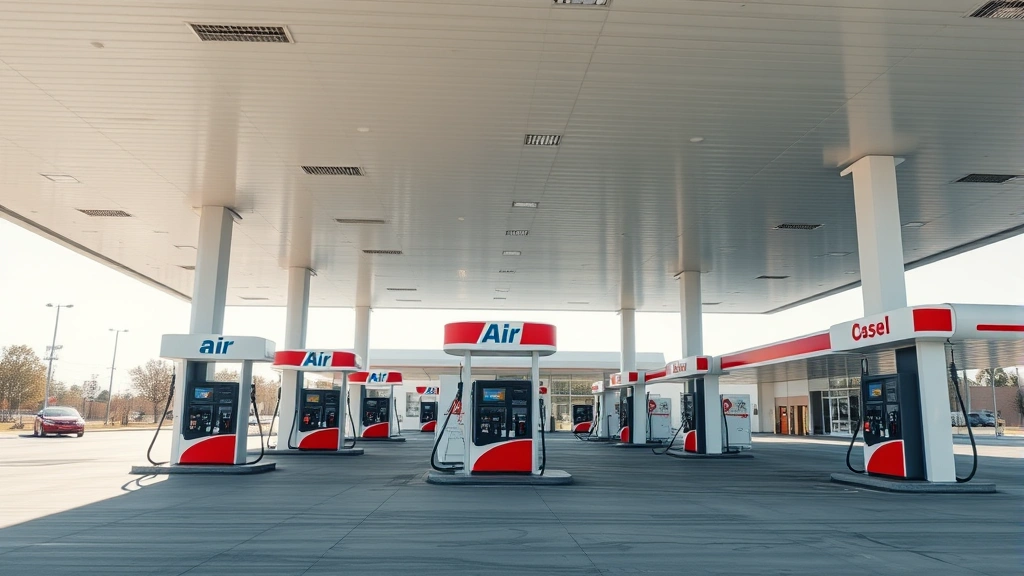
Shell Gas Stations remains one of the most reliable chains for free air availability. Most Shell locations across North America provide complimentary air at their fuel pumps, making it convenient for customers to check and adjust tire pressure during regular fill-ups. However, availability can vary by location, so it’s worth calling ahead to confirm.
Chevron has similarly committed to offering free air at the majority of their U.S. stations. Their air stations are typically located near the fuel pumps for easy access. Chevron’s nationwide presence means you’ll have consistent access to this service across different states.
Speedway (now rebranded under Murphy USA) provides free air at virtually all of its locations. This is particularly valuable given Speedway’s extensive network of convenience stores and fuel stations throughout the eastern and central United States. Customers can access the air station without needing to make a purchase.
Sunoco stations generally offer complimentary air services. As an independent fuel brand with numerous partnerships, Sunoco’s availability is fairly widespread, especially in the Northeast and Mid-Atlantic regions.
Pilot Flying J truck stops provide free air at their locations, making this service available not just to car owners but also to commercial drivers. Their air systems are often more robust than typical gas station setups, allowing for faster tire inflation.
Costco Gas Stations offer free air to all members. If you have a Costco membership, you can access their fuel stations and air services at competitive prices. This combines savings on gasoline with complimentary tire maintenance.
Regional Chains Offering Complimentary Air
Several regional gas station chains have made free air a standard offering. Wawa, a popular convenience store chain in the Mid-Atlantic and Southeast, provides free air at most locations. Their modern fuel pumps typically include integrated air systems.
Sheetz, another regional convenience store chain with significant presence in the Mid-Atlantic and parts of the South, offers free air at their fuel stations. With hundreds of locations, Sheetz has become a reliable option for drivers in their service areas.
Love’s Travel Stops provide free air services, particularly beneficial for road trippers and long-haul drivers. Their extensive network across the country makes them a dependable resource for tire maintenance on the go.
RaceTrac locations in the Southeast and Texas generally offer free air. This regional powerhouse has invested in modern fuel station infrastructure that includes complimentary air services.
QuikTrip stations, primarily located in the South and Southwest, typically provide free air access. Their commitment to customer service extends to these essential maintenance amenities.
It’s important to note that policies vary by individual location. Even within major chains, some franchises or independently operated stations may charge for air or have restrictions. Always check with your specific location before assuming the service is free.
How to Find Free Air Near You
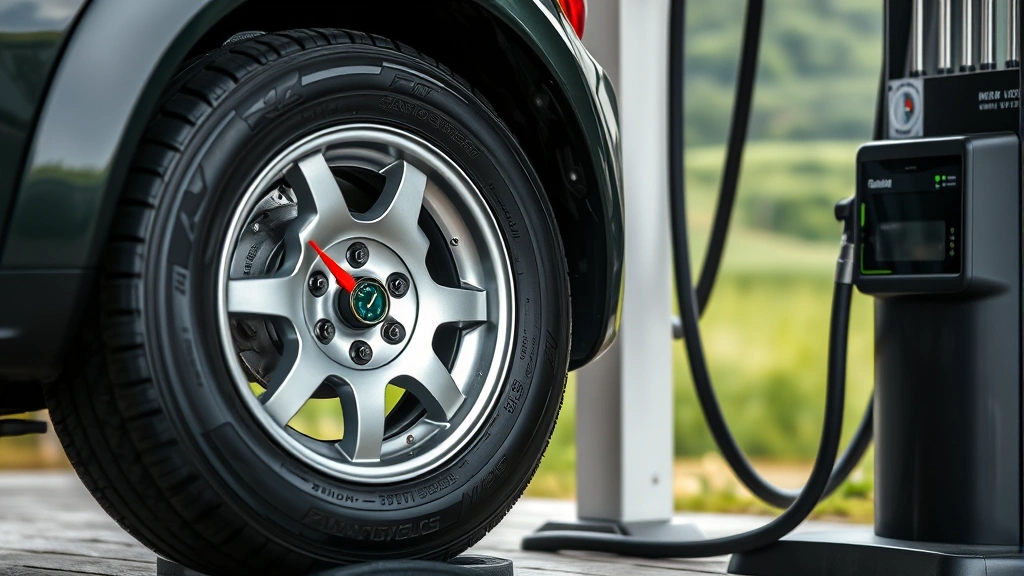
Several strategies can help you locate free air services in your area. Use online mapping tools by searching “free air near me” or “tire inflation stations” on Google Maps. Many gas stations now list this amenity in their facility information.
Call ahead to confirm availability. Most gas station customer service lines can quickly tell you whether a specific location offers complimentary air. This saves time and ensures you won’t make an unnecessary trip.
Check the brand’s official website or mobile app. Many major chains like Shell, Chevron, and others provide location finders that include amenity filters. The SustainWise Hub Blog provides regular updates on gas station services and sustainability practices.
Ask at the fuel pump. Digital displays at many modern fuel pumps indicate whether air is available at that location. Some systems even show the cost, if applicable.
Join loyalty programs. Gas station loyalty apps often highlight which amenities are available at each location, making it easier to plan your stops efficiently.
The EPA’s vehicle maintenance guide recommends checking tire pressure monthly and keeping them properly inflated to manufacturer specifications.
Why Tire Pressure Matters for Sustainability
Understanding the connection between tire pressure and environmental impact is crucial for eco-conscious drivers. When tires are underinflated by just 5 PSI (pounds per square inch), your vehicle’s fuel consumption can increase by approximately 3-5 percent. This might seem minor, but across millions of vehicles, this translates to millions of gallons of wasted gasoline annually.
Proper tire inflation directly reduces carbon emissions. Every gallon of gasoline burned releases approximately 19.6 pounds of CO2 into the atmosphere. By maintaining optimal tire pressure, you’re actively reducing your vehicle’s carbon footprint. This is especially relevant when considering that transportation accounts for a significant portion of global greenhouse gas emissions.
Tire pressure also affects tire longevity and wear patterns. Underinflated tires wear out faster, requiring more frequent replacement. This increases the demand for tire manufacturing, which is an energy-intensive process. By maintaining proper pressure, you extend tire life, reduce manufacturing demand, and decrease the environmental impact of tire disposal and recycling.
For those interested in deeper environmental improvements, exploring advantages of electric vehicles can provide perspective on zero-emission transportation alternatives.
Tips for Maintaining Proper Tire Inflation
Check pressure monthly. Set a reminder on your phone to check tire pressure the first of each month. Cold morning checks provide the most accurate readings since tire pressure increases with heat from driving.
Know your vehicle’s specifications. The correct tire pressure for your specific vehicle is listed on a placard inside the driver’s door jamb, not on the tire sidewall. Tire sidewalls show the maximum pressure, not the recommended operating pressure. Most passenger vehicles require 30-35 PSI.
Check all four tires plus the spare. Many drivers forget about the spare tire, which can be problematic if you need it during an emergency. A properly inflated spare could be a lifesaver.
Inspect for damage. While checking pressure, visually inspect tires for cuts, bulges, or unusual wear patterns. These issues require professional attention and can compromise safety.
Adjust for temperature changes. Tire pressure fluctuates with ambient temperature. For every 10-degree Fahrenheit drop in temperature, tire pressure decreases by approximately 1 PSI. Seasonal adjustments are important for maintaining optimal performance.
Use quality gauges. Digital tire pressure gauges are inexpensive and more accurate than analog versions. Many free air stations have integrated gauges, but having your own ensures accuracy.
Fill tires at the right time. Inflate tires when they’re cold (before driving or at least three hours after driving). Hot tires show artificially high pressure readings.
For broader strategies on environmental responsibility, consider reading about how to reduce your environmental footprint comprehensively.
Alternative Solutions and Future Trends
While free air at gas stations remains the most accessible option, several alternative solutions are emerging. Tire pressure monitoring systems (TPMS) are now standard on most vehicles manufactured after 2007. These systems alert drivers when tire pressure drops below safe levels, making it easier to catch problems before they impact fuel efficiency.
Portable air compressors offer convenience for drivers who want to maintain independence from gas station services. Quality portable compressors range from $30-$200 and can be kept in your vehicle for emergencies.
Home air stations are becoming more common among car enthusiasts and sustainability-focused drivers. A basic compressor system can be installed in a garage for under $100, providing unlimited access to tire inflation.
The future of tire pressure management includes self-inflating tires and automatic pressure adjustment systems that maintain optimal pressure without driver intervention. Some high-end vehicles already feature these technologies, which should become more common as manufacturing costs decrease.
Electric vehicle adoption will eventually reduce reliance on traditional gas stations altogether. As more drivers transition to EVs, the infrastructure for tire maintenance will likely evolve. However, even electric vehicles require proper tire pressure maintenance, making this knowledge universally relevant.
Mobile tire services are expanding in urban areas, bringing professional tire maintenance to customers’ homes or workplaces. These services represent a shift toward convenience-based maintenance rather than gas station visits.
Exploring sustainable energy solutions provides context for how individual maintenance habits fit into broader environmental goals.
The National Highway Traffic Safety Administration (NHTSA) provides comprehensive tire safety information and maintains databases of tire recalls and safety ratings.
FAQ
Do all gas stations offer free air?
No, not all gas stations offer complimentary air. However, most major chains like Shell, Chevron, and Speedway do provide free air at the majority of their locations. Independent stations and some convenience stores may charge a fee, typically $0.50 to $2.00 per inflation. Always confirm with your specific location.
Why did some gas stations start charging for air?
Economic pressures and maintenance costs drove some stations to charge for air. Modern air pump systems are expensive to maintain and require regular calibration. Charging for air helps offset these operational costs, though most major chains have maintained free service as a customer amenity.
What should I do if I can’t find free air near me?
Consider purchasing a portable air compressor for your vehicle. These range from $20-$50 for basic models and provide convenient access to inflation whenever needed. Many auto parts stores like AutoZone and Advance Auto Parts also offer free tire pressure checks.
How often should I check tire pressure?
Monthly checks are recommended, with additional checks before long road trips or seasonal temperature changes. Many vehicles also have tire pressure monitoring systems that alert you to significant pressure drops.
Can improper tire pressure affect my safety?
Yes, significantly. Underinflated tires can overheat and fail, potentially causing blowouts. Overinflated tires reduce traction and increase wear in the center of the tire. Both conditions compromise braking performance and vehicle handling, making proper inflation essential for safety.
Is there a best time of year to check tire pressure?
Check pressure more frequently during seasonal transitions when temperature changes are most significant. Fall and spring are critical times since pressure drops in cold weather and rises in hot weather. However, monthly checks year-round provide the best protection.
What’s the relationship between tire pressure and fuel economy?
Proper tire pressure can improve fuel economy by 3-5 percent. Underinflated tires increase rolling resistance, forcing your engine to work harder and consume more fuel. This directly impacts both your fuel costs and your vehicle’s environmental impact.
FuelEconomy.gov provides detailed information on fuel efficiency and vehicle maintenance, including tire pressure specifications.


