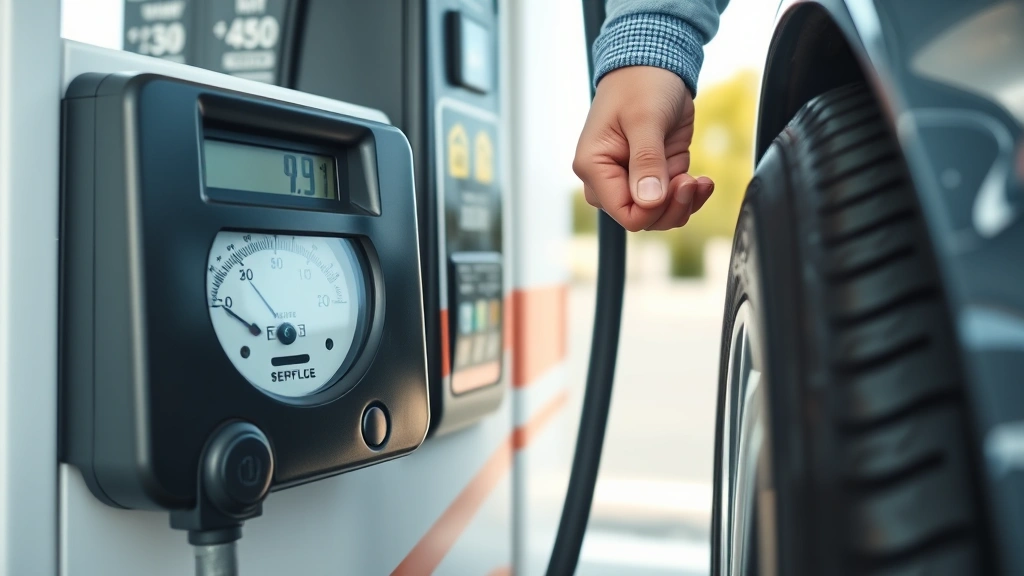
Free Air at Gas Stations? Complete Consumer Report
Finding free air at gas stations has become increasingly important for budget-conscious drivers and environmentally aware consumers alike. Properly inflated tires not only save you money on fuel costs but also reduce your vehicle’s carbon emissions and extend tire lifespan. Yet navigating which gas stations offer complimentary air services can be frustrating, especially when you need it most. This comprehensive consumer report breaks down where to find free air, which chains guarantee it, and how this simple maintenance task connects to your broader environmental footprint reduction goals.
The availability of free air pumps varies dramatically across regions and individual locations. Some major chains have discontinued their services entirely, while others maintain them as a customer loyalty feature. Understanding these distinctions helps you plan your tire maintenance strategically and avoid unnecessary frustration at the pump. Beyond the immediate convenience factor, keeping your tires properly inflated represents one of the easiest ways to improve fuel efficiency and reduce unnecessary emissions from your daily driving.
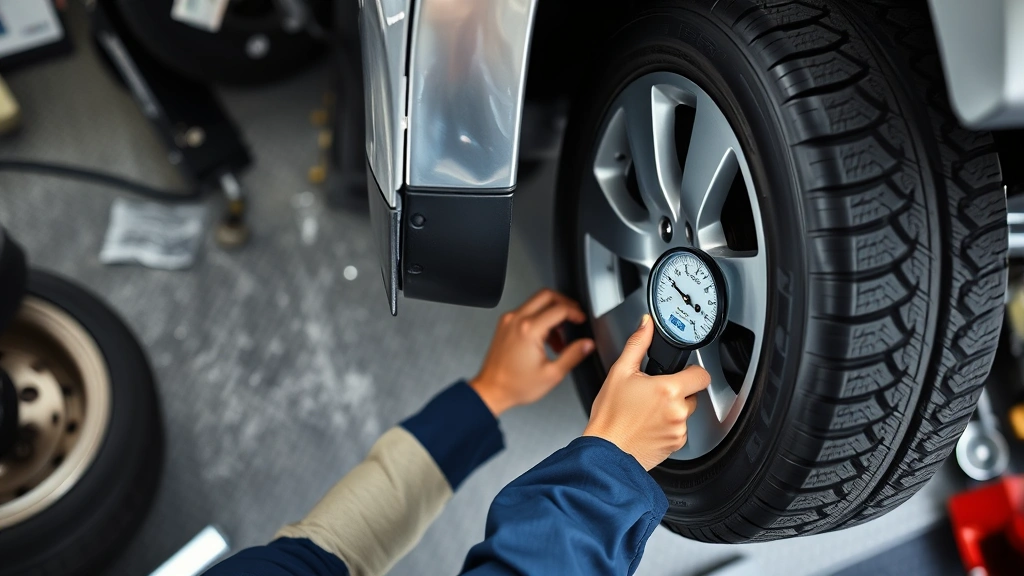
Major Gas Station Chains with Free Air
Sheetz stands out as one of the most reliable chains offering complimentary air at nearly all locations. The convenience store and fuel retailer has maintained this service across its extensive network, viewing it as a customer retention strategy. Sheetz locations typically feature modern, self-service air pumps that display pressure readings clearly, making the process straightforward.
Wawa, another major convenience chain with fuel services, generally provides free air to customers. However, availability can vary by location, so calling ahead remains advisable. Wawa’s commitment to customer service extends to maintaining functional air pumps at most stops.
RaceTrac and RaceWay locations predominantly offer free air services, particularly at their full-service stations. These chains have invested in quality air pump infrastructure, recognizing that proper tire maintenance benefits both customers and the environment.
Speedway, now operating under the Murphy USA brand in many regions, maintains free air at most locations. The transition has been gradual, but the company continues supporting this service as part of its customer care philosophy.
Pilot Flying J truck stops and travel centers generally offer free air, though policies can differ between company-operated and franchise locations. This is particularly valuable for long-haul drivers and travelers who need reliable tire maintenance access.
Love’s Travel Stops similarly provide complimentary air services at most locations, making them dependable options for highway travelers and regular commuters seeking gas stations with free air near me.
Casey’s General Stores typically offer free air at their fuel locations, particularly in Midwest regions where the chain maintains significant presence. Their customer-first approach includes maintaining accessible air pump services.
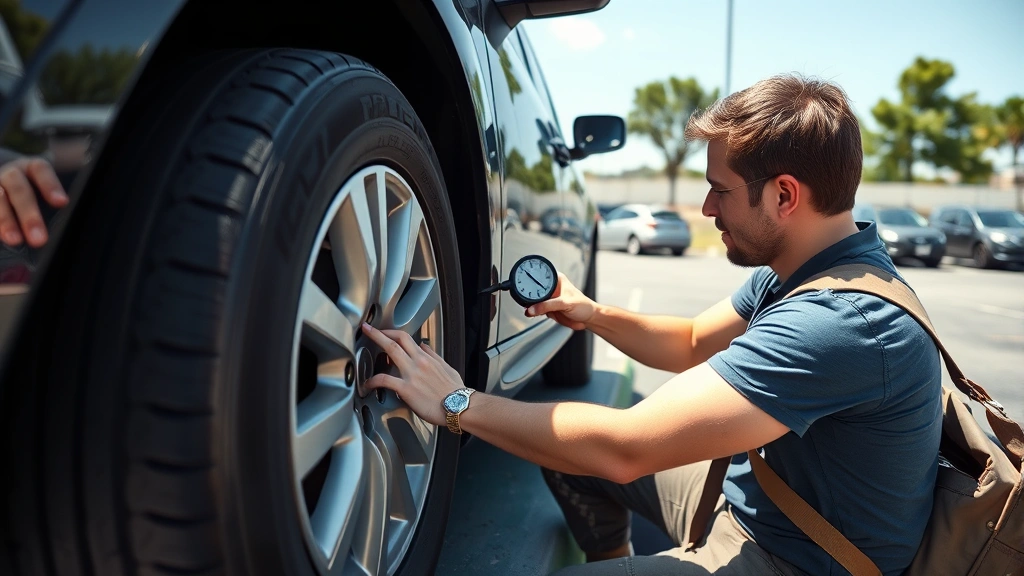
Chains That Discontinued Free Air
Shell eliminated free air services at most locations years ago, shifting toward paid air services. This decision frustrated many customers but reflected changing business models in the petroleum retail sector.
BP and Chevron have largely discontinued complimentary air, instead directing customers to paid stations or suggesting they visit affiliated convenience stores. Some independent franchisees may still offer free services, but corporate policy leans toward monetization.
Exxon Mobil stations rarely provide free air, with most requiring payment or offering it exclusively to loyalty program members. The company’s premium positioning has influenced this decision.
Valero and Sunoco independently operated stations frequently charge for air, though corporate guidance varies. Always check before assuming free service at these locations.
Circle K policies vary significantly by region and franchisee, with many locations charging for air services. While some locations maintain free pumps, it’s unreliable enough to warrant confirmation before visiting.
How to Find Free Air Near You
The most reliable method involves using Google Maps. Search “gas stations near me” and read recent reviews, which often mention free air availability. Customers frequently comment on whether air pumps are functional and whether they’re free or paid.
GasBuddy, the popular fuel price comparison app, includes station amenities in its listings. Filter by “free air” or check individual station pages for confirmed information. This crowdsourced database gets updated regularly as customers report changes.
Chain websites sometimes specify free air availability in their “amenities” sections. Calling ahead directly remains the most reliable approach, particularly for less common chains or independent stations.
Local tire shops often provide free air as a customer service gesture, even if you haven’t purchased from them. Many prioritize community goodwill and recognize that helping with tire maintenance builds loyalty.
Car washes frequently maintain air pumps for customer use. Some are free while others charge a dollar or two, but they’re generally reliable options when gas stations disappoint.
Your local SustainWise Hub Blog may contain location-specific guides identifying free air sources in your region. Community resources often have up-to-date information that national databases miss.
Why Tire Pressure Matters for Sustainability
Underinflated tires create significantly more rolling resistance, forcing your engine to work harder and consume more fuel. Research from the EPA’s Green Vehicles database indicates that improper tire pressure can reduce fuel economy by up to 3 percent. For a vehicle averaging 25 miles per gallon, this translates to meaningful fuel waste and increased emissions.
Properly inflated tires also last longer, reducing the frequency of replacement and associated manufacturing waste. Tire production requires significant resources and energy, making tire longevity an environmental priority. Every thousand additional miles you get from a tire represents reduced manufacturing demand and landfill impact.
Temperature fluctuations affect tire pressure naturally, with cold weather reducing pressure and heat increasing it. Seasonal checks ensure your tires maintain manufacturer-recommended pressure year-round. Most vehicle door jambs display the correct pressure specification for your specific model.
Overinflated tires create different problems, including reduced traction and uneven wear patterns. The sweet spot—manufacturer-recommended pressure—optimizes fuel efficiency, safety, and tire lifespan simultaneously.
Alternative Air Sources Beyond Gas Stations
Costco and Sam’s Club tire centers provide free air to members, often with superior pump quality compared to gas station options. If you’re a member seeking sustainable energy solutions for your vehicle, this represents an excellent option.
Discount Tire locations offer free air to everyone, not just customers who’ve purchased tires. This policy reflects the company’s philosophy that proper tire maintenance benefits the entire community.
Firestone, Goodyear, and Michelin tire retailers typically provide complimentary air services. These establishments recognize that accessible tire maintenance drives customer loyalty and supports vehicle safety.
Independent mechanics and automotive shops frequently offer free air as a courtesy service. Building community relationships often matters more to small shops than maximizing revenue from every interaction.
Car dealerships sometimes provide free air to customers, particularly those maintaining vehicles at their service centers. It’s worth asking during your next service visit.
Connecting Free Air to Broader Sustainability Goals
Maintaining proper tire pressure represents a gateway to deeper environmental consciousness about vehicle operation. Once you recognize the fuel efficiency benefits of this simple maintenance task, other optimization opportunities become apparent. Consider exploring advantages of electric vehicles for your next purchase, or implementing hypermiling techniques that further reduce fuel consumption.
The availability of free air services reflects broader trends in corporate sustainability commitments. Chains maintaining these services demonstrate recognition that environmental responsibility and customer service align perfectly. Supporting businesses that prioritize such amenities sends market signals encouraging continued environmental stewardship.
Properly inflated tires also reduce noise pollution and improve vehicle handling, creating secondary environmental and safety benefits beyond fuel efficiency. This compound effect makes tire maintenance one of the highest-impact, lowest-effort sustainability actions available to drivers.
For those considering vehicle transitions, tire maintenance awareness often precedes interest in electric vehicle advantages. Environmental consciousness tends to expand once you start noticing simple opportunities for personal impact reduction.
Frequently Asked Questions
What’s the correct tire pressure for my vehicle?
Check your vehicle’s door jamb (driver’s side) for the manufacturer’s recommended pressure specification. This differs from the tire’s maximum pressure rating. Proper pressure typically ranges from 28-35 PSI for standard vehicles, but your specific model may vary. Check when tires are cold for the most accurate reading.
How often should I check tire pressure?
Monthly checks represent best practice, with additional checks before long trips or seasonal temperature changes. Cold weather typically reduces pressure 1-2 PSI per 10-degree temperature drop, so winter months may require more frequent attention.
Are tire pressure monitoring systems reliable?
Modern TPMS systems alert you to significant pressure drops but aren’t substitutes for manual checking. They typically trigger warnings only when pressure drops 25 percent below recommended levels, missing gradual, moderate underinflation that still impacts fuel economy.
Can I use air pumps at car washes?
Yes, most car washes maintain air pumps for customer use. Some charge a dollar or two, while others provide free service. Quality varies, so test the pump’s accuracy if possible before relying on it for critical adjustments.
What happens if I overinflate my tires?
Overinflated tires wear unevenly (center faster than edges), reduce traction, and can create a harsher ride. Stick to manufacturer recommendations rather than maximizing pressure, as the proper balance optimizes all performance metrics simultaneously.
Do electric vehicles need tire pressure checks?
Yes, absolutely. Electric vehicles actually benefit even more from proper tire pressure due to their heavier weight and immediate torque delivery. Maintaining optimal pressure helps maximize range and efficiency, which matters significantly for EV owners.
Why did major chains stop offering free air?
Monetization represents the primary reason. Companies realized they could charge for air services, viewing it as a profit opportunity rather than a customer service loss leader. Some locations still offer free air strategically in competitive markets where it drives customer loyalty.


