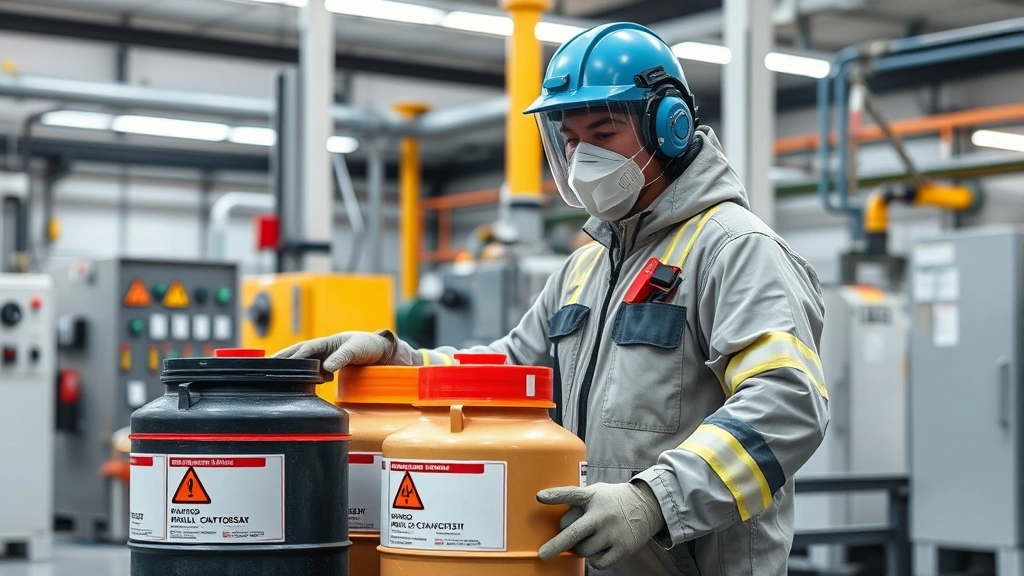
Dispose Old Gas Safely: Certified Disposal Tips
Disposing of old gasoline is one of those household tasks that many people overlook until they’re faced with a garage full of deteriorated fuel. Whether you’ve discovered forgotten gas cans from last season, have fuel left over from equipment maintenance, or inherited old fuel from a property, understanding where to dispose of old gas safely and responsibly is critical. Old gasoline poses serious environmental and safety risks, including groundwater contamination, air pollution, and fire hazards. This comprehensive guide walks you through certified disposal methods, regulatory requirements, and sustainable alternatives that align with environmental stewardship.
The challenge of proper fuel disposal extends beyond simply pouring it down a drain or into the trash. Improper disposal can result in fines, environmental damage, and potential harm to water supplies serving thousands of people. By learning the correct procedures and finding authorized disposal facilities in your area, you’ll protect your community while staying compliant with federal and state regulations.
Why Proper Gas Disposal Matters
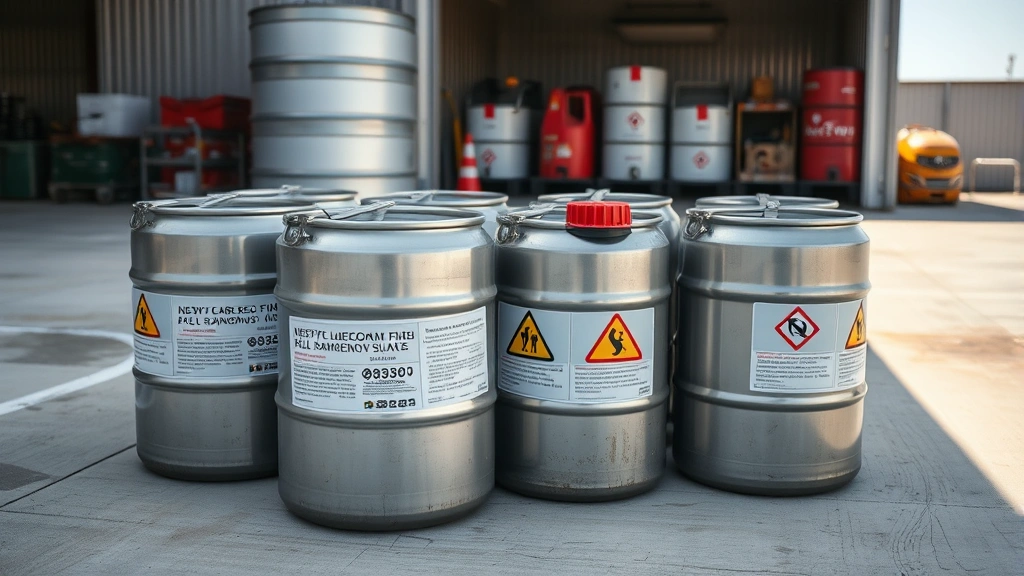
Old gasoline deteriorates over time, becoming increasingly hazardous. When fuel sits in containers for months or years, it undergoes oxidation and separation, breaking down into unstable compounds that become corrosive and potentially explosive. Beyond the chemical changes, old fuel can contain water contamination from condensation buildup, which increases the risk of microbial growth and further degradation.
The environmental stakes are substantial. According to the EPA’s hazardous waste division, improperly disposed gasoline can leach into soil and groundwater within days, potentially affecting drinking water supplies for entire communities. A single gallon of gasoline can contaminate up to 750,000 gallons of groundwater. Additionally, old fuel vapors contribute to volatile organic compound (VOC) emissions, which participate in ground-level ozone formation and contribute to air quality degradation.
From a personal safety perspective, old gasoline is unpredictable. The degraded fuel may not ignite properly in engines, potentially causing damage to equipment. When stored improperly, deteriorated fuel can spontaneously ignite or explode, particularly in warm conditions. Proper disposal eliminates these risks while preventing accidents that could harm you, your family, or emergency responders.
Finding Certified Disposal Facilities
The most reliable way to dispose of old gas is through certified hazardous waste facilities. These specialized centers have the equipment, training, and environmental safeguards necessary to handle fuel safely. Here’s how to locate one near you:
- Contact your local waste management authority: Call your city or county environmental services department. They maintain registries of licensed hazardous waste disposal facilities and can direct you to the nearest certified location. Many provide this information on their websites.
- Use the EPA’s Waste Wizard: Visit EPA.gov’s hazardous waste resources and enter your location to find authorized disposal sites. This database is updated regularly and includes facility contact information and accepted materials.
- Check with automotive retailers: Many auto parts stores like AutoZone, O’Reilly, and NAPA accept small quantities of used oil and sometimes old gasoline. Call ahead to confirm they accept fuel and ask about any associated fees.
- Understanding fuel efficiency helps prevent fuel waste, but when disposal is necessary, these facilities are your best option.
- Household hazardous waste collection events: Many communities organize annual collection days where residents can drop off hazardous materials including old fuel at no cost. Check your local government’s website for upcoming events.
- Gas station disposal: Some gas stations accept old fuel, though policies vary by location. Call ahead to ask about their disposal programs and any fees involved.
When contacting facilities, ask about:
- Accepted fuel types and quantities
- Container requirements and whether they accept fuel in original containers
- Hours of operation and appointment requirements
- Associated costs (many municipal programs are free)
- Documentation or proof of disposal they provide
Preparation Steps Before Disposal
Proper preparation ensures safe transportation to disposal facilities and prevents accidents during the process. Follow these steps meticulously:
- Assess the fuel condition: Determine how old the gasoline is and its current state. Old fuel may appear discolored, cloudy, or have a strong chemical odor. Note any visible contamination or water separation in the container.
- Use appropriate containers: Transfer fuel only into approved, clearly labeled hazardous material containers. Never use food or beverage containers, as this creates serious contamination and safety risks. Approved containers include metal fuel cans with secure, locking lids specifically designed for gasoline storage.
- Ensure proper labeling: Mark containers clearly with “OLD GASOLINE” or “USED FUEL” using permanent markers or printed labels. Include the date if known. This alerts everyone handling the material to its hazardous nature.
- Minimize quantity: Only transfer the amount of fuel you need to dispose of. Keep containers as full as possible to minimize vapor space, which reduces flammability risks during transport.
- Store safely before disposal: Keep prepared containers in a cool, well-ventilated area away from heat sources, electrical equipment, and living spaces. Never store fuel indoors or in enclosed vehicles.
- Plan your route: Before transportation, map the quickest route to your disposal facility. Minimize travel time and avoid congested areas where accidents might occur.
- Check weather conditions: Avoid transporting fuel during extreme heat, thunderstorms, or high wind conditions that increase evaporation and safety risks.
Understanding fuel types and grades can help you identify what you’re disposing of, though all old gasoline requires the same certified disposal approach regardless of original grade.
Approved Disposal Methods
Several certified methods exist for safely disposing of old gasoline, each with specific advantages:
Hazardous Waste Facility Incineration
Licensed hazardous waste facilities use controlled incineration to burn old fuel at extremely high temperatures. Modern incinerators capture emissions and neutralize harmful substances before they enter the atmosphere. This method completely eliminates the fuel and prevents any possibility of environmental contamination. Most facilities charge minimal fees for residential quantities.
Fuel Blending and Recycling
Some facilities can blend old fuel with newer fuel or reprocess it into acceptable fuel products. This approach recycles the fuel rather than destroying it, making it more sustainable. However, only fuel that meets specific quality standards can be recycled, so heavily degraded fuel typically cannot use this method.
Waste-to-Energy Programs
Certain municipalities operate waste-to-energy facilities that burn hazardous waste to generate electricity or heat. Old gasoline can fuel these operations, providing dual benefits: safe disposal and renewable energy generation. Research whether your area offers this option through your local waste management authority.
Absorbent Material Method
For very small quantities, some facilities accept fuel absorbed into special absorbent materials. This method is typically only for minor spills or minimal amounts, and the absorbent material is then incinerated.
Fuel Oil Recycling Programs
Some heating oil recycling programs accept old gasoline alongside used oil. These specialized facilities process fuel for either incineration or blending. Call local heating oil suppliers to ask whether they participate in recycling programs.
Regulations and Compliance Requirements
Federal and state regulations strictly govern hazardous waste disposal, including old gasoline. Understanding these requirements protects you from penalties and ensures proper environmental stewardship:
EPA Regulations
The EPA classifies gasoline as a hazardous waste due to its flammability and toxicity characteristics. Under the Resource Conservation and Recovery Act (RCRA), improper disposal can result in civil penalties up to $50,000 per day of violation. Residential quantities typically receive more lenient treatment than commercial disposal, but regulations still apply.
State and Local Requirements
Individual states impose additional regulations beyond EPA requirements. California, for example, has stricter fuel storage and disposal standards than most states. Your state environmental agency website provides specific rules. Many local jurisdictions require documentation of disposal, so request receipts or certificates from your disposal facility.
Transportation Regulations
The Department of Transportation (DOT) regulates how hazardous materials, including old fuel, must be transported. Containers must be properly labeled, secured to prevent spillage, and transported in appropriate vehicles. For residential quantities transported personally, requirements are less stringent than commercial transport, but safety standards still apply.
Liability and Documentation
Keep receipts and documentation proving you disposed of fuel at an authorized facility. This documentation protects you legally and demonstrates compliance if questions arise. Some facilities provide certificates of disposal specifically for this purpose.
Adopting practices to reduce your environmental footprint includes proper hazardous waste management, making certified disposal a critical component of household sustainability.
Prevention Through Proper Storage
The best approach to fuel disposal is preventing the accumulation of old gasoline in the first place. Proper storage practices extend fuel life and minimize disposal needs:
Use Fuel Stabilizers
Fuel stabilizers prevent oxidation and separation when added to gasoline before storage. Products containing ethanol-safe stabilizers can extend fuel shelf life from 3-6 months to 12-24 months. This is particularly valuable for seasonal equipment like lawnmowers, generators, and boats.
Store in Appropriate Containers
Use only approved metal or plastic fuel containers designed specifically for gasoline storage. These containers feature safety features including flame arrestors and locking caps that prevent spills and vapor escape. Glass containers and non-fuel containers create serious safety hazards.
Maintain Optimal Storage Conditions
Store fuel in cool, dark, well-ventilated areas away from heat sources, sunlight, and electrical equipment. Temperatures between 50-80 degrees Fahrenheit are ideal. Avoid basements, attics, and enclosed spaces where vapors can accumulate. Outdoor storage sheds work well if properly ventilated.
Keep Containers Sealed
Tightly sealed containers prevent water contamination from condensation and minimize vapor loss. Check seals periodically to ensure they remain intact. Never leave fuel containers open or partially sealed.
Track Storage Duration
Label containers with the storage date and use fuel within recommended timeframes. Rotate stock by using older fuel first. For equipment used seasonally, drain fuel at the end of the season or add stabilizer if storing the fuel.
Consider Alternative Energy
Exploring sustainable energy solutions and advantages of electric vehicles can reduce your reliance on gasoline altogether, minimizing future disposal needs while supporting environmental goals.
Maintain Equipment Properly
Well-maintained equipment runs efficiently and uses fuel more effectively. Regular tune-ups, clean air filters, and proper fuel grades reduce fuel waste and degradation issues.
Frequently Asked Questions
Can I pour old gasoline down the drain?
Absolutely not. Pouring gasoline down drains is illegal in most jurisdictions and causes severe environmental damage. Fuel contaminated water enters treatment facilities that aren’t designed to remove it, potentially reaching drinking water supplies. This practice violates EPA regulations and can result in substantial fines.
What if I only have a small amount of old gas?
Even small quantities require proper disposal. A single gallon can contaminate 750,000 gallons of groundwater. Contact your local hazardous waste facility—many accept small residential quantities at no cost. Some auto parts stores also accept minimal amounts.
How long can gasoline be stored safely?
Untreated gasoline remains usable for 3-6 months before oxidation becomes problematic. With fuel stabilizer added at the time of storage, fuel can last 12-24 months. After these timeframes, fuel should be disposed of at certified facilities rather than used in equipment.
Is old diesel fuel the same as old gasoline for disposal purposes?
Diesel fuel has different disposal requirements than gasoline, though both are hazardous materials. Some facilities accept both, while others specialize in specific fuel types. Always inform disposal facilities of the exact fuel type you’re disposing of.
Can I mix old gasoline with new gasoline?
Mixing old, degraded fuel with new fuel contaminates the new fuel and can damage equipment. Never combine old and new gasoline. Dispose of old fuel separately at certified facilities.
What should I do if I spill gasoline?
For small spills, cover the area with absorbent material like kitty litter or sand to prevent spreading. Place the absorbent material in a sealed container and take it to a hazardous waste facility. For large spills, contact your local environmental agency or hazardous materials team immediately. Never use water to clean up gasoline, as it spreads contamination.
Are there fees for residential fuel disposal?
Many municipal hazardous waste collection events accept fuel at no cost. Licensed private facilities may charge nominal fees, typically $5-20 per gallon. Call ahead to ask about pricing. The cost is minimal compared to potential environmental damage and legal penalties from improper disposal.
Can I burn old gasoline in a fireplace or outdoor fire?
Burning gasoline in uncontrolled environments is extremely dangerous and illegal. Gasoline burns explosively and produces toxic emissions. Only licensed facilities with proper equipment should burn hazardous fuel.


