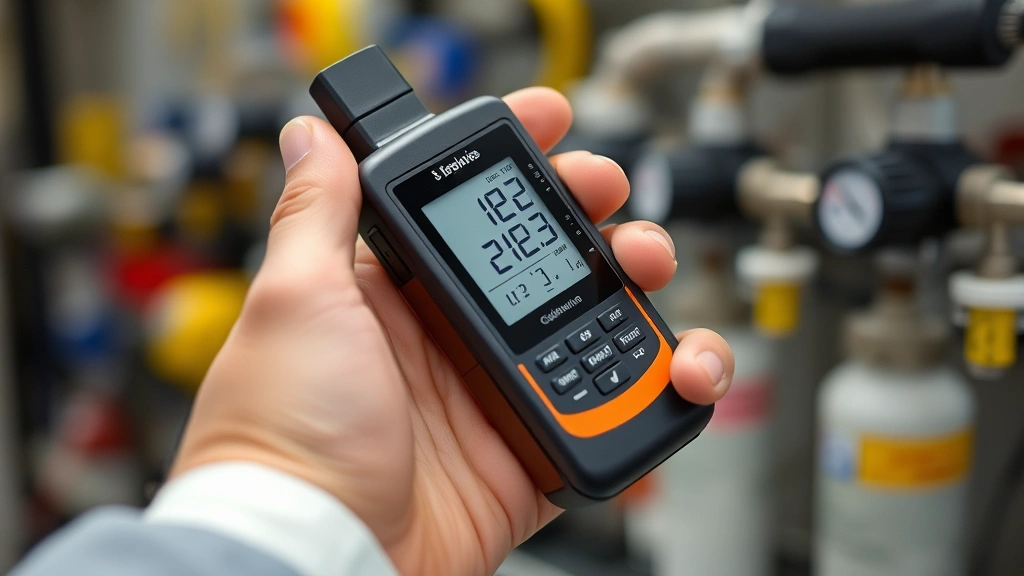
How to Calibrate Gas Detectors? Expert Tips for Safety and Accuracy
Gas detector calibration is a critical safety procedure that ensures your detection equipment functions accurately and reliably. Whether you’re managing industrial facilities, laboratories, or confined spaces, proper calibration of gas detectors protects workers from hazardous exposures and ensures regulatory compliance. This comprehensive guide explores the essential steps, best practices, and considerations for maintaining calibrated gas detection systems that safeguard your operations.
Understanding the importance of gas detector calibration goes beyond basic maintenance—it’s about creating a culture of safety and environmental responsibility. When detectors are properly calibrated, they provide accurate readings that help prevent accidents, reduce emissions, and protect both human health and the environment. The investment in quality calibration equipment and procedures pays dividends through improved workplace safety and operational efficiency.
Understanding Gas Detector Calibration
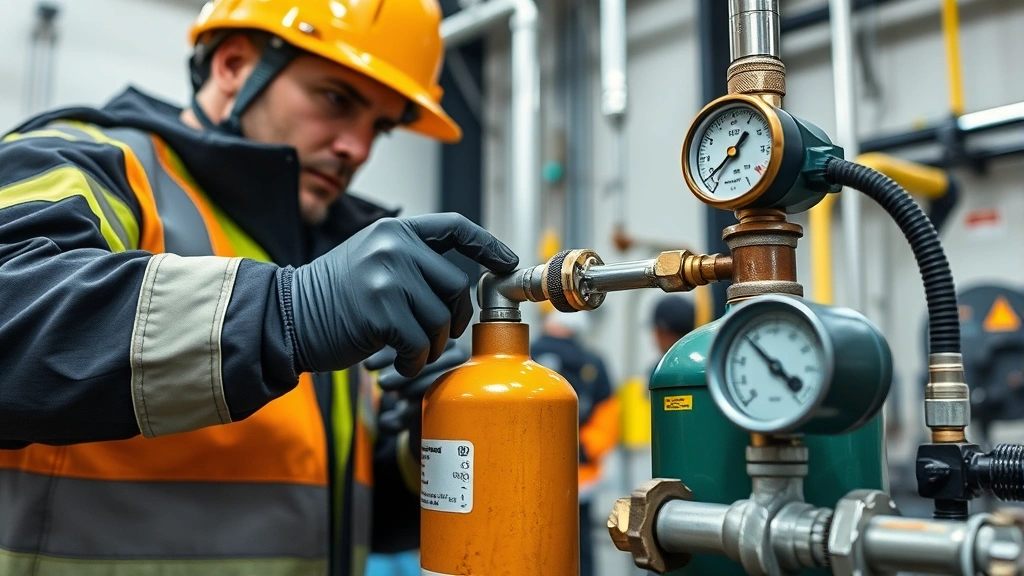
Gas detector calibration is the process of adjusting and verifying that a detection device responds accurately to known concentrations of specific gases. This procedure involves exposing the detector to a calibration gas of known concentration and adjusting the sensor’s response to match expected values. Calibration ensures that when the detector encounters hazardous gases in real-world conditions, it provides accurate readings that trigger appropriate safety responses.
The science behind calibration relies on sensor drift—a natural tendency of detection sensors to lose accuracy over time due to exposure to various environmental conditions, temperature fluctuations, and chemical reactions. Regular calibration compensates for this drift and restores the detector to its original specifications. Understanding this concept is fundamental to appreciating why calibration isn’t optional but rather a mandatory safety practice in most industrial and commercial settings.
Proper calibration directly impacts your ability to detect dangerous gases before they cause harm. When exploring sustainable energy solutions, gas detection plays a crucial role in ensuring safe handling of natural gas and other fuel sources. The accuracy of your detection equipment determines whether you can identify leaks early and prevent environmental contamination.
Types of Gas Detectors and Their Calibration Needs
Different gas detectors utilize various sensing technologies, each requiring specific calibration approaches. Understanding your detector type is essential for implementing proper calibration procedures that maintain accuracy and extend equipment lifespan.
- Catalytic Bead Detectors: These sensors detect combustible gases through a chemical reaction that changes resistance. They require regular calibration with specific calibration gases and are commonly used in industrial environments.
- Electrochemical Sensors: Used for detecting toxic gases like carbon monoxide and hydrogen sulfide, these detectors need frequent calibration due to their sensitivity to environmental changes.
- Infrared Sensors: Ideal for detecting hydrocarbons and carbon dioxide, infrared detectors generally require less frequent calibration but still need regular verification.
- Photo-ionization Detectors (PID): These advanced sensors detect volatile organic compounds and require specialized calibration gases and procedures.
- Oxygen Sensors: Essential for confined space entry and industrial hygiene monitoring, oxygen detectors need precise calibration to ensure accurate readings across their range.
When considering natural gas versus propane applications, you’ll encounter different detector requirements. Natural gas systems typically require catalytic bead detectors, while propane applications may use similar technology but with different calibration gas mixtures. Each fuel type demands specific attention to ensure your detection equipment operates optimally.
Step-by-Step Calibration Process
Performing accurate gas detector calibration requires systematic attention to detail and adherence to established procedures. Here’s a comprehensive walkthrough of the calibration process:
- Pre-Calibration Inspection: Before beginning calibration, inspect your detector for physical damage, corrosion, or contamination. Check battery levels and ensure all connections are secure. Clean the sensor area gently if needed, being careful not to damage sensitive components.
- Document Baseline Readings: Record the detector’s current readings in a clean air environment. This baseline helps you track sensor drift and verify that calibration achieves expected results.
- Prepare Calibration Gas: Obtain certified calibration gas appropriate for your detector type. Calibration gases come in various concentrations; select the concentration recommended by your detector manufacturer. Always verify the gas expiration date and certification documents.
- Establish Proper Environment: Perform calibration in a stable temperature environment away from direct sunlight, vibrations, and electromagnetic interference. Most detectors function optimally between 15-25°C (59-77°F).
- Connect Calibration Equipment: Attach the calibration gas source to your detector according to manufacturer specifications. Use appropriate adapters and regulators to control gas flow rates. Typical flow rates range from 0.5 to 1.0 liters per minute.
- Allow Stabilization Time: Once calibration gas flows, allow the detector adequate time to stabilize—typically 30 seconds to 2 minutes depending on sensor type. Watch for consistent readings before proceeding.
- Verify Sensor Response: Compare the detector’s reading to the known calibration gas concentration. The reading should match within acceptable tolerances (usually ±5-10% depending on equipment specifications).
- Make Adjustments: If readings don’t match specifications, use the detector’s calibration controls to adjust the sensor response. Some modern detectors adjust automatically; others require manual calibration using potentiometers or digital interfaces.
- Complete Calibration Cycle: Allow the detector to return to zero in clean air. Document the final readings and any adjustments made during the process.
- Record Documentation: Maintain detailed calibration records including date, time, calibration gas used, readings before and after calibration, and technician identification.
Calibration Equipment and Technology
Modern gas detector calibration requires appropriate equipment that delivers precise gas concentrations and enables accurate sensor verification. Understanding the tools available helps you choose solutions that fit your operational needs and budget.
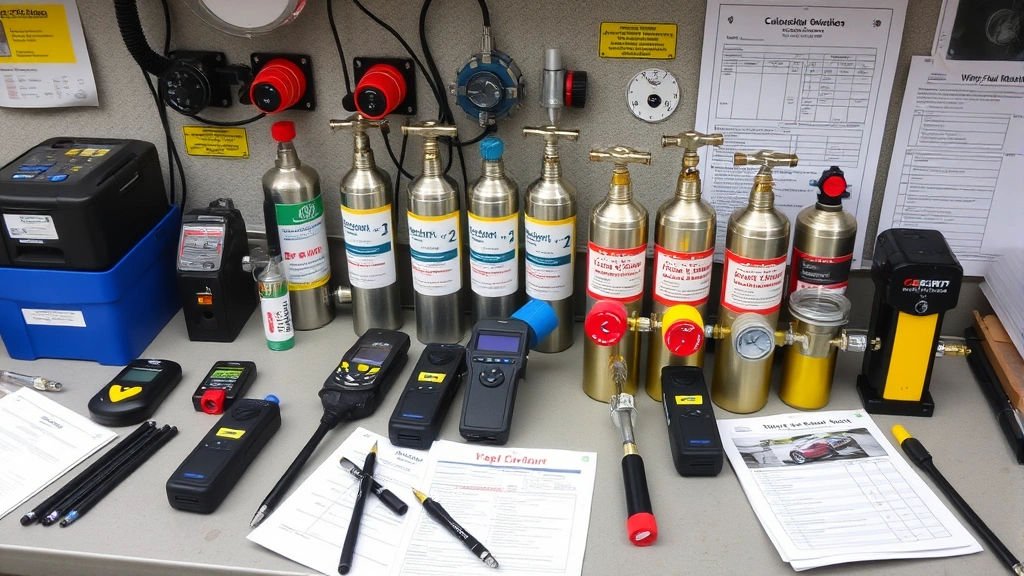
Calibration Gas Cylinders and Regulators: Certified calibration gases come in pressurized cylinders containing known concentrations of target gases mixed with carrier gases. High-quality regulators control flow rates precisely, ensuring consistent exposure. When researching xnx gas detector calibration machine price options, consider that quality calibration equipment represents an investment in safety and regulatory compliance.
Dedicated calibration machines provide automated calibration procedures that reduce human error and improve consistency. These devices typically feature multiple calibration gas inputs, programmable exposure times, and automated sensor response verification. While calibration machines represent higher initial investment, they offer significant advantages for organizations managing multiple detectors or requiring frequent calibration cycles.
Multi-gas calibration systems enable simultaneous calibration of detectors for multiple gas types, streamlining operations in facilities using diverse detection equipment. These systems improve efficiency while maintaining accuracy and comprehensive documentation capabilities.
Understanding green technology innovations in gas detection reveals how modern equipment incorporates digital interfaces, wireless connectivity, and automated record-keeping that reduce paper waste and improve data management. Contemporary calibration machines often integrate with facility management systems, enabling real-time tracking of equipment status and maintenance schedules.
Frequency and Scheduling Guidelines
Determining appropriate calibration frequency depends on detector type, usage patterns, environmental conditions, and regulatory requirements. Establishing a systematic calibration schedule ensures no detectors are overlooked and helps maintain consistent safety standards throughout your operation.
Regulatory Requirements: OSHA, EPA, and industry-specific standards mandate calibration frequencies for various detector types. Most combustible gas detectors require calibration every 6 months, while some electrochemical sensors need quarterly or even monthly calibration. Always consult applicable regulations for your industry and jurisdiction.
Manufacturer Recommendations: Gas detector manufacturers provide specific calibration intervals based on sensor technology and expected exposure conditions. Following these recommendations maintains warranty coverage and ensures optimal detector performance.
Environmental Factors: Detectors in harsh environments with extreme temperatures, high humidity, or chemical exposure may require more frequent calibration. Facilities with frequent equipment movement or vibration should calibrate more often to account for increased sensor stress.
Usage Patterns: Detectors in continuous operation require more frequent calibration than those used intermittently. Detectors that have alarmed recently should be recalibrated immediately to verify proper function after exposure to target gases.
Implementing a centralized calibration management system helps track schedules across your entire detector inventory. Many organizations use spreadsheets or dedicated software to schedule calibrations, send reminders, and maintain compliance documentation. This systematic approach prevents missed calibrations and demonstrates due diligence in safety management.
Common Calibration Mistakes to Avoid
Even experienced technicians can make calibration errors that compromise detector accuracy and safety. Understanding common mistakes helps you implement quality control measures that maintain detection system reliability.
- Using Expired Calibration Gas: Calibration gas concentrations degrade over time. Always verify expiration dates and use fresh gas to ensure accurate calibration. Expired gas may contain incorrect concentrations, producing inaccurate detector adjustments.
- Incorrect Calibration Gas Selection: Using the wrong calibration gas for your detector type produces meaningless readings and false adjustments. Always verify that calibration gas composition matches detector specifications.
- Improper Flow Rates: Delivering calibration gas too quickly or slowly affects sensor response and produces inaccurate readings. Maintain manufacturer-specified flow rates using appropriate regulators.
- Inadequate Stabilization Time: Rushing calibration before sensors stabilize produces unreliable readings. Always allow sufficient time for sensor response to reach steady state.
- Environmental Interference: Performing calibration in unstable environments with temperature fluctuations, vibrations, or electromagnetic interference produces inconsistent results. Establish a dedicated, controlled calibration space.
- Poor Documentation: Failing to maintain detailed calibration records prevents tracking of detector performance trends and complicates regulatory audits. Implement standardized documentation procedures for every calibration.
- Neglecting Detector Maintenance: Dirty sensors, corroded connectors, and damaged components interfere with calibration accuracy. Regular maintenance before calibration ensures reliable results.
Environmental and Safety Considerations
Gas detector calibration intersects with broader environmental and occupational safety concerns. Implementing calibration procedures thoughtfully contributes to your facility’s overall sustainability and safety culture.
Proper gas detector maintenance and calibration prevents dangerous leaks from going undetected, protecting both workers and the environment. When exploring how to reduce your environmental footprint, implementing reliable gas detection systems ensures that hazardous releases are identified and contained before they cause environmental damage.
Consider the environmental impact of calibration gas disposal. Many calibration gases are inert or non-toxic, but some require special handling. Work with certified disposal services to ensure calibration gas cylinders and residual contents are managed responsibly. Empty cylinders should be recycled through proper channels rather than sent to landfills.
Calibration procedures should incorporate safety protocols that protect technicians and surrounding workers. Ensure adequate ventilation when using calibration gases, use appropriate personal protective equipment, and establish clear work zones that prevent unauthorized access during calibration activities.
The EPA air quality standards establish thresholds for various gases that gas detectors help monitor. Properly calibrated detectors enable facilities to maintain compliance with these standards and demonstrate environmental responsibility to regulators and stakeholders.
Investing in quality calibration demonstrates commitment to worker safety and environmental protection. Organizations that prioritize detector maintenance and calibration reduce incident risks, improve operational reliability, and build stronger safety cultures. This commitment extends to exploring advantages of electric vehicles and other technologies that reduce reliance on traditional fuel sources and associated detection challenges.
For comprehensive guidance on gas detection and safety management, consult the OSHA website for regulatory requirements and best practices. The CDC NIOSH program provides evidence-based recommendations for occupational safety including gas detection protocols. Additionally, the National Fire Protection Association (NFPA) establishes standards for combustible gas detection and safety procedures.
Visit the SustainWise Hub Blog for additional resources on gas safety, energy management, and sustainability practices that complement your detector calibration program.
FAQ
How often should gas detectors be calibrated?
Most combustible gas detectors require calibration every 6 months, while electrochemical sensors often need quarterly or monthly calibration. Regulatory requirements and manufacturer recommendations vary by detector type and application. Always consult OSHA standards and equipment specifications for your specific situation.
What happens if a gas detector isn’t calibrated?
Uncalibrated detectors may provide inaccurate readings that fail to detect hazardous gas concentrations. This creates serious safety risks, regulatory violations, and potential liability. Detectors can drift significantly over time, making regular calibration essential for reliable protection.
Can I calibrate gas detectors myself?
While some organizations conduct in-house calibration, many prefer using certified calibration service providers who maintain specialized equipment and expertise. If calibrating in-house, ensure technicians receive proper training, use certified calibration gases, and maintain detailed documentation.
How much does gas detector calibration cost?
Calibration costs vary based on detector type, quantity, and whether you use in-house or external services. Professional calibration services typically charge $50-200 per detector. Investing in quality calibration equipment for in-house use requires initial capital but reduces per-unit costs for organizations managing large detector inventories.
What is the difference between bump testing and calibration?
Bump testing is a quick functional check using calibration gas to verify detector responsiveness before use. Calibration is a more thorough procedure that adjusts sensor response to match known concentrations. Both are important: bump testing ensures daily readiness, while calibration maintains long-term accuracy.
Do I need specific certifications to calibrate gas detectors?
Requirements vary by jurisdiction and industry. Some regions require certified calibration technicians, while others only mandate proper training and documentation. Check local regulations and industry standards applicable to your facility.


