Is a Gas Water Heater Eco-Friendly? Expert Advice on 40 Gallon Models
When it comes to heating water for your home, the environmental impact of your choice matters more than ever. A 40 gallon water heater gas unit represents a common household appliance that millions of families rely on daily, yet many homeowners never consider its ecological footprint. The debate between gas, electric, and renewable energy water heaters has intensified as climate concerns grow and energy costs fluctuate. Understanding whether a gas water heater is truly eco-friendly requires examining its efficiency ratings, carbon emissions, operational costs, and how it compares to alternative technologies available today.
The short answer is nuanced: traditional gas water heaters are more efficient than electric resistance models but significantly less environmentally friendly than heat pump or solar alternatives. A 40 gallon gas water heater typically achieves energy factors between 0.59 and 0.67, meaning it converts 59-67% of fuel energy into usable hot water. While this outperforms standard electric heaters, it still releases greenhouse gases and depends on fossil fuel extraction. For environmentally conscious homeowners, understanding these trade-offs helps inform better decisions about home energy systems and long-term sustainability investments.
How Gas Water Heaters Work and Their Environmental Impact
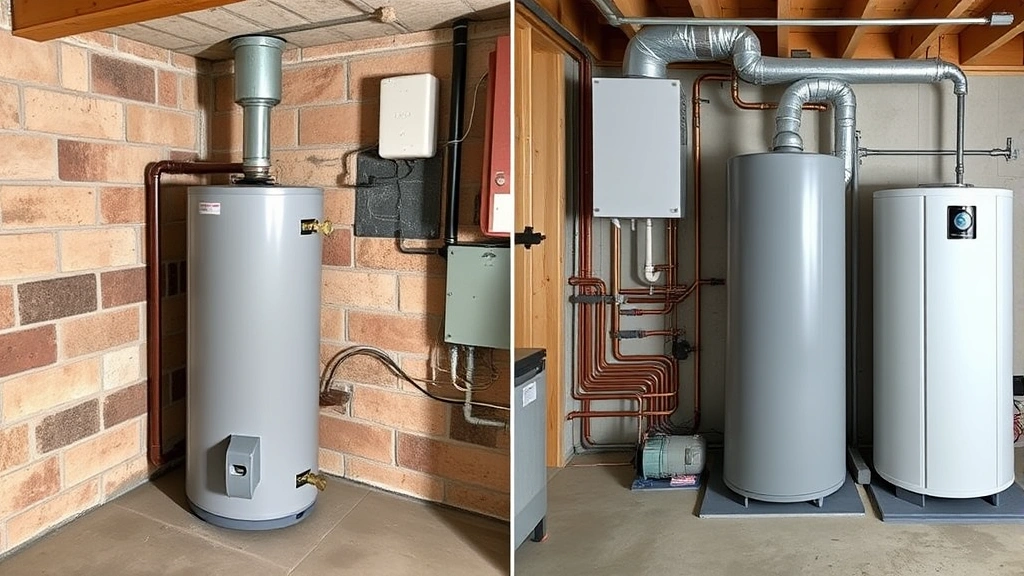
Gas water heaters operate by burning natural gas or propane to heat water stored in an insulated tank. The combustion process creates heat that transfers to the water through a metal heat exchanger, while exhaust gases are vented outdoors through a flue pipe. This straightforward technology has dominated residential water heating for decades, but its environmental consequences are significant and worth examining closely.
The primary environmental concern with gas water heaters stems from their reliance on fossil fuels. Natural gas extraction through drilling and hydraulic fracturing (fracking) disrupts ecosystems, consumes vast quantities of water, and can contaminate groundwater supplies. Additionally, methane—a greenhouse gas 80 times more potent than carbon dioxide over a 20-year period—leaks throughout the natural gas supply chain from extraction points to distribution networks to individual homes. When gas burns in your water heater, it produces carbon dioxide, contributing directly to climate change. A typical household with a 40 gallon gas water heater generates approximately 4-5 metric tons of carbon dioxide equivalent annually, depending on usage patterns and local climate.
Beyond combustion emissions, gas water heaters have standby losses—heat that escapes from the tank even when no one is using hot water. Modern insulation has improved this issue, but tanks still lose heat continuously. This means your system must continuously reignite to maintain temperature, creating additional emissions throughout the day and night. Understanding these operational realities is crucial when evaluating whether gas water heaters align with your sustainability goals or if exploring alternatives through our guide on sustainable energy solutions makes more sense for your household.
Energy Efficiency Ratings Explained
The Energy Factor (EF) rating system measures water heater efficiency by comparing energy input to usable hot water output. For gas water heaters, EF ratings typically range from 0.59 to 0.67 for conventional models, while high-efficiency condensing models can achieve ratings up to 0.90. These numbers might seem modest, but they represent genuine improvements in fuel utilization compared to older equipment.
The Uniform Energy Factor (UEF) replaced the traditional EF rating in 2015, providing more accurate real-world efficiency measurements. UEF accounts for standby losses, cycling losses, and actual usage patterns rather than laboratory conditions. A 40 gallon gas water heater with a UEF of 0.65 converts approximately 65% of energy input into heated water, while the remaining 35% escapes as heat loss through the tank walls, flue gases, and other inefficiencies.
High-efficiency condensing gas water heaters represent the pinnacle of gas technology. These units capture heat from exhaust gases that would normally escape, using it to preheat incoming cold water. This process can improve efficiency to 90% or higher, though condensing models cost significantly more upfront and require special venting systems. For those considering upgrade paths, learning about natural gas vs propane options helps identify which fuel source aligns better with your region’s infrastructure and climate goals.
When comparing efficiency ratings, remember that higher EF or UEF numbers directly correlate to lower operating costs and reduced environmental impact. However, even the most efficient gas heaters cannot compete with renewable energy systems in terms of overall sustainability, though they offer practical advantages for immediate implementation without substantial home retrofitting.
Carbon Emissions and Climate Considerations
A comprehensive lifecycle assessment of gas water heaters reveals their true climate impact extends far beyond operation. Manufacturing a 40 gallon tank requires steel production, which generates significant emissions through iron ore processing and smelting. Shipping the finished product across supply chains adds transportation emissions. Installation requires technician travel and potential modifications to your home’s gas infrastructure.
According to the U.S. Environmental Protection Agency (EPA), residential water heating accounts for approximately 17-21% of household energy consumption, making it the second-largest energy expense after space heating and cooling. For a family using a 40 gallon gas water heater, annual carbon emissions typically range from 4-6 metric tons of CO2 equivalent, depending on hot water usage, local climate, and whether the system is well-maintained.
The methane leakage problem deserves particular attention. Studies by the National Oceanic and Atmospheric Administration (NOAA) document that methane emissions from natural gas systems represent a growing climate threat. Even small leaks in pipelines, regulators, and appliances accumulate into substantial atmospheric greenhouse gas concentrations. Some research suggests that when accounting for fugitive methane emissions across the entire supply chain, natural gas water heating may have climate impacts comparable to electric heating powered by coal-heavy grids—a sobering reality for environmentally conscious consumers.
Temperature setpoint choices dramatically affect emissions. Reducing your water heater temperature from 140°F to 120°F can cut energy consumption by 6-8% while maintaining adequate hot water for most household needs. This simple adjustment represents one of the most cost-effective emissions reductions available to homeowners with existing gas systems. Learning more about how to reduce your environmental footprint provides additional strategies beyond water heater modifications.
Comparing Gas to Alternative Water Heating Technologies
To fairly assess whether gas water heaters are eco-friendly, comparing them against available alternatives provides essential context. Electric resistance water heaters, despite their reputation, actually perform comparably to gas models in terms of direct efficiency—they convert nearly 100% of electrical energy to heat. However, the carbon intensity of your electricity grid determines the true environmental impact. In regions powered primarily by renewable energy, electric heaters become significantly greener than gas alternatives.
Heat pump water heaters represent a revolutionary technology that deserves serious consideration. These systems use refrigerant cycles to extract heat from ambient air, requiring only modest electrical energy input. Modern heat pump water heaters achieve energy factors exceeding 2.0, meaning they produce more than twice the usable heat energy compared to fuel consumed. This efficiency advantage translates to 50-60% lower operating costs and dramatically reduced carbon emissions compared to gas systems. The trade-off involves higher upfront costs ($1,500-2,500 versus $400-800 for gas models) and requirements for adequate ambient temperature ranges.
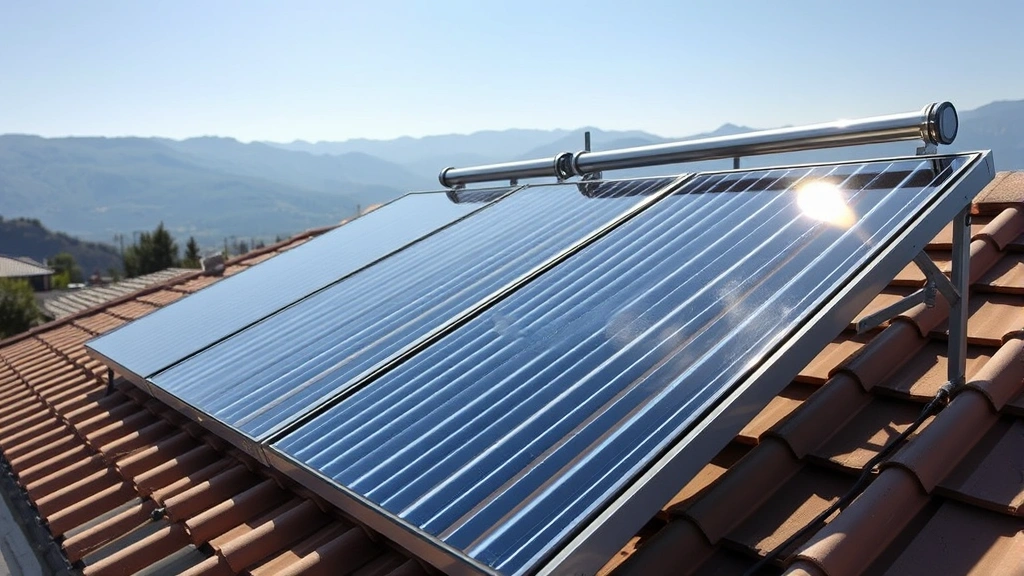
Solar water heating systems offer the ultimate eco-friendly solution, harnessing free renewable energy directly from the sun. Modern solar thermal collectors can provide 50-80% of household hot water needs depending on climate and system size. Combined with a backup gas or electric heater for cloudy periods, solar systems virtually eliminate water heating emissions during sunny months. Installation costs range from $2,000-4,000 after accounting for available tax incentives, but 25-year system lifespans and minimal maintenance requirements make them economically attractive for committed homeowners.
Tankless gas water heaters offer an interesting middle ground. By heating water on-demand rather than maintaining a hot tank, they eliminate standby losses and reduce energy consumption by 24-34% compared to tank models. However, they still depend on fossil fuels and produce carbon emissions, though at lower rates than traditional 40 gallon systems. Exploring green technology innovations transforming our future reveals emerging hybrid systems combining multiple heating approaches for optimal efficiency and reliability.
Cost-Benefit Analysis for Homeowners
Economic considerations often outweigh environmental ideals when homeowners make purchasing decisions. A 40 gallon gas water heater costs $400-800 installed and operates at approximately $300-400 annually in fuel costs for an average household. Over a 10-year lifespan, total ownership cost reaches roughly $3,400-4,400. These affordable economics explain why gas water heaters remain dominant in American homes despite environmental concerns.
Heat pump water heaters require $1,500-2,500 upfront investment but operate at $150-200 annually, breaking even within 7-10 years while providing superior environmental benefits. Solar systems involve $2,000-4,000 installation costs but operate virtually free after initial investment, achieving payback within 5-8 years depending on local incentives and sunlight availability. Federal tax credits currently cover 30% of qualified renewable water heating system costs, significantly improving financial viability.
Operational reliability and maintenance requirements deserve consideration. Gas water heaters rarely require service beyond annual inspections and occasional anode rod replacement. Heat pump systems need more frequent maintenance and can struggle in very cold climates. Solar systems depend on weather patterns and require professional installation expertise. For cost-conscious homeowners unable to commit to premium upfront investments, improving efficiency of existing gas systems provides immediate returns without major capital expenditure.
Incentive programs vary significantly by location. Some utilities offer rebates for upgrading to high-efficiency gas models, heat pump systems, or solar installations. Energy.gov and your local utility company maintain databases of available incentives. Combining federal tax credits, utility rebates, and state incentives can reduce renewable system costs by 40-50%, fundamentally changing the financial calculus for environmentally motivated homeowners. Understanding your specific situation requires consulting local resources and potentially talking with sustainability experts through platforms detailed in our SustainWise Hub Blog.
Tips for Maximizing Efficiency of Your Current Gas System
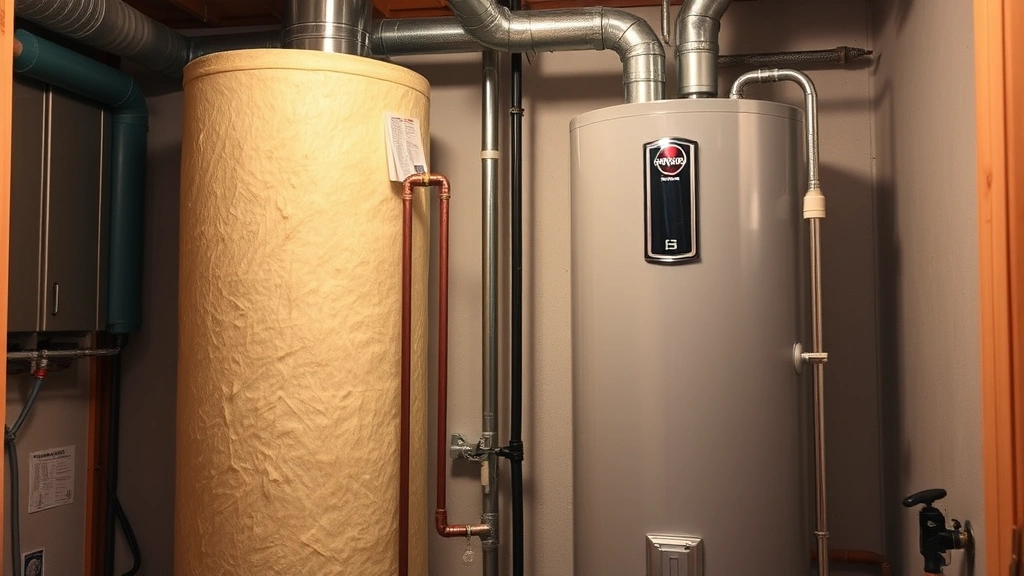
If you’re not prepared to replace your existing gas water heater, several practical measures can reduce environmental impact and operating costs immediately. Lower the temperature setpoint to 120°F—this reduces scalding risk while cutting energy consumption by 6-8% annually. Insulate the hot water tank with a blanket-style insulator ($20-30), reducing standby heat loss by 25-45%. Insulate exposed hot water pipes with foam sleeves, minimizing heat dissipation as water travels from tank to fixtures.
Install low-flow showerheads and faucet aerators that restrict water flow to 2.0 gallons per minute or less. Reducing hot water volume consumed directly decreases energy demands on your water heater. Fix leaking hot water lines promptly, as even small drips waste heated water continuously. Consider installing a point-of-use electric heater near frequently used distant fixtures, reducing the energy required to maintain temperature in long distribution lines.
Drain sediment from the tank annually by attaching a hose to the drain valve and running water until it runs clear. Sediment buildup reduces efficiency and heat transfer to water. Have a professional inspect the flue pipe and heat exchanger annually to ensure proper operation and safety. A well-maintained gas water heater operates more efficiently and safely than neglected systems, extending lifespan and minimizing environmental impact from premature replacement.
These maintenance and optimization strategies can improve your current system’s efficiency by 10-15%, providing meaningful emission reductions while deferring capital expenditure on replacement equipment. For comprehensive guidance on broader home energy optimization, exploring advantages of electric vehicles and other sustainable technologies reveals how homeowners can systematically reduce their overall environmental footprint across multiple domains.
Making the Switch to Greener Options
Transitioning from a gas water heater to a more sustainable alternative requires careful planning but offers substantial long-term benefits. Begin by assessing your household’s hot water usage patterns. Families with moderate consumption patterns benefit most from heat pump water heaters, while high-usage households should consider tankless gas systems or combination solar-plus-backup approaches. Climate considerations matter significantly—solar systems perform optimally in sunny regions, while heat pump systems require ambient temperatures above 40°F for efficient operation.
Evaluate your home’s infrastructure requirements. Heat pump installation requires adequate space for the outdoor unit and electrical service upgrades. Solar systems need roof space with proper sun exposure and structural support assessment. Tankless systems demand gas line modifications and venting adjustments. These infrastructure requirements often necessitate professional installation, adding to upfront costs but ensuring proper function and safety compliance.
Research available incentive programs before making final decisions. Federal Investment Tax Credit covers 30% of qualifying renewable energy system costs through 2032. Many states offer additional rebates and tax incentives. Some utilities provide direct rebates for upgrading to high-efficiency models. Energy.gov’s incentives database helps identify programs applicable to your specific location and system type. Factoring incentives into financial calculations often dramatically improves the value proposition for renewable systems.
Start conversations with qualified installers who can assess your specific situation and recommend optimal solutions. Request detailed proposals including equipment specifications, installation timelines, warranty coverage, and financing options. Many renewable energy companies offer lease or power purchase agreement arrangements, allowing homeowners to access clean technology without substantial upfront capital. These flexible financing models have democratized access to solar and heat pump systems, making sustainable water heating increasingly attainable for middle-income households.
Consider phased implementation approaches. If immediate full replacement seems financially challenging, start by optimizing your current gas system while researching and planning for future renewable installation. As equipment ages and replacement becomes necessary, timing your upgrade to coincide with incentive programs and technology improvements maximizes both financial and environmental returns. This strategic approach acknowledges real-world constraints while maintaining commitment to long-term sustainability goals.
FAQ
Is a 40 gallon gas water heater energy efficient compared to electric models?
Gas water heaters typically achieve energy factors between 0.59-0.67, compared to electric resistance models at approximately 0.90 EF. However, this comparison oversimplifies the environmental picture. While gas heaters convert fuel to heat more efficiently than electric resistance, they depend on fossil fuels and emit greenhouse gases throughout operation. Electric heaters powered by renewable energy grids prove more sustainable than gas alternatives. The true efficiency comparison requires evaluating your specific electricity grid’s carbon intensity.
How much carbon dioxide does a gas water heater produce annually?
A typical household using a 40 gallon gas water heater generates approximately 4-6 metric tons of CO2 equivalent annually. This calculation accounts for direct combustion emissions and fugitive methane leakage throughout the natural gas supply chain. Actual emissions vary based on hot water consumption patterns, climate conditions, and system maintenance quality. Reducing water temperature setpoints and implementing efficiency improvements can lower annual emissions by 10-20%.
What’s the best eco-friendly alternative to gas water heaters?
Solar thermal water heating systems represent the most environmentally friendly option, providing 50-80% of household hot water needs from renewable energy. Heat pump water heaters offer excellent efficiency (energy factors exceeding 2.0) and work effectively in moderate climates. For cost-conscious homeowners, high-efficiency gas tankless models reduce emissions by 24-34% compared to traditional tank systems. The optimal choice depends on your climate, budget, home infrastructure, and local incentive availability.
Can I upgrade my existing gas water heater to improve efficiency?
Yes, several cost-effective upgrades improve existing system efficiency: lower temperature setpoints to 120°F, insulate the tank and pipes, install low-flow fixtures, and perform annual maintenance. These measures reduce energy consumption by 10-15% while avoiding replacement costs. When your current water heater reaches end-of-life, that’s the ideal time to upgrade to more sustainable alternatives, potentially capturing available incentive programs.
How long do gas water heaters typically last?
Standard 40 gallon gas water heaters typically last 8-12 years with proper maintenance. High-quality models may reach 15 years. Factors affecting lifespan include water hardness, maintenance regularity, usage intensity, and anode rod replacement frequency. Planning replacement 1-2 years before expected failure allows time to research alternatives, compare options, and apply for available incentives rather than making rushed decisions during emergencies.
Are there tax credits available for upgrading to renewable water heating systems?
Yes, the federal Investment Tax Credit covers 30% of qualifying renewable energy system costs through 2032. Many states offer additional rebates, tax credits, and incentive programs. Your local utility company may provide direct rebates for upgrading to high-efficiency models. Energy.gov maintains a comprehensive database of available incentives by location. Consulting with local installers helps identify all applicable programs for your specific situation.


