Gas Oil Mix Ratio: Expert Advice on Efficiency
Understanding the correct 50:1 gas oil mix ratio is essential for anyone operating two-stroke engines, from landscaping professionals to recreational enthusiasts. This precise fuel blend ensures optimal engine performance, longevity, and environmental responsibility. Getting the mixture wrong can lead to engine damage, reduced efficiency, and unnecessary emissions that harm our planet. Whether you’re maintaining a chainsaw, outboard motor, or small generator, mastering fuel ratios directly impacts both your equipment’s lifespan and your contribution to environmental sustainability.
The 50:1 ratio represents a critical balance between gasoline and two-stroke oil that powers millions of small engines worldwide. This guide explores everything you need to know about achieving the perfect blend, understanding why precision matters, and how proper fuel mixing connects to broader sustainability principles. We’ll cover measurement techniques, common mistakes, environmental implications, and best practices that help you operate equipment responsibly while maximizing efficiency.
Understanding the 50:1 Gas Oil Mix Ratio
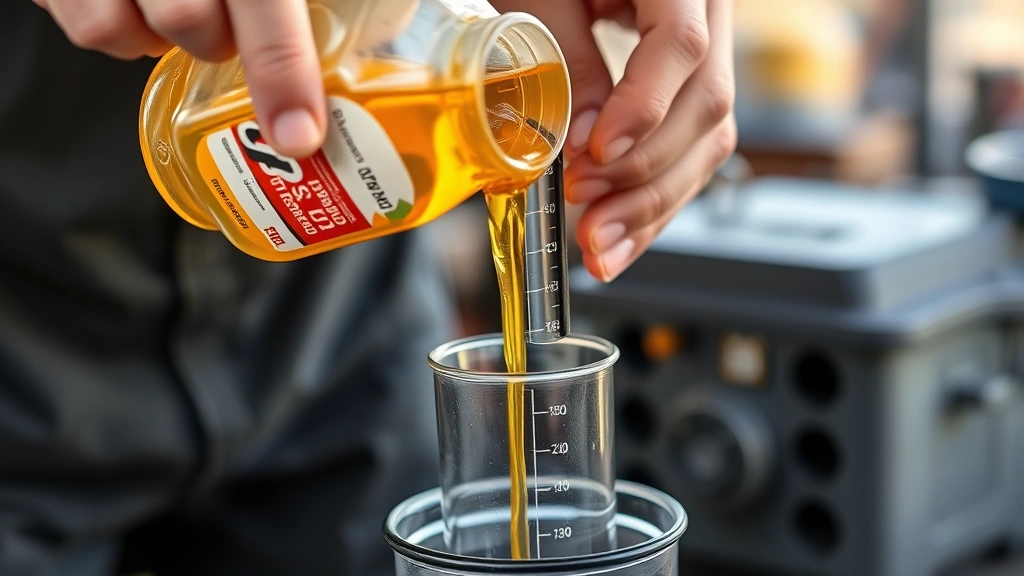
The 50:1 gas oil mix ratio means combining 50 parts gasoline with 1 part two-stroke engine oil. In practical terms, this translates to approximately 2.6 ounces of oil per gallon of gasoline, or roughly 20 milliliters per liter. This specific ratio has become the industry standard for most modern two-stroke engines because it provides the optimal balance between lubrication and combustion efficiency.
Two-stroke engines differ fundamentally from four-stroke engines in their operation. They complete a full combustion cycle in just two strokes of the piston, requiring continuous lubrication throughout the entire process. Unlike four-stroke engines that use a separate oil reservoir, two-stroke engines rely on oil mixed directly into the fuel to coat internal components during operation. The 50:1 ratio ensures adequate lubrication without creating excessive carbon buildup or fouling spark plugs.
Different manufacturers occasionally recommend varying ratios—some specify 40:1 or 32:1 for older equipment or higher-performance applications. Always consult your equipment’s manual to confirm the exact ratio your specific engine requires. Using the wrong ratio can void warranties and cause significant mechanical problems. The precision required in fuel mixing demonstrates how sustainable energy solutions depend on proper maintenance and attention to detail.
Why Precision Matters for Engine Performance
Precision in the 50:1 gas oil mix directly influences engine efficiency, emissions output, and equipment lifespan. When you achieve the correct ratio, your engine runs cleaner, produces less smoke, and delivers optimal power output. This precision represents a form of environmental stewardship—properly mixed fuel burns more completely, reducing unnecessary emissions that contribute to air pollution.
Too much oil in the mixture creates several problems. Excessive oil leads to incomplete combustion, producing thick blue smoke and black carbon deposits inside the engine. These deposits accumulate on the piston, cylinder walls, and spark plug, gradually reducing performance and increasing emissions. Over time, carbon buildup can cause the engine to seize, requiring expensive repairs or replacement. Additionally, overly rich mixtures waste fuel and create unnecessary air pollution that affects local air quality and broader atmospheric health.
Conversely, insufficient oil starves the engine of critical lubrication. Running too lean causes increased friction between moving parts, generating excessive heat that can weld pistons to cylinders or cause bearing failure. Lean mixtures may initially seem economical, but they result in catastrophic engine damage requiring complete replacement—a far costlier outcome than purchasing the correct amount of quality two-stroke oil. Understanding this relationship between precision and performance connects to how to reduce your environmental footprint through responsible equipment maintenance.
Modern engines manufactured after 2010 often feature improved combustion efficiency, allowing some manufacturers to recommend leaner ratios like 50:1. Older equipment may perform better with richer mixtures like 32:1 or 40:1. The manufacturer’s specification represents their engineering assessment of optimal performance for that specific engine design. Respecting these specifications ensures you’re operating equipment as designed, maximizing efficiency and minimizing environmental impact.
Research from the EPA’s Small Spark Ignition Engines division demonstrates that properly maintained small engines produce significantly lower emissions. Correct fuel mixing is fundamental to this maintenance standard, making precision a genuine environmental responsibility for equipment operators.
Step-by-Step Mixing Instructions
Achieving the perfect 50:1 gas oil mix requires careful measurement and systematic mixing. Follow these detailed steps to ensure consistency and accuracy every time you prepare fuel:
- Gather Quality Materials: Start with fresh gasoline (less than 30 days old) and high-quality two-stroke engine oil specifically formulated for your engine type. Never use car oil or motor oil in two-stroke engines—these lack the necessary additives and detergency packages required for two-stroke operation. Select oils from reputable manufacturers that clearly specify 50:1 compatibility on the label.
- Use Accurate Measurement Tools: Invest in a quality fuel mixing bottle with graduated measurements clearly marked for 50:1 ratios. Many such bottles eliminate guesswork by including pre-marked fill lines. Alternatively, use a precise measuring cup or syringe to measure oil quantities. For a gallon of gasoline, measure exactly 2.6 ounces (approximately 77 milliliters) of two-stroke oil. For one liter of fuel, measure 20 milliliters of oil.
- Mix in Proper Sequence: Pour approximately half your gasoline into the mixing container first. Add the measured amount of two-stroke oil to this partial amount of fuel. Close the container tightly and shake vigorously for 30-60 seconds, allowing the oil to fully disperse throughout the gasoline. This initial mixing ensures the oil doesn’t separate or settle to the bottom.
- Complete the Mixture: Add the remaining gasoline to your container and shake again for another 30-60 seconds. This second mixing ensures homogeneous distribution throughout the entire fuel batch. Proper mixing creates a uniform liquid without visible oil separation or floating particles.
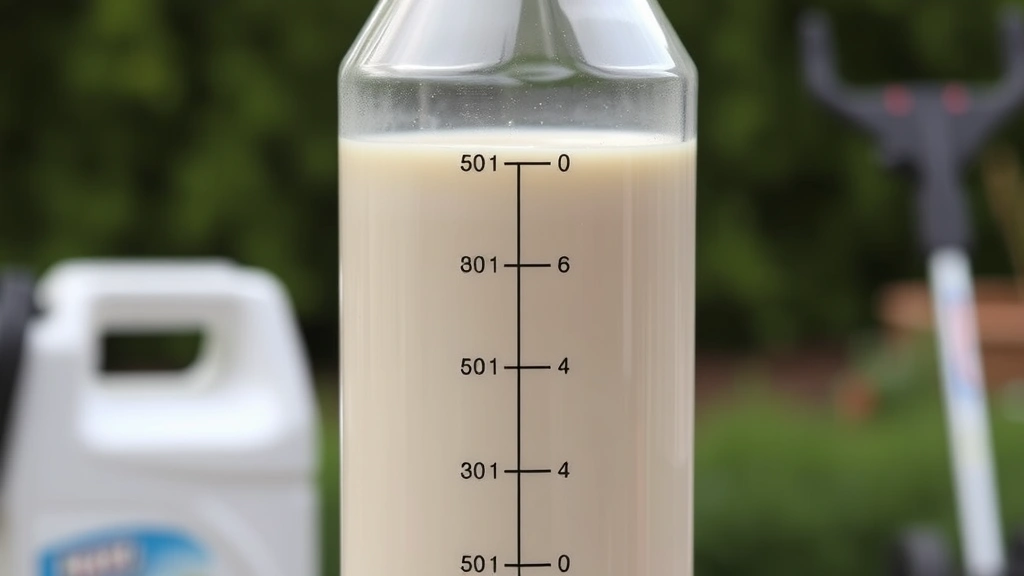
- Visual Inspection: The finished mixture should appear slightly hazy or milky, indicating thorough oil dispersion. If you see clear gasoline with oil floating on top or settled at the bottom, the mixture hasn’t combined properly—shake more vigorously before use.
- Label and Date Your Fuel: Clearly mark your fuel container with the mixing date and ratio used. This practice prevents confusion and helps you use fuel before it degrades. Pre-mixed fuel maintains quality for approximately 30 days under normal conditions, or up to 6 months when stored in cool, dark conditions with stabilizer additives.
Many experienced operators prepare fuel in larger batches, storing the pre-mixed fuel in approved containers for convenient access throughout the season. This approach ensures consistency and reduces daily mixing tasks. However, always verify that your storage containers are appropriate for fuel storage and kept away from heat sources or direct sunlight.
Common Mistakes to Avoid
Understanding frequent mixing errors helps you maintain proper fuel ratios and prevent costly engine damage. These mistakes represent the most common causes of two-stroke engine failure:
Using Incorrect Oil Types: The most critical error involves using automotive motor oil instead of two-stroke engine oil. Car motor oils contain detergents designed for four-stroke engines that can damage two-stroke components. Two-stroke oils include special additives that reduce carbon formation and protect against corrosion. Always purchase oil explicitly labeled for two-stroke engines.
Inconsistent Measurements: Eyeballing oil quantities or using rough estimates leads to unpredictable ratios. Some operators guess at amounts, creating inconsistent fuel batches. One batch might be 40:1, the next 60:1. This inconsistency prevents your engine from running optimally. Invest in reliable measuring tools—inexpensive graduated cylinders or fuel mixing bottles eliminate this source of error.
Forgetting to Shake Before Use: Even properly mixed fuel can separate slightly during storage. Always shake your fuel container thoroughly before pouring it into equipment tanks. This ensures the oil remains evenly distributed and prevents the first portions to be used from containing excessive oil while later portions run lean.
Using Old or Degraded Fuel: Gasoline degrades over time, especially when stored improperly. Old fuel oxidizes and loses volatility, reducing combustion efficiency. Pre-mixed fuel degrades faster than straight gasoline because the oil can separate over extended periods. Never use fuel stored longer than 30 days without stabilizer additives, or six months even with stabilizers.
Mixing in Dirty Containers: Residual fuel or contaminants in mixing containers can introduce particles that clog fuel filters and injectors. Always use clean containers dedicated to fuel mixing. Avoid containers that previously held other liquids, as residues can contaminate your fuel mixture and damage engine components.
Temperature Extremes During Mixing: Extreme temperatures affect fuel behavior and oil dispersion. Mix fuel in moderate temperatures when possible. Very cold conditions make oil more viscous and harder to disperse; excessive heat can cause fuel volatility issues. Ideal mixing occurs in temperatures between 50-80°F (10-27°C).
Environmental Impact of Improper Fuel Mixing
The environmental consequences of incorrect 50:1 gas oil mixing extend beyond individual equipment performance to affect broader air quality and ecosystem health. Small engines collectively represent a significant source of air pollution in many regions, making proper fuel management an environmental responsibility.
Overly rich mixtures produce excessive emissions of volatile organic compounds (VOCs) and particulate matter. These pollutants contribute to ground-level ozone formation, which damages respiratory health and harms plant life. A single poorly maintained small engine can emit pollution equivalent to dozens of cars. When thousands of operators use incorrect fuel ratios, the cumulative environmental damage becomes substantial and measurable in regional air quality data.
Lean mixtures increase nitrogen oxide (NOx) emissions due to higher combustion temperatures. NOx contributes to acid rain and atmospheric nitrogen pollution that degrades aquatic ecosystems. Proper 50:1 mixing reduces both excessive smoke and high-temperature combustion, minimizing NOx formation while preventing carbon buildup.
Fuel spills during mixing and refueling represent another environmental concern. Gasoline and two-stroke oil are toxic to aquatic life and can contaminate groundwater. Proper mixing technique—using funnels, avoiding overfilling, and cleaning spills immediately—prevents environmental contamination. Consider how green technology innovations increasingly focus on eliminating small gas engines entirely through electrification.
Connecting proper fuel mixing to broader environmental stewardship helps operators understand their role in reducing pollution. Every correctly mixed fuel batch represents a commitment to cleaner air and healthier communities. This individual responsibility accumulates across millions of equipment users, creating measurable environmental benefits when practiced consistently across populations.
Sustainable Alternatives and Future Considerations
While mastering the 50:1 gas oil mix ratio remains important for current equipment operators, the future of small engines points toward electrification and fuel alternatives. Understanding these emerging options helps environmentally conscious users make informed equipment choices.
Battery-powered equipment has advanced dramatically in recent years, offering viable alternatives to gas-powered tools. Electric chainsaws, string trimmers, and leaf blowers eliminate the need for fuel mixing entirely while producing zero emissions during operation. Although initial equipment costs exceed gas-powered alternatives, lifecycle costs often favor electric options when considering fuel, oil, maintenance, and repair expenses. The advantages of electric vehicles extend beyond transportation to include small equipment applications.
Synthetic two-stroke oils represent an improvement over conventional petroleum-based options. These advanced formulations burn cleaner, produce less carbon, and provide superior lubrication. While more expensive than conventional oils, synthetic options reduce engine deposits and emissions, supporting better environmental outcomes. Many modern equipment manufacturers recommend synthetic oils specifically for emissions compliance and performance optimization.
Renewable fuel blends incorporating ethanol present another emerging option. E10 gasoline (10% ethanol, 90% gasoline) is widely available and generally compatible with modern two-stroke engines. Ethanol-blended fuels burn more completely, reducing some emissions while supporting renewable fuel industries. However, ethanol can absorb moisture and cause corrosion in fuel systems, requiring careful storage and seasonal maintenance.
The long-term trajectory clearly points toward eliminating small gas engines through electrification. Manufacturers increasingly invest in battery technology and electric motor development for landscaping, construction, and recreational equipment. As battery costs continue declining and performance improves, electric options will become economically superior to gas-powered alternatives for most applications.
Progressive operators can contribute to this transition by adopting electric equipment where feasible and maintaining gas-powered tools properly until replacement becomes practical. Correct 50:1 fuel mixing represents responsible stewardship of current technology while supporting the transition toward cleaner alternatives.
Storage and Safety Best Practices
Proper storage of pre-mixed fuel and two-stroke oil protects equipment performance, ensures personal safety, and prevents environmental accidents. These practices represent fundamental responsibility for anyone handling flammable liquids:
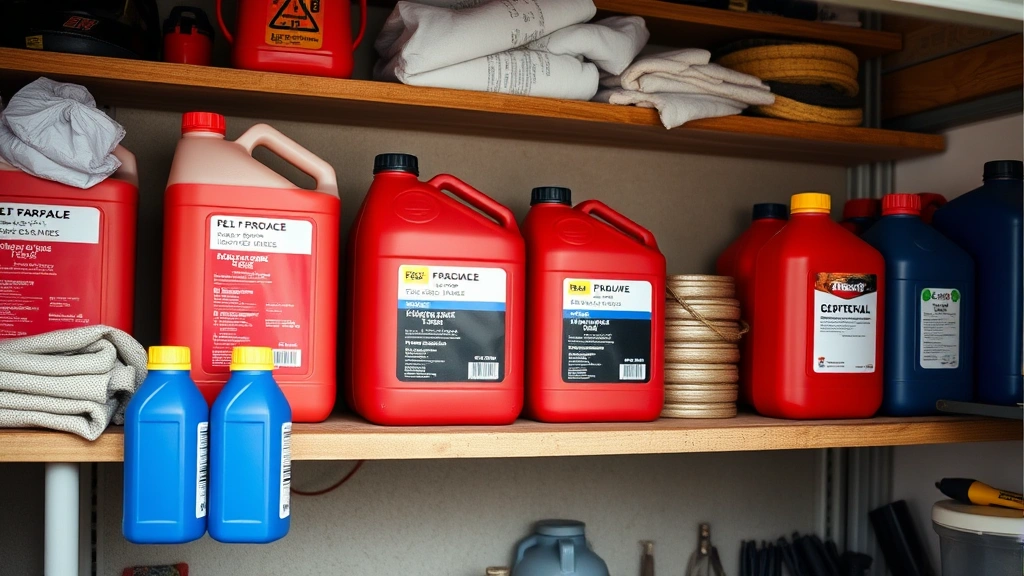
Container Selection: Use only approved fuel containers specifically designed for gasoline storage. These containers feature safety caps, flame arrestors, and construction materials that safely contain fuel vapors. Never store fuel in glass bottles, soda bottles, or non-approved plastic containers. Approved containers clearly display safety certifications and are color-coded (typically red for gasoline) to prevent confusion.
Storage Location: Store fuel in cool, dark, well-ventilated areas away from heat sources, ignition sources, and direct sunlight. Never store fuel in living spaces, basements, or enclosed areas where fuel vapors can accumulate. Outdoor storage sheds or detached garages provide ideal conditions. Maintain fuel storage away from children and pets, using locked cabinets when necessary for safety.
Temperature Management: Extreme temperatures affect fuel stability and safety. Very hot conditions increase vapor pressure and fire risk; excessively cold temperatures cause fuel to thicken and separate. Ideal storage temperatures remain between 50-80°F (10-27°C). In winter regions, store fuel in insulated containers to prevent excessive temperature fluctuation.
Fuel Stabilizers: For seasonal equipment or extended storage periods, add fuel stabilizer to your pre-mixed fuel. Quality stabilizers prevent oxidation, reduce separation, and maintain fuel quality for extended periods. When using stabilizers, follow product instructions carefully regarding mixing ratios and storage duration. Stabilized fuel maintains acceptable quality for approximately six months compared to 30 days for unstabilized fuel.
Spill Prevention and Cleanup: Use funnels and careful pouring techniques when transferring fuel to prevent spills. Keep absorbent materials like sand or kitty litter nearby for immediate spill response. Never pour spilled fuel down drains or into soil—contact local hazardous waste disposal services for proper cleanup. Small spills on pavement should be immediately covered with absorbent material and disposed of according to local regulations.
Equipment Maintenance: Before seasonal storage, run equipment with stabilized fuel to ensure the fuel system contains treated fuel. For extended off-season storage, consider draining fuel tanks completely to prevent gum formation and fuel degradation inside equipment. Running equipment briefly before storage helps circulate stabilized fuel throughout the fuel system.
Personal Protective Equipment: When mixing fuel, wear nitrile gloves to protect skin from petroleum products and two-stroke oil. Avoid prolonged skin contact and wash hands thoroughly after handling fuel. Work in well-ventilated areas to minimize inhalation of fuel vapors. If fuel contacts skin, wash immediately with soap and water. If fuel contacts eyes, flush with water and seek medical attention.
FAQ
What happens if I use a 40:1 ratio instead of 50:1?
A 40:1 ratio contains more oil than 50:1, providing richer lubrication but potentially causing increased carbon buildup, excessive smoke, and fouled spark plugs. If your equipment specifically requires 50:1, using 40:1 wastes oil and creates unnecessary emissions. Always follow manufacturer specifications for optimal performance.
Can I use the same pre-mixed fuel for multiple pieces of equipment?
Yes, provided all equipment uses the same fuel ratio. If you own equipment requiring different ratios (one 50:1, another 32:1), maintain separate fuel batches clearly labeled with the ratio and date. Using the wrong ratio for specific equipment can damage engines.
How long does pre-mixed fuel remain usable?
Without stabilizer additives, pre-mixed fuel maintains quality for approximately 30 days. With quality fuel stabilizers, properly stored fuel remains acceptable for six months. Always check your fuel before use—if it appears cloudy, smells rancid, or separates noticeably, discard it and prepare fresh fuel.
Is synthetic two-stroke oil worth the extra cost?
Synthetic oils offer superior lubrication, reduced carbon formation, and better environmental performance. While more expensive than conventional oils, they reduce maintenance needs and engine deposits over time. For equipment you operate frequently, synthetic oils often prove economically justified through extended engine life and improved performance.
What’s the difference between 2-stroke oil and motor oil?
Two-stroke oils contain special additives that reduce carbon formation and provide detergency suited to two-stroke engine operation. Motor oils contain different additive packages designed for four-stroke engines and can damage two-stroke components. Never substitute motor oil for two-stroke oil—use only oils specifically labeled for two-stroke engines.
Can I mix fuel in very cold weather?
Cold temperatures make oil more viscous and harder to disperse throughout gasoline. While mixing is possible in cold weather, aim for temperatures above 50°F (10°C) when possible. If you must mix in cold conditions, shake the mixture more vigorously and allow extra time for oil dispersion.
What should I do if I accidentally create the wrong ratio?
If you’ve mixed fuel with an incorrect ratio, assess the error magnitude. Minor variations (within 5%) won’t cause immediate damage but may reduce efficiency. Significant errors require discarding the fuel and starting over. Don’t attempt to correct an already-mixed batch by adding more of one component—prepare new fuel from scratch to ensure proper distribution.
Are there environmental benefits to using less fuel overall?
Absolutely. Reducing equipment usage, maintaining tools properly to extend lifespan, and transitioning to electric alternatives all reduce overall fuel consumption and environmental impact. Operating equipment only when necessary and maintaining proper fuel ratios minimizes your environmental footprint from small engine use. Consider whether specific tasks could be accomplished with electric equipment or through reduced frequency of operation.


