50:1 Gas Ratio for Engines: Mechanic’s Advice for Optimal Performance and Sustainability
Understanding the correct fuel-to-oil ratio for two-stroke engines is critical for both performance and environmental responsibility. The 50:1 gas ratio represents a specific mixture of gasoline and oil that powers millions of small engines worldwide, from lawn mowers to chainsaws. This guide explores what mechanics need to know about maintaining this ratio, why precision matters, and how proper engine maintenance connects to broader sustainability principles.
Two-stroke engines operate fundamentally differently from their four-stroke counterparts, requiring oil mixed directly into the fuel for lubrication. The 50:1 ratio means combining one part oil with fifty parts gasoline, creating a precise blend that ensures adequate lubrication while minimizing emissions. Getting this mixture wrong can lead to engine damage, increased pollution, and unnecessary waste—making it an environmental concern as well as a mechanical one.
Understanding the 50:1 Gas Ratio
The 50:1 fuel-to-oil ratio is the standard specification for many two-stroke small engines, though some modern engines may require different ratios like 40:1 or 32:1. Always consult your engine’s manual before mixing fuel, as manufacturers design each engine with specific lubrication requirements. The ratio indicates that for every fifty units of gasoline, you add one unit of two-stroke oil.
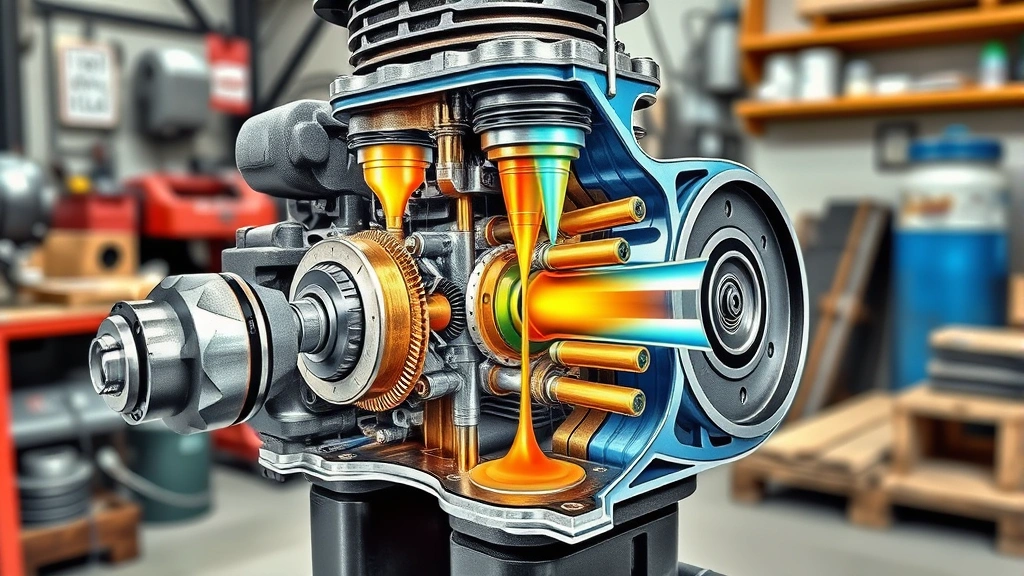
This mixture works because two-stroke engines lack a separate oil sump and crankcase. Instead, oil circulates through the combustion chamber, lubricating moving parts as the fuel burns. Without proper oil in the fuel, metal-on-metal friction increases dramatically, causing rapid wear and eventual seizure. Conversely, too much oil creates excessive smoke, carbon buildup, and environmental pollution.
Two-stroke engines power various equipment including outboard motors, dirt bikes, leaf blowers, string trimmers, and portable generators. Understanding the 50:1 ratio isn’t just about mechanical knowledge—it’s about responsible equipment operation. Improper ratios waste fuel, damage engines prematurely, and contribute to air quality problems that affect entire communities.
The metric system makes this calculation straightforward: 50:1 means 20 milliliters of oil per liter of gasoline. In the imperial system, it’s approximately 2.6 ounces of oil per gallon of fuel. Many retailers sell pre-mixed fuel specifically formulated to this ratio, offering convenience for users who prefer not to measure manually.
Why This Ratio Matters for Engine Health
Precision in fuel mixing directly correlates with engine longevity and reliability. The 50:1 ratio provides optimal lubrication while maintaining combustion efficiency. When mechanics get this wrong, they’re essentially gambling with the engine’s future.
Too Little Oil (Lean Mix): Insufficient oil leads to inadequate lubrication, causing pistons, rings, and cylinders to wear rapidly. The engine may overheat, seize unexpectedly, and fail catastrophically. A lean mixture produces less smoke but creates internal damage that’s often irreversible. Repair costs quickly exceed the price of using proper fuel mixtures.
Too Much Oil (Rich Mix): Excess oil creates thick, oily smoke and carbon deposits on spark plugs and cylinder walls. The engine runs rough, loses power, consumes more fuel, and emits visible pollution. While rich mixes may seem safer, they actually harm engine efficiency and environmental conditions.
The 50:1 ratio balances these extremes, providing complete lubrication while maintaining clean combustion. This precision reflects broader sustainable energy solutions principles—using resources efficiently and minimizing waste and pollution.
Professional mechanics understand that engine health equals cost savings. A well-maintained engine with correct fuel ratios runs longer, requires fewer repairs, and operates more efficiently. This translates to reduced maintenance expenses and less environmental impact from premature disposal and replacement.
Temperature stability represents another critical factor. Proper oil ratios help engines maintain optimal operating temperatures. Engines that run too hot or cold experience accelerated wear and increased emissions. The 50:1 ratio ensures thermal stability across varying operating conditions and climates.
” alt=”Two-stroke engine fuel mixing demonstration with precise measurements” />
Calculating and Mixing the Perfect Blend
Accurate measurement is essential for consistent results. Here’s how to calculate the 50:1 ratio for various fuel quantities:
- 1 gallon of gasoline: Add 2.56 fluid ounces of two-stroke oil (approximately 2.6 oz)
- 5 gallons of gasoline: Add 12.8 fluid ounces of two-stroke oil (approximately 13 oz)
- 1 liter of gasoline: Add 20 milliliters of two-stroke oil
- 10 liters of gasoline: Add 200 milliliters of two-stroke oil
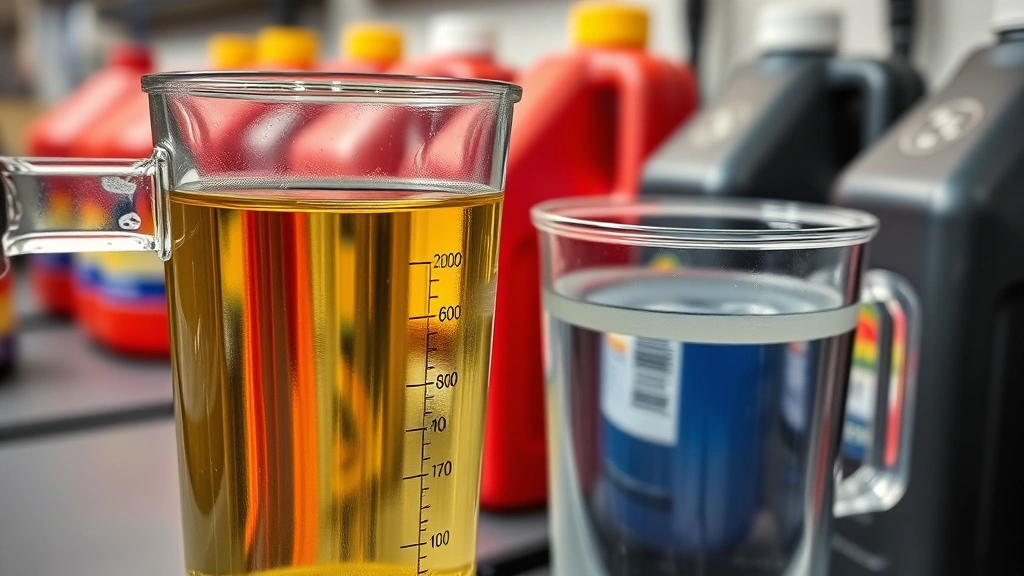
Invest in a quality measuring cup or syringe marked in milliliters for accuracy. Eyeballing measurements leads to incorrect ratios and engine problems. Many mechanics recommend mixing fuel in a separate container before adding it to the engine’s tank, allowing thorough blending and preventing settling.
Step-by-Step Mixing Process:
- Pour gasoline into a clean container first
- Measure the exact amount of two-stroke oil needed
- Add oil to gasoline slowly while stirring
- Mix thoroughly for at least one minute
- Allow the mixture to settle briefly before use
- Store in a clearly labeled, sealed container
Always use high-quality two-stroke oil specifically designed for small engines. Regular motor oil or automotive oil won’t provide adequate protection. Quality two-stroke oils contain detergents and anti-wear additives optimized for two-stroke combustion processes. Brands matter—premium oils reduce carbon buildup and smoke.
Temperature affects oil viscosity, so store pre-mixed fuel in cool, dark locations away from direct sunlight. Sunlight degrades fuel quality and oil additives over time. Most mechanics recommend using fuel within 30 days of mixing to ensure oil suspension and prevent separation.
Common Mistakes Mechanics and Users Make
Even experienced mechanics occasionally make errors with fuel ratios. Understanding common mistakes helps prevent costly problems:
Confusing Ratio Directions: Some people mix 1:50 instead of 50:1, using fifty times too much oil. This creates severely rich mixtures that damage engines immediately. Always verify which number comes first in your equipment’s manual.
Using Wrong Oil Types: Substituting automotive oil, SAE 30 motor oil, or other non-two-stroke oils creates sludge buildup and inadequate lubrication. Only use oils specifically labeled for two-stroke engines.
Inconsistent Measurements: Switching between metric and imperial measurements without proper conversion causes ratio errors. Convert completely to one system and stick with it throughout the mixing process.
Not Checking Manufacturer Specs: Assuming all two-stroke engines use 50:1 is dangerous. Modern engines often require 40:1 or even 32:1 ratios. Always consult the owner’s manual before mixing fuel for unfamiliar equipment.
Neglecting Fuel Stabilizer: If storing mixed fuel longer than two weeks, add fuel stabilizer to prevent oil separation and fuel degradation. This preserves mixture quality during off-season storage.
Reusing Old Fuel: Fuel degrades over time, especially after mixing with oil. Never use fuel that’s been stored for more than a season. Old fuel produces gummy deposits and won’t lubricate properly.
” alt=”Proper fuel measurement tools and containers for two-stroke engine mixing” />
Environmental Impact of Incorrect Ratios
The environmental consequences of incorrect fuel ratios extend far beyond individual engines. Two-stroke engines already produce higher emissions than four-stroke alternatives, but proper fuel mixing minimizes this impact significantly.
Air Quality Concerns: Lean fuel mixtures (too little oil) cause incomplete combustion, releasing unburned hydrocarbons and nitrogen oxides into the atmosphere. These compounds contribute to smog formation and respiratory problems. Rich mixtures produce visible smoke containing particulate matter and volatile organic compounds harmful to air quality.
Water Contamination: Improperly mixed fuel that leaks or spills contaminates groundwater and surface water. Oil doesn’t dissolve in water, creating persistent pollution that harms aquatic ecosystems. Marine environments particularly suffer from outboard motor fuel spills with incorrect ratios.
Understanding this connection relates directly to reducing your environmental footprint. Proper fuel ratios mean less pollution per operating hour, contributing to cleaner air and water in your community.
The EPA regulates small spark ignition engines to reduce emissions. Correct fuel mixing helps equipment operators comply with these standards while improving air quality. A single poorly maintained two-stroke engine can emit as much pollution as dozens of modern cars.
Climate Impact: Incomplete combustion from incorrect fuel ratios increases carbon dioxide and methane emissions. While individual engines seem insignificant, millions of landscaping tools, recreational vehicles, and marine engines worldwide contribute substantially to greenhouse gases. Proper maintenance across all equipment reduces cumulative climate impact.
Mechanics who educate customers about correct fuel ratios play a vital role in environmental protection. This simple knowledge transfer prevents pollution at the source, making it one of the most effective environmental actions available to small engine users.
Best Practices for Storage and Application
Proper storage and handling of mixed fuel maintains its quality and ensures consistent engine performance. These practices are essential for both professional mechanics and home equipment users.
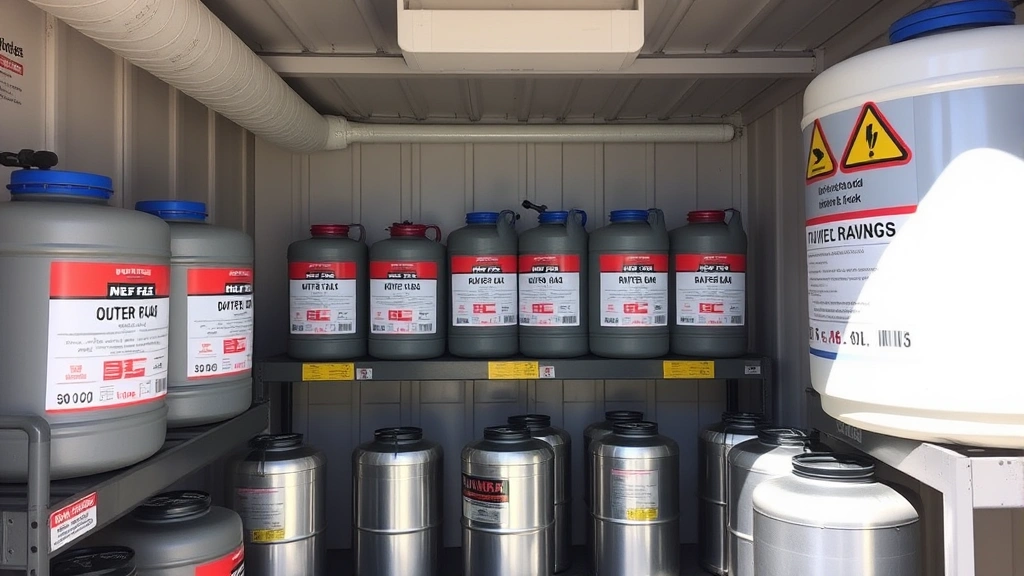
Storage Containers: Use only approved fuel containers made from materials compatible with gasoline and oil mixtures. Metal cans with tight-fitting caps work well for long-term storage. Never store fuel in open containers or recycled bottles that previously held other substances. Contamination ruins fuel quality and engine performance.
Labeling and Organization: Clearly label all fuel containers with the ratio used, date mixed, and equipment intended for use. This prevents confusion and accidental use of incorrect fuel mixtures. Organize storage areas so operators can easily identify the right fuel for specific equipment.
Temperature Control: Store mixed fuel in cool locations away from direct sunlight and heat sources. Temperatures above 80°F accelerate fuel degradation and oil separation. Basements, shaded storage sheds, or climate-controlled workshops provide ideal storage conditions.
Ventilation and Safety: Store fuel in well-ventilated areas away from ignition sources, electrical equipment, and living spaces. Gasoline vapors are flammable and hazardous. Follow all local regulations regarding fuel storage quantities and locations.
Seasonal Maintenance: Before storing equipment for extended periods, use up remaining fuel or drain tanks completely. Stale fuel creates varnish deposits that clog carburetors and fuel lines. If storing for more than a month, add fuel stabilizer to preserve mixture quality or drain entirely.
Application Techniques: When refueling equipment, pour mixed fuel slowly to avoid spills. Use a funnel to direct fuel into the tank opening. Never overfill—leave space for fuel expansion due to temperature changes. Wipe up spills immediately to prevent environmental contamination and fire hazards.
For commercial operations and professional mechanics, maintaining detailed fuel mixing logs ensures consistency and accountability. These records help identify patterns if equipment experiences problems and demonstrate proper maintenance practices to clients.
Transitioning to Cleaner Engine Technology
While properly maintaining 50:1 fuel ratios optimizes current two-stroke engines, the future of small engine power increasingly points toward cleaner alternatives. Understanding these transitions helps mechanics and equipment users plan for environmental responsibility.
Four-Stroke Engine Benefits: Four-stroke engines don’t require fuel-oil mixing, eliminating calculation errors and associated pollution. They operate more efficiently, produce less smoke and emissions, and require less frequent maintenance. Many landscaping and recreational equipment manufacturers now offer four-stroke alternatives to traditional two-stroke models.
Electric Engine Revolution: Battery-powered equipment represents the most significant shift in small engine technology. Cordless electric tools eliminate fuel mixing entirely, produce zero direct emissions, and operate more quietly. As battery technology improves and costs decrease, electric equipment becomes increasingly practical for professional and residential use.
Learn more about advantages of electric vehicles and equipment, which extend beyond automobiles to small engine applications. Electric chainsaws, leaf blowers, and lawn mowers now rival gasoline-powered alternatives in performance while offering environmental benefits.
Hybrid Technologies: Some manufacturers are developing hybrid systems combining electric and combustion power. These offer flexibility for demanding applications while reducing emissions compared to pure gasoline engines.
Sustainable Fuel Options: Biofuels and synthetic fuels designed for two-stroke engines may offer lower-emission alternatives to conventional gasoline. These fuels maintain proper combustion characteristics while reducing carbon footprint. As green technology innovations advance, sustainable fuel options will become more widely available and cost-competitive.
For mechanics, understanding these transitions prepares them for industry evolution. Staying informed about emerging technologies and helping customers transition to cleaner options positions businesses as environmental leaders while maintaining relevance in a changing market.
The journey toward sustainability in small engine operation begins with understanding current best practices like proper 50:1 fuel ratios, but ultimately leads toward cleaner technologies. Visit the SustainWise Hub Blog for ongoing coverage of sustainable technology developments and environmental practices.
Exploring fuel economy and efficiency resources provides additional information about optimizing equipment performance while minimizing environmental impact. The California Air Resources Board oversees off-road engine emissions standards, offering detailed guidance on regulatory requirements for small engines.
FAQ
What does 50:1 gas ratio mean?
The 50:1 ratio means mixing one part two-stroke oil with fifty parts gasoline. For example, one liter of oil mixed with fifty liters of gasoline, or one ounce of oil with fifty ounces of gasoline. This specific ratio provides optimal lubrication for two-stroke engines without excessive smoke or carbon buildup.
Can I use 50:1 fuel in engines that require different ratios?
No. Always use the fuel ratio specified in your equipment’s manual. Using 50:1 in an engine requiring 40:1 will over-lubricate the engine, causing smoke and carbon deposits. Using 50:1 in an engine requiring 32:1 will under-lubricate it, potentially causing engine seizure. Verify specifications before mixing fuel.
How long can I store pre-mixed 50:1 fuel?
Pre-mixed fuel should ideally be used within 30 days of mixing. After 30 days, oil may begin separating from gasoline, affecting the mixture’s consistency. For longer storage, add fuel stabilizer to preserve the mixture, or drain fuel completely before storing equipment for extended periods.
What happens if I accidentally mix the ratio backwards?
Mixing 1:50 instead of 50:1 means using fifty times too much oil, creating an extremely rich fuel mixture. This will cause severe smoking, carbon buildup, and engine damage. If this occurs, drain the fuel immediately and refill with correctly mixed fuel. Never attempt to operate an engine with backwards ratio fuel.
Is pre-mixed fuel from retailers worth the extra cost?
Yes, for many users. Pre-mixed fuel eliminates calculation errors and measurement mistakes. Retailers mix fuel in controlled environments using precise equipment, ensuring consistent quality. The convenience and reliability justify the additional cost, especially for casual users who don’t regularly maintain equipment.
Can I use automotive motor oil instead of two-stroke oil?
No. Automotive oils lack the detergents and anti-wear additives formulated for two-stroke combustion. Using automotive oil causes sludge buildup, inadequate lubrication, and engine damage. Only use oils specifically labeled for two-stroke engines.
How do I know if my engine uses a 50:1 ratio?
Check your equipment’s owner’s manual for fuel ratio specifications. The manual clearly states the correct ratio for your specific engine. If you’ve lost the manual, search online using your equipment’s brand and model number, or contact the manufacturer directly. Never assume—always verify specifications.
Does weather affect fuel mixing or storage?
Yes. Cold temperatures increase oil viscosity, making it harder to mix thoroughly. Warm temperatures accelerate fuel degradation. Store mixed fuel in cool, stable environments. In winter, allow fuel to reach room temperature before using it in equipment. Temperature-stable storage locations prevent separation and maintain consistent fuel quality.


