Is a Gas Power Washer Eco-Friendly? Expert Insight on Environmental Impact
When it comes to outdoor cleaning, gas power washers have long been the go-to solution for homeowners and professionals seeking powerful, portable cleaning capabilities. However, as environmental consciousness grows, many are questioning whether these machines align with sustainable living practices. The truth is nuanced: while gas power washers deliver impressive cleaning force, their environmental footprint presents significant challenges that deserve careful examination.
The debate surrounding gas-powered cleaning equipment intersects with broader conversations about sustainable energy solutions and our reliance on fossil fuels. Understanding the ecological implications of choosing a gas power washer versus alternatives requires exploring emissions, fuel consumption, noise pollution, and lifecycle impacts. This comprehensive guide examines whether a gas power washer can truly be considered eco-friendly, while also exploring more sustainable alternatives that might better serve environmentally conscious consumers.

Environmental Impact of Gas Power Washers
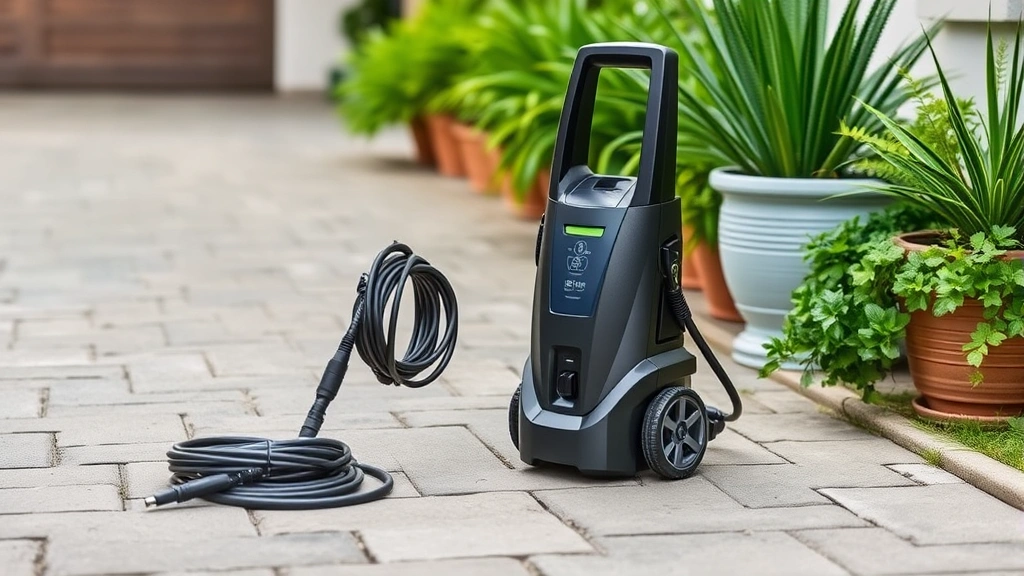
Gas power washers operate by burning fossil fuels to generate mechanical energy, which immediately places them outside the realm of truly eco-friendly equipment. Unlike electric alternatives that benefit from cleaner energy grids, gas engines produce direct emissions at the point of use. A typical gas power washer engine operates similarly to small lawn mower engines, consuming gasoline and producing carbon dioxide and other pollutants during every cleaning session.
The environmental concern extends beyond simple carbon emissions. Gas-powered equipment releases volatile organic compounds (VOCs), nitrogen oxides, and particulate matter into the atmosphere. For homeowners seeking the best gas power washer for their needs, these emissions represent a trade-off between cleaning power and environmental responsibility. The cumulative effect of millions of households using gas-powered outdoor equipment contributes measurably to local air quality degradation and climate change.
Research from the EPA on air pollution indicates that small gas engines are significant contributors to non-road emissions. A single gas power washer operating for one hour produces emissions comparable to driving a modern car for several hours. This reality challenges the notion that gas power washers represent a viable eco-friendly cleaning solution.
Emissions and Air Quality Concerns
The emission profile of gas power washers reveals why environmental advocates discourage their use. These machines typically lack the sophisticated emission control systems found in modern vehicles. Most gas power washers produce higher levels of harmful pollutants per unit of power output than even older automobiles.
Key emissions of concern include:
- Carbon Dioxide (CO2): Primary greenhouse gas contributing to climate change, released during fuel combustion
- Nitrogen Oxides (NOx): Ground-level ozone precursors affecting respiratory health and air quality
- Volatile Organic Compounds (VOCs): Contribute to smog formation and have toxic health effects
- Particulate Matter (PM): Fine particles that penetrate deep into lungs, causing cardiovascular and respiratory damage
- Carbon Monoxide (CO): Toxic gas that reduces oxygen delivery to organs
These emissions pose particular risks in residential areas where children, elderly individuals, and people with respiratory conditions live. Using a gas power washer in a suburban neighborhood means exposing neighbors to air pollution they didn’t choose. This externalized health cost represents a significant environmental justice concern often overlooked in discussions about cleaning equipment choices.
Fuel Consumption and Carbon Footprint
A typical gas power washer consumes between 0.5 to 1.5 gallons of gasoline per hour, depending on the engine size and pressure output. This fuel consumption directly translates to carbon emissions and represents a meaningful contribution to household carbon footprints.
To understand the scale, consider that a homeowner using a gas power washer monthly for four hours during spring and summer generates approximately 4-12 gallons of gasoline consumption annually. This translates to roughly 90-270 pounds of CO2 emissions per year from this single piece of equipment. When multiplied across millions of households, the aggregate climate impact becomes substantial.
The carbon footprint extends beyond operational emissions. Manufacturing the gas power washer, transporting it to retailers, and eventually disposing of it all consume resources and generate emissions. The lifecycle emissions of a gas power washer dwarf those of electric alternatives, making the cumulative environmental impact particularly concerning for environmentally conscious consumers exploring green technology innovations.
Furthermore, the extraction, refinement, and distribution of gasoline create additional environmental damage through potential spills, habitat disruption, and energy-intensive processing. Every gallon of fuel burned in a power washer represents environmental costs incurred across the entire supply chain.
Noise Pollution and Community Impact
Beyond air quality, gas power washers generate significant noise pollution. Operating at 85-95 decibels, these machines create soundscapes that disrupt neighborhood tranquility and can cause hearing damage with prolonged exposure.
Environmental impact includes:
- Wildlife Disruption: Loud noise stresses animals, interferes with communication, and disrupts breeding and feeding patterns
- Human Health Effects: Noise pollution correlates with increased stress hormones, sleep disruption, and cardiovascular problems
- Community Relations: Early morning or evening power washing creates neighborhood conflicts and reduces quality of life
- Regulatory Pressure: Many municipalities increasingly restrict gas power washer use during specific hours
Electric power washers operate at 75-80 decibels, a meaningful reduction that demonstrates the noise pollution advantage of cleaner alternatives. For environmentally responsible homeowners, considering neighbors’ wellbeing and local wildlife represents an important sustainability consideration alongside direct emissions.
Water Usage and Runoff Issues
While gas power washers themselves don’t generate emissions during water use, the water management implications warrant examination. Power washers consume significant water volumes—typically 1.5 to 2.5 gallons per minute—creating runoff that carries contaminants into local waterways.
Environmental concerns include:
- Chemical Runoff: Detergents and cleaning chemicals used with power washers contaminate storm drains and groundwater
- Soil Erosion: High-pressure spray accelerates erosion on landscaping and exposed soil areas
- Aquatic Ecosystem Damage: Runoff containing sediment and chemicals harms fish, invertebrates, and water plants
- Nutrient Loading: Phosphates in some cleaners cause algal blooms in waterways
- Water Depletion: In drought-prone regions, power washing represents wasteful water consumption
Responsible power washer use requires capturing and filtering runoff, using biodegradable cleaners, and avoiding use during water restrictions. These practices add complexity and cost to power washing operations, further supporting the case for cleaner alternatives.
Comparing Gas vs Electric and Solar Options
When evaluating whether a gas power washer qualifies as eco-friendly, comparison with alternatives provides crucial perspective. Electric power washers represent a significant environmental improvement, while emerging solar-powered options point toward genuinely sustainable cleaning solutions.
Electric Power Washers
Electric models eliminate direct emissions and operate more quietly than gas alternatives. While their environmental impact depends on the electricity grid’s fuel mix, even in regions relying heavily on fossil fuels, electric power washers typically produce 40-60% fewer lifecycle emissions than gas models. In areas with renewable energy dominance, the advantage increases substantially. Electric washers also cost less to operate and require minimal maintenance compared to gas engines.
The main limitation involves cord length and mobility, making them less suitable for properties without convenient outlet access. However, for most residential applications, electric power washers provide adequate cleaning power with dramatically reduced environmental impact.
Solar-Powered Options
Emerging solar-powered pressure washers represent the frontier of genuinely eco-friendly cleaning equipment. These systems use photovoltaic panels to charge batteries that power electric motors. While still relatively rare and expensive, solar washers eliminate operational emissions entirely and represent true sustainability alignment.
Manual and Low-Pressure Alternatives
For many cleaning tasks, lower-pressure alternatives suffice. Soft washing techniques using biodegradable soaps and low-pressure spray systems clean effectively while minimizing water usage and environmental damage. Hand-scrubbing, while labor-intensive, requires zero fuel and zero emissions.
Exploring SustainWise Hub Blog articles reveals numerous sustainable cleaning approaches that reduce reliance on powered equipment altogether. Water-saving techniques, strategic equipment choices, and modified cleaning methods collectively reduce environmental footprints substantially.
Best Practices for Responsible Use
If you determine that a gas power washer is necessary for your specific circumstances, implementing responsible use practices minimizes environmental damage. These practices represent harm reduction rather than true sustainability, but they matter when power washing becomes unavoidable.
Operational Practices
- Minimize Frequency: Power wash only when genuinely necessary rather than as routine maintenance
- Choose Off-Peak Hours: Operate during times that minimize noise impact on neighbors and wildlife
- Use Appropriate Pressure: Select lower pressure settings when adequate, reducing fuel consumption and water waste
- Maintain Equipment: Regular servicing ensures optimal efficiency and reduces emissions
- Fill Fuel Properly: Avoid spills that contaminate soil and groundwater
Environmental Protection
- Contain Runoff: Use tarps and berms to capture water and prevent contamination of storm drains
- Use Eco-Friendly Detergents: Select biodegradable, phosphate-free cleaning solutions
- Protect Landscaping: Avoid spraying directly on plants and sensitive areas vulnerable to erosion
- Time Strategically: Power wash before rain events to minimize runoff concentration
- Dispose Properly: Never pour fuel, oil, or contaminated water into drains or soil
Selecting the Best Gas Power Washer Responsibly
If circumstances demand a gas power washer, making informed choices about which model to purchase influences environmental impact. Certain features and specifications minimize harm compared to alternatives.
Key Selection Criteria
Engine Efficiency: Modern gas engines with Tier 4 emissions compliance produce fewer pollutants than older models. Selecting EPA-compliant equipment reduces air quality impacts. Look for models certified by environmental standards organizations rather than the cheapest options available.
Appropriate Power Rating: Selecting the minimum PSI and GPM necessary for your intended tasks reduces fuel consumption. An oversized power washer wastes fuel and creates unnecessary emissions. Assess whether 2000-2500 PSI suffices before investing in 3500+ PSI industrial models.
Fuel Efficiency: Some gas engines achieve better fuel economy than others. Models with carburetors designed for efficiency, automatic chokes, and proper fuel mixing capabilities consume less gasoline. Comparing fuel consumption across models helps identify relatively efficient options.
Build Quality: Durable equipment that lasts decades reduces lifecycle emissions compared to cheaper models requiring replacement every few years. Premium construction materials and components justify higher upfront costs from environmental perspectives.
Before purchasing any gas power washer, honestly evaluate whether electric alternatives would suffice for your needs. Consult information about gas equipment for boats and other specialized applications to understand legitimate use cases where gas power might prove necessary. However, for standard residential cleaning tasks, electric options provide superior environmental performance.
The honest assessment: gas power washers cannot reasonably be classified as eco-friendly equipment. They represent compromises made when other solutions prove inadequate for specific circumstances. Framing them as environmentally responsible choices misleads consumers about their true impact on climate and air quality.
FAQ
Are gas power washers bad for the environment?
Yes, gas power washers produce direct emissions including CO2, NOx, VOCs, and particulate matter. They consume fossil fuels and generate noise pollution. From environmental perspectives, they represent one of the least sustainable cleaning options available, though sometimes necessary for specific applications.
How much emissions does a gas power washer produce?
A typical gas power washer produces roughly 90-270 pounds of CO2 annually with moderate use. Additional emissions include nitrogen oxides, volatile organic compounds, and particulate matter. The total environmental impact exceeds that of driving a modern car for equivalent hours.
What are eco-friendly alternatives to gas power washers?
Electric power washers eliminate direct emissions and operate more quietly. Solar-powered models represent the most sustainable option. Manual cleaning, soft washing with low-pressure systems, and biodegradable soaps provide alternatives for many applications. Evaluating whether power washing is necessary at all represents the most sustainable approach.
Can I make a gas power washer more environmentally friendly?
While you cannot eliminate a gas washer’s fundamental environmental problems, responsible practices minimize damage. Maintain equipment for optimal efficiency, use lower pressure settings when possible, contain runoff, use biodegradable detergents, and minimize operational frequency. These practices represent harm reduction rather than true sustainability.
Is an electric power washer significantly better?
Yes, electric power washers typically produce 40-60% fewer lifecycle emissions than gas models, even accounting for electricity generation. They operate more quietly, cost less to operate, and require minimal maintenance. For most residential applications, electric washers provide adequate cleaning power with substantially reduced environmental impact.
What does the EPA say about gas power washers?
The EPA regulates non-road engines including those in power washers, establishing emissions standards. However, current regulations allow significant pollution compared to other equipment. The EPA generally recommends electric alternatives when feasible for reducing air pollution and climate impacts.
How do I dispose of a gas power washer responsibly?
Never dump gas power washers in regular trash. Contact local hazardous waste facilities or equipment recyclers who can properly handle fuel tanks, oil, and metal components. Some retailers offer take-back programs for old equipment when purchasing replacements. Responsible disposal prevents environmental contamination from fuel leaks and toxic materials.


