Today’s Gas Prices: BJ’s Wholesale Update & Smart Fueling Strategies
Fuel costs remain a significant household expense for millions of Americans, and understanding where to find the best prices has become essential financial management. BJ’s Wholesale Club offers competitive gas pricing to its members, often undercutting traditional gas stations by several cents per gallon. Whether you’re a regular commuter or occasional driver, knowing how to access today’s BJ’s gas prices can help you make informed decisions about your fuel budget and overall transportation costs.
This comprehensive guide explores current BJ’s gas pricing dynamics, how to find the best deals, and—importantly—how rising fuel costs are driving consumers toward more sustainable energy alternatives. As environmental consciousness grows, many drivers are reconsidering their fuel consumption habits and exploring options like advantages of electric vehicles that can reduce both expenses and carbon footprints long-term.
BJ’s Wholesale Gas Pricing Today
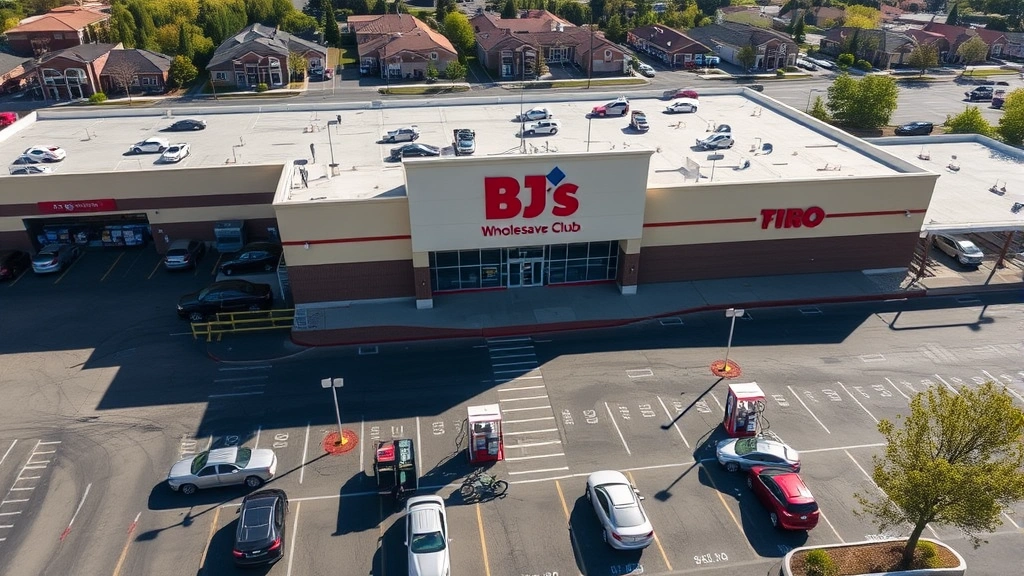
BJ’s Wholesale Club operates fuel stations at select locations across the northeastern United States, primarily serving members in New York, New Jersey, Pennsylvania, Massachusetts, Connecticut, Rhode Island, and surrounding areas. As of today, BJ’s gas prices typically range from 10 to 40 cents per gallon lower than nearby traditional gas stations, though exact pricing varies by location and market conditions.
The competitive advantage BJ’s offers stems from its membership-based business model. By serving primarily members rather than the general public, the company can operate with lower profit margins on fuel while maintaining profitability through membership fees and other retail sales. This structure benefits environmentally-conscious consumers who can reduce their overall transportation expenses while making fewer trips to refuel.
BJ’s typically offers multiple fuel grades including regular unleaded, mid-grade, and premium gasoline. Some locations also provide diesel fuel, making it convenient for owners of diesel-powered vehicles and equipment. The quality of fuel meets or exceeds EPA Tier 3 gasoline standards, ensuring your vehicle operates efficiently and produces fewer emissions.
How to Check Current BJ’s Gas Prices
Finding today’s BJ’s gas prices is straightforward through several convenient methods. The primary approach involves visiting BJ’s official website or mobile application, where members can access real-time fuel pricing at their nearest locations. The app provides location-based pricing information, allowing you to identify the cheapest available options within your area.
Here are the most effective ways to check current prices:
- BJ’s Mobile App: Download the official application and enable location services to see live pricing at nearby fuel stations
- Website Locator Tool: Visit bjs.com and use the fuel station finder to view prices by zip code or address
- In-Store Information: Visit any BJ’s location and check posted fuel prices at the pump or customer service desk
- Phone Inquiry: Call your local BJ’s Wholesale Club directly to confirm current pricing and fuel availability
- Third-Party Apps: GasBuddy and similar fuel price aggregator applications often include BJ’s pricing data
Membership verification is required to purchase fuel at BJ’s locations. Non-members can sometimes purchase fuel at a premium price (typically 5-10 cents more per gallon), but joining the club becomes cost-effective if you fuel up regularly. The annual membership fee typically pays for itself within a few fill-ups when comparing BJ’s prices to standard gas stations.
Membership Benefits & Savings Potential
BJ’s Wholesale Club membership unlocks substantial savings across fuel and other purchases. The standard membership tier costs approximately $55 annually, while the premium tier (BJ’s Gold) costs around $110 and includes additional benefits like discounted fuel prices and extended return policies.
For frequent drivers, the fuel savings alone justify membership costs. Consider this example: if you purchase 20 gallons weekly and BJ’s prices average 25 cents less per gallon than competitors, you’ll save $260 annually on fuel—nearly five times your membership cost. Additional benefits include:
- Exclusive member-only pricing on fuel and merchandise
- Rewards programs that accumulate points redeemable for discounts
- Access to bulk purchasing options that reduce per-unit costs
- Priority checkout and member-exclusive sales events
- Digital coupons and personalized offers through the mobile app
Beyond fuel savings, BJ’s membership encourages reduced shopping trips, meaning less driving overall. This aligns with sustainability principles by consolidating errands and minimizing unnecessary vehicle usage. Combined with exploring sustainable energy solutions, membership creates a comprehensive approach to reducing transportation costs and environmental impact.
Gas Price Trends & Market Factors
Understanding what drives gas prices helps you anticipate future costs and make strategic fueling decisions. Multiple interconnected factors influence daily fuel prices:
Global Oil Markets: Crude oil prices fluctuate based on geopolitical events, OPEC production decisions, and international supply-demand dynamics. A single significant event—such as supply disruptions or political tensions in major oil-producing regions—can trigger sudden price movements across all retail fuel stations.
Refinery Operations: The number of active refineries and their operational capacity directly impacts fuel availability and pricing. Seasonal maintenance shutdowns and unexpected outages can reduce supply and increase prices. Environmental regulations requiring specialized fuel blends during certain seasons also affect refinery operations and costs.
Transportation & Distribution: Fuel must travel from refineries to distribution centers and finally to individual gas stations. Transportation costs, driven by diesel prices and logistics expenses, factor into final retail prices. BJ’s centralized distribution model helps minimize these costs.
Seasonal Demand Variations: Summer driving season typically correlates with higher prices due to increased demand and specialized summer fuel blends. Winter months usually see lower prices but increased use of heating fuel. Spring and fall represent transition periods with variable pricing.
Taxes & Regulations: State and federal fuel taxes vary significantly by location. Some states impose higher taxes to fund infrastructure maintenance, directly increasing pump prices. Environmental regulations requiring specific fuel formulations also affect costs.
Monitoring these factors helps you understand price movements and time major fuel purchases strategically. However, the most effective long-term strategy involves reducing fuel consumption entirely through the advantages of electric vehicles and other sustainable transportation methods.
Sustainable Alternatives to Traditional Fuel
While optimizing gasoline purchases matters, the most impactful approach to reducing fuel costs and environmental impact involves transitioning to sustainable energy sources. Rising gas prices make alternative fuel vehicles increasingly economically attractive alongside their environmental benefits.
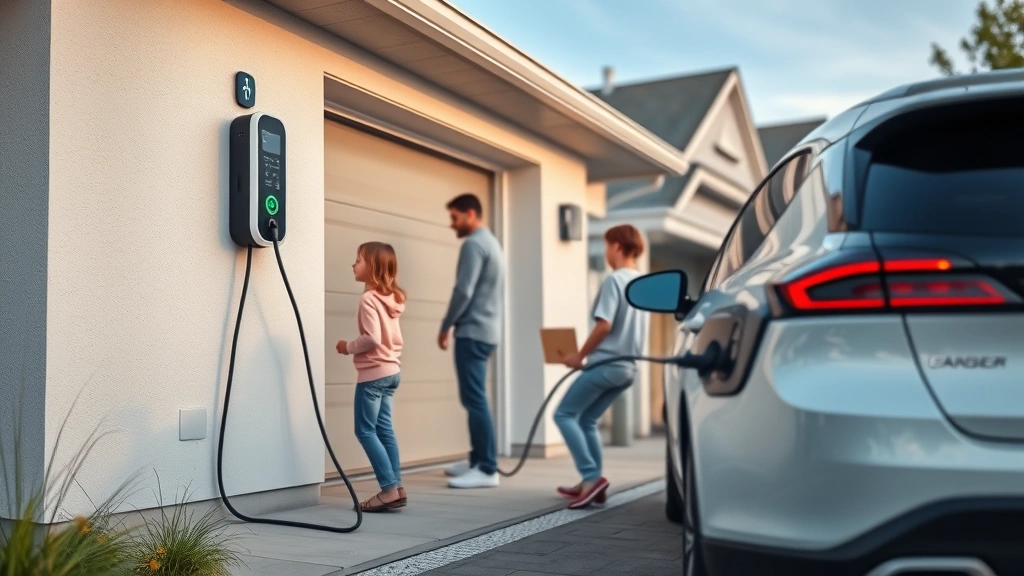
Electric Vehicles (EVs): Battery electric vehicles eliminate gasoline consumption entirely. Charging costs typically represent 60-70% less than equivalent gasoline expenses, and many regions offer charging infrastructure incentives. Federal tax credits up to $7,500 and state incentives further reduce purchase costs. Maintenance expenses drop dramatically since electric motors have fewer moving parts than combustion engines.
Hybrid Technology: Plug-in hybrid electric vehicles (PHEVs) combine electric motors with gasoline engines, allowing short trips on battery power while maintaining gasoline capability for longer journeys. This hybrid approach suits drivers hesitant about full electrification while still reducing fuel consumption by 50-75%.
Alternative Fuel Vehicles: Some vehicles operate on compressed natural gas (CNG), hydrogen, or biofuels. While less common than EVs, these options provide environmental benefits and fuel cost reductions in regions with established infrastructure.
Public Transportation & Carpooling: Reducing personal vehicle usage through public transit, carpooling, or remote work eliminates fuel expenses entirely. Even occasional use of public transportation significantly reduces annual fuel consumption and associated costs.
Exploring green technology innovations transforming our future reveals numerous options for reducing transportation-related expenses and emissions. For those maintaining gasoline vehicles temporarily, best gas powered pressure washer and best self-propelled gas lawn mower guides help you select efficient equipment that minimizes fuel consumption.
Maximizing Fuel Efficiency
While transitioning to sustainable alternatives, maximizing your current vehicle’s fuel efficiency reduces immediate costs and emissions. Strategic driving habits and vehicle maintenance significantly impact fuel economy:
Driving Practices: Aggressive acceleration and excessive speeding dramatically increase fuel consumption. Maintaining steady speeds between 45-65 mph optimizes engine efficiency. Reducing idling, combining errands into single trips, and avoiding rush hour congestion all contribute to better fuel economy. Proper tire inflation improves fuel efficiency by 3-5% and extends tire lifespan, reducing overall vehicle costs.
Vehicle Maintenance: Regular oil changes with manufacturer-recommended grades reduce engine friction and improve efficiency. Clean air filters enhance engine performance and fuel economy. Wheel alignment issues create drag that wastes fuel. Addressing these maintenance items costs far less than wasted fuel.
Load Management: Excess weight in your vehicle reduces efficiency. Remove unnecessary items from your trunk and roof racks, which create aerodynamic drag. Every 100 pounds of additional weight reduces fuel economy by approximately 1%.
Route Optimization: Using GPS navigation to avoid traffic and take efficient routes reduces driving time and fuel consumption. Planning trips to minimize backtracking and unnecessary mileage compounds savings over time.
These efficiency improvements, combined with BJ’s competitive pricing and membership benefits, create a comprehensive strategy for reducing fuel expenses while waiting to transition to sustainable alternatives like sustainable energy solutions.
Future of Fuel & Energy Solutions
The transportation landscape is rapidly evolving as environmental concerns, technological advances, and economic factors converge. Understanding future trends helps you make informed long-term decisions about vehicle purchases and fuel strategies.
Electric Vehicle Adoption Acceleration: Major automotive manufacturers are committing to electric-only futures, with many phasing out combustion engine production by 2035-2040. This transition, supported by government incentives and improving battery technology, makes EV ownership increasingly practical and affordable.
Charging Infrastructure Expansion: Public charging networks are expanding rapidly, addressing the primary concern preventing EV adoption. Workplace charging, residential solutions, and ultra-fast charging stations are becoming ubiquitous, eliminating range anxiety.
Battery Technology Improvements: Newer battery chemistries offer longer ranges, faster charging, and lower costs. Solid-state batteries and other emerging technologies promise even greater improvements in the coming decade.
Grid Decarbonization: As electrical grids incorporate more renewable energy sources like wind and solar, the environmental benefits of electric vehicles increase. Charging an EV with renewable electricity produces zero emissions, making EVs progressively cleaner over time.
Policy & Regulatory Changes: Governments worldwide are implementing stricter emissions standards and offering incentives for sustainable vehicle adoption. Some regions are banning new combustion engine vehicle sales entirely, accelerating the transition.
These developments suggest that relying on gasoline long-term becomes increasingly expensive and impractical. Monitoring SustainWise Hub Blog keeps you informed about emerging sustainable technologies and practical strategies for reducing transportation costs and environmental impact.
FAQ
What are typical BJ’s gas prices compared to regular gas stations?
BJ’s prices typically run 10-40 cents per gallon lower than nearby traditional gas stations, though this varies by location and market conditions. The exact difference depends on local competition and current crude oil prices. Membership ensures access to these competitive rates.
Do I need a membership to buy gas at BJ’s?
Yes, membership is required for standard member pricing. Non-members can sometimes purchase fuel at a premium (typically 5-10 cents higher per gallon), but membership becomes cost-effective quickly for regular fuel purchases. Most members recoup their annual membership fee within a few fill-ups.
How often do BJ’s gas prices change?
BJ’s adjusts fuel prices daily or multiple times daily, depending on crude oil market movements and competitor pricing. Checking the mobile app or website before refueling ensures you see the most current prices.
Which BJ’s locations have fuel stations?
Not all BJ’s locations include fuel stations. Use the store locator on BJ’s website or mobile app to find fuel stations near you. Fuel availability varies by region, with the highest concentration in the Northeast.
Can I use rewards points on fuel purchases?
BJ’s rewards programs allow point accumulation on fuel purchases, which you can redeem for future discounts. Specific rewards terms vary by membership tier and current promotions, so check your account for details.
What’s the best strategy for reducing fuel costs long-term?
Combining BJ’s membership savings with improved driving habits, vehicle maintenance, and eventually transitioning to electric vehicles creates the most comprehensive cost reduction strategy. Electric vehicles eliminate fuel expenses entirely while providing environmental benefits.
Are there environmental concerns with BJ’s fuel?
BJ’s fuel meets or exceeds EPA Tier 3 standards, ensuring it produces minimal emissions and performs efficiently in modern vehicles. However, any gasoline consumption contributes to emissions. The most environmentally responsible approach involves transitioning to electric or other sustainable alternatives.


