Eco-Friendly Corner Gas Fireplaces: Expert Insights on Sustainable Heating
Corner gas fireplaces have emerged as a compelling heating solution for homeowners seeking warmth, ambiance, and a reduced environmental impact. Unlike traditional wood-burning fireplaces that contribute to indoor air pollution and require continuous fuel sourcing, modern corner gas fireplaces offer a cleaner, more efficient alternative that aligns with contemporary sustainability principles. These fixtures combine aesthetic appeal with practical heating capabilities, making them an increasingly popular choice for environmentally conscious households looking to optimize their home energy systems.
As we face growing concerns about climate change and household carbon emissions, understanding the environmental implications of our heating choices becomes essential. A comprehensive approach to sustainable energy solutions includes evaluating every component of home comfort systems. Corner gas fireplaces represent a middle ground between traditional heating methods and fully renewable alternatives, offering immediate improvements in efficiency and emissions while homeowners transition toward net-zero energy homes. This guide explores the environmental benefits, technological innovations, and best practices for selecting and operating eco-friendly corner gas fireplaces.
Understanding Corner Gas Fireplaces and Environmental Impact
Corner gas fireplaces represent a significant advancement in residential heating technology, particularly regarding environmental consciousness. These units utilize natural gas or propane to generate heat and flame effects, eliminating the need for wood harvesting and the associated deforestation concerns. The combustion process, when properly optimized, produces minimal particulate matter and harmful emissions compared to traditional fireplaces.
The environmental benefits of corner gas fireplaces extend beyond immediate emissions reduction. By choosing these systems, homeowners actively participate in reducing their environmental footprint through decreased wood consumption and lower indoor air pollution. Natural gas, while a fossil fuel, burns cleaner than wood and produces significantly fewer volatile organic compounds and particulate matter that degrade indoor air quality.
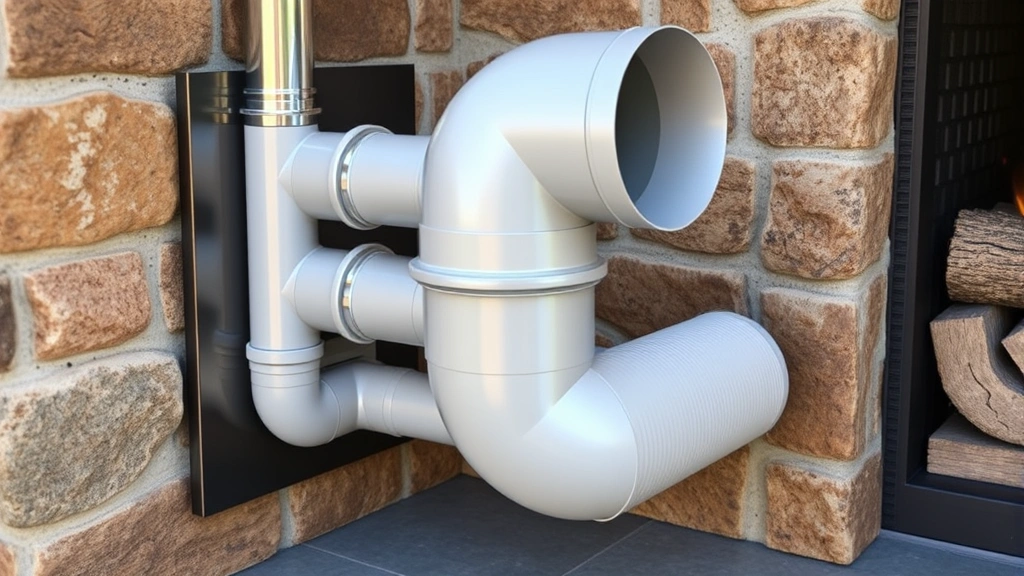
Modern corner gas fireplace designs incorporate sealed combustion chambers, which draw air from outside the home rather than from living spaces. This engineering feature prevents heat loss through chimney drafts and maintains better indoor air quality. The efficiency improvements translate directly into reduced energy consumption and lower household carbon emissions over the heating season.
Understanding the definition of sustainability helps contextualize why corner gas fireplaces fit into broader environmental goals. Sustainability encompasses meeting present heating needs without compromising future environmental quality. These fireplaces achieve this balance by providing reliable warmth with manageable environmental costs while remaining accessible to average homeowners.
Efficiency Standards and Energy Performance Metrics
Energy efficiency ratings serve as critical indicators when evaluating corner gas fireplaces for environmental impact. The Annual Fuel Utilization Efficiency (AFUE) rating measures what percentage of fuel converts to usable heat. Premium corner gas fireplaces achieve AFUE ratings between 70-90%, compared to traditional open fireplaces that operate at merely 10-15% efficiency.
The U.S. Environmental Protection Agency (EPA) establishes stringent standards for heating appliance emissions and efficiency. When selecting a corner gas fireplace, homeowners should prioritize units certified by the EPA for indoor air quality standards. These certifications guarantee that the unit meets rigorous requirements for nitrogen oxide emissions, carbon monoxide output, and overall combustion safety.
Direct vent corner gas fireplaces represent the most efficient category available today. These systems feature sealed combustion chambers with dedicated intake and exhaust pipes that run directly through exterior walls. The sealed design prevents conditioned air from escaping through the chimney, maintaining home temperature stability and reducing heating system workload during winter months.
Thermal efficiency improvements compound over time. A corner gas fireplace operating at 85% efficiency versus 15% efficiency reduces energy waste by approximately 70 BTUs per 100 BTUs generated. Over a typical heating season spanning five months, this efficiency differential translates into substantial energy savings and proportional reductions in natural gas consumption and associated emissions.
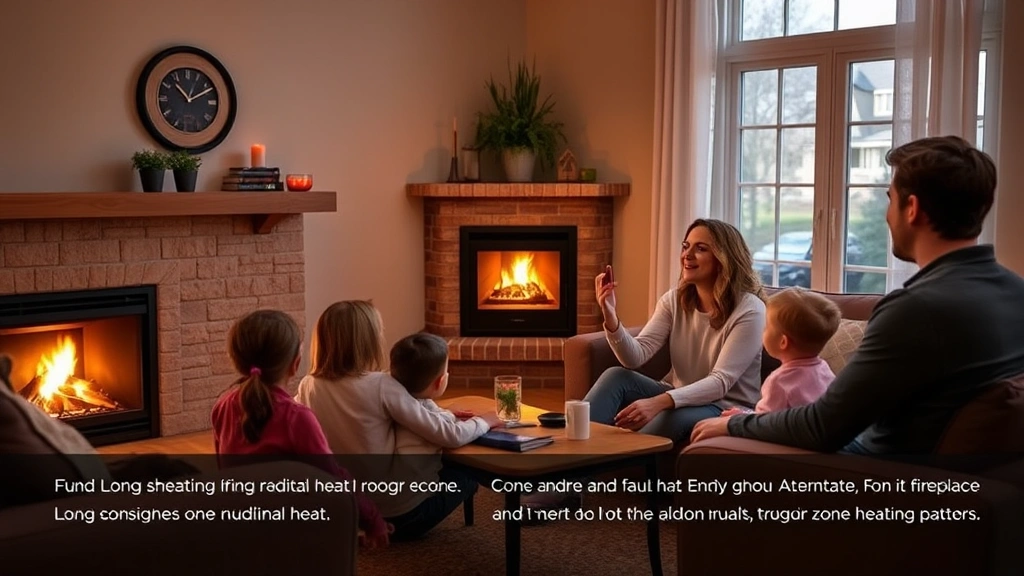
Homeowners seeking to maximize heating system performance should explore how corner gas fireplaces integrate with broader green technology innovations transforming home energy systems. Smart thermostats can optimize fireplace operation schedules, zone heating can reduce overall home heating demands, and radiant heat distribution improves comfort while minimizing energy waste.
Comparing Heating Methods: Environmental Perspective
A comprehensive environmental analysis requires comparing corner gas fireplaces against alternative heating methods. Traditional wood-burning fireplaces, while appearing natural and renewable, present significant environmental challenges. Wood combustion releases particulate matter, volatile organic compounds, and carbon dioxide. The harvesting process, even when managed sustainably, disrupts forest ecosystems and removes carbon storage potential.
Electric heating systems consume electricity that may originate from renewable or fossil fuel sources depending on regional grid composition. In areas with clean energy infrastructure, electric heating proves more sustainable than gas-powered alternatives. However, electric resistance heating demonstrates lower overall efficiency than gas combustion in many applications, requiring larger energy inputs to achieve equivalent heating output.
Heat pumps represent an increasingly viable alternative to gas fireplaces, particularly in moderate climates. These systems extract ambient heat from outdoor air or ground sources and transfer it indoors, achieving efficiency ratings exceeding 300% in ideal conditions. For homeowners in colder regions, corner gas fireplaces may provide more practical supplemental heating while heat pump technology continues advancing.
Oil heating systems, once common in residential applications, rank among the most environmentally damaging options. Oil combustion produces higher emissions of sulfur dioxide and nitrogen oxides compared to natural gas. Additionally, oil heating systems pose spill risks and require regular tank maintenance, introducing potential environmental contamination concerns.
The comparative analysis reveals that corner gas fireplaces occupy a reasonable middle position in the heating technology spectrum. They outperform traditional fireplaces and oil systems substantially while remaining more accessible and practical than full renewable heating conversions for many households. Strategic deployment of corner gas fireplaces as supplemental heating systems maximizes environmental benefits while maintaining affordability and reliability.
Installation and Optimization Strategies
Professional installation proves essential for maximizing corner gas fireplace environmental performance. Improper installation compromises combustion efficiency, increases emissions, and creates safety hazards. Certified installers ensure that sealed combustion systems function correctly, venting assemblies operate without leaks, and safety controls activate appropriately.
Corner placement offers distinct thermodynamic advantages for heat distribution. Corners concentrate heat radiation into room spaces more effectively than wall-mounted units, reducing the total heat output required to achieve comfortable temperatures. This geometric efficiency improvement translates directly into reduced fuel consumption and lower operating costs.
Proper ventilation design determines whether corner gas fireplaces achieve their environmental potential. Direct vent systems require unobstructed exterior wall access for intake and exhaust pipes. Installing these pipes with appropriate slope prevents condensation accumulation and ensures continuous airflow. Sealed combustion prevents household air from being drawn up the chimney, maintaining indoor air quality and preventing thermal loss.
Sizing calculations must account for room dimensions, insulation quality, and climate conditions. An oversized fireplace wastes fuel by generating excess heat that escapes through walls and windows, while undersized units fail to adequately heat spaces. Professional load calculations ensure optimal sizing for maximum efficiency and environmental benefit.
Integration with existing home heating systems enhances overall performance. Corner gas fireplaces can supplement central heating systems, reducing furnace runtime during shoulder seasons and evening hours when zone heating suffices. This strategic deployment pattern minimizes total fuel consumption while maintaining comfort levels throughout changing weather conditions.
Smart controls and thermostatic valves enable automated operation aligned with comfort preferences and occupancy patterns. Programmable ignition systems activate the fireplace only when room temperatures drop below setpoint thresholds, preventing unnecessary fuel consumption during mild weather or unoccupied periods.
Maintenance Practices for Sustainable Operation
Regular maintenance preserves corner gas fireplace efficiency and environmental performance throughout its operational lifespan. Annual professional inspections identify combustion chamber deposits, verify proper gas flow, and ensure safety controls function correctly. These preventive measures prevent efficiency degradation and maintain emissions compliance with EPA standards.
Glass door cleaning removes soot and combustion residue that accumulates on viewing surfaces. While primarily aesthetic, clean glass allows better radiant heat transmission and maintains visual appeal that encourages regular fireplace use. Dirty glass can reduce heat output perception and discourage usage of this efficient heating system.
Venting system inspection ensures that intake and exhaust pipes remain clear of obstructions, ice accumulation, or debris. Blocked vents force combustion gases to recirculate into living spaces, reducing efficiency and creating indoor air quality concerns. Seasonal inspections before heating season begins prevent operational problems and safety hazards.
Gas line inspection verifies that supply connections remain leak-free and properly sealed. Even small leaks waste fuel and increase emissions. Professional testing using specialized equipment detects leaks imperceptible to human senses, protecting both environmental quality and household safety.
Thermostat calibration ensures accurate temperature sensing and appropriate fireplace operation. Miscalibrated thermostats may trigger excessive cycling or fail to activate the system when heating is needed, reducing overall efficiency and comfort. Annual calibration maintains optimal system performance.
Combustion air intake cleaning removes dust and debris that impede airflow. Restricted intake reduces combustion efficiency, increases emissions, and prevents the fireplace from generating adequate heat. Simple cleaning with compressed air restores optimal performance and environmental benefits.
Integration with Home Energy Systems
Corner gas fireplaces function most effectively as components within comprehensive home energy strategies rather than standalone heating solutions. Integration with sustainable energy solutions creates synergistic benefits that exceed individual system performance.
Zoning strategies divide homes into independently heated sections, reducing overall heating demands. A corner gas fireplace can serve as primary heat source for living room and adjacent spaces during evening hours, allowing central heating to reduce output in unoccupied bedrooms and bathrooms. This targeted approach reduces whole-home energy consumption by 15-30% depending on occupancy patterns.
Radiant heat distribution from corner gas fireplaces supplements forced-air heating systems inefficiently. While furnaces blow warm air through ductwork with inherent losses, fireplace radiant heat directly warms occupants and room surfaces, creating comfort at lower overall temperatures. Reducing thermostat setpoints by just 3-4 degrees yields 10-15% energy savings.
Smart home automation coordinates corner gas fireplace operation with other heating systems, weather forecasting data, and occupancy sensors. Algorithms optimize fuel consumption by anticipating heating needs and adjusting fireplace activation schedules to minimize total energy inputs while maintaining consistent comfort.
Heat recovery ventilation systems capture warm exhaust air from sealed combustion fireplaces and transfer that thermal energy to incoming fresh air. This advanced integration virtually eliminates heat loss through venting while maintaining superior indoor air quality standards.
Insulation improvements amplify corner gas fireplace effectiveness. Upgrading wall insulation, sealing air leaks, and installing efficient windows reduce overall home heating demands, allowing smaller fireplace outputs to achieve comfort targets. Combined with broader household sustainability initiatives, these improvements create comprehensive efficiency gains.
Cost-Benefit Analysis and Long-Term Sustainability
Initial capital investment in corner gas fireplaces ranges from $3,000-$8,000 including professional installation. This cost structure places them between budget wood-burning fireplaces ($1,500-$3,000) and premium heat pump systems ($10,000-$15,000). The price-to-performance ratio favors corner gas fireplaces for many households seeking immediate heating improvements without major renovation expenses.
Operating costs depend on natural gas prices, heating season duration, and fireplace runtime patterns. A corner gas fireplace operating 4-6 hours daily throughout a 150-day heating season consumes approximately 30-50 therms of natural gas monthly, costing $30-$80 depending on regional pricing. This cost structure proves substantially lower than electric resistance heating while offering superior efficiency to wood-burning alternatives.
Long-term value accrues through reduced heating bills, improved home comfort, and enhanced property appeal. Homes featuring efficient heating systems command premium resale values, and energy-efficient upgrades attract environmentally conscious buyers. Over a 15-20 year operational lifespan, cumulative heating savings often exceed initial installation costs.
Environmental cost-benefit analysis reveals that corner gas fireplaces reduce household carbon emissions by 40-60% compared to wood-burning fireplaces and 20-35% compared to electric resistance heating. These emissions reductions contribute meaningfully to climate change mitigation, particularly when aggregated across thousands of households making similar upgrade decisions.
Lifecycle analysis accounting for manufacturing impacts, operational emissions, and end-of-life disposal indicates that corner gas fireplaces generate net environmental benefits within 3-5 years of operation. Manufacturing carbon costs are offset through improved heating efficiency, yielding positive environmental returns throughout the system’s operational lifespan.
Future-proofing considerations suggest that natural gas infrastructure may face policy pressures as renewable energy adoption accelerates. However, corner gas fireplaces remain valuable heating assets that can transition to renewable biogas or hydrogen fuels as energy infrastructure evolves. This technological flexibility preserves investment value while supporting long-term sustainability transitions.
For homeowners committed to comprehensive environmental responsibility, corner gas fireplaces represent pragmatic intermediate solutions supporting transitions toward fully renewable heating systems. They deliver immediate environmental improvements while maintaining affordability and reliability standards that encourage broad adoption.
FAQ
Are corner gas fireplaces environmentally friendly compared to wood-burning fireplaces?
Yes, corner gas fireplaces significantly outperform wood-burning alternatives from environmental perspectives. Gas combustion produces 60-80% fewer emissions, eliminates deforestation concerns, maintains superior indoor air quality, and achieves 5-6 times higher heating efficiency. The sealed combustion design prevents conditioned air loss through chimneys, further reducing overall energy consumption.
What efficiency rating should I prioritize when selecting a corner gas fireplace?
Target corner gas fireplaces with AFUE ratings of 75% or higher and EPA certification for emissions compliance. Direct vent models typically achieve the highest efficiency ratings (80-90%) because sealed combustion prevents heat loss. Compare models using BTU output ratings alongside efficiency percentages to ensure proper sizing for your heating needs.
How does a corner gas fireplace reduce household carbon emissions?
Corner gas fireplaces reduce emissions through multiple mechanisms: superior combustion efficiency minimizes fuel consumption, sealed venting prevents thermal losses, corner placement optimizes heat distribution, and integration with zone heating reduces furnace runtime. Combined effects typically yield 40-60% emissions reductions compared to wood-burning alternatives.
Can corner gas fireplaces integrate with renewable energy systems?
While corner gas fireplaces operate on fossil fuels, they integrate effectively with renewable heating systems including heat pumps, solar thermal collectors, and biomass systems. Strategic zoning allows gas fireplaces to provide supplemental heating during peak demand periods while renewable systems handle baseline heating loads, optimizing overall system performance.
What maintenance requirements ensure optimal environmental performance?
Annual professional inspections, seasonal venting system cleaning, gas line leak testing, thermostat calibration, and combustion air intake cleaning preserve efficiency and emissions compliance. These preventive measures prevent performance degradation and maintain the environmental benefits that justify the initial installation investment.
How do corner gas fireplaces compare to electric heating systems environmentally?
Comparison depends on regional electricity grid composition. In areas with renewable energy dominance, electric heating may prove more sustainable. However, corner gas fireplaces generally outperform electric resistance heating in efficiency and cost-effectiveness. Heat pumps represent superior alternatives in moderate climates, though corner gas fireplaces provide more reliable supplemental heating in extreme cold conditions.
What is the typical lifespan of an eco-friendly corner gas fireplace?
Modern corner gas fireplaces typically operate reliably for 15-20 years with proper maintenance. Quality construction, sealed combustion design, and reduced mechanical complexity extend operational lifespan compared to wood-burning alternatives. Regular maintenance preserves efficiency and extends service life, maximizing environmental benefits per manufacturing carbon investment.


