
Is Ford 7.3 Gas Engine Fuel Efficient? Comprehensive Insights for Eco-Conscious Drivers
The Ford 7.3-liter gasoline engine represents a significant engineering achievement in the heavy-duty truck market, but fuel efficiency remains a critical question for environmentally conscious consumers. As transportation accounts for a substantial portion of global carbon emissions, understanding the fuel economy performance of large-displacement engines becomes increasingly important for those seeking to balance power and environmental responsibility.
Ford’s 7.3-liter gasoline engine, introduced in 2020, powers popular models including the Super Duty F-250, F-350, and F-450 trucks. While this engine delivers impressive horsepower and towing capacity, its fuel efficiency metrics tell a nuanced story that requires careful examination. This comprehensive guide explores the real-world fuel economy data, compares it to alternatives, and helps you make informed decisions aligned with sustainable driving practices.
Ford 7.3 Engine Fuel Economy Overview
The Ford 7.3-liter gasoline engine achieves EPA-estimated fuel economy ratings of 15 miles per gallon (MPG) in the city and 19 MPG on the highway for 2024 models equipped with the standard transmission. These figures place it in the lower range for fuel efficiency compared to smaller-displacement engines, yet they represent competitive performance within the heavy-duty truck segment.
Understanding these baseline numbers requires context. Heavy-duty trucks inherently consume more fuel due to their weight, structural requirements, and capability to tow substantial loads. The 7.3-liter engine produces 430 horsepower and 475 pound-feet of torque, delivering performance capabilities that lighter vehicles cannot match. This power-to-efficiency tradeoff is fundamental to the design philosophy behind large-displacement engines.
Ford engineers optimized the 7.3-liter engine with modern technologies including direct fuel injection, variable valve timing, and a sophisticated engine management system. These features help maximize combustion efficiency and minimize wasted fuel, though the engine’s displacement still results in higher fuel consumption than smaller alternatives.
Real-World MPG Performance Data
EPA estimates provide baseline expectations, but real-world fuel economy varies significantly based on driving conditions and habits. Owner-reported data shows that Ford 7.3 trucks typically achieve between 12-18 MPG in actual driving scenarios, with highway driving generally delivering better efficiency than city driving.
Several factors create variance in real-world performance:
- Driving style: Aggressive acceleration and frequent braking significantly reduce efficiency
- Load carrying: Payload weight directly impacts fuel consumption
- Towing: Pulling trailers substantially decreases MPG, often reducing efficiency by 20-40%
- Terrain: Mountainous regions and hilly areas demand more fuel than flat terrain
- Speed consistency: Maintaining steady speeds improves efficiency compared to variable speeds
- Tire pressure and condition: Under-inflated tires increase rolling resistance and fuel consumption
- Vehicle maintenance: Proper servicing and clean fuel filters optimize performance
Professional truck drivers and fleet operators report that 7.3-liter engines consistently deliver between 14-16 MPG under normal operating conditions. This represents respectable efficiency for a vehicle of this size and capability, though it remains higher in fuel consumption than smaller engines.
Seasonal variations also affect fuel economy. Cold weather increases fuel consumption due to denser air requiring richer fuel mixtures and increased engine friction. Winter driving typically reduces MPG by 10-15% compared to summer conditions.
Factors Affecting Fuel Efficiency
Multiple variables influence how efficiently the Ford 7.3-liter engine converts fuel into useful work. Understanding these factors empowers drivers to optimize their fuel consumption and reduce their environmental footprint.
Engine Load and Power Delivery
The 7.3-liter engine operates most efficiently at moderate throttle positions and steady speeds. Excessive throttle input for acceleration wastes fuel through incomplete combustion and increased engine friction. Highway cruising at 55-65 MPH represents the optimal efficiency window for these engines, where aerodynamic drag remains manageable and engine load stays within efficient operating ranges.
Towing represents the greatest efficiency challenge. When pulling trailers, the engine must work harder against increased aerodynamic drag and rolling resistance. A loaded trailer can reduce fuel economy by 30-40% compared to unloaded driving. This dramatic efficiency loss highlights why careful trip planning and load optimization become crucial for sustainability-minded truck owners.
Transmission and Drivetrain Efficiency
Ford 7.3 trucks come equipped with either a 6-speed or 10-speed automatic transmission. The 10-speed transmission offers improved efficiency through more closely-spaced gear ratios that keep the engine operating in optimal RPM ranges. Transmission efficiency directly impacts overall fuel economy, making this component selection important for fuel-conscious buyers.
The truck’s rear axle ratio also affects efficiency. Lower numerical ratios (like 3.31:1) provide better highway efficiency, while higher ratios (like 3.73:1 or 4.30:1) optimize towing capability but sacrifice fuel economy. Selecting appropriate axle ratios for your intended use becomes a critical efficiency decision.
Aerodynamic and Rolling Resistance
Large trucks inherently face substantial aerodynamic drag due to their boxy shape. Aftermarket tonneau covers, grille inserts, and bed covers can reduce aerodynamic drag by 5-10%, modestly improving fuel economy. Tire selection also matters significantly—low-rolling-resistance tires designed for fuel efficiency can improve MPG by 2-3% compared to standard truck tires.
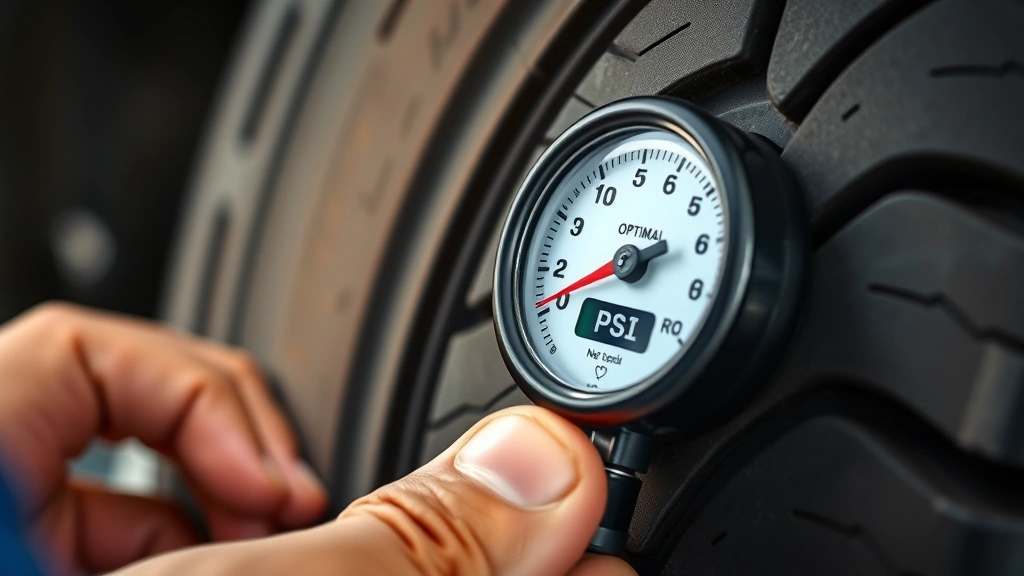
Maintaining proper tire pressure remains one of the simplest yet most effective efficiency improvements. Each 1 PSI drop below recommended pressure increases fuel consumption by approximately 0.3%. Regular tire maintenance ensures optimal efficiency and safety.
Comparison with Diesel Alternatives
Ford’s 6.7-liter Power Stroke diesel engine offers a compelling alternative to the 7.3-liter gasoline engine, particularly regarding fuel efficiency. The diesel engine achieves 16-17 MPG highway and 13-15 MPG city, slightly exceeding gasoline engine efficiency while delivering superior torque (475 lb-ft gasoline vs. 1,050 lb-ft diesel).
Diesel fuel contains approximately 10-15% more energy per gallon than gasoline, contributing to inherently better fuel economy. Diesel engines also operate at higher compression ratios and peak efficiency at lower RPMs, optimizing combustion efficiency. For owners who frequently tow or carry heavy loads, diesel engines typically provide better long-term fuel economy and lower operating costs despite higher fuel prices.
However, diesel engines cost significantly more upfront ($8,000-$10,000 premium) and face stricter emissions regulations in some regions. Gasoline engines offer advantages for light-duty use and lower initial purchase prices. The fuel economy difference between 7.3-liter gasoline and diesel engines, while measurable, remains modest enough that driving habits and use case often matter more than engine type.
Comparing to Smaller Gasoline Engines
Ford’s 5.0-liter gasoline V8, available in lighter-duty trucks, achieves 17-19 MPG highway and 14-16 MPG city. This represents approximately 10% better efficiency than the 7.3-liter while sacrificing towing capacity (13,000 lbs vs. 16,000 lbs). For drivers who don’t require maximum towing capability, the smaller engine provides meaningful fuel economy advantages.
The efficiency improvement gap between the 5.0-liter and 7.3-liter engines grows more pronounced when towing. A loaded trailer benefits from the diesel’s torque efficiency, making the 5.0-liter’s lighter towing capacity less practical for serious work use.
Environmental Impact Considerations
Fuel consumption directly correlates with carbon dioxide emissions and environmental impact. The Ford 7.3-liter gasoline engine’s 15-19 MPG fuel economy translates to approximately 650-750 grams of CO2 emissions per mile driven. Over 12,000 annual miles (average truck usage), this represents roughly 8-9 metric tons of CO2 emissions annually.
This environmental impact places the 7.3-liter engine in the higher emissions category. However, proper context matters. Trucks serve essential functions in commerce, agriculture, construction, and emergency services. The question becomes not whether to eliminate truck use, but how to optimize truck efficiency and implement sustainable energy solutions.
Lifecycle Emissions Analysis
Fuel consumption represents only one component of a vehicle’s total environmental impact. Manufacturing, transportation, maintenance, and eventual recycling all contribute to lifecycle emissions. Heavy-duty trucks built to last 200,000+ miles can distribute their manufacturing impacts across decades of service, potentially making them more efficient than frequently-replaced lighter vehicles.
Choosing a truck that precisely matches your needs prevents unnecessary oversizing. A driver with occasional towing needs shouldn’t purchase a maximum-capacity truck, as excess capability means excess fuel consumption and emissions. Right-sizing vehicle selection to actual requirements becomes a powerful sustainability strategy.
Emissions Standards and Modern Technology
The Ford 7.3-liter engine meets current EPA Tier 3 emissions standards, reducing nitrogen oxides and particulate matter compared to older engines. While greenhouse gas emissions (CO2) from fuel combustion remain significant, modern engines produce cleaner exhaust with fewer harmful pollutants affecting air quality and human health.
EPA fuel economy and emissions resources provide detailed environmental impact data for all vehicles. Understanding these metrics helps consumers make environmentally informed purchasing decisions aligned with their sustainability values.

Optimization Strategies for Better Efficiency
Owners of Ford 7.3-liter trucks can implement numerous strategies to improve fuel economy and reduce environmental impact without sacrificing capability.
Driving Habit Modifications
- Maintain steady speeds: Cruise control on highways optimizes efficiency by eliminating speed variations
- Reduce idle time: Modern engines need minimal warm-up time; excessive idling wastes fuel
- Anticipate stops: Gradual deceleration is more efficient than hard braking
- Minimize aggressive acceleration: Smooth throttle application improves combustion efficiency
- Combine trips: Multiple short trips consume more fuel than one consolidated journey
- Plan routes: Avoid heavy traffic and congested roads that require constant acceleration
Vehicle Maintenance and Upgrades
Regular maintenance directly impacts efficiency. Clean air filters, properly functioning fuel injectors, and aligned wheels all contribute to optimal fuel economy. Synthetic oil reduces engine friction and can improve efficiency by 1-2%. Spark plug replacement at manufacturer-recommended intervals ensures optimal combustion.
Aerodynamic improvements including tonneau covers and wind deflectors reduce drag and improve highway fuel economy by 3-8%. Tire pressure monitoring systems ensure tires remain properly inflated, maximizing rolling efficiency. Low-rolling-resistance tires specifically engineered for fuel economy provide measurable improvements over standard truck tires.
Load Management
Removing unnecessary cargo reduces weight and improves efficiency. Every 100 pounds of cargo reduces fuel economy by approximately 1%. Consolidating equipment and tools prevents carrying unnecessary weight. Using roof racks and external storage only when necessary minimizes aerodynamic penalties.
For owners who frequently tow, selecting lighter-weight trailers and optimizing load distribution improves efficiency. Aerodynamic trailer designs reduce the fuel consumption penalty associated with towing.
Is the Ford 7.3 Gas Engine Right for You?
Determining whether the Ford 7.3-liter gasoline engine suits your needs requires honest assessment of your actual requirements versus desired capabilities. This evaluation balances performance needs with environmental responsibility and operating costs.
Ideal Use Cases for the 7.3-Liter Engine
The 7.3-liter engine excels for owners who need maximum towing capacity with gasoline engine reliability and lower upfront costs. Light-duty to moderate-duty hauling, occasional heavy towing, and applications where diesel emissions regulations create complications make the 7.3-liter compelling.
Recreational truck owners, small business operators, and contractors who value the engine’s power and torque delivery find the fuel economy acceptable relative to their needs. The 15-19 MPG range, while not exceptional, remains reasonable for a 7,000+ pound vehicle with 430 horsepower.
Owners in regions without diesel emissions restrictions can choose based purely on efficiency and capability, giving the 7.3-liter strong consideration. The gasoline engine’s simpler aftermarket support and lower maintenance costs appeal to budget-conscious owners.
When to Consider Alternatives
Drivers prioritizing fuel efficiency should explore advantages of electric vehicles and smaller gasoline engines. The Ford 5.0-liter engine provides 10% better efficiency for those with moderate towing needs. Diesel engines deliver superior long-term economy for frequent heavy-duty use.
Fleet operators focused on total cost of ownership should calculate fuel expenses over vehicle lifetime. While the 7.3-liter costs less upfront than diesel alternatives, fuel expenses may offset this savings for high-mileage applications.
Urban drivers and those prioritizing environmental impact should consider whether a large truck aligns with their actual needs. Smaller vehicles, hybrid options, and green technology innovations may better serve primarily commuting purposes with occasional light hauling.
Understanding your specific use case prevents purchasing excess capability while ensuring the truck adequately handles your legitimate needs. This balanced approach optimizes both efficiency and satisfaction.
FAQ
What is the average fuel economy of the Ford 7.3 gas engine?
EPA estimates range from 15 MPG city to 19 MPG highway, with real-world performance typically between 12-18 MPG depending on driving conditions, load, and habits. Highway driving generally delivers better efficiency than city driving.
How does the 7.3-liter compare to the diesel engine in fuel efficiency?
The 6.7-liter Power Stroke diesel achieves slightly better fuel economy at 13-15 MPG city and 16-17 MPG highway, but costs significantly more upfront. The efficiency difference is modest enough that driving habits often matter more than engine type.
What is the environmental impact of driving a Ford 7.3-liter truck?
The engine produces approximately 650-750 grams of CO2 per mile, translating to roughly 8-9 metric tons annually based on typical driving. Modern emissions standards minimize harmful pollutants, though fuel consumption remains substantial.
Can I improve fuel economy on my Ford 7.3 truck?
Yes. Maintenance, driving habit modifications, aerodynamic upgrades, proper tire pressure, and load optimization can improve efficiency by 5-15%. Regular tune-ups and avoiding aggressive acceleration provide the greatest improvements.
Is the Ford 7.3-liter engine good for towing?
The 7.3-liter provides 430 horsepower and 475 lb-ft torque, enabling up to 16,000 pounds of towing. However, towing substantially reduces fuel economy, typically by 30-40% compared to unloaded driving.
Should I buy a Ford 7.3 or the smaller 5.0-liter engine?
Choose based on actual towing and hauling needs. The 5.0-liter provides 10% better efficiency and lower costs for light-duty use. The 7.3-liter justifies its fuel consumption only if you regularly need its maximum capability.
How does weather affect Ford 7.3 fuel economy?
Cold weather typically reduces efficiency by 10-15% due to denser air, increased engine friction, and richer fuel mixtures. Summer driving delivers optimal fuel economy, while winter conditions demand more fuel.
What transmission is best for fuel efficiency?
The 10-speed automatic transmission provides better efficiency than the 6-speed by maintaining optimal engine RPM across more gear ratios. Highway driving particularly benefits from the additional gears.
Does the Ford 7.3-liter meet environmental standards?
Yes. The engine meets EPA Tier 3 emissions standards, reducing harmful pollutants compared to older engines. While CO2 emissions from fuel combustion remain significant, modern engines produce cleaner exhaust.
What is the best way to optimize Ford 7.3 fuel economy?
Combine multiple strategies: maintain steady speeds, keep tires properly inflated, perform regular maintenance, avoid aggressive acceleration, minimize idle time, and remove unnecessary cargo. These modifications collectively improve efficiency by 10-15%.


