
Ford Maverick Gas Mileage: Real Owner Insights and Sustainability Impact
The Ford Maverick has emerged as a game-changing vehicle in the compact truck segment, attracting environmentally conscious buyers seeking to balance practicality with fuel efficiency. Since its 2022 debut, this affordable pickup has generated significant discussion among owners regarding real-world gas mileage performance. Understanding actual fuel consumption patterns helps potential buyers make informed decisions while considering their environmental footprint and long-term fuel costs.
This comprehensive guide draws from owner experiences, testing data, and sustainability considerations to provide honest insights into Ford Maverick gas mileage. Whether you’re evaluating this truck for personal use or comparing it against other vehicles, our detailed analysis covers everything from EPA estimates to practical driving scenarios and tips for optimizing fuel efficiency.
EPA Ratings vs Real-World Performance
The Ford Maverick’s EPA fuel economy estimates represent laboratory conditions that often differ significantly from everyday driving. The standard gas model (EcoBoost 2.0L) is rated at 21 miles per gallon city, 26 highway, and 23 combined for two-wheel drive configurations. However, real-world owner data consistently reveals a more nuanced picture.
Most owners report achieving 18-22 MPG combined during typical mixed driving, which falls slightly below EPA estimates. This variance is common across all vehicles and reflects factors like urban congestion, aggressive acceleration, and varying driving habits. Some owners with disciplined driving techniques report matching or exceeding EPA figures, while those with spirited driving see figures in the 16-18 MPG range.
The disparity between EPA and real-world numbers isn’t unique to the Maverick—it’s an industry-wide phenomenon documented by the EPA itself. When considering advantages of electric vehicles, many buyers factor in these real-world fuel economy variations as part of their sustainability assessment.
[IMAGE_1]
Owner-Reported Gas Mileage Data
Analyzing feedback from Ford Maverick owner forums and automotive communities provides invaluable real-world data. Owners using fuel tracking apps and manual calculations have documented detailed mileage statistics across various conditions.
Typical Owner Experiences:
- Suburban commuters: 22-24 MPG combined with moderate highway driving
- City drivers: 18-20 MPG due to frequent stops and starts
- Highway-focused owners: 26-28 MPG on extended highway trips
- Off-road/light towing: 16-19 MPG with increased load and terrain challenges
- Cold weather driving: 15-18 MPG in winter months due to engine strain and heavier fuel mixtures
The consistency of these reports across thousands of owners suggests the Maverick performs reliably within these parameters. Seasonal variations are particularly notable, with winter months typically showing 2-4 MPG reduction compared to summer driving. This aligns with broader automotive industry trends where cold weather reduces fuel efficiency due to engine management adjustments and increased friction.
Truck configuration matters significantly. Owners with four-wheel drive models report approximately 1-2 MPG lower efficiency compared to rear-wheel drive counterparts, primarily due to increased drivetrain friction and added weight. Payload capacity also influences real-world consumption—a loaded truck naturally consumes more fuel than an empty bed.
Factors Affecting Fuel Economy
Multiple variables influence Ford Maverick gas mileage beyond the engine itself. Understanding these factors empowers owners to optimize efficiency and reduce environmental impact.
Driving Habits and Behavior: Acceleration patterns significantly affect consumption. Rapid acceleration from stops can reduce efficiency by 15-30 percent compared to gradual, smooth acceleration. Maintaining steady speeds on highways and avoiding excessive idling dramatically improves fuel economy. Highway cruising at 55-60 MPH yields substantially better mileage than 75+ MPH driving.
Vehicle Maintenance: Proper maintenance directly correlates with fuel efficiency. Underinflated tires increase rolling resistance, reducing MPG by up to 3 percent per five PSI below recommended pressure. Regular oil changes using manufacturer-specified viscosity, clean air filters, and properly functioning fuel injectors all contribute to optimal performance. A misaligned vehicle or worn suspension components can also diminish efficiency.
Load and Cargo: The Maverick’s payload capacity is approximately 1,500 pounds, but carrying heavy loads noticeably impacts fuel economy. Every 100 pounds of cargo reduces efficiency by roughly 1-2 percent. Roof racks and external cargo carriers increase aerodynamic drag, further reducing MPG.
Aerodynamics and Weather: Wind resistance dramatically affects highway fuel economy. Headwinds can reduce efficiency by 10-20 percent, while tailwinds provide modest improvements. Extreme heat or cold forces the engine to work harder, affecting overall performance. Towing a trailer substantially increases fuel consumption—expect 30-50 percent reduction depending on trailer weight and aerodynamics.
Driving Conditions: Urban stop-and-go traffic inherently reduces fuel efficiency compared to continuous highway cruising. Terrain elevation changes, particularly mountain driving with frequent elevation changes, increase fuel consumption significantly.
Comparing Engine Options
The Ford Maverick currently offers the 2.0L EcoBoost gasoline engine as the primary powertrain. This three-cylinder turbocharged engine balances performance with efficiency, producing 250 horsepower and 277 pound-feet of torque.
EcoBoost Performance Characteristics: The turbocharged design allows smaller displacement while maintaining adequate power for truck duties. Turbocharging introduces complexity but improves efficiency through better combustion control. Owners consistently report the engine feels adequately powered for typical truck tasks—hauling moderate loads, towing trailers, and daily commuting.
The engine pairs with a 10-speed SelectShift transmission that optimizes gear ratios for various driving conditions. This transmission contributes significantly to the Maverick’s fuel economy competitiveness within the pickup segment.
Hybrid Considerations: Ford initially announced hybrid options for the Maverick but has shifted focus. For buyers prioritizing maximum efficiency, exploring sustainable energy solutions including hybrid vehicles from competitors may warrant consideration. Hybrid trucks typically achieve 25-30 percent better fuel economy but come with higher initial costs and added complexity.
The current gasoline-only Maverick represents a practical middle ground—more efficient than larger trucks, significantly cheaper than hybrid options, and more straightforward mechanically than alternative powertrains.
Optimization Tips for Better Efficiency
Ford Maverick owners can implement practical strategies to maximize fuel economy and reduce environmental impact. These techniques benefit both wallet and planet.
Driving Technique Optimization:
- Smooth Acceleration: Gradually increase throttle to reach desired speed rather than aggressive stomping. This reduces fuel consumption significantly during city driving.
- Maintain Steady Speeds: Highway driving at consistent 55-65 MPH yields optimal efficiency. Each 5 MPH increment above 60 MPH reduces fuel economy by approximately 2-3 percent.
- Minimize Idling: Modern engines use more fuel idling than restarting. Shut off the engine if stopped longer than 10 seconds.
- Coast When Safe: Taking feet off accelerator well before red lights allows momentum to carry the vehicle, reducing overall energy consumption.
- Plan Efficient Routes: Combining trips and avoiding congested routes reduces unnecessary fuel consumption and emissions.
Maintenance Excellence:
- Check tire pressure monthly and maintain manufacturer recommendations
- Replace air filters according to schedule or when visibly dirty
- Use manufacturer-recommended oil grade and change at specified intervals
- Keep fuel injectors clean through quality fuel and periodic cleaning
- Ensure wheel alignment and suspension components are properly maintained
Load Management: Remove unnecessary cargo and roof racks when not in use. Store essential items efficiently to minimize weight. When towing, use aerodynamic trailers and minimize excess cargo.
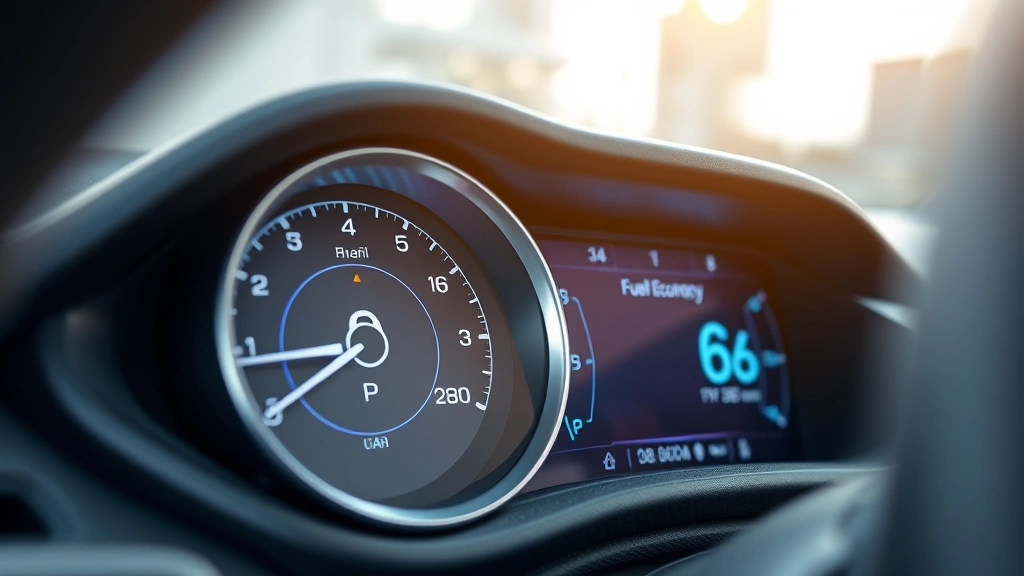
Technology Utilization: Many modern vehicles, including the Maverick, offer fuel economy displays showing real-time MPG. Using this feedback helps drivers adjust behavior for improved efficiency. Some owners use smartphone apps to track consumption patterns and identify optimization opportunities.
Environmental and Cost Implications
Understanding the Ford Maverick’s environmental footprint extends beyond fuel economy figures. The truck’s efficiency relative to other vehicles significantly impacts long-term sustainability.
Emissions Comparison: A Maverick achieving 23 MPG combined produces approximately 8.8 metric tons of CO2 annually with typical 12,000-mile yearly driving. While not zero-emission, this represents substantial improvement over larger pickup trucks averaging 16-18 MPG, which generate 11-13 metric tons annually for equivalent mileage.
For perspective, the average passenger car produces 4-5 metric tons of CO2 annually. The Maverick’s truck format inherently increases emissions compared to cars, but its efficiency leadership within the pickup category makes it a more sustainable choice for buyers requiring truck capability.
Fuel Cost Analysis: At average U.S. gas prices ($3-4 per gallon), a Maverick owner spending 12,000 miles annually at 23 MPG invests approximately $1,565-2,087 in fuel yearly. Over a five-year ownership period, this totals $7,825-10,435. Compare this to a 16 MPG truck requiring $11,700-15,600 for equivalent mileage—a savings of $3,875-5,175 over five years.
These calculations demonstrate that choosing the SustainWise Hub Blog for gas and energy topics and making informed vehicle decisions provides tangible financial and environmental benefits.
Total Cost of Ownership: Beyond fuel, the Maverick’s reliability record and reasonable maintenance costs contribute to overall affordability. Lower fuel consumption means reduced environmental impact from extraction, refining, and transportation of petroleum products.
Long-Term Ownership Considerations
Evaluating the Ford Maverick for long-term ownership requires balancing fuel economy against reliability, maintenance costs, and resale value.
Reliability and Longevity: The Maverick’s relatively new platform means long-term durability data remains limited, but initial owner reports suggest solid reliability. The EcoBoost engine has proven dependable across Ford’s lineup, though some owners report occasional issues requiring warranty service. Proper maintenance is critical for achieving optimal longevity and efficiency.
Resale Value: Early Maverick models are appreciating rather than depreciating, a trend unusual for new vehicles. Strong demand for affordable trucks with reasonable fuel economy supports value retention. This positive trend benefits long-term owners considering eventual vehicle replacement.
Future Considerations: As the automotive industry transitions toward electrification, the Maverick’s gasoline-only configuration may eventually seem dated. However, for buyers needing truck capability within the next 5-10 years, the Maverick represents excellent value. Exploring how to reduce your environmental footprint includes considering when vehicle replacement might align with emerging electric truck technology.
Warranty and Support: Ford’s comprehensive warranty coverage and extensive dealer network provide confidence in ownership. The truck’s popularity means abundant aftermarket support and owner community resources for troubleshooting and optimization.
For those comparing truck options, understanding the differences between electric vs gas lawn equipment extends to broader vehicle choices. While electric lawn equipment represents cleaner outdoor alternatives, the Maverick serves as the most efficient gas truck option currently available.
FAQ
What is the average Ford Maverick gas mileage?
The EPA rating is 21 city/26 highway/23 combined MPG for rear-wheel drive models. Real-world owner data shows 18-22 MPG combined depending on driving conditions, maintenance, and driving habits. Highway-focused driving often achieves 24-28 MPG, while city driving typically yields 16-20 MPG.
How does the Maverick compare to other trucks for fuel economy?
The Maverick significantly outperforms full-size trucks like the F-150 (16-18 MPG combined) and rivals compact trucks from competitors. Its efficiency is best-in-class for gasoline-powered pickups, though hybrid trucks from other manufacturers achieve 25-30 percent better economy.
Does four-wheel drive significantly reduce fuel economy?
Yes, four-wheel drive models typically achieve 1-2 MPG lower efficiency compared to rear-wheel drive due to increased drivetrain friction and weight. For buyers prioritizing maximum fuel economy, rear-wheel drive configurations are recommended.
What maintenance improves Ford Maverick fuel economy?
Maintaining proper tire pressure, regular oil changes with recommended viscosity, clean air filters, and proper wheel alignment all contribute to optimal efficiency. Fuel injector cleaning and ensuring all emission systems function properly also help maximize MPG.
Can towing significantly impact fuel economy?
Yes, towing substantially reduces fuel economy—expect 30-50 percent reduction depending on trailer weight and aerodynamics. Heavier payloads in the truck bed similarly impact efficiency, with every 100 pounds reducing MPG by approximately 1-2 percent.
Is the Ford Maverick environmentally friendly?
While not zero-emission, the Maverick represents the most fuel-efficient gasoline truck available, producing significantly fewer emissions than larger pickups. For buyers requiring truck capability, it’s the most sustainable gas-powered option. Those seeking maximum environmental benefits should consider electric vehicles or advantages of electric vehicles if truck functionality isn’t essential.
How does winter driving affect Maverick fuel economy?
Cold weather typically reduces fuel economy by 2-4 MPG compared to summer driving. Engine management systems adjust fuel mixtures for cold starts, and increased friction from cold components reduces efficiency. Winter tires also increase rolling resistance compared to all-season options.
What driving speed yields best fuel economy?
Highway driving at 55-60 MPH provides optimal fuel economy. Each 5 MPH increment above 60 MPH reduces efficiency by approximately 2-3 percent. Aggressive highway speeds of 75+ MPH significantly diminish fuel economy compared to moderate speeds.


