Free Gas: Myth or Reality? Consumer Insights and the Truth Behind Cost-Free Fuel
The promise of free gas sounds like a dream come true for drivers tired of watching fuel prices climb at the pump. But in our current economy, where gasoline prices fluctuate based on global oil markets and geopolitical factors, the concept of truly free fuel raises important questions. Is this marketing hype, a scam, or does legitimate free gas actually exist? This comprehensive guide explores the reality behind free gas claims, examines consumer experiences, and reveals what you should know before believing in cost-free fuel solutions.
Understanding the mechanics of free gas programs requires looking beyond surface-level promises. Whether through cashback programs, loyalty rewards, or emerging technologies, consumers have various avenues to reduce fuel costs. However, distinguishing between genuine savings opportunities and predatory schemes is crucial for protecting your wallet and making informed decisions about your transportation costs.
What Does Free Gas Actually Mean?
When consumers talk about free gas, they typically refer to one of several scenarios: gas stations offering promotional giveaways, cashback programs that reimburse fuel purchases, loyalty rewards that accumulate fuel credits, or membership programs promising reduced or eliminated fuel costs. The term “free” is subjective and often misleading, as most legitimate programs involve some form of participation requirement, spending threshold, or membership fee.
The psychological appeal of free gas is undeniable. With the average American household spending thousands annually on fuel, the prospect of eliminating this expense entirely attracts millions of consumers. However, understanding what you’re actually getting is essential before committing to any program. True free gas—fuel with zero cost and zero conditions—remains virtually non-existent in the commercial marketplace, despite what viral social media claims might suggest.
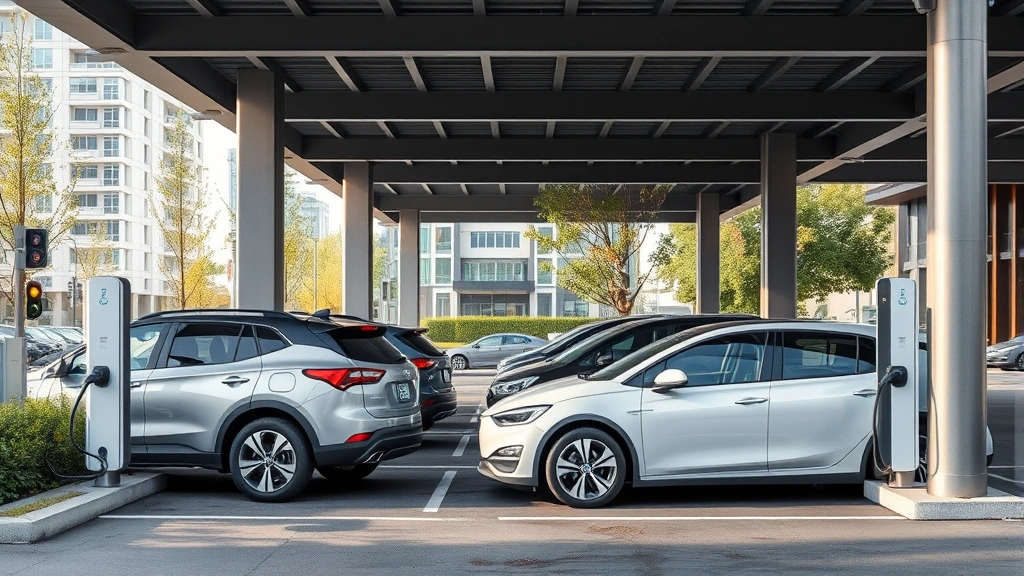
The closest legitimate approximation to free gas comes through strategic use of rewards programs, credit card incentives, and employer benefits. Some companies offer fuel subsidies to employees, reducing the out-of-pocket cost to near-zero. Others provide electric vehicle charging benefits as part of sustainability initiatives, effectively eliminating fuel costs by shifting to alternative energy sources. These represent genuine cost-reduction strategies rather than truly free fuel.

Common Free Gas Programs and How They Work
Cashback Credit Cards
One of the most legitimate approaches to reducing fuel costs involves using specialized credit cards that offer cashback on gas purchases. Cards like those from major oil companies or general-purpose rewards cards can return 2-5% of fuel spending back to consumers. When used strategically, these programs can significantly reduce your effective fuel costs. However, they require responsible credit management and paying off balances to avoid interest charges that would negate savings.
The mechanics are straightforward: you purchase fuel using the designated card, and the cashback accumulates in your account. You can then redeem these rewards as statement credits, direct deposits, or merchandise. Over time, consistent use can result in substantial savings. A driver spending $150 monthly on gas could earn $30-75 annually through a 2-5% cashback program—not free gas, but meaningful cost reduction.
Loyalty Reward Programs
Gas station chains operate sophisticated loyalty programs where purchases earn points redeemable for fuel discounts. Shell, Chevron, Speedway, and other major brands offer programs providing 3-10 cents per gallon discounts after accumulating sufficient points. These programs genuinely reduce costs but require consistent patronage and enrollment commitment.
The strategy involves concentrating fuel purchases at participating stations to maximize points accumulation. Some programs offer bonus earning periods or special promotions, allowing savvy consumers to accelerate their rewards. However, the discount is rarely substantial enough to qualify as free fuel—it’s more accurately described as subsidized fuel through a loyalty mechanism.
Employer and Government Benefits
Certain employers provide fuel subsidies, transit benefits, or electric vehicle charging allowances to employees. Government agencies sometimes offer similar perks. These represent the closest legitimate approximation to free gas, as the employer effectively covers fuel costs as a benefit. However, this applies only to specific employee populations and isn’t available to the general public.
Additionally, some government programs subsidize fuel for low-income households during winter months or in specific regions. These programs are means-tested and geographically limited, providing temporary relief rather than permanent free gas solutions.
The Hidden Costs Behind Free Fuel Offers
When evaluating any free gas program, examining hidden costs is critical. Many programs disguise their true cost structure through membership fees, spending minimums, or enrollment requirements. A program promising free gas might require paying $99 annually for membership, effectively guaranteeing you’ll spend that amount simply to break even.
Some programs require purchasing fuel exclusively at specific locations, limiting convenience and potentially forcing you to travel further for fuel—increasing actual fuel consumption and negating savings. Others involve credit card annual fees, interest charges on unpaid balances, or restrictions on redemption timing and flexibility.
Additionally, promotional offers advertising free gas frequently apply only to first-time purchases, new customers, or during limited promotional windows. The fine print often reveals restrictions like minimum purchase amounts, geographic limitations, or exclusions on premium fuel. What appears free on the surface frequently costs money when you examine the complete terms and conditions.
Psychological costs also matter. Programs designed to seem free often encourage increased consumption. Drivers might make unnecessary trips to fuel up “before the offer ends” or purchase fuel more frequently to maximize rewards, counteracting any savings through increased overall spending.
Consumer Experiences and Real-World Results
Real consumer testimonials reveal mixed results from free gas programs. Some users report genuine savings through disciplined participation in rewards programs, combining multiple strategies like cashback credit cards with loyalty programs. These dedicated consumers might reduce effective fuel costs by 10-15% annually.
However, others describe frustration with program complexity, difficulty redeeming rewards, or discovering that promised savings required impractical spending levels. Common complaints include rewards that expire before accumulating sufficient value, redemption processes that are unnecessarily complicated, or promotional offers that disappear after initial marketing campaigns.
A significant portion of consumers report falling victim to free gas scams. These schemes typically involve pyramid structures, advance payment requirements, or requests for personal financial information. Victims often discover they’ve paid fees for non-existent programs or had their identities compromised. Law enforcement agencies regularly issue warnings about such schemes, yet they continue attracting vulnerable consumers seeking financial relief.
Consumer Reports and the Federal Trade Commission have documented numerous cases where free gas promises led to financial losses. The common thread involves unrealistic claims, pressure to recruit others, or requirements to purchase products or services with minimal actual fuel benefit.
Red Flags: Identifying Free Gas Scams
Protecting yourself requires recognizing warning signs of fraudulent free gas schemes. Advance payment requirements are primary red flags—legitimate programs don’t demand money upfront for free products. If someone requests payment to access free gas, you’re likely facing a scam.
Vague explanations of how the program works indicate potential fraud. Legitimate rewards programs clearly explain earning mechanisms, redemption processes, and any fees involved. Evasive answers to straightforward questions about program mechanics suggest the operator is hiding problematic details.
Promises of unlimited free gas contradict economic reality. Gas stations operate on thin profit margins; they cannot indefinitely provide free fuel without compensation. Any program claiming unlimited free gas without conditions is almost certainly fraudulent.
Requests for personal financial information beyond what’s necessary for legitimate transactions indicate scam potential. Legitimate programs might request your name and address for rewards tracking, but demanding Social Security numbers, bank account details, or credit card numbers beyond the necessary payment method is suspicious.
Pressure to recruit others into the program suggests a multi-level marketing or pyramid structure. Legitimate rewards programs don’t require recruiting friends and family; they profit from fuel sales, not recruitment.
Lack of verifiable company information is another critical warning sign. Legitimate fuel retailers have established reputations, physical locations, and verifiable business histories. If you cannot find independent information about the company through established sources, exercise extreme caution.
Legitimate Ways to Reduce Fuel Expenses
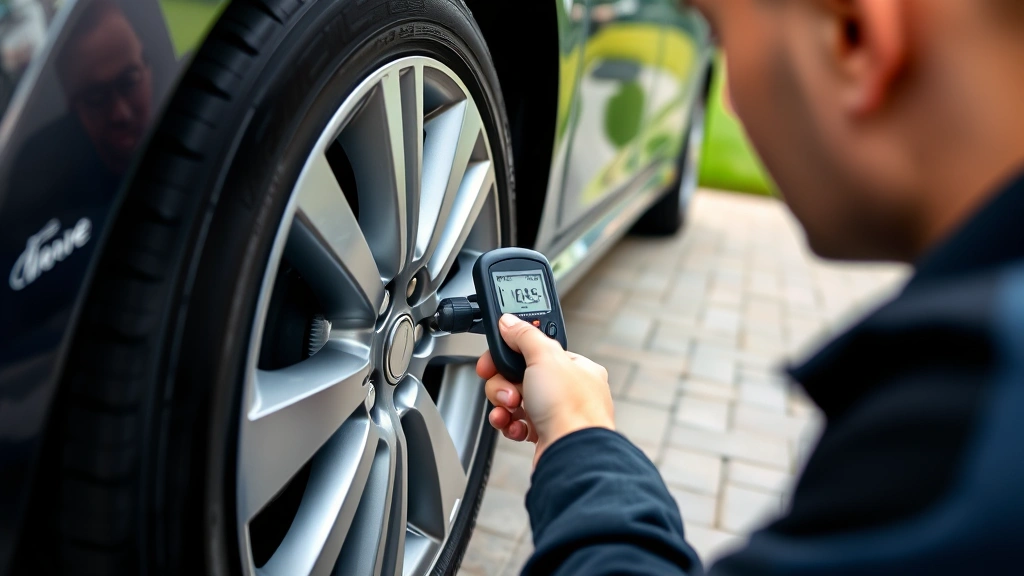
Rather than chasing mythical free gas, focusing on proven cost-reduction strategies provides better results. Optimizing driving habits significantly impacts fuel consumption. Maintaining steady speeds, avoiding rapid acceleration, reducing idling, and maintaining proper tire pressure can improve fuel efficiency by 15-30%. These changes cost nothing and provide immediate savings.
Exploring advantages of electric vehicles offers long-term fuel cost elimination. While requiring upfront investment, electric vehicles dramatically reduce or eliminate fuel expenses. Many regions offer tax credits and incentives that offset purchase costs, making the transition more affordable than traditionally assumed.
Sustainable energy solutions extend beyond personal vehicles. Public transportation, carpooling, bike commuting, and telecommuting reduce fuel consumption without requiring free gas schemes. These approaches simultaneously reduce your environmental footprint while saving money.
Consolidating trips and planning efficient routes reduces unnecessary fuel consumption. Combining multiple errands into single journeys saves fuel and time. Using GPS and traffic apps to avoid congestion prevents wasted fuel idling in traffic.
Maintaining your vehicle properly—regular oil changes, clean filters, proper alignment, and engine maintenance—ensures optimal fuel efficiency. A well-maintained vehicle consumes less fuel than one with deferred maintenance.
Using legitimate rewards programs strategically, as discussed earlier, provides incremental savings. Combining multiple approaches—cashback credit cards, loyalty programs, and efficient driving—compounds savings over time.
The Sustainability Connection: Beyond Free Gas
The pursuit of free gas often overshadows a more important consideration: the environmental impact of fuel consumption. Rather than seeking to eliminate fuel costs, a sustainability-focused approach questions whether reducing fuel consumption entirely is preferable.
The SustainWise Hub blog covers gas and sustainability articles exploring this intersection. Gasoline combustion contributes significantly to climate change through greenhouse gas emissions. According to the Environmental Protection Agency, transportation accounts for approximately 27% of U.S. greenhouse gas emissions, with passenger vehicles representing a substantial portion.
From an environmental perspective, the ideal fuel cost is irrelevant if we’re consuming excessive amounts. Instead of seeking free gas, consider whether you could eliminate fuel purchases through transportation method changes. Shifting to electric vehicles, using public transportation, cycling, or working remotely addresses both cost and environmental concerns simultaneously.
The Union of Concerned Scientists emphasizes that transportation electrification represents the most impactful climate action available to individual consumers. Unlike free gas programs—which don’t actually exist—electric vehicle adoption provides genuine cost savings while eliminating emissions.
For those unable to immediately transition to electric vehicles, sustainable practices in daily transportation still matter. Every mile not driven reduces emissions and fuel costs. Every vehicle that becomes electric eliminates ongoing fuel consumption.
The psychological appeal of free gas reflects understandable financial concerns, but it also reveals a problematic focus. Rather than seeking to make unsustainable consumption free, perhaps the better question is: how can we transition away from fossil fuel dependency entirely? This shift benefits both personal finances and planetary health.
FAQ
Is there any legitimate free gas program?
Legitimate programs reduce fuel costs through rewards, cashback, or employer benefits, but true “free gas” doesn’t exist. Cashback credit cards offering 2-5% returns and gas station loyalty programs providing discounts represent the closest legitimate alternatives, though they require participation and spending.
How can I identify free gas scams?
Red flags include advance payment requirements, vague program explanations, promises of unlimited free fuel, requests for sensitive personal information, pressure to recruit others, and lack of verifiable company information. Legitimate programs don’t require upfront payments and clearly explain how they work.
What’s the most effective way to reduce fuel costs?
Combining multiple strategies provides the best results: optimize driving habits, maintain your vehicle properly, consolidate trips, use rewards programs strategically, and consider transitioning to electric vehicles or alternative transportation methods. These approaches provide genuine savings without relying on non-existent free gas programs.
Can electric vehicles actually eliminate fuel costs?
Yes, electric vehicles eliminate gasoline purchases entirely. While requiring upfront investment, federal tax credits, state incentives, and lower operating costs make them increasingly affordable. Over time, eliminating fuel expenses results in substantial savings compared to traditional vehicles.
Should I pursue free gas programs or focus on reducing fuel consumption?
Focusing on reducing fuel consumption provides better long-term value. Whether through efficient driving, vehicle maintenance, alternative transportation, or electrification, reducing fuel needs addresses both cost and environmental concerns more effectively than chasing mythical free gas programs.


