
Gas Bijoux: Sustainable Jewelry? Industry Insights
Gas Bijoux stands as a distinctive name in the contemporary jewelry landscape, yet the intersection of luxury accessories and environmental responsibility raises compelling questions. As consumers increasingly demand transparency about their purchases, understanding whether Gas Bijoux qualifies as sustainable jewelry requires examining manufacturing practices, material sourcing, supply chain transparency, and the broader definition of sustainability itself. This exploration reveals nuances that extend beyond marketing claims to reveal industry-wide challenges and innovative solutions.
The jewelry industry historically ranked among the most environmentally taxing sectors globally, with precious metal extraction and gemstone mining generating significant ecological disruption. Today’s consumers face a critical decision: supporting brands that prioritize environmental stewardship or continuing patterns of consumption that perpetuate environmental degradation. Gas Bijoux’s positioning within this landscape demonstrates both opportunities and limitations inherent to contemporary luxury jewelry manufacturing.
Understanding Gas Bijoux Brand Identity
Gas Bijoux emerged as a French jewelry brand known for contemporary design aesthetics and accessible luxury positioning. The brand cultivates an image of modern elegance, targeting consumers seeking distinctive pieces without premium luxury price points. However, brand image and actual sustainability practices often diverge significantly in the jewelry industry. Understanding Gas Bijoux requires distinguishing between marketing narratives and verifiable environmental commitments.
The brand’s product portfolio emphasizes fashion-forward designs featuring various materials including precious metals, synthetic gemstones, and mixed materials. This diversification approach allows Gas Bijoux to appeal to broader consumer segments while managing production costs. Yet material diversity also complicates sustainability assessment, as different materials carry distinct environmental and ethical considerations.
French manufacturing heritage typically suggests quality and craftsmanship standards, though manufacturing location alone provides insufficient sustainability verification. Contemporary fashion jewelry production increasingly occurs across multiple jurisdictions, with design originating in France while manufacturing happens elsewhere. This global supply chain complexity necessitates deeper investigation beyond brand origin narratives.
Sustainable Jewelry Standards and Certifications
The jewelry industry operates within an evolving certification landscape designed to establish sustainability benchmarks. Recognized certifications provide consumers with third-party verification of environmental and ethical claims. Understanding which certifications matter reveals critical gaps in Gas Bijoux’s sustainability positioning.
Key certifications in sustainable jewelry include:
- Responsible Jewellery Council (RJC) Certification: Establishes comprehensive standards for responsible business practices, environmental management, and human rights throughout jewelry supply chains
- Fairmined Gold: Ensures gold sourced from artisanal and small-scale mining operations meets environmental and social standards
- Kimberley Process Certification: Addresses conflict diamond concerns, though critics note significant limitations in monitoring effectiveness
- ISO 14001: Environmental management system certification demonstrating organizational commitment to reducing environmental impact
- B Corporation Certification: Indicates company meeting rigorous standards for social and environmental performance accountability
Current available information suggests Gas Bijoux does not prominently display major third-party sustainability certifications on their official channels. This absence represents a significant transparency gap, as certified brands actively promote verification credentials. Without certification verification, consumers cannot independently confirm sustainability claims through established industry standards.
The lack of certifications doesn’t necessarily indicate unsustainable practices, but rather reflects incomplete commitment to third-party accountability mechanisms. Many established luxury jewelry brands similarly resist certification processes, viewing them as unnecessary or conflicting with proprietary quality standards. This resistance pattern highlights industry-wide reluctance toward external oversight.
Material Sourcing and Ethical Practices
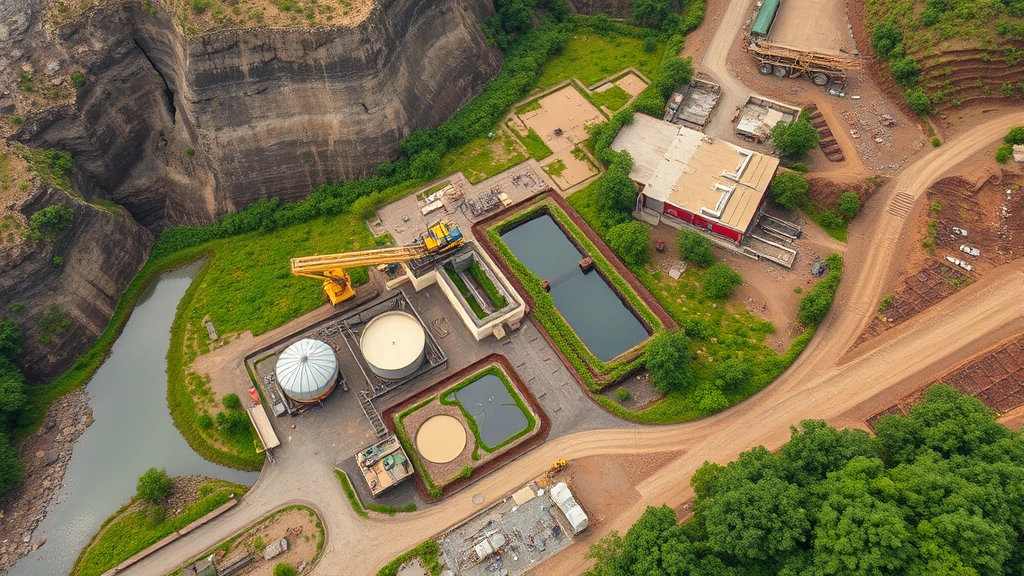
Material selection fundamentally determines jewelry sustainability profiles. Precious metal mining—particularly gold and silver extraction—ranks among the most environmentally destructive industrial activities, generating significant water pollution, habitat destruction, and carbon emissions. Understanding Gas Bijoux’s material sourcing decisions requires examining their supply chain transparency and ethical commitments.
Primary material considerations include:
- Gold sourcing transparency: Ethical gold sourcing documentation remains limited across most contemporary jewelry brands. Gas Bijoux’s gold sourcing methodology, whether incorporating recycled content or Fairmined standards, lacks prominent public documentation
- Recycled materials utilization: Recycled precious metals substantially reduce environmental impact compared to virgin mining. Brands incorporating 30-50% recycled content demonstrate meaningful environmental commitment, though Gas Bijoux’s recycled content percentages remain unspecified
- Synthetic gemstone preferences: Lab-created diamonds and gemstones eliminate mining impacts entirely, offering environmentally superior alternatives. Gas Bijoux’s utilization of synthetic stones suggests partial environmental consideration, though transparency regarding synthetic vs. natural gemstone composition varies by collection
- Alternative materials: Stainless steel, titanium, and innovative bio-based materials increasingly replace traditional precious metals. Gas Bijoux’s incorporation of alternative materials indicates design flexibility supporting sustainability goals
Responsible material sourcing extends beyond environmental considerations to encompass human rights and community welfare. Mining regions frequently experience labor exploitation, inadequate safety standards, and community displacement. Ethical sourcing requires documentation ensuring workers receive fair wages, operate in safe conditions, and communities benefit from resource extraction.
Gas Bijoux’s public communications provide limited detail regarding ethical sourcing verification mechanisms. The absence of documented partnerships with ethical sourcing organizations or mining communities suggests potential gaps in supply chain accountability. Consumers prioritizing ethical jewelry should seek brands explicitly detailing labor standards, community engagement, and worker welfare commitments.
Manufacturing and Production Impact
Manufacturing processes directly influence jewelry sustainability profiles through energy consumption, waste generation, chemical usage, and worker conditions. Contemporary jewelry production typically involves casting, soldering, polishing, and finishing processes generating substantial environmental footprints.
Critical manufacturing considerations include:
- Energy sourcing: Manufacturing facilities powered by renewable energy demonstrate meaningful environmental commitment. Information regarding Gas Bijoux manufacturing facility energy sources remains publicly unavailable, suggesting potential reliance on conventional grid electricity with associated carbon emissions
- Water usage and treatment: Jewelry finishing processes consume significant water quantities while generating chemical-laden wastewater. Proper treatment systems prevent environmental contamination, though implementation costs often incentivize inadequate treatment. Gas Bijoux’s water management protocols lack public documentation
- Chemical management: Polishing, plating, and finishing processes utilize potentially toxic chemicals including cyanide compounds, strong acids, and heavy metals. Responsible chemical management requires specialized handling, worker protection, and environmental remediation. Transparency regarding chemical protocols indicates sustainability commitment
- Waste reduction: Metal scraps from manufacturing represent valuable recyclable resources. Facilities implementing closed-loop systems recover precious metal waste, reducing extraction demand. Gas Bijoux’s waste management and metal recovery practices remain undocumented publicly
Worker conditions represent critical manufacturing sustainability dimensions frequently overlooked in environmental discussions. Jewelry manufacturing workers face exposure to toxic chemicals, inadequate ventilation, repetitive strain injuries, and insufficient safety protections. Brands prioritizing sustainability must address worker welfare equally with environmental impact.
Transparency and Supply Chain Accountability
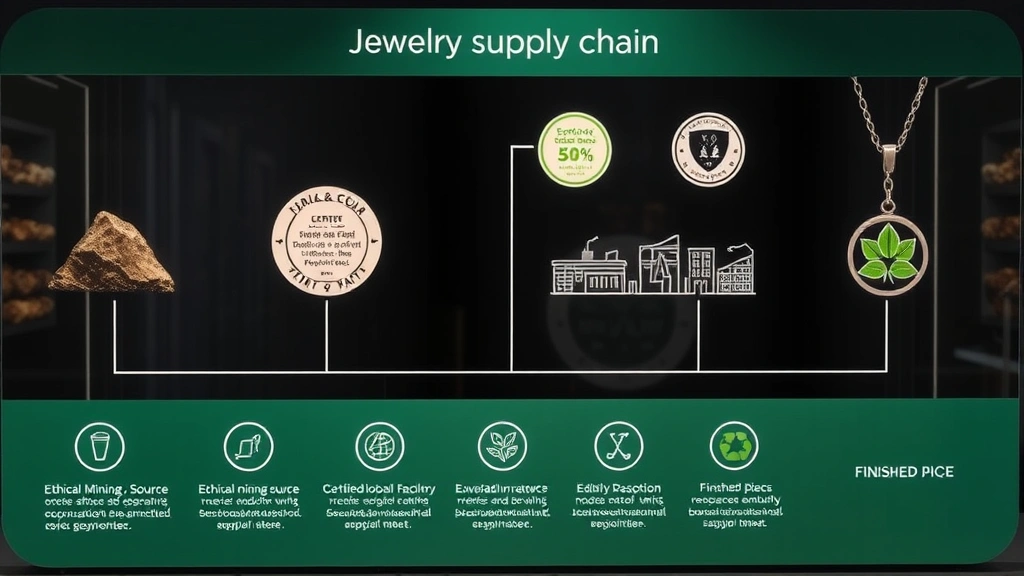
Supply chain transparency represents the foundational element enabling genuine sustainability assessment. Consumers cannot verify environmental or ethical claims without accessing detailed information regarding material origins, manufacturing locations, labor standards, and environmental practices. Gas Bijoux’s transparency levels compared to industry leaders reveal significant accountability gaps.
Comprehensive supply chain transparency requires documenting:
- Specific mining locations and sourcing methodologies for precious metals
- Manufacturing facility locations with environmental and labor practice details
- Third-party audit results confirming environmental and ethical claims
- Worker wage documentation and benefit structures
- Chemical inventory and waste management protocols
- Energy sourcing composition and renewable energy percentages
- Community impact assessments and stakeholder engagement documentation
Gas Bijoux’s official communications and sustainability statements provide limited transparency across these dimensions. While the brand mentions design innovation and quality craftsmanship, specific environmental or ethical practice documentation remains sparse. This transparency limitation prevents independent verification of sustainability claims and suggests incomplete commitment to accountability mechanisms.
Transparent brands increasingly publish detailed sustainability reports documenting environmental metrics, labor practices, community initiatives, and improvement targets. These reports enable stakeholder evaluation of genuine progress versus marketing rhetoric. Gas Bijoux’s absence from this transparency movement indicates potential unwillingness to subject practices to external scrutiny.
The Responsible Jewellery Council publishes member directories and audit reports providing consumers with verified information regarding participating brands. Gas Bijoux’s absence from RJC membership suggests either non-participation in structured accountability frameworks or preference for avoiding third-party oversight.
Comparing Gas Bijoux to Industry Leaders
Contextualizing Gas Bijoux’s sustainability positioning requires comparing practices against established industry leaders demonstrating measurable environmental and ethical commitment. Several brands have implemented comprehensive sustainability programs worthy of examination.
Industry sustainability leaders include:
- Brilliant Earth: Specializes in ethically sourced diamonds and precious metals with comprehensive supply chain documentation. The brand prioritizes recycled metals, lab-created diamonds, and transparent sourcing verification. Third-party certifications and detailed sustainability reporting establish credibility
- Pandora: Committed to 100% recycled gold and silver by 2025, with substantial investments in supply chain transparency. Regular sustainability reporting documents progress toward ambitious environmental targets
- Vhernier: Italian luxury brand emphasizing sustainable practices, responsible sourcing, and artisanal craftsmanship. Transparent communication regarding material selection and manufacturing processes demonstrates accountability
- Catbird: Brooklyn-based brand specializing in ethically sourced materials, fair labor practices, and transparent supply chains. Detailed documentation of material origins and manufacturing partnerships establishes consumer confidence
Comparing Gas Bijoux to these leaders reveals significant gaps in documented environmental commitment, supply chain transparency, and third-party accountability. While Gas Bijoux maintains respectable design standards and production quality, sustainability positioning lacks the comprehensive documentation characterizing genuine industry leaders.
This comparison doesn’t necessarily indicate Gas Bijoux operates unsustainably, but rather reflects incomplete commitment to transparency and accountability mechanisms increasingly expected by conscientious consumers. Brands advancing sustainability typically emphasize these commitments prominently, recognizing competitive differentiation and consumer preference for responsible practices.
Consumer Impact and Responsible Choices
Individual purchasing decisions collectively influence industry practices and environmental outcomes. Understanding how to reduce your environmental footprint through jewelry consumption requires examining alternatives and decision frameworks.
Strategies for sustainable jewelry consumption include:
- Prioritize certified sustainable brands: Seek RJC-certified retailers, Fairmined gold sources, and B Corporation verified jewelers. Third-party certification provides verification beyond marketing claims
- Evaluate material composition: Prioritize recycled precious metals, lab-created gemstones, and alternative materials minimizing extraction impacts. Request documentation regarding recycled content percentages and material sourcing
- Consider secondhand jewelry: Vintage and pre-owned jewelry eliminates extraction and manufacturing impacts while preserving craftsmanship. Secondary markets increasingly offer contemporary designs without environmental cost
- Select timeless designs: Fashion-driven jewelry consumption generates substantial waste through rapid replacement cycles. Investing in enduring designs extends product lifespans and reduces overall environmental impact
- Research brand transparency: Brands demonstrating genuine sustainability actively publish supply chain information, environmental metrics, and third-party audits. Transparent communication indicates accountability commitment
- Engage directly with brands: Request detailed information regarding material sourcing, manufacturing practices, and environmental standards. Brand responsiveness indicates commitment to consumer education and accountability
The broader sustainability context extends beyond individual purchasing decisions to encompass systemic industry transformation. While consumer choices matter, meaningful environmental progress requires industry-wide adoption of responsible practices, regulatory enforcement, and international standards implementation. Supporting brands advancing sustainability accelerates this transformation while establishing market incentives for responsible practices.
Understanding sustainability definitions helps consumers evaluate brand claims critically. Genuine sustainability encompasses environmental protection, social equity, and economic viability simultaneously. Brands addressing only environmental dimensions while neglecting labor practices or community welfare provide incomplete sustainability solutions.
FAQ
Is Gas Bijoux considered sustainable jewelry?
Gas Bijoux maintains respectable design and quality standards but lacks comprehensive documented commitment to environmental or ethical sustainability practices. The brand provides limited transparency regarding material sourcing, manufacturing processes, or third-party certifications. While not necessarily unsustainable, Gas Bijoux doesn’t meet standards established by industry-leading sustainable jewelry brands. Consumers prioritizing sustainability should seek brands with verified certifications and detailed supply chain documentation.
What certifications should sustainable jewelry brands possess?
Reputable sustainable jewelry brands typically display Responsible Jewellery Council (RJC) certification, Fairmined gold sourcing, ISO 14001 environmental management certification, or B Corporation verification. These third-party certifications provide consumer assurance regarding environmental and ethical practices. Brands lacking prominent certification displays may not meet established sustainability standards, though certification absence doesn’t automatically indicate unsustainable operations.
How does jewelry manufacturing impact the environment?
Jewelry manufacturing generates environmental impact through precious metal mining (habitat destruction, water pollution, carbon emissions), manufacturing energy consumption, chemical waste from finishing processes, and worker exposure to hazardous substances. Sustainable manufacturing requires renewable energy sourcing, closed-loop waste systems, responsible chemical management, and comprehensive worker protections. Understanding these impacts helps consumers evaluate brand sustainability claims critically.
What alternatives exist to traditional jewelry consumption?
Sustainable alternatives include purchasing from certified sustainable brands, selecting secondhand or vintage jewelry, choosing lab-created gemstones and recycled metals, investing in timeless designs promoting longevity, and reducing overall consumption frequency. These approaches minimize environmental impact while supporting responsible industry practices and establishing market incentives for sustainable innovation.
How can consumers verify jewelry brand sustainability claims?
Consumers should seek third-party certifications, review published sustainability reports, research supply chain transparency documentation, and engage directly with brands requesting detailed information regarding material sourcing and manufacturing practices. Brand responsiveness and willingness to provide comprehensive documentation indicate genuine sustainability commitment. Checking membership in accountability organizations like the Responsible Jewellery Council provides verified information regarding brand practices.
Why does jewelry supply chain transparency matter?
Supply chain transparency enables independent verification of environmental and ethical claims, prevents greenwashing and false marketing, ensures accountability for worker welfare and community impact, and establishes market incentives for responsible practices. Transparent brands provide consumers with information necessary for informed purchasing decisions, ultimately driving industry-wide sustainability improvements through market demand.
For additional perspectives on sustainability principles, explore our comprehensive guide on what defines sustainability across industries. The EPA’s sustainability resources provide authoritative environmental information, while the United Nations Sustainable Development Goals establish global frameworks for responsible practices. Organizations like the Responsible Jewellery Council specifically address jewelry industry accountability, and World Gold Council provides mining industry perspectives on responsible practices.


