Circle K Diesel Mix-Up: What You Need to Know About Fuel Contamination and Vehicle Safety
Fuel mix-ups at gas stations represent a serious concern for vehicle owners and environmental safety alike. When diesel accidentally gets pumped into gasoline vehicles—or vice versa—the consequences can be severe, costly, and potentially damaging to your engine and the environment. Circle K, one of North America’s largest convenience store and gas station chains, has experienced incidents involving fuel contamination that highlight the importance of understanding fuel types and prevention strategies.
This comprehensive guide explores what happens during a Circle K diesel mix-up, how to prevent it, what steps to take if it occurs, and the broader implications for fuel quality standards and consumer protection. Whether you’re a regular gas station customer or a fleet manager, understanding these critical issues will help you protect your vehicle investment and contribute to safer, more sustainable transportation practices.
Understanding Fuel Types and Their Differences
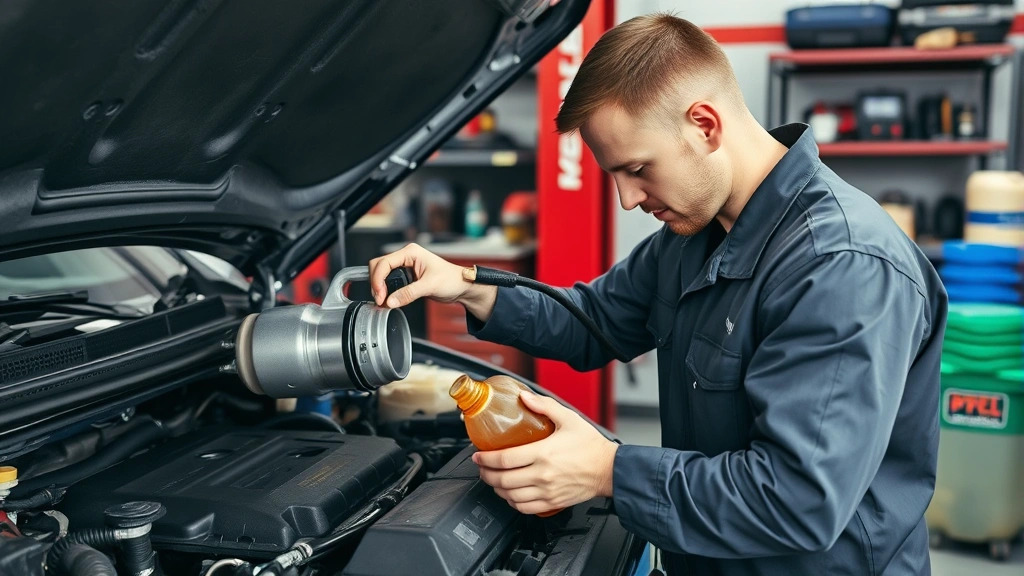
Gasoline and diesel are fundamentally different fuels designed for specific engine types. Gasoline is a lighter, more volatile fuel that ignites through spark plugs in gasoline engines, while diesel is a heavier, denser fuel that relies on compression ignition in diesel engines. These differences affect viscosity, combustion temperature, and chemical composition.
Gasoline contains additives that help it burn quickly and cleanly in spark-ignition engines, while diesel fuel contains lubricating properties essential for fuel injection systems. When these fuels are mixed or placed in the wrong engine type, the engine’s performance suffers dramatically. Understanding these distinctions is crucial for anyone concerned about sustainable energy solutions and proper vehicle maintenance.
The viscosity difference is particularly important. Diesel has a higher viscosity (thicker consistency) than gasoline, which means it flows differently through fuel systems. Gasoline engines have fuel injectors designed for lighter fuel, so diesel clogs these systems. Conversely, diesel engines need the lubricating properties that diesel provides, which gasoline cannot deliver, leading to fuel pump wear and injection system damage.
How Diesel Mix-Ups Occur at Gas Stations
Circle K diesel mix-up incidents typically occur due to several preventable factors. Human error remains the primary cause, whether from distracted customers, rushed employees, or poor station design. Some stations have confusing pump layouts where diesel and gasoline pumps are positioned too closely together, making it easy to grab the wrong nozzle.
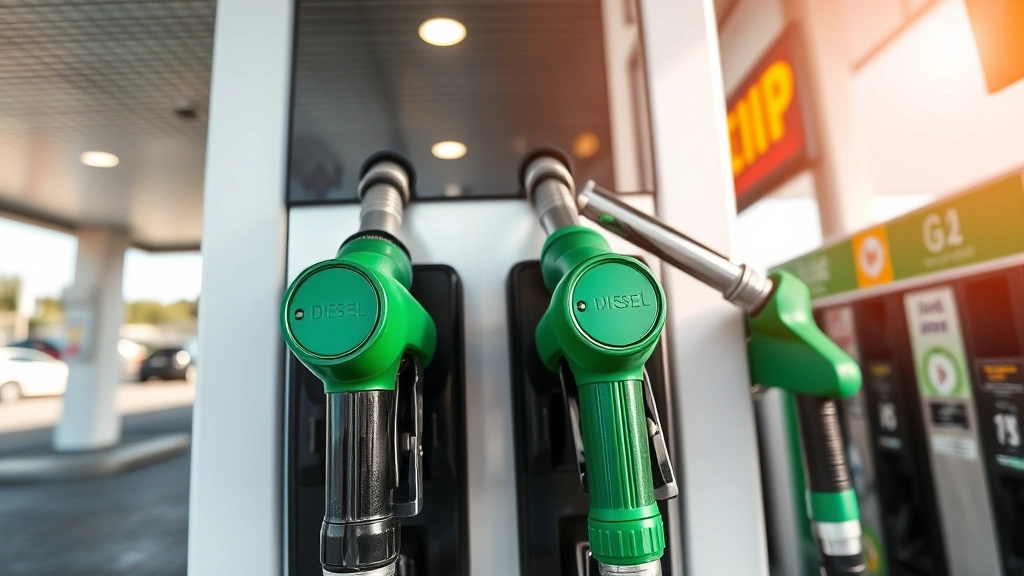
At many Circle K locations, the fuel pumps feature color-coded nozzles—typically black for diesel and green for gasoline—but poor lighting, worn signage, or customer inattention can lead to mistakes. Additionally, some customers unfamiliar with their vehicle’s fuel type may not realize they need diesel or gasoline, creating dangerous situations.
Staff training deficiencies also contribute to mix-ups. When employees don’t actively verify customer needs or fail to properly label pumps, the risk increases significantly. Seasonal factors can also play a role; for example, customers traveling during holidays may be unfamiliar with rental vehicle fuel types. The definition of sustainability includes maintaining safe, reliable infrastructure—which gas stations must prioritize through proper maintenance and clear labeling systems.
Environmental factors like weather can obscure pump labels and signage. During night hours or poor visibility conditions, customers may not see warning labels clearly. Some Circle K locations have upgraded their systems with digital displays and voice confirmations to reduce these incidents, demonstrating a commitment to customer safety and operational excellence.
Signs Your Vehicle Received Wrong Fuel
Recognizing that your vehicle received the wrong fuel is essential for minimizing damage. Symptoms typically appear within seconds to minutes of starting the engine. If you accidentally put diesel in a gasoline car, you may notice:
- Rough idling or difficulty starting the engine
- White or gray smoke from the exhaust
- Strong diesel odor from the tailpipe
- Engine knocking or pinging sounds
- Loss of power or sluggish acceleration
- Check engine light illumination
- Excessive smoke and potential engine shutdown
Conversely, if gasoline enters a diesel engine, symptoms include:
- Difficulty starting or complete engine failure to start
- Excessive smoke and rough running
- Fuel system pressure problems
- Damaged fuel pump components
- Severe engine knocking
The severity depends on how much wrong fuel was dispensed and whether the engine was started. Starting the engine circulates the contaminated fuel throughout the system, causing more extensive damage. If you suspect a mix-up before starting your vehicle, do not start the engine—this is your best chance at minimizing costly repairs.
Immediate Actions to Take
If you realize at the pump that you’re receiving the wrong fuel, stop the attendant immediately. Do not start your vehicle. Alert Circle K staff and document the situation with photos and written notes, including the time, pump number, and staff member’s name.
Contact your vehicle’s roadside assistance service or a local towing company to safely transport your vehicle to a repair facility without starting the engine. Do not attempt to drive the vehicle, as this will cause the contaminated fuel to circulate throughout the fuel system and engine.
Contact your insurance company immediately and report the incident. Many comprehensive coverage policies include protection against fuel contamination. Circle K, as the responsible party, may be liable for repair costs, towing fees, and rental car expenses while your vehicle is being repaired.
Request a detailed incident report from Circle K management. Include information about station conditions, signage clarity, and any contributing factors. This documentation proves invaluable for insurance claims and potential legal action. Take photos of pump labels, lighting conditions, and the overall pump layout to establish negligence if necessary.
Have a professional mechanic inspect your vehicle. They will drain the fuel system, replace fuel filters, and assess whether engine damage occurred. In some cases, fuel system flushing is sufficient; in others, fuel injectors or the fuel pump require replacement. Understanding how to save energy at home principles extends to maintaining your vehicle properly and avoiding preventable damage.
Long-Term Engine Damage and Repairs
The extent of engine damage from fuel mix-ups varies considerably. If the engine wasn’t started, damage is typically limited to the fuel system—fuel filters, fuel pump, and injectors may need replacement, with costs ranging from $500 to $2,000.
If the engine ran on contaminated fuel, damage escalates significantly. Diesel in a gasoline engine causes:
- Fuel injector clogging and failure ($1,500-$3,000 to replace)
- Fuel pump damage requiring replacement ($500-$1,500)
- Engine carbon buildup requiring professional cleaning
- Potential catalytic converter damage ($800-$2,000)
- In severe cases, complete engine replacement ($4,000-$8,000+)
Gasoline in a diesel engine causes equally serious problems:
- Fuel pump seizure due to loss of lubrication ($1,000-$2,500)
- Injector damage and replacement ($2,000-$5,000)
- Piston and cylinder scoring requiring engine rebuild ($3,000-$7,000)
- Complete engine failure requiring replacement
Professional mechanics perform a fuel system flush, replace contaminated filters, and run diagnostic tests to identify internal damage. Modern vehicles with complex fuel management systems may require computer reprogramming or sensor replacement. The repair timeline typically ranges from one to several days, depending on damage severity.
Prevention Strategies for Consumers
The most effective prevention strategy is knowing your vehicle’s fuel type before visiting any gas station. Check your owner’s manual, look at the fuel door label, or verify with your vehicle’s manufacturer. This simple step eliminates the most common cause of mix-ups.
At the pump, slow down and pay careful attention. Read the pump label and nozzle color before inserting it into your fuel door. Many people rush this process, creating opportunities for mistakes. Some fuel pumps now feature digital displays that confirm the fuel type—verify this information before pumping.
If you’re unfamiliar with a rental vehicle or borrowed car, ask the rental company or owner specifically about fuel type. Don’t assume; verify. This is particularly important when traveling to unfamiliar regions where fuel terminology might differ.
Choose Circle K locations with clear signage, good lighting, and well-maintained pump labels. Report stations with unclear signage to management and consider using alternative stations if safety concerns exist. How to reduce your environmental footprint includes supporting businesses that prioritize safety and customer service excellence.
Consider using fuel cap locks or fuel door stickers that clearly indicate your vehicle’s fuel type. Some drivers place reminder notes on their dashboard during rental car periods. These simple tools create additional safeguards against costly mistakes.
Environmental Impact of Fuel Contamination
Fuel mix-ups have significant environmental consequences beyond individual vehicle damage. When contaminated fuel reaches the environment through improper disposal or leakage, it threatens soil and groundwater quality. Diesel in gasoline engines produces higher emissions of particulate matter and nitrogen oxides, contributing to air pollution.
Gasoline in diesel engines causes incomplete combustion, releasing volatile organic compounds and other pollutants. These emissions contribute to ground-level ozone formation and respiratory health problems. When fuel systems fail and leak contaminated fuel, environmental remediation becomes necessary and expensive.
Proper handling of contaminated fuel prevents environmental damage. Professional mechanics dispose of drained fuel through authorized waste management facilities that ensure proper treatment. Supporting green technology innovations includes backing businesses that implement rigorous fuel handling standards.
The EPA regulates fuel quality standards to protect both vehicles and the environment. These regulations establish fuel composition requirements, additive limits, and testing protocols. When gas stations fail to maintain proper fuel segregation, they violate these standards and create public health risks.
Contaminated fuel also affects water quality when vehicles leak fuel or improper disposal occurs. Groundwater contamination from fuel spills requires expensive remediation and can take years to resolve. Communities near gas stations with poor fuel handling practices face elevated pollution risks. Choosing stations with strong environmental practices supports broader sustainability goals.
Legal Rights and Insurance Coverage
Circle K, as a business operating fuel dispensing equipment, has a legal responsibility to maintain equipment properly and ensure correct fuel is dispensed. If a mix-up occurs due to station negligence, Circle K bears liability for resulting damages. This includes repair costs, vehicle rental expenses, and towing fees.
Most vehicle insurance policies include comprehensive coverage that may cover fuel contamination incidents. Contact your insurance company immediately after discovering a mix-up. Document everything: photos, witness statements, incident reports, and repair estimates. Insurance companies use this documentation to process claims quickly.
If Circle K refuses to accept responsibility, you have legal recourse through small claims court or civil litigation. Many jurisdictions have established precedent holding gas stations liable for fuel mix-up damages. Consult with a local attorney if Circle K disputes your claim or offers insufficient compensation.
Some states have consumer protection laws specifically addressing fuel quality and gas station liability. Research your state’s regulations through the Consumer Financial Protection Bureau or state attorney general’s office. These resources provide guidance on filing complaints and seeking restitution.
Keep all documentation related to the incident for at least three years. Repair receipts, correspondence with Circle K, insurance documents, and medical records (if the incident caused health issues) support potential claims. Some incidents take months to fully resolve, requiring persistent documentation.
Contact the Federal Trade Commission if Circle K engages in deceptive practices or refuses to honor legitimate claims. The FTC investigates complaints and can take enforcement action against businesses that violate consumer protection laws. Your complaint contributes to broader investigations that protect other consumers.
Fuel System Integrity and Maintenance
Maintaining fuel system integrity through regular inspections prevents many problems associated with contamination. Professional mechanics can identify fuel system issues before they cause engine damage. Annual fuel filter changes, fuel system flushes every 50,000-100,000 miles, and regular tank inspections keep your fuel system operating optimally.
Modern vehicles include fuel filters with water removal capabilities that catch some contaminants. However, these filters cannot distinguish between diesel and gasoline; they only remove particulates. Regular filter replacement ensures your fuel system remains clean and protected.
Fuel stabilizers and quality fuel additives from reputable brands support fuel system health. These products clean fuel injectors, prevent corrosion, and improve combustion efficiency. Using premium fuel from established brands like Circle K, Shell, or BP typically provides better additive packages than budget fuel options.
Biodiesel blends in diesel vehicles require special consideration. If your diesel vehicle uses B20 (20% biodiesel) or higher blends, ensure you’re at a station that clearly labels biodiesel content. Mixing regular diesel with high-percentage biodiesel can cause issues if your vehicle isn’t designed for it. Always verify fuel specifications match your vehicle’s requirements.
Industry Standards and Gas Station Regulations
The petroleum industry operates under strict regulatory frameworks established by government agencies. The EPA oversees fuel quality standards and environmental compliance for all fuel distributors and retailers. These regulations mandate fuel composition testing, proper storage procedures, and contamination prevention protocols.
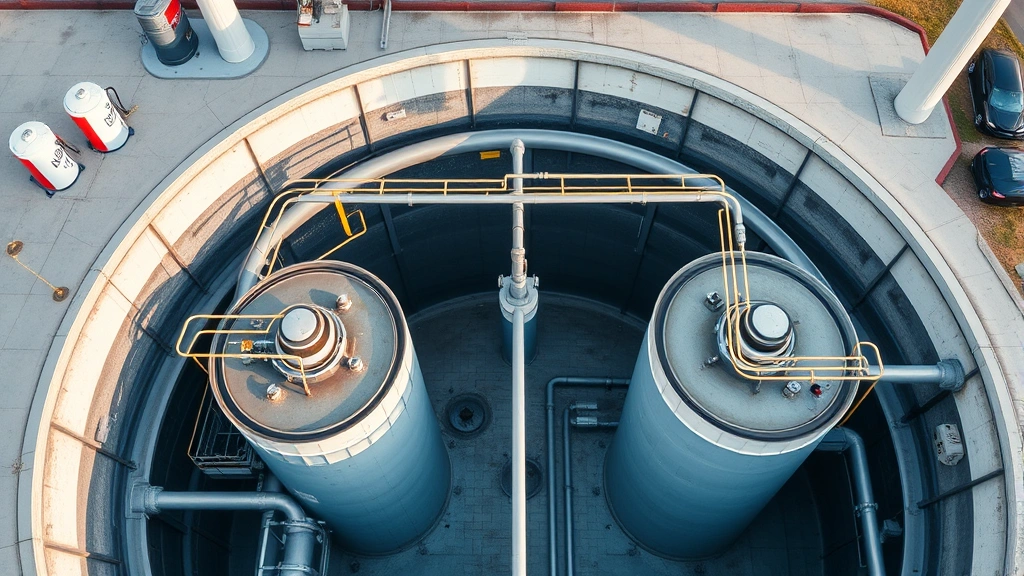
Gas stations must maintain separate storage tanks for each fuel type with clearly labeled systems. Underground storage tank regulations require regular inspections, leak detection systems, and proper maintenance. Many modern stations include automated dispensing systems that reduce human error through digital verification.
Circle K operates over 9,600 locations across North America, making fuel quality consistency crucial. The company implements corporate standards for pump labeling, staff training, and equipment maintenance. However, individual franchise locations may vary in compliance rigor, explaining why some stations experience more mix-up incidents than others.
Industry associations like the National Association of Convenience Stores establish best practices for fuel handling and customer safety. Members commit to regular training, equipment inspection, and incident reporting. Choosing NACS-member stations supports businesses prioritizing safety and professional standards.
Recent technological innovations include color-coded pump nozzles with physical barriers that prevent inserting the wrong nozzle into fuel doors. Some stations implement voice confirmation systems that announce fuel type before dispensing begins. These technological solutions represent industry evolution toward preventing mix-ups entirely.
FAQ
What should I do if I put diesel in my gasoline car?
Stop immediately and do not start the engine. Call a towing service to transport your vehicle to a repair facility. Contact Circle K management and your insurance company. Avoid starting the engine, as this circulates contaminated fuel throughout the system, causing extensive damage. Professional fuel system draining and inspection will determine necessary repairs.
How much does it cost to fix a diesel mix-up?
Costs range from $500 to $8,000+ depending on whether the engine was started and the extent of damage. If the engine wasn’t started, costs typically involve fuel system flushing and filter replacement ($500-$2,000). If the engine ran on contaminated fuel, injector and pump replacement ($2,000-$5,000) or complete engine overhaul ($4,000-$8,000+) may be necessary.
Can I claim this on my insurance?
Many comprehensive insurance policies cover fuel contamination incidents. Contact your insurance company immediately with documentation of the incident. Circle K may also be liable for damages through their business liability coverage. File claims with both your insurance company and Circle K to maximize recovery.
How can I tell if my vehicle uses diesel or gasoline?
Check your owner’s manual, look at the fuel door label, or examine your fuel pump nozzle. Diesel nozzles are larger and won’t fit gasoline fuel doors. Ask your vehicle’s manufacturer or rental company if uncertain. Never guess about fuel type—verify before pumping.
Does Circle K take responsibility for fuel mix-ups?
Circle K has legal responsibility when mix-ups occur due to station negligence. This includes unclear signage, poor lighting, or equipment malfunctions. However, they may dispute responsibility if customer error caused the mix-up. Document everything and pursue claims through insurance and legal channels if necessary.
Can wrong fuel damage my engine permanently?
Yes, extended operation on wrong fuel can cause permanent engine damage requiring replacement. However, if you stop immediately without starting the engine, damage is typically limited to fuel system components. Professional mechanics can assess damage severity and recommend appropriate repairs.
What’s the environmental impact of fuel mix-ups?
Wrong fuel increases vehicle emissions, contributing to air pollution and climate change. Contaminated fuel disposal requires proper environmental handling. Fuel leaks from damaged systems threaten groundwater quality. Supporting businesses with strong environmental practices helps prevent these impacts.


