Local Gas Stations: Are They Eco-Friendly?
When you search for “galaxy gas near me” or any local fuel station, you’re likely thinking about convenience and price—but have you considered the environmental impact? Most traditional gas stations contribute significantly to carbon emissions, air pollution, and environmental degradation. However, the landscape is shifting as some local stations adopt greener practices and alternative fuel options. Understanding what makes a gas station eco-friendly is crucial for environmentally conscious consumers looking to minimize their carbon footprint at the pump.
The average American visits a gas station roughly once a week, making fuel retail a major touchpoint for sustainable choices. Whether your local station is truly eco-friendly depends on multiple factors: the fuels they offer, their environmental certifications, waste management practices, and commitment to renewable energy. This comprehensive guide explores how to evaluate your neighborhood gas stations and discover which ones align with your environmental values.
What Makes a Gas Station Eco-Friendly?
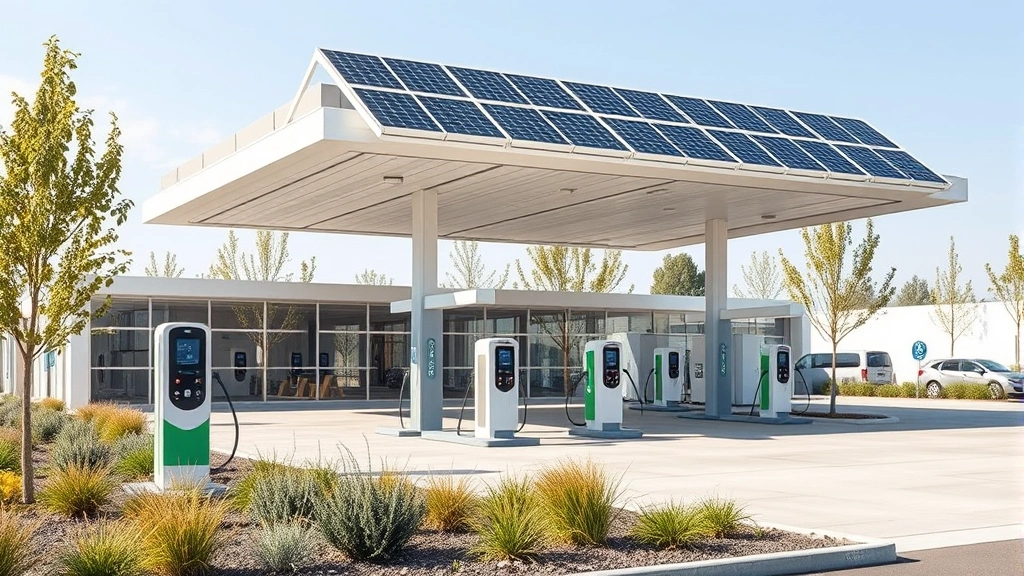
An eco-friendly gas station goes beyond simply selling fuel. It encompasses a holistic approach to reducing environmental harm through multiple channels. Sustainable energy solutions at the retail level include offering alternative fuels, implementing water conservation measures, utilizing renewable energy sources, and maintaining rigorous waste management protocols.
The most eco-conscious stations feature electric vehicle (EV) charging infrastructure, which signals a commitment to the transportation future. They may also offer compressed natural gas (CNG), propane, biodiesel, or ethanol blends. Beyond fuel options, environmental responsibility extends to operational practices: LED lighting systems that reduce electricity consumption, rainwater harvesting systems, and proper management of hazardous materials like used oil and coolant.
Certification matters significantly. Stations pursuing environmental recognition often undergo third-party audits and comply with strict standards. The presence of visible environmental commitments—from signage about their initiatives to transparent reporting of emissions reductions—indicates genuine investment in sustainability rather than performative gestures.
Traditional Gas Stations and Environmental Impact
Conventional gasoline and diesel fuel remain the primary products at most local stations, and their environmental cost is substantial. When you fill up at a traditional station, you’re purchasing fuel refined from crude oil extracted through environmentally invasive processes. Oil extraction disrupts ecosystems, contributes to habitat loss, and carries spill risks that devastate marine and terrestrial environments.
The combustion of gasoline in vehicles accounts for approximately 27% of U.S. greenhouse gas emissions. Each gallon burned releases roughly 19.6 pounds of carbon dioxide into the atmosphere. For someone driving 12,000 miles annually with average fuel efficiency, this translates to roughly 4.6 metric tons of CO2 yearly—equivalent to the carbon sequestered by approximately 75 tree seedlings grown for ten years.
Traditional stations also pose localized environmental risks. Fuel leaks from underground storage tanks contaminate groundwater, affecting drinking water supplies and agricultural irrigation systems. The EPA estimates that underground storage tank releases have impacted thousands of sites across America. Additionally, station operations consume substantial electricity for lighting, climate control, and equipment—often sourced from non-renewable grids.
Air quality near gas stations deteriorates due to volatile organic compounds (VOCs) released during fuel dispensing. These compounds contribute to ground-level ozone formation, which causes respiratory problems and reduces agricultural productivity. Communities near major fuel distribution hubs experience disproportionate exposure to these pollutants, raising environmental justice concerns.
Alternative Fuels Available at Local Stations
Progressive gas stations increasingly offer alternatives to conventional petroleum fuels. Understanding these options helps you make informed decisions when you’re looking for natural gas news and sustainable fuel choices in your area.
Compressed Natural Gas (CNG)
CNG produces approximately 20-30% fewer emissions than gasoline while burning cleaner with reduced particulate matter. Many fleet vehicles—buses, garbage trucks, and commercial vehicles—operate on CNG, and some consumer-accessible stations exist in urban areas. However, availability remains limited compared to traditional fuel, and vehicles require specialized engines.
Biodiesel and Biofuels
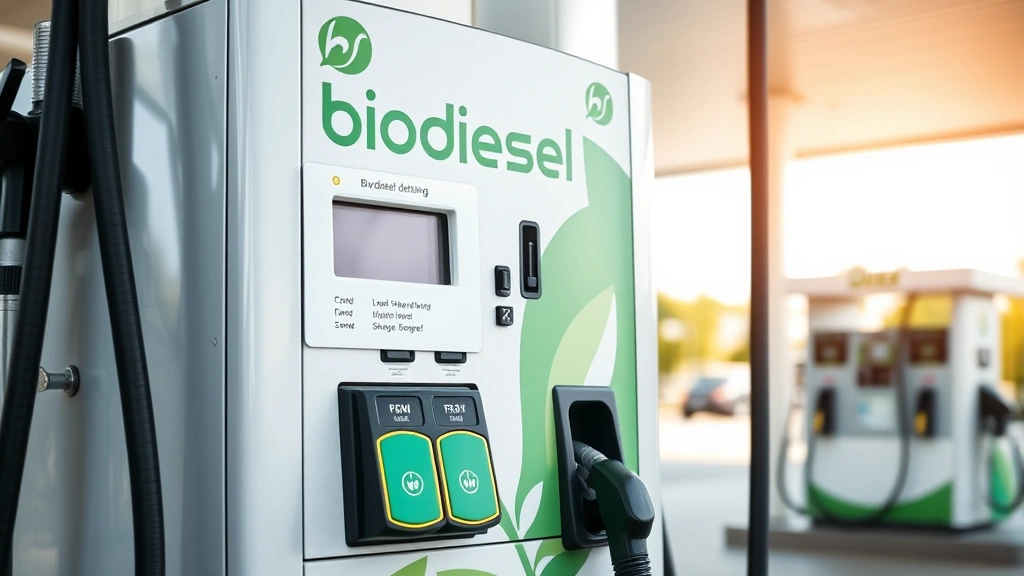
Biodiesel, derived from renewable sources like vegetable oils and animal fats, reduces lifecycle carbon emissions by up to 86% compared to petroleum diesel. Ethanol blends (E10, E15, E85) incorporate renewable plant-based alcohol, though their environmental benefits remain debated due to agricultural land use and fertilizer impacts. Many mainstream stations now offer biodiesel blends without requiring vehicle modifications.
Electric Vehicle Charging
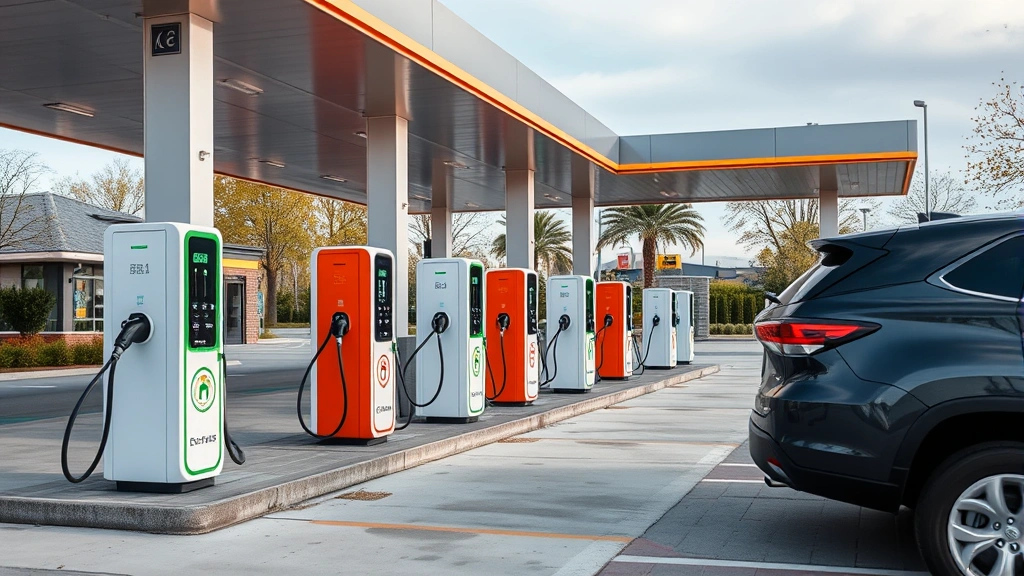
The most transformative shift involves EV charging infrastructure. Stations offering advantages of electric vehicles charging infrastructure represent the future of sustainable fuel retail. Electric vehicles produce zero direct emissions and, when charged with renewable electricity, offer carbon footprints 50-70% lower than gasoline vehicles over their lifetime.
Hydrogen Fuel
Hydrogen fuel cell technology represents an emerging frontier. Fuel cell vehicles emit only water vapor, making them completely emission-free during operation. However, hydrogen infrastructure remains extremely limited, with fewer than 50 public stations across the United States, primarily concentrated in California.
Green Certifications and Standards
Several certification systems help identify genuinely eco-friendly gas stations. When evaluating your local station’s environmental credentials, look for these recognized standards:
Green Station Certification
The Green Station Certification Program, developed by the Clean Fuels Partnership, establishes rigorous environmental standards for fuel retailers. Certified stations must implement pollution prevention measures, maintain environmental compliance, and offer alternative fuels or low-carbon options. This certification represents genuine commitment rather than marketing terminology.
ISO 14001 Environmental Management
Stations holding ISO 14001 certification have implemented comprehensive environmental management systems. This international standard requires ongoing monitoring, employee training, and documented environmental improvement initiatives. The presence of ISO 14001 certification indicates systematic environmental governance.
LEED Certification for Station Buildings
Some modern stations pursue LEED (Leadership in Energy and Environmental Design) certification for their facilities. This ensures energy-efficient construction, water conservation systems, sustainable materials, and indoor environmental quality—though LEED focuses on the building rather than fuel operations.
Alternative Fuel Provider Networks
The Alternative Fuels Data Center, operated by the U.S. Department of Energy, maintains comprehensive databases of stations offering alternative fuels. Consulting this resource helps locate stations genuinely committed to sustainable fuel options rather than relying on proximity searches that may yield traditional-only retailers.
Evaluating Your Local Station
When searching for eco-friendly options near you, systematic evaluation reveals which stations genuinely prioritize sustainability. Here’s how to assess your local gas station’s environmental performance:
Fuel Offerings
Visit the station or check their website for available fuel types. Stations offering biodiesel blends, E85 ethanol, CNG, or EV charging demonstrate environmental commitment. Traditional gasoline-only stations show minimal sustainability investment. Look for clearly marked alternative fuel pumps, which indicate established infrastructure rather than token offerings.
Environmental Signage and Communications
Observe whether the station displays environmental initiatives prominently. Signage about emission reductions, renewable energy usage, or conservation programs suggests management prioritizes sustainability messaging. Conversely, absence of any environmental information may indicate low priority for eco-friendly practices.
Facility Maintenance and Condition
Well-maintained stations with updated equipment typically employ better environmental controls. Modern pumps feature vapor recovery systems that capture fuel vapors during dispensing, preventing VOC emissions. Spill containment systems, proper drainage, and clean grounds indicate attention to preventing environmental contamination.
Staff Knowledge
Engage with station staff about environmental practices. Knowledgeable employees who can discuss alternative fuels, emission reductions, or sustainability initiatives suggest the station takes environmental responsibility seriously. Staff unable to answer basic questions about their station’s green practices may indicate environmental commitments are superficial.
Certification Documentation
Ask to see certification documentation or check online databases. Legitimate environmental certifications are verifiable through third-party organizations. Stations proud of their certifications display them visibly; absence of displayed certifications doesn’t necessarily mean none exist, but verified credentials provide concrete evidence of compliance.
Community Reputation
Research local environmental groups’ assessments of neighborhood gas stations. Community organizations often track facility compliance, spill incidents, and environmental violations. Online reviews and community forums may reveal concerns about environmental practices that aren’t immediately obvious during a visit.
To further reduce your environmental footprint beyond selecting better fuel stations, consider consolidating trips, maintaining proper tire pressure for fuel efficiency, and exploring alternative transportation methods.
The Future of Eco-Friendly Fuel Retail
The gas station industry faces inevitable transformation as transportation electrifies and climate imperatives intensify. Green technology innovations transforming our future are reshaping fuel retail fundamentally.
EV Charging Network Expansion
Major petroleum companies increasingly invest in EV charging infrastructure, recognizing market shifts. Shell, BP, and others are retrofitting existing stations with charging capabilities, acknowledging that future profitability depends on adapting to electrification. This represents significant industry transformation, though concerns about greenwashing persist—companies making superficial changes while maintaining fossil fuel emphasis.
Renewable Fuel Mandates
Government policies increasingly mandate renewable fuel incorporation. The EPA’s Renewable Fuel Standard requires blending biofuels into transportation fuel, gradually increasing renewable percentages. These mandates push stations toward carrying alternative fuels regardless of market demand, accelerating sustainability transitions.
Carbon Pricing and Environmental Accountability
Emerging carbon pricing mechanisms make high-emission fuels economically disadvantageous. As carbon costs rise through regulatory frameworks or market-based systems, stations offering lower-carbon alternatives gain competitive advantages. This economic incentive structure will increasingly drive station operators toward sustainability.
Decentralized Energy Infrastructure
Future fuel retail may shift toward distributed renewable energy systems. Solar-powered EV charging stations, hydrogen production facilities powered by renewable electricity, and localized biofuel production represent emerging models. These decentralized approaches reduce transportation emissions and enhance energy security while supporting local economies.
Consumer Demand Evolution
Younger consumers increasingly prioritize environmental values in purchasing decisions. As this demographic’s influence grows, market pressure for sustainable fuel options intensifies. Gas stations adapting to these preferences position themselves for long-term viability, while those clinging exclusively to traditional fuels risk obsolescence.
Visit the SustainWise Hub Blog for ongoing updates about sustainable transportation and energy trends.
FAQ
Are local gas stations required to offer alternative fuels?
Regulations vary by location. Some jurisdictions mandate alternative fuel availability at specific percentages of stations, while others leave it to market forces. Federal programs incentivize alternative fuel infrastructure, but no universal requirement exists. Check your local and state environmental agency websites for specific regulations in your area.
How do I find eco-friendly gas stations near me?
Use the U.S. Department of Energy’s Alternative Fuels Data Center website, available online, to locate stations offering sustainable fuel options. Filter by fuel type, location, and station amenities. Local environmental organizations often maintain lists of certified green stations in your community.
Is biodiesel actually better for the environment?
Biodiesel reduces lifecycle emissions by 50-86% depending on feedstock and production methods. However, environmental impacts vary significantly based on whether feedstocks come from waste products or dedicated agricultural land. Sustainably produced biodiesel from waste oils offers superior environmental benefits compared to fuel-grade crop production.
Can I use E85 ethanol in my regular car?
Most conventional vehicles cannot safely use E85 without modification. E85 requires specialized fuel system components to handle higher alcohol concentrations. Check your vehicle’s documentation or consult a mechanic before attempting E85 use. Flex-fuel vehicles specifically designed for E85 are clearly labeled.
What’s the environmental impact of EV charging at gas stations?
The environmental benefit depends on your regional electricity grid’s energy sources. In areas with renewable-heavy grids, EV charging produces minimal emissions. Even in fossil fuel-dependent regions, EVs typically produce 50-70% fewer lifecycle emissions than gasoline vehicles due to superior efficiency. As grids transition toward renewables, EV environmental advantages increase substantially.
Do green certifications guarantee environmental responsibility?
Legitimate third-party certifications provide strong assurance of environmental commitment, though no certification guarantees perfection. Verify certifications through issuing organizations and review specific standards required. Be cautious of vague environmental claims lacking verifiable certification—these often represent greenwashing rather than genuine sustainability.


