Is Smart Metering Eco-Friendly? Facts Inside
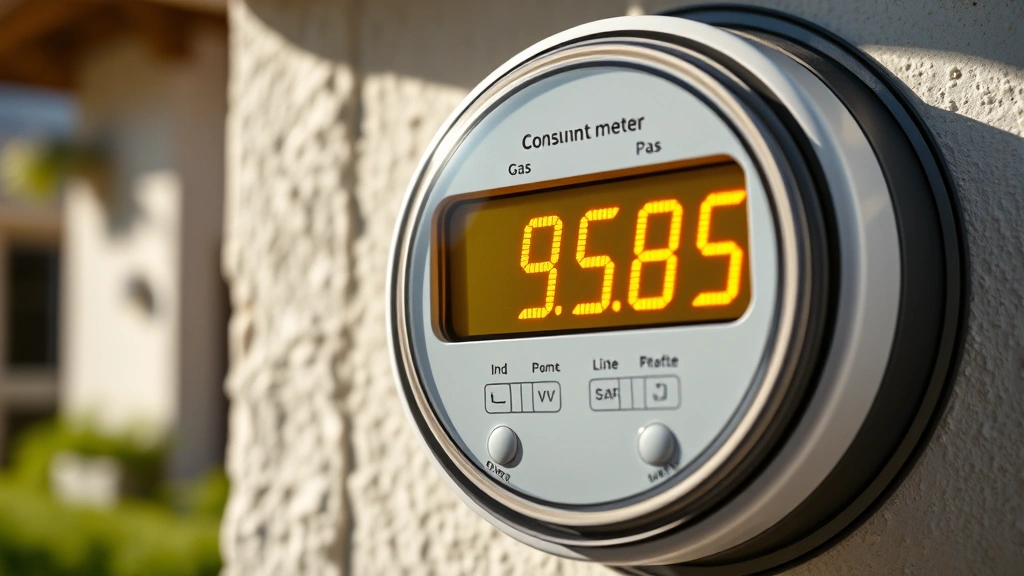
Smart metering technology has emerged as a cornerstone of modern energy management, promising to revolutionize how households and businesses monitor their consumption. A smart gas meter represents a significant leap from traditional analog meters, offering real-time data transmission and detailed consumption insights. But the critical question remains: does this advanced technology truly align with environmental sustainability goals, or does it present hidden ecological challenges?
The transition to smart metering systems is rapidly expanding globally, with millions of households already equipped with these devices. Governments and utility companies promote smart meters as essential infrastructure for reducing carbon emissions and optimizing energy distribution. However, a comprehensive analysis reveals that the environmental impact of smart metering is far more nuanced than marketing materials suggest. This article explores the multifaceted relationship between smart metering technology and ecological sustainability.
How Smart Meters Work and Their Basic Function
Smart meters are digital devices that measure energy consumption in real-time, transmitting data wirelessly to utility companies and directly to consumers. Unlike conventional gas meters that require manual reading, smart meters automatically collect consumption data at intervals ranging from minutes to hours. This automation eliminates the need for meter readers to visit properties physically, reducing transportation emissions and operational overhead.
The technology operates through advanced metering infrastructure (AMI), which includes the meter itself, communication networks, and data management systems. A typical smart gas meter contains electronic components including microprocessors, wireless transmitters, and sophisticated sensors. These components work together to provide unprecedented transparency into energy usage patterns, enabling both consumers and utility providers to make informed decisions about consumption and distribution.
The core functionality involves measuring gas flow volume, converting this measurement into digital signals, and transmitting this information through communication protocols such as cellular networks, mesh networks, or fixed wireless systems. This real-time feedback mechanism fundamentally changes how people interact with their energy consumption, creating opportunities for behavioral modifications that can lead to reduced usage.

Environmental Benefits of Smart Metering Systems
The environmental advantages of smart metering are substantial and well-documented. First, smart meters enable significant reductions in overall energy consumption through increased consumer awareness. When households receive detailed, real-time feedback about their gas and electricity usage, they typically reduce consumption by 5-15 percent. This phenomenon, known as the behavioral feedback effect, represents one of the most powerful environmental benefits of smart metering technology.
Second, smart meters optimize grid operations at the utility level. By providing granular consumption data, these devices allow utility companies to better balance supply and demand, reduce transmission losses, and integrate renewable energy sources more effectively. Grid optimization can reduce energy waste by 2-3 percent across entire regions, translating to millions of tons of CO2 emissions prevented annually.
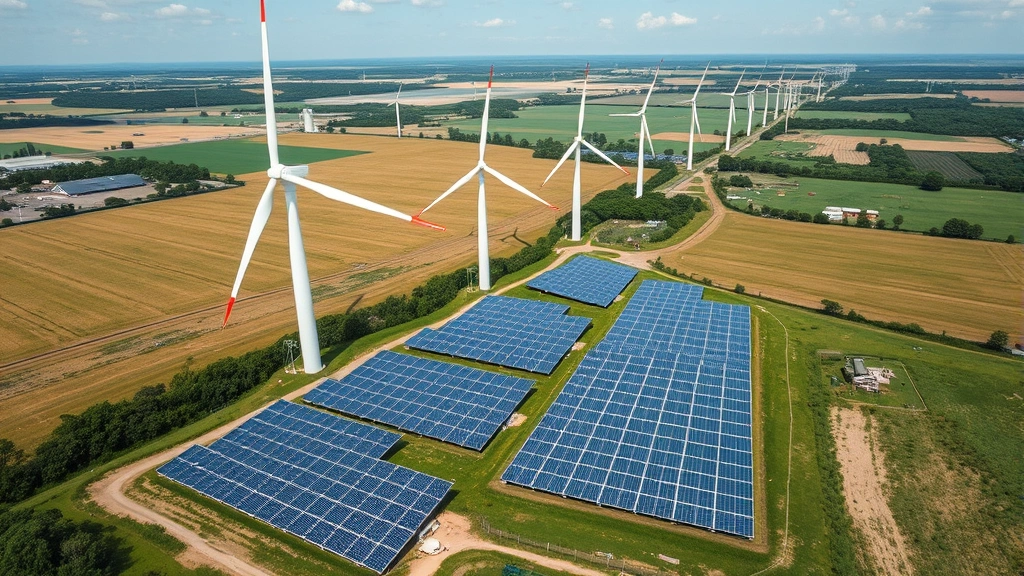
Third, smart metering infrastructure supports the integration of distributed renewable energy sources. As more households install solar panels and other renewable systems, smart meters facilitate bidirectional energy flow, enabling homeowners to sell excess energy back to the grid. This capability accelerates the transition toward clean energy systems. Explore green technology innovations reshaping our energy landscape.
Fourth, smart meters eliminate the need for physical meter readings, reducing vehicle emissions from meter reader routes. A single utility company serving hundreds of thousands of customers can eliminate hundreds of thousands of vehicle miles annually, preventing substantial greenhouse gas emissions.
Fifth, smart metering data enables utility companies to identify and address leaks in gas distribution networks more rapidly. Gas leaks, particularly methane, represent significant environmental hazards. Early detection through smart meter anomalies can prevent substantial methane emissions from escaping into the atmosphere.
Manufacturing and E-Waste Concerns
The environmental cost of producing smart meters represents a significant counterbalance to their operational benefits. Each smart meter requires manufacturing processes involving extraction of raw materials, component fabrication, assembly, and transportation. The electronic components—including circuit boards, microprocessors, wireless modules, and sensors—demand energy-intensive manufacturing processes.
A typical smart meter contains approximately 200-300 grams of material, including metals like copper, aluminum, and rare earth elements. Mining and processing these materials generate substantial environmental impacts, including habitat destruction, water pollution, and carbon emissions. The manufacturing phase of a single smart meter generates approximately 5-10 kilograms of CO2 equivalent, depending on production methods and energy sources used.
E-waste management presents another critical concern. Smart meters have an operational lifespan of 10-15 years. As first-generation smart meters reach end-of-life, proper recycling becomes essential. However, many recycling facilities lack specialized equipment for handling electronic waste containing hazardous materials. Improper disposal can result in toxic substances leaching into soil and water systems.
The scale of this challenge is enormous. With billions of smart meters deployed globally, the eventual e-waste stream will be substantial. Developing robust recycling infrastructure and establishing circular economy principles for smart meter components remains an ongoing challenge for the industry.
Energy Consumption and Grid Infrastructure
Smart metering systems require continuous energy to operate wireless communication networks, data centers, and processing infrastructure. This energy consumption, though modest per meter, becomes significant when multiplied across millions of devices. Studies estimate that smart meter networks consume 0.5-1.5 percent of the total electricity they help manage.
Data transmission represents the primary energy consumer in smart metering infrastructure. Each meter transmits data multiple times daily, and this communication requires continuous network infrastructure maintenance. In some cases, utility companies operate dedicated networks or rent bandwidth from telecommunications providers, both energy-intensive operations.
Data storage and processing demands continue growing as smart meter deployments expand. Utility companies store years of consumption data for millions of customers, requiring large data centers that consume substantial electricity. While many utility companies are transitioning to renewable energy sources for these facilities, the transition remains incomplete across most regions.
However, these infrastructure costs must be evaluated against the energy savings achieved through optimized distribution and reduced consumption. In most cases, the energy savings from grid optimization and behavioral feedback far exceed the energy consumed by the smart metering infrastructure itself, typically by a factor of 10:1 or greater.
Data Privacy and Security Environmental Trade-offs
Smart meters collect intimate details about household energy consumption patterns, revealing information about occupancy, appliance usage, and daily routines. Protecting this data requires sophisticated cybersecurity infrastructure, including encryption systems, firewalls, and continuous monitoring. These security measures consume additional energy and computational resources.
The environmental implications of data security extend beyond direct energy consumption. Cybersecurity incidents require investigation, remediation, and infrastructure upgrades, all energy-intensive processes. Additionally, redundant systems maintained for security purposes duplicate infrastructure and energy consumption.
Privacy concerns have led some jurisdictions to implement anonymization protocols and data minimization practices, which add computational complexity to data processing systems. While these measures enhance privacy protection and align with environmental principles of efficiency, they increase overall system energy requirements.
Balancing privacy protection with environmental efficiency represents an ongoing challenge. Transparent data governance and consumer consent mechanisms can help ensure that smart metering privacy protections don’t create unnecessary environmental burdens.
Comparing Smart Meters to Traditional Gas Meters
Traditional gas meters rely on mechanical components that measure gas flow through rotating dials or bellows. These devices require no external power, produce no electronic waste, and have minimal manufacturing environmental impact compared to smart meters. However, traditional meters have significant operational drawbacks from an environmental perspective.
Manual meter reading requires utility personnel to visit each property, typically monthly or quarterly. This process generates substantial vehicle emissions, particularly in rural areas where properties are dispersed. A meter reader covering 200 properties daily may travel 100+ miles, consuming fuel and generating emissions equivalent to several tons of CO2 annually.
Traditional meters provide no real-time consumption feedback, preventing consumers from optimizing their usage patterns. This information deficit results in higher average consumption rates and greater energy waste. Additionally, traditional meters cannot detect leaks promptly, allowing gas to escape undetected for extended periods.
When comprehensive lifecycle analysis is conducted, comparing total environmental impact from manufacturing through end-of-life, smart meters typically demonstrate lower environmental burden than traditional meters over their operational lifespan. The payback period—the time required for operational savings to offset manufacturing impacts—typically ranges from 1-3 years.
Real-World Implementation and Results
Global smart meter deployment provides empirical evidence regarding environmental outcomes. The European Union’s smart metering directive mandates smart meter installation for 80 percent of electricity customers by 2020. Post-implementation data from European countries demonstrates average consumption reductions of 5-10 percent in households with smart meters and active engagement with consumption data.
Italy’s smart meter program, among the world’s largest, installed over 30 million meters between 2001 and 2011. Analyses of this deployment show electricity consumption reductions of 2-3 percent and improved grid efficiency reducing transmission losses by approximately 2 percent. These improvements prevented millions of tons of CO2 emissions annually.
China’s smart metering infrastructure, now encompassing hundreds of millions of devices, has enabled significant demand response capabilities. Real-time pricing signals transmitted through smart meters allow consumers to shift consumption to off-peak hours, reducing peak demand pressures and enabling greater renewable energy integration.
However, environmental benefits vary significantly based on implementation approach. Passive smart meter deployment—simply installing devices without consumer engagement—yields minimal environmental benefits. Active engagement through consumer-facing applications, real-time feedback, and behavioral interventions maximizes environmental outcomes.
Maximizing Eco-Friendly Benefits
To maximize environmental benefits from smart metering systems, consumers should actively engage with consumption data. Most utility companies provide online portals or mobile applications displaying real-time or near-real-time consumption information. Regular review of this data, combined with conscious effort to modify consumption patterns, amplifies behavioral savings.
Understanding consumption patterns enables targeted efficiency improvements. Smart meter data often reveals specific appliances or times of day when consumption peaks. This information guides investment in efficiency upgrades, such as insulation improvements, appliance replacements, or behavioral modifications.
Consumers can leverage smart meter data to optimize usage during periods of cleaner grid energy. In regions with high renewable penetration, grid carbon intensity varies throughout the day. Smart meter data, combined with real-time carbon intensity information, enables consumers to shift consumption toward cleaner periods.
For those interested in deeper energy optimization, explore practical energy-saving tips for greener living that complement smart meter benefits.
Advocating for robust recycling programs ensures that end-of-life smart meters receive proper treatment. Supporting policies that mandate manufacturer responsibility for e-waste recycling encourages companies to design more recyclable devices and establish collection infrastructure.
Understanding your definition of sustainability helps contextualize how smart metering fits within broader environmental goals. Smart meters represent one component of comprehensive sustainability strategies, not standalone solutions.
Learning about reducing your environmental footprint provides context for evaluating smart meter benefits within personal sustainability journeys.
FAQ
Do smart meters emit harmful radiation?
Smart meters use radio frequency signals to transmit data, similar to cellular networks and WiFi. Extensive research by health organizations including the World Health Organization confirms that radio frequencies used by smart meters operate at power levels far below those that cause biological effects. Independent testing by regulatory agencies consistently demonstrates that smart meter radiation exposure is minimal and well within established safety standards.
Will a smart meter increase my energy bills?
Smart meters themselves don’t increase energy consumption; rather, they typically enable consumption reductions through increased awareness. However, some utility companies use smart meter data to implement time-of-use pricing, where electricity costs vary by time of day. This pricing structure may increase bills for consumers who consume primarily during peak hours, while benefiting those who can shift consumption to off-peak periods.
How accurate are smart meters compared to traditional meters?
Smart meters are generally more accurate than traditional mechanical meters. They employ electronic measurement systems with accuracy rates exceeding 99.5 percent, compared to 95-98 percent for traditional meters. This improved accuracy benefits both consumers and utility companies through more precise billing and reduced disputes.
Can I refuse a smart meter installation?
Smart meter policies vary by jurisdiction and utility company. Some regions mandate installation as part of infrastructure modernization programs, while others allow consumers to opt-out. Checking with your local utility company regarding their specific policies and any available exemptions is recommended. Understanding the environmental and practical implications helps inform this decision.
What happens to my consumption data?
Smart meter data privacy regulations vary globally. In many jurisdictions, utility companies can access only aggregated, anonymized data for grid management purposes. Individual consumption data typically remains confidential and is protected by privacy regulations. Reviewing your utility company’s privacy policy provides specific information about data handling practices in your area.
How long do smart meters last?
Most smart meters have operational lifespans of 10-15 years, after which they require replacement. This timeline aligns with technological advancement cycles, allowing for improved features and sustainability in replacement devices. Proper recycling of end-of-life meters ensures that valuable materials are recovered and hazardous components are safely managed.


