
Is Natural Gas Renewable? Facts Uncovered
Natural gas has long been positioned as a bridge fuel in the transition toward cleaner energy systems, but the question remains: is natural gas actually renewable? The straightforward answer is no—natural gas is not a renewable energy source. It is a fossil fuel formed from organic matter buried deep beneath the Earth’s surface for millions of years, and once extracted and burned, it cannot be replenished on human timescales. However, the relationship between natural gas and renewable energy is more nuanced than a simple binary classification, and understanding these distinctions is crucial for making informed decisions about our energy future.
Many people confuse natural gas with biogas or renewable natural gas (RNG), which are genuinely renewable alternatives derived from organic waste and biomass. This confusion has led to misleading marketing claims and misunderstandings about natural gas’s role in sustainable energy systems. By examining the facts surrounding natural gas production, its environmental impact, and how it compares to truly sustainable energy solutions, we can better understand why transitioning away from natural gas is essential for achieving climate goals and protecting our environment.
What Is Natural Gas and How Is It Formed?
Natural gas is a fossil fuel composed primarily of methane (CH₄), along with smaller quantities of ethane, propane, butane, and other hydrocarbons. It forms over millions of years when layers of organic material—dead plants, algae, and marine organisms—are buried under sediment and subjected to intense heat and pressure deep within the Earth’s crust. This geological process, occurring at depths often exceeding 10,000 feet, transforms organic matter into gaseous hydrocarbons that accumulate in porous rock formations called reservoirs.
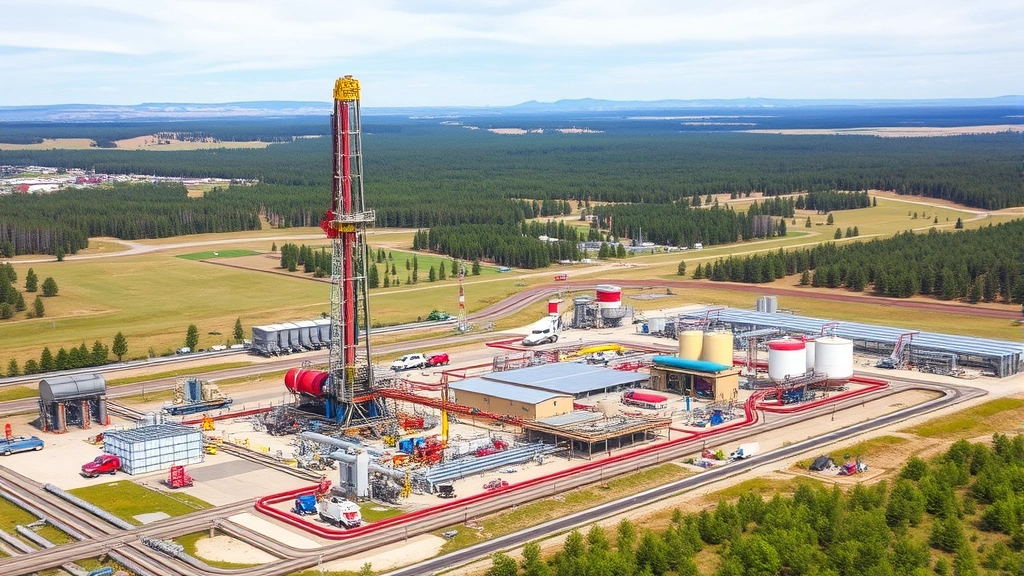
The extraction of natural gas involves drilling wells into these underground reservoirs and capturing the gas as it flows toward the surface. In some cases, hydraulic fracturing (fracking) is used to break apart rock formations and release trapped gas. Once extracted, natural gas is processed to remove impurities, liquefied for transport if necessary, and distributed through pipelines to residential, commercial, and industrial consumers. The entire process, from exploration to delivery, requires significant infrastructure investment and ongoing operations.
Understanding natural gas’s geological origin is fundamental to answering whether it’s renewable. Since the formation process takes millions of years and we consume natural gas reserves far faster than nature can replenish them, it is definitively classified as a non-renewable resource. Unlike solar energy, which is continuously supplied by the sun, or wind power, which is perpetually generated by atmospheric circulation, natural gas reserves are finite and depleting.
Why Natural Gas Is Not Renewable
Timescale mismatch is the primary reason natural gas cannot be considered renewable. Renewable energy sources are defined as those that can be naturally replenished within a human lifetime or shorter period. The International Energy Agency (IEA) and most environmental organizations classify renewable energy as sources like solar, wind, hydroelectric, geothermal, and biomass that are either continuously available or regenerate quickly enough to sustain indefinite use.
Natural gas, by contrast, took millions of years to form and exists in finite quantities. At current global consumption rates—approximately 4,000 billion cubic meters annually—proven natural gas reserves could theoretically last for around 50-60 years. However, this calculation assumes no increase in consumption and no new discoveries, neither of which is realistic. The key distinction is that once we extract and burn natural gas, that specific molecule of methane is gone forever. We cannot create new natural gas reserves to replace what we consume in any meaningful timeframe.
The carbon emissions from burning natural gas also disqualify it from being truly sustainable. When natural gas combusts, it releases carbon dioxide and methane into the atmosphere, contributing to climate change. A single molecule of methane has a global warming potential approximately 25-28 times greater than carbon dioxide over a 100-year period, according to research from the EPA. This makes natural gas a contributor to the very environmental problems that renewable energy aims to solve.
Additionally, methane leakage throughout the natural gas supply chain—from extraction and processing to transport and distribution—releases potent greenhouse gases directly into the atmosphere. Studies suggest that between 1-7% of natural gas extracted may be leaked as methane before reaching end users, representing a significant environmental cost that renewable energy sources do not incur.
Natural Gas vs. Renewable Alternatives
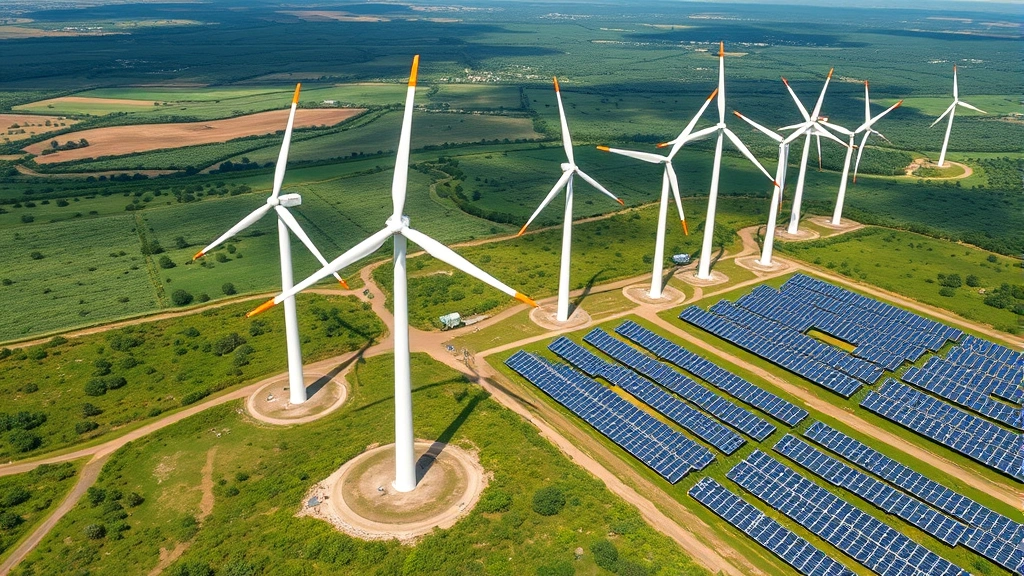
When comparing natural gas to truly renewable energy sources, the differences become starkly apparent. Solar photovoltaic systems generate electricity directly from sunlight, a resource that will remain available for billions of years. Wind turbines harness kinetic energy from moving air masses, a process that occurs continuously and requires no fuel extraction. Hydroelectric facilities generate power from flowing water, and geothermal plants tap into the Earth’s internal heat—all without depleting finite resources or generating greenhouse gas emissions during operation.
The sustainable energy solutions available today include a diverse portfolio of renewable options that can meet virtually all energy demands without the environmental costs associated with fossil fuels. Battery storage technology, grid modernization, and smart energy management systems have addressed many of the historical limitations of renewable energy, making the transition away from natural gas increasingly feasible and economically competitive.
Natural gas advocates often argue that it produces fewer emissions than coal or oil, which is technically true. Burning natural gas generates approximately 50% fewer carbon emissions than coal per unit of energy produced. However, this comparative advantage does not make natural gas renewable or sustainable—it merely makes it less harmful than some alternatives. Using this logic to justify continued natural gas infrastructure investment is shortsighted, as it delays the transition to truly clean energy sources that produce zero emissions during operation.
The definition of sustainability encompasses not just reducing emissions but ensuring that energy systems can operate indefinitely without depleting resources or degrading environmental systems. By this comprehensive definition, natural gas fails on multiple fronts: it depletes finite resources, generates greenhouse gas emissions, and contributes to climate disruption.
Environmental Impact of Natural Gas Extraction
Beyond the carbon emissions from burning natural gas, the extraction process itself carries significant environmental costs. Hydraulic fracturing, the technique used to extract much of the world’s natural gas, requires injecting millions of gallons of water mixed with chemicals deep underground to fracture rock formations. This process raises numerous environmental concerns:
- Groundwater contamination: Chemicals used in fracking fluid can potentially migrate into drinking water aquifers, threatening water quality for millions of people
- Water depletion: Fracking operations consume enormous quantities of freshwater in regions that may already face water scarcity
- Induced seismic activity: The injection of pressurized fluids can trigger small earthquakes, causing property damage and geological instability
- Habitat disruption: Drilling operations fragment ecosystems and disturb wildlife populations across vast geographic areas
- Air pollution: Natural gas extraction facilities emit volatile organic compounds and other air pollutants that harm respiratory health
The infrastructure required to extract, process, and transport natural gas also generates substantial environmental impacts. Pipelines cross sensitive ecosystems, compressor stations consume energy and emit pollutants, and liquefied natural gas (LNG) terminals require extensive coastal development. These facilities occupy land that could otherwise support biodiversity or be restored to natural conditions.
Research from the U.S. Geological Survey documents the connection between hydraulic fracturing and increased seismic activity in regions with intensive natural gas extraction. This provides concrete evidence of the environmental consequences of pursuing natural gas as an energy source, particularly in geologically sensitive areas.
Biogas and Renewable Natural Gas: The Real Renewables
While conventional natural gas is not renewable, it is important to distinguish it from biogas and renewable natural gas (RNG), which are genuinely renewable alternatives. Biogas is produced when organic waste—food scraps, agricultural residue, wastewater sludge, and manure—decomposes anaerobically (without oxygen). This decomposition releases methane gas that can be captured and used for heating, electricity generation, or as a vehicle fuel.
Renewable natural gas, also called biomethane, is biogas that has been processed and refined to meet pipeline quality standards. RNG offers several advantages over conventional natural gas: it is produced from renewable feedstocks, generates minimal net carbon emissions (often achieving carbon-negative status when accounting for methane that would otherwise be released from decomposing waste), and can utilize existing natural gas infrastructure. However, RNG production is currently limited by the availability of suitable feedstock and the economics of collection and processing.
The distinction between conventional natural gas and RNG is crucial for consumers and policymakers. Some energy companies market their offerings as “natural gas” without clarifying whether they are selling conventional fossil fuel or renewable biogas. This ambiguity contributes to public confusion about natural gas’s environmental profile. When evaluating energy options, it is essential to specifically ask whether the natural gas being offered is conventional (non-renewable) or renewable (biogas/RNG).
Biogas and RNG represent legitimate renewable energy options that deserve expanded investment and development. However, they currently represent less than 1% of total natural gas supply in most regions. Scaling up biogas production to replace significant portions of conventional natural gas would require substantial investments in collection infrastructure, processing facilities, and distribution networks. Despite these limitations, biogas and RNG should be developed as part of a comprehensive clean energy strategy.
The Role of Natural Gas in Transitioning to Clean Energy
Some energy analysts argue that natural gas should play a temporary role as a “bridge fuel” during the transition from coal and oil to renewable energy. This argument is based on the observation that natural gas produces fewer emissions than coal while renewable energy infrastructure is being developed and deployed. In regions with aging coal-fired power plants, replacing them with natural gas plants could reduce emissions in the short term while renewable capacity expands.
However, this bridge fuel argument has significant limitations. First, natural gas infrastructure built today will likely operate for 30-40 years, locking in fossil fuel dependence well into the period when renewable energy should dominate global energy systems. Second, the economic and political interests created by natural gas infrastructure investment often oppose the continued expansion of renewable energy, creating a barrier to the clean energy transition rather than facilitating it. Third, the rapid cost reductions in solar, wind, and battery storage over the past decade have made renewable energy economically competitive with natural gas in many markets, eliminating the economic justification for new fossil fuel infrastructure.
Research from climate scientists and energy analysts increasingly suggests that aggressive renewable energy deployment, rather than natural gas expansion, is the most effective pathway to meeting climate targets. The Intergovernmental Panel on Climate Change (IPCC) reports consistently indicate that limiting global warming to 1.5°C requires rapid elimination of fossil fuel use, including natural gas. Investing in natural gas infrastructure represents a step backward in this essential transition.
Instead of relying on natural gas as a bridge fuel, energy systems should focus on accelerating renewable energy deployment, improving grid infrastructure to handle high renewable penetration, investing in battery storage to address intermittency challenges, and implementing energy efficiency measures to reduce overall demand. These approaches offer faster emissions reductions, greater long-term sustainability, and alignment with climate science.
How to Reduce Your Dependence on Natural Gas
Understanding that natural gas is not renewable provides strong motivation to reduce personal and household dependence on this fossil fuel. Several practical strategies can help individuals transition away from natural gas:
- Switch to electric heating: Heat pump technology has advanced significantly, providing efficient heating and cooling through electricity powered by renewable sources. Air-source and ground-source heat pumps can replace natural gas furnaces and air conditioning systems
- Upgrade to induction cooking: Induction cooktops are more efficient than gas stoves and eliminate indoor air quality issues associated with gas combustion. Pairing electric cooking with renewable electricity eliminates fossil fuel use in the kitchen
- Install solar panels: Rooftop solar systems generate clean electricity that can power heat pumps and electric appliances, further reducing natural gas dependence. Solar energy is a genuinely renewable resource that provides decades of emission-free power generation
- Improve home insulation: Enhanced insulation, weatherstripping, and air sealing reduce heating and cooling demands, decreasing overall energy consumption regardless of the energy source
- Choose renewable energy sources: Many utilities offer renewable energy plans that source electricity from wind and solar facilities. Selecting these options ensures that your electricity consumption supports clean energy infrastructure development
- Adopt electric vehicles: Electric vehicles eliminate direct fossil fuel consumption and can be charged with renewable electricity, further reducing your carbon footprint
Beyond individual actions, supporting policy changes at local, state, and national levels is essential. Advocating for building codes that mandate electrification of new construction, supporting utility regulations that accelerate renewable energy deployment, and voting for climate-conscious candidates amplifies the impact of personal choices. Reducing your environmental footprint is not solely an individual responsibility—systemic change through policy and infrastructure investment is equally important.
Businesses and institutions can also transition away from natural gas by investing in green technology innovations such as industrial heat pumps, solar thermal systems, and renewable hydrogen. These alternatives are becoming increasingly cost-competitive with natural gas while providing superior environmental benefits.
FAQ
Is natural gas considered a renewable energy source?
No, natural gas is not renewable. It is a fossil fuel formed from organic matter buried for millions of years and exists in finite quantities. Renewable energy sources, by definition, can be naturally replenished on human timescales. Natural gas cannot meet this criterion.
What is the difference between natural gas and biogas?
Natural gas is a fossil fuel extracted from underground reservoirs. Biogas is produced from the anaerobic decomposition of organic waste and is genuinely renewable. Renewable natural gas (RNG) is processed biogas that meets pipeline quality standards. While biogas and RNG are renewable, they currently represent less than 1% of total natural gas supply.
Does natural gas produce fewer emissions than coal?
Yes, burning natural gas produces approximately 50% fewer carbon emissions than coal per unit of energy. However, this comparative advantage does not make natural gas renewable or sustainable. Additionally, methane leakage throughout the natural gas supply chain releases potent greenhouse gases that partially offset the combustion advantage.
Can natural gas serve as a bridge fuel to renewable energy?
While some argue natural gas can serve a temporary bridging role, this strategy has significant limitations. Natural gas infrastructure built today locks in fossil fuel dependence for 30-40 years, and rapid renewable energy cost reductions have eliminated the economic justification for new natural gas infrastructure in many markets. Aggressive renewable deployment is a more effective pathway to meeting climate targets.
What are the environmental impacts of natural gas extraction?
Natural gas extraction through hydraulic fracturing can contaminate groundwater, deplete freshwater resources, induce seismic activity, disrupt habitats, and generate air pollution. The infrastructure required for extraction and transport also fragments ecosystems and generates additional environmental costs.
How can I reduce my dependence on natural gas?
Strategies include switching to electric heating through heat pumps, upgrading to induction cooking, installing solar panels, improving home insulation, choosing renewable energy plans from utilities, and adopting electric vehicles. Supporting policy changes that promote electrification and renewable energy is equally important.


