
Liberty Gas: Sustainable Practices Review
Liberty Gas stations operate across multiple regions, serving millions of customers daily while navigating the complex intersection of fossil fuel distribution and environmental responsibility. As consumers increasingly demand sustainable options, Liberty Gas faces both challenges and opportunities to align its operations with modern climate imperatives and green business practices. This comprehensive review examines Liberty Gas’s current sustainability initiatives, environmental impact, and potential pathways toward greater ecological responsibility.
The fuel retail industry represents a critical juncture in the global energy transition. While traditional gasoline and diesel remain dominant, forward-thinking stations are implementing renewable fuel options, carbon offset programs, and operational efficiencies that reduce their environmental footprint. Liberty Gas’s approach to sustainability reflects broader industry trends while revealing specific gaps that merit attention from both corporate leadership and environmentally conscious consumers.
Liberty Gas Overview and Market Position
Liberty Gas operates as a regional fuel distributor and convenience retailer with locations primarily concentrated in select U.S. markets. The company serves a diverse customer base ranging from individual commuters to commercial fleet operators. Understanding Liberty Gas’s market position helps contextualize its sustainability challenges and opportunities within the broader energy landscape.
The fuel retail sector operates under significant regulatory pressure from federal and state environmental agencies. The Environmental Protection Agency (EPA) establishes stringent fuel quality standards and emissions requirements that all distributors must meet. Liberty Gas, like competitors, must balance profitability with compliance while responding to consumer preferences for cleaner energy alternatives. The company’s sustainability trajectory depends on strategic investments in infrastructure, technology, and operational practices that support the energy transition.
Liberty Gas’s convenience stores represent additional sustainability considerations beyond fuel distribution. These retail spaces generate waste, consume significant electricity, and often lack comprehensive recycling programs. A holistic sustainability review must examine both fuel operations and ancillary retail activities to provide accurate environmental impact assessment.

Current Sustainability Initiatives
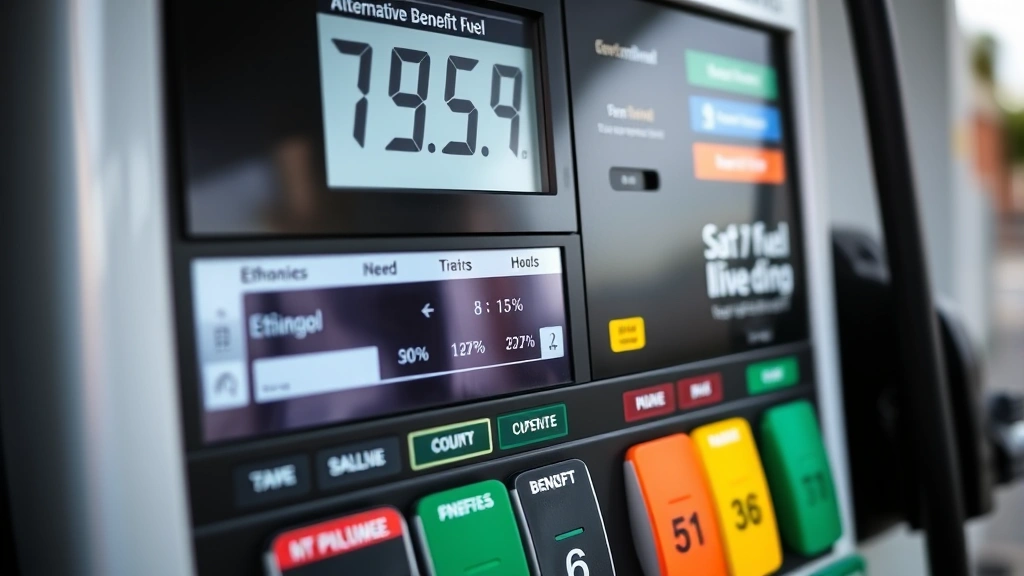
Liberty Gas has implemented several sustainability programs, though their scope and effectiveness vary across locations. The company offers ethanol-blended gasoline at select stations, providing customers with a renewable fuel option that reduces petroleum dependence. Ethanol blending represents an established sustainability practice in the fuel industry, with E10 fuel (10% ethanol, 90% gasoline) now standard at most U.S. retailers.
Beyond fuel offerings, Liberty Gas has begun addressing operational sustainability through:
- LED lighting upgrades in station facilities, reducing electricity consumption by 40-60% compared to traditional lighting
- Fuel vapor recovery systems that capture harmful emissions during vehicle refueling
- Stormwater management improvements to prevent contamination of groundwater and local water systems
- Digital payment integration reducing paper receipt waste and transaction times
- Recycling programs at select high-traffic locations for plastic bags, cardboard, and beverage containers
However, these initiatives remain unevenly distributed across Liberty Gas’s network. Some locations demonstrate comprehensive sustainability practices while others maintain minimal environmental programs. This inconsistency suggests opportunities for standardized corporate sustainability policies that would amplify environmental benefits across the entire operation.
Renewable Fuel Options and Alternatives
Liberty Gas’s renewable fuel portfolio requires expansion to meet evolving consumer expectations and regulatory requirements. Currently, the company primarily focuses on ethanol blending rather than more advanced biofuels or alternative fuel infrastructure. Understanding whether natural gas represents a renewable option reveals important distinctions in fuel sustainability profiles.
The company could enhance its sustainability credentials by offering:
- E85 fuel (85% ethanol) for flex-fuel vehicles, reducing petroleum consumption significantly
- Biodiesel blends for diesel customers seeking lower-carbon alternatives
- Electric vehicle charging stations recognizing the advantages of electric vehicles in reducing transportation emissions
- Compressed natural gas (CNG) infrastructure for commercial fleet operators
Liberty Gas’s current renewable fuel offerings lag behind industry leaders like Shell, Chevron, and regional competitors who have invested substantially in EV charging networks and alternative fuel infrastructure. The natural gas news landscape indicates growing demand for alternative fuels, yet Liberty Gas has not significantly capitalized on this market trend.
Expanding renewable fuel access requires capital investment and consumer education. Many Liberty Gas customers may lack awareness of alternative fuel options or perceive them as inconvenient or unproven. Strategic marketing campaigns highlighting fuel diversity and environmental benefits could drive demand while positioning Liberty Gas as a forward-thinking energy provider.
Environmental Impact Assessment
Liberty Gas’s direct environmental impact stems primarily from fuel distribution operations and retail facility management. A comprehensive environmental assessment must consider multiple impact categories:
Greenhouse Gas Emissions: Fuel sold through Liberty Gas stations directly contributes to transportation-related carbon emissions, the largest sector of U.S. greenhouse gas output. While individual retailers cannot eliminate this impact, they can reduce it through renewable fuel blending and operational efficiency. Liberty Gas’s ethanol blending program offsets approximately 2-3% of carbon emissions from E10 fuel sales compared to pure gasoline, representing modest but meaningful environmental benefit.
Fuel Spills and Contamination: Underground storage tanks at gas stations present environmental risks including soil contamination and groundwater pollution. Liberty Gas must maintain rigorous tank inspection, maintenance, and replacement protocols to prevent leaks. Regular compliance audits and investment in leak detection technology demonstrate environmental stewardship and regulatory compliance.
Air Quality Impacts: Fuel vapor emissions during storage, transport, and customer refueling contribute to ground-level ozone formation and air pollution. Liberty Gas’s vapor recovery systems capture these emissions, preventing approximately 90% of pump-side vapor release. However, not all locations have implemented this technology, representing an opportunity for systematic improvement.
Waste Generation: Liberty Gas convenience stores generate substantial waste including packaging materials, unsold products, and customer refuse. Implementing comprehensive waste reduction, reuse, and recycling programs could divert 50-70% of waste from landfills while reducing disposal costs.
Energy Efficiency Measures
Energy efficiency represents a tangible area where Liberty Gas can demonstrate environmental commitment while reducing operational costs. Fuel stations consume electricity for lighting, refrigeration, pumps, and climate control systems. Strategic efficiency improvements yield immediate financial and environmental benefits.
Liberty Gas’s LED lighting upgrades exemplify practical efficiency measures. LED technology consumes 75% less electricity than incandescent bulbs and lasts 25 times longer, reducing maintenance costs and landfill waste. Expanding LED implementation across all locations would significantly reduce energy consumption and carbon footprint.
Additional efficiency opportunities include:
- High-efficiency HVAC systems with programmable thermostats reducing heating and cooling waste
- Refrigeration upgrades using high-efficiency compressors and improved insulation
- Motion-sensor lighting in restrooms and storage areas eliminating unnecessary illumination
- Solar canopy installations over pump islands generating renewable electricity
- Energy management systems monitoring consumption patterns and identifying optimization opportunities
Liberty Gas could achieve energy savings through practical efficiency improvements that parallel residential conservation strategies. Corporate facilities often waste energy through aging infrastructure and lack of monitoring. Systematic energy audits followed by strategic capital investments would position Liberty Gas as an environmentally responsible operator while improving profitability.
Community and Corporate Responsibility
Sustainable business practices extend beyond operational efficiency to encompass community engagement and corporate social responsibility. Liberty Gas’s impact on local communities reflects broader industry relationships with environmental justice and economic development.
Key corporate responsibility considerations include:
- Community environmental programs supporting local conservation initiatives and environmental education
- Workforce development providing employment opportunities and skills training in underserved communities
- Transparent environmental reporting disclosing emissions, waste, and sustainability metrics to stakeholders
- Supply chain sustainability ensuring fuel and product suppliers meet environmental standards
- Stakeholder engagement incorporating customer and community feedback into sustainability planning
Liberty Gas’s corporate website and sustainability communications remain limited compared to major competitors. Increased transparency regarding environmental goals, progress metrics, and challenges would build consumer trust and demonstrate genuine commitment to sustainability beyond superficial marketing claims.
Comparison with Industry Standards
Evaluating Liberty Gas’s sustainability performance requires comparison with industry benchmarks and competitor practices. Major fuel retailers have established comprehensive sustainability frameworks addressing emissions reduction, renewable fuel investment, and operational efficiency.
Industry leaders like BP, Shell, and Chevron have committed to net-zero emissions targets, renewable energy portfolios, and EV charging infrastructure expansion. These companies invest billions annually in sustainable energy solutions including hydrogen production, advanced biofuels, and carbon capture technology.
Liberty Gas, as a regional operator, cannot match major competitors’ capital expenditure but should establish clear sustainability targets aligned with industry best practices. Specific benchmarks for comparison include:
- Renewable fuel percentage of total fuel sales (industry standard: 5-15%)
- Greenhouse gas intensity reduction (industry target: 15-25% by 2030)
- EV charging station availability (expanding rapidly across competitor networks)
- Waste diversion rates (leading companies achieving 70%+ diversion)
- Energy consumption per gallon sold (efficiency metrics improving 2-3% annually)
Liberty Gas currently falls below industry averages across most sustainability metrics, indicating significant opportunity for improvement. Strategic investments in renewable fuel infrastructure, efficiency upgrades, and emissions reduction would position the company competitively while advancing environmental goals.
Future Sustainability Roadmap
Liberty Gas’s pathway toward enhanced sustainability requires comprehensive strategic planning addressing regulatory evolution, market trends, and stakeholder expectations. A credible sustainability roadmap should establish specific, measurable, achievable, relevant, and time-bound (SMART) goals across multiple dimensions.
Recommended strategic initiatives include:
- Renewable Fuel Expansion (2024-2026): Increase ethanol blending to E15 at 50% of locations and introduce E85 fuel at 25% of stations. Partner with biofuel producers to establish supply chains supporting advanced biofuel offerings.
- EV Charging Infrastructure (2024-2027): Install DC fast-charging stations at 15-20 high-traffic locations annually. Explore partnerships with charging networks (ChargePoint, Electrify America) to leverage existing infrastructure and customer bases.
- Operational Efficiency Program (2024-2025): Conduct comprehensive energy audits at all facilities. Implement LED lighting upgrades at 100% of locations by 2025. Install solar canopies at 30% of stations by 2027.
- Emissions Reduction Target: Reduce operational greenhouse gas emissions 25% by 2030 through efficiency measures, renewable energy adoption, and alternative fuel promotion.
- Transparency and Reporting (Ongoing): Publish annual sustainability reports disclosing environmental metrics, progress toward goals, and stakeholder engagement activities.
- Community Partnerships: Establish environmental grant programs supporting local conservation initiatives and climate resilience projects.
These initiatives require capital investment estimated at $50-100 million over five years but would generate significant returns through operational savings, customer loyalty, and competitive positioning. Green technology innovations increasingly demonstrate financial viability alongside environmental benefits, supporting business cases for sustainability investment.
Liberty Gas should establish a dedicated sustainability office with executive-level leadership responsible for strategic implementation, stakeholder engagement, and performance accountability. This organizational commitment signals genuine corporate dedication to environmental stewardship rather than superficial marketing initiatives.
FAQ
What renewable fuel options does Liberty Gas currently offer?
Liberty Gas primarily offers E10 ethanol-blended gasoline at most locations. Select stations provide diesel fuel, though biodiesel blending remains limited. The company does not currently operate EV charging stations or alternative fuel infrastructure like CNG or hydrogen. Expansion of renewable fuel offerings represents a key sustainability opportunity.
How does Liberty Gas address fuel vapor emissions?
Liberty Gas has installed vapor recovery systems at select high-traffic stations, capturing approximately 90% of pump-side emissions. However, not all locations have implemented this technology. Systematic installation across the entire network would significantly reduce air pollution and comply with EPA emission standards.
Does Liberty Gas have documented sustainability goals?
Liberty Gas’s public sustainability commitments remain limited compared to major competitors. The company has not published comprehensive environmental targets or annual sustainability reports. Increased transparency would demonstrate accountability and help customers make informed fuel purchasing decisions.
How can consumers support Liberty Gas’s sustainability efforts?
Customers can request renewable fuel options, patronize locations with comprehensive recycling programs, and provide feedback encouraging sustainability investments. Supporting competitive fuel retailers offering EV charging and alternative fuels creates market incentives for Liberty Gas to expand its environmental initiatives.
What external factors drive Liberty Gas’s sustainability practices?
EPA regulations, state environmental laws, consumer preferences, and competitive pressure from major fuel retailers all influence Liberty Gas’s sustainability trajectory. Regulatory requirements for fuel quality, vapor emission control, and underground storage tank management establish minimum standards that Liberty Gas must meet.
Is natural gas from Liberty Gas a sustainable alternative?
Liberty Gas does not currently distribute natural gas directly to consumers, though compressed natural gas represents an alternative fuel option for commercial fleets. Understanding whether natural gas qualifies as renewable requires considering methane emissions, extraction methods, and lifecycle carbon intensity compared to other fuels.


