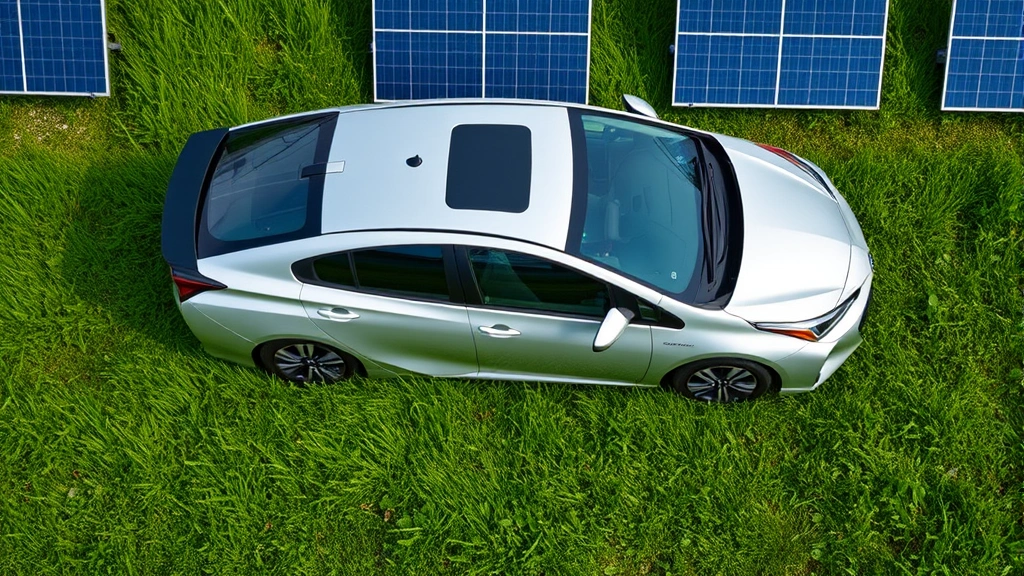
Prius Gas Mileage: Is It Really Efficient?
The Toyota Prius has long been synonymous with fuel efficiency and environmental consciousness. Since its debut in 1997, this hybrid pioneer has captured the imagination of eco-minded drivers seeking to reduce their carbon footprint without sacrificing practicality. But with newer vehicles entering the market and evolving automotive technology reshaping transportation, the question remains: does the Prius truly deliver the exceptional gas mileage it promises, and how does it stack up against modern alternatives?
Understanding Prius gas mileage requires examining real-world performance data, comparing it to competing vehicles, and considering how driving habits, maintenance, and individual circumstances affect actual fuel consumption. This comprehensive guide explores whether the Prius remains a gold standard for efficiency or if the landscape has shifted beneath this iconic hybrid’s wheels.
Understanding Prius Fuel Economy Specifications
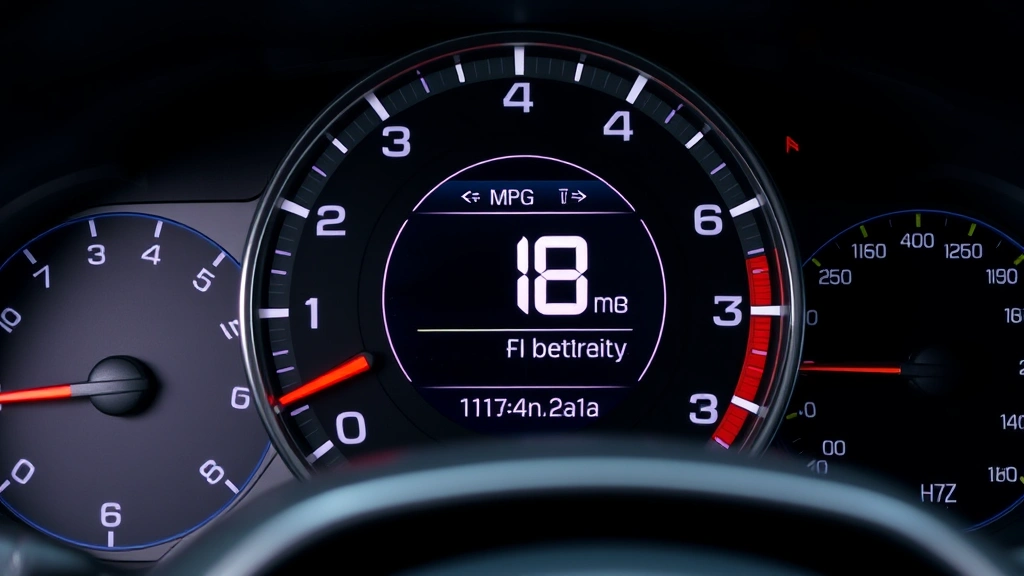
The EPA ratings for Toyota Prius models vary by generation and trim level, but the latest generations consistently achieve impressive numbers on paper. The 2024 Prius, for example, achieves up to 57 city / 56 highway / 57 combined MPG for the standard model, with the Prius Prime plug-in hybrid reaching even higher efficiency metrics when operating in electric mode.
These figures represent a dramatic evolution from the original Prius, which achieved around 42-45 MPG combined. The improvements stem from advances in battery technology, aerodynamic design, lightweight materials, and hybrid system sophistication. However, EPA ratings are calculated under controlled laboratory conditions that don’t always reflect typical driving scenarios.
The distinction between combined, city, and highway ratings matters significantly. City driving, characterized by frequent stops and starts, allows the hybrid system to recapture energy through regenerative braking more effectively. Highway driving, which demands sustained speeds and continuous engine operation, typically yields lower efficiency numbers because the hybrid system’s advantages diminish at constant velocities.
Real-World Gas Mileage Performance
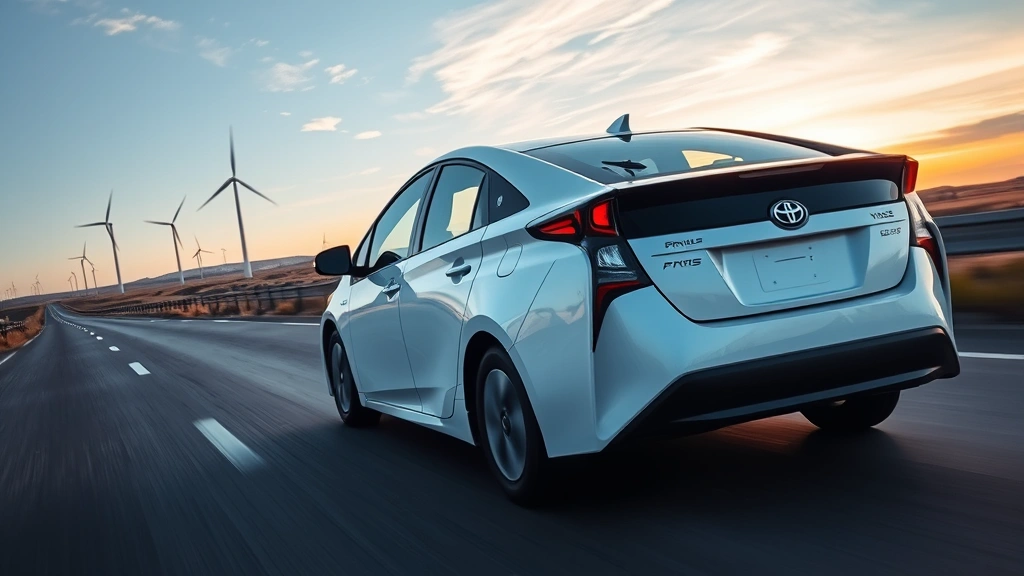
Owner reports and independent testing reveal that actual Prius gas mileage often falls short of EPA estimates, though the gap varies considerably. Many owners report achieving 45-50 MPG in mixed driving, while some achieve the EPA estimates under ideal conditions. This 7-12 MPG variance aligns with broader industry patterns where real-world performance typically trails laboratory testing by 10-20 percent.
Several factors explain this discrepancy. EPA testing procedures use standardized driving cycles that may not represent individual driving patterns. Aggressive acceleration, frequent highway travel, cold-weather operation, and highway speeds above 60 MPH all reduce efficiency significantly. Additionally, newer Prius models equipped with advanced features sometimes show slightly lower real-world efficiency than older generations due to increased vehicle weight and more powerful engines.
Driver behavior emerges as perhaps the most critical variable. Prius owners who adopt conscious driving techniques—gentle acceleration, coasting to red lights, maintaining steady speeds—consistently achieve ratings closer to EPA estimates. Those who drive more aggressively typically see 35-40 MPG, still respectable but substantially lower than marketed figures.
How Prius Compares to Competitors
The hybrid vehicle market has expanded dramatically since the Prius established its reputation. Today’s advantages of electric vehicles and modern hybrids present compelling alternatives worth considering. The Honda Accord Hybrid achieves similar 48-50 MPG ratings, while the Hyundai Ioniq Hybrid reaches 57 MPG combined—matching or exceeding the standard Prius.
Plug-in hybrids like the Prius Prime offer a different value proposition. With a 44-mile all-electric range, owners who charge regularly and drive primarily short distances can achieve equivalent gas mileage of 130+ MPG, though this calculation includes electricity consumption. For commuters with predictable, moderate-distance daily driving, plug-in hybrids often deliver superior overall efficiency.
Pure electric vehicles present another consideration entirely. While lacking a direct “gas mileage” measurement, electric vehicles like the Tesla Model 3, Nissan Leaf, and Hyundai Ioniq 6 offer equivalent efficiency ratings of 100-130+ MPGe (miles per gallon equivalent) when powered by grid electricity. The environmental benefit depends heavily on your region’s electrical grid composition—areas with renewable energy sources see dramatically better outcomes than coal-heavy regions.
Traditional gasoline vehicles with advanced engines have also improved. Modern turbocharged four-cylinder engines in compact sedans achieve 30-35 MPG combined, narrowing the efficiency gap with hybrids, though Prius technology still maintains a significant advantage for fuel-conscious drivers.
Factors Affecting Your Prius Gas Mileage
Several controllable and uncontrollable factors significantly impact Prius gas mileage. Understanding these allows drivers to optimize efficiency and set realistic expectations for their vehicles.
Driving Conditions and Climate: Cold weather reduces efficiency by 10-15 percent as engines require longer warm-up periods and batteries operate less effectively. Highway driving consistently yields lower MPG than city driving due to wind resistance and sustained engine operation. Stop-and-go traffic, while seemingly inefficient, actually favors hybrid systems’ regenerative braking advantages.
Vehicle Maintenance: Properly inflated tires, clean air filters, and regular oil changes maintain optimal efficiency. Under-inflated tires increase rolling resistance and can reduce MPG by 3-5 percent. Neglected air filters force engines to work harder, similarly impacting fuel consumption. Spark plug condition and fuel injector cleanliness also contribute to overall efficiency.
Driving Habits: Aggressive acceleration, rapid braking, and excessive idling all diminish efficiency. Anticipating traffic conditions and maintaining steady speeds maximizes the hybrid system’s effectiveness. Gentle, gradual acceleration allows the system to optimize battery usage and engine operation.
Vehicle Load: Additional weight reduces efficiency directly. Removing unnecessary items from your Prius and avoiding roof racks when not needed can improve MPG by 1-2 percent per 100 pounds of weight removed.
Traffic Patterns: Heavy traffic with frequent stops actually benefits hybrid systems, while light traffic at steady highway speeds reduces their advantages. Your typical commute characteristics significantly influence realized efficiency.
Battery Age: As hybrid batteries age, their capacity diminishes slightly, potentially reducing efficiency over time. However, modern Prius batteries typically maintain 90+ percent capacity after 200,000 miles, so this remains a minor concern for most owners.
Optimizing Your Prius Efficiency
Drivers committed to maximizing Prius gas mileage can implement several strategies to approach or exceed EPA estimates consistently.
Adopt Hypermiling Techniques Safely: Gradual acceleration, coasting to red lights, and maintaining steady speeds all enhance efficiency. However, avoid aggressive hypermiling techniques that compromise safety, such as drafting behind trucks or shutting off the engine while coasting.
Monitor Tire Pressure: Check tire pressure monthly and maintain the manufacturer-recommended PSI. Properly inflated tires reduce rolling resistance and directly improve fuel economy.
Plan Efficient Routes: Minimize stop-and-go driving when possible. Using navigation apps that account for traffic conditions helps optimize route selection and reduce time spent idling or accelerating.
Maintain Regular Service: Follow Toyota’s maintenance schedule religiously. Regular oil changes, filter replacements, and system checks ensure your Prius operates at peak efficiency. Neglected maintenance can reduce MPG by 5-10 percent or more.
Minimize Vehicle Load: Remove roof racks, roof boxes, and unnecessary cargo. Each 100 pounds of additional weight reduces MPG by approximately 1-2 percent on highway driving.
Use Eco Mode: Modern Prius models include Eco driving mode, which adjusts throttle response and climate control to prioritize efficiency. Using this mode in appropriate conditions can improve MPG by 2-5 percent.
Optimize Climate Control: Using the air conditioner reduces efficiency by 5-10 percent. In mild weather, consider using ventilation or opening windows instead. Preconditioning the cabin while plugged in (if available) avoids drawing from the battery during driving.
Modern Alternatives and Electric Options
The automotive landscape has evolved significantly since the Prius dominated the efficiency conversation. Understanding modern alternatives helps contextualize whether the Prius remains the optimal choice for your situation.
Exploring sustainable energy solutions in transportation reveals that the best choice depends on individual circumstances. For urban commuters with access to charging infrastructure, advantages of electric vehicles include lower operating costs, reduced emissions, and superior efficiency metrics.
For those considering whether natural gas represents a renewable option, it’s worth noting that natural gas vehicles haven’t gained significant traction in the consumer market, making the Prius and other hybrids more practical alternatives. Check the latest natural gas news for emerging transportation technologies.
The Prius Prime plug-in hybrid bridges conventional and electric driving, offering flexibility for households with variable commuting needs. Owners who drive 30-50 miles daily and charge regularly often achieve the best overall efficiency and lowest fuel costs.
Pure electric vehicles continue improving in range, charging speed, and affordability. The Nissan Leaf, Tesla Model 3, Hyundai Ioniq 6, and Chevrolet Bolt all offer practical alternatives with superior efficiency when powered by renewable electricity. However, upfront costs remain higher than the Prius, and charging infrastructure varies by location.
For comprehensive understanding of how transportation fits into broader sustainability initiatives, explore green technology innovations transforming our future to see how vehicle choices connect with environmental progress.
FAQ
What is the average gas mileage for a Toyota Prius?
Modern Prius models achieve EPA ratings of 54-57 MPG combined, though real-world performance typically ranges from 45-52 MPG depending on driving conditions and habits. Older Prius models achieve 40-48 MPG combined ratings.
Is Prius gas mileage worth the higher purchase price?
The break-even point typically occurs between 5-7 years of ownership, depending on fuel prices, driving patterns, and vehicle trim levels. For drivers covering 12,000+ miles annually, the Prius usually delivers positive financial returns through fuel savings. Those driving fewer miles or keeping vehicles less than 5 years may not recoup the premium.
How does cold weather affect Prius gas mileage?
Cold weather reduces efficiency by 10-15 percent due to increased engine warm-up time, reduced battery efficiency, and higher fuel consumption from cabin heating. Winter-grade gasoline also contains different additives that slightly reduce energy content.
Can driving techniques really improve Prius gas mileage by 10+ MPG?
Yes, aggressive drivers might achieve only 35-40 MPG, while conscious drivers regularly achieve 50+ MPG. The 15+ MPG difference demonstrates that driving habits profoundly impact realized efficiency. Hypermiling techniques can push even higher, though safety must remain paramount.
Is the Prius still the most efficient non-electric vehicle?
The Prius remains among the most efficient gasoline-electric hybrids, though newer competitors like the Honda Accord Hybrid and Hyundai Ioniq Hybrid achieve comparable efficiency. For plug-in hybrids and electric vehicles, however, modern alternatives often surpass traditional Prius efficiency.
What maintenance helps maintain Prius gas mileage?
Regular oil changes, air filter replacement, tire pressure monitoring, and spark plug maintenance all contribute to sustained efficiency. Most importantly, addressing check engine lights promptly prevents efficiency degradation from emission system issues.
How does the Prius Prime compare to the standard Prius for efficiency?
The Prius Prime achieves slightly lower gas-only MPG (44-48 MPG) but offers 44 miles of all-electric range. For drivers who charge regularly, equivalent efficiency exceeds 100 MPGe. For those who rarely charge, the standard Prius delivers better traditional gas mileage.
Does roof rack installation affect Prius gas mileage?
Yes, roof racks increase aerodynamic drag and add weight, reducing MPG by 1-5 percent depending on rack design and vehicle speed. Remove roof racks when not actively needed to maintain optimal efficiency.
Visit the SustainWise Hub Blog for additional articles on vehicle efficiency and sustainable transportation choices.
The Prius remains a genuinely efficient vehicle that delivers on its promises for conscientious drivers. While not universally superior to every modern alternative, its combination of proven reliability, strong real-world efficiency, and practical design makes it an excellent choice for eco-conscious drivers seeking to reduce fuel consumption and environmental impact without fully transitioning to electric propulsion.


