
Wawa Gas Prices: Are They Eco-Friendly?
Wawa, the beloved convenience store chain with over 900 locations across the Mid-Atlantic and Florida regions, has become synonymous with affordable fuel and quick pit stops for millions of drivers. However, as environmental consciousness grows and climate concerns intensify, consumers increasingly ask whether Wawa gas prices reflect any commitment to sustainability. Understanding the relationship between fuel pricing and environmental impact requires examining Wawa’s fuel sourcing, environmental policies, and how their offerings compare to eco-conscious alternatives.
The question of whether Wawa offers eco-friendly gasoline options extends beyond simple price comparisons. It touches on broader sustainability concerns, carbon emissions, and the company’s responsibility in a rapidly changing energy landscape. This comprehensive guide explores Wawa’s gas operations, their environmental footprint, and practical alternatives for environmentally conscious consumers.
Wawa’s Fuel Operations and Pricing Strategy
Wawa has built its reputation on convenience and competitive pricing, particularly for gasoline. The company operates a vertically integrated fuel supply chain, which allows them to maintain lower prices than many competitors. Their gas stations dot the convenience landscape from Pennsylvania to Florida, serving millions of customers daily. The pricing strategy focuses on volume and accessibility rather than premium or specialty fuel options.
The conventional gasoline sold at Wawa stations contains the standard 10% ethanol blend (E10) mandated by federal regulations. While ethanol is derived from renewable corn sources, the overall fuel remains fossil-fuel based. Wawa does not currently offer premium alternatives like E85 (85% ethanol) or other biofuel blends at most locations, limiting options for environmentally conscious consumers seeking greener fuel choices.
Understanding whether natural gas represents a renewable option becomes relevant when comparing different fuel types. While Wawa focuses on gasoline rather than natural gas, the broader conversation about fuel sourcing and sustainability remains central to evaluating their environmental position.
Environmental Impact of Conventional Gasoline
Conventional gasoline, the primary product sold at Wawa stations, carries significant environmental consequences. When burned in vehicle engines, gasoline releases carbon dioxide (CO2), nitrogen oxides (NOx), and particulate matter into the atmosphere. According to the EPA’s vehicle emissions data, transportation accounts for approximately 27% of greenhouse gas emissions in the United States, with personal vehicles contributing the largest share.
The carbon footprint of gasoline extends beyond combustion. Extraction, refining, transportation, and distribution all generate emissions. A single gallon of gasoline, when fully accounted for through its lifecycle, produces approximately 24 pounds of CO2 equivalent. For a typical American driver consuming 500 gallons annually, this translates to roughly 12,000 pounds of CO2 per year—equivalent to the carbon sequestered by approximately 200 tree seedlings grown for 10 years.
Wawa’s conventional fuel offerings do nothing to mitigate these impacts. The company sells standard gasoline without promoting fuel efficiency, carbon offset programs, or alternative energy sources. This approach prioritizes affordability over environmental responsibility, making Wawa gas prices attractive from a consumer perspective but problematic from a sustainability standpoint.
Wawa’s Sustainability Initiatives
While Wawa’s core fuel business remains conventional gasoline-focused, the company has implemented some sustainability measures in other operational areas. These initiatives, however, don’t significantly address the environmental concerns surrounding their fuel sales.
Energy Efficiency in Stores: Wawa has invested in LED lighting and energy-efficient HVAC systems across many locations. These upgrades reduce operational emissions and lower energy costs, contributing modestly to the company’s carbon footprint reduction.
Waste Reduction Programs: The company has implemented recycling programs and reduced single-use plastic bags in select markets. These efforts align with broader retail sustainability trends but represent incremental progress rather than transformative change.
Supply Chain Considerations: Wawa sources products from various suppliers, some of whom have sustainability certifications. However, the company has not published comprehensive sustainability reports detailing their fuel sourcing or environmental commitments.
To truly address environmental concerns, Wawa would need to explore comprehensive sustainable energy solutions that extend beyond operational efficiency into their core business. This might include offering alternative fuels, installing electric vehicle charging stations, or partnering with renewable energy providers. Currently, such initiatives remain absent from Wawa’s strategic focus.
Recent natural gas news and industry developments highlight how other fuel retailers explore diversification. Wawa’s static approach to fuel offerings suggests limited environmental ambition in their core business model.
Eco-Friendly Fuel Alternatives
For consumers concerned about environmental impact, several alternatives to conventional Wawa gasoline exist, though they may require adjusting driving habits or vehicle choices.
Ethanol Blends (E15, E85): Higher ethanol concentrations reduce petroleum consumption and carbon emissions. E85 fuel, containing 85% ethanol, can reduce lifecycle greenhouse gas emissions by up to 30% compared to conventional gasoline. However, most vehicles cannot safely use E85, and Wawa does not widely offer these blends.
Biodiesel: For diesel vehicle owners, biodiesel blends (B20, B100) derived from renewable sources like soybean oil offer emissions reductions of 10-100% depending on blend percentage. Wawa diesel stations do not advertise biodiesel offerings.
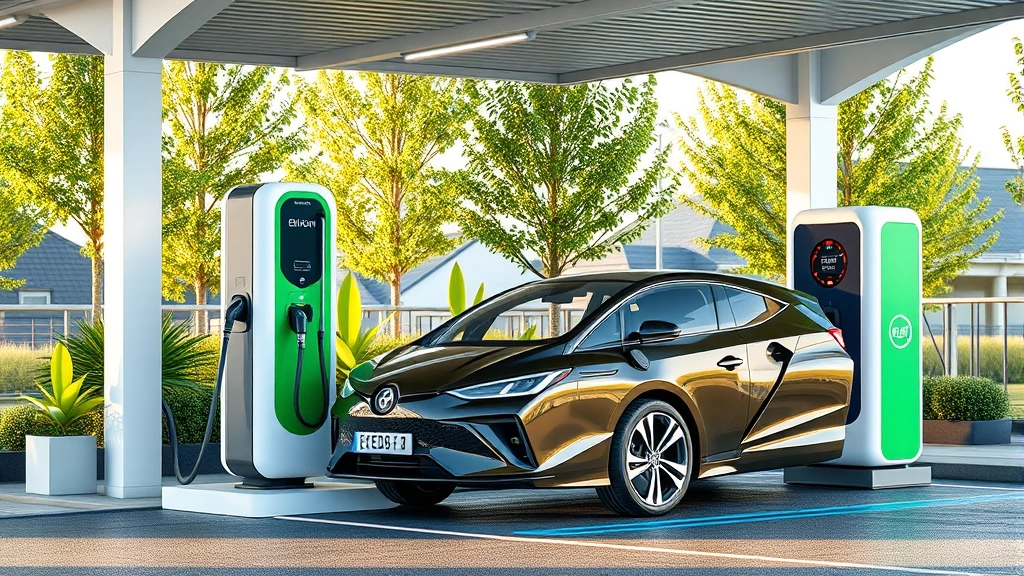
Electric Vehicles: The most significant environmental improvement comes from switching to electric vehicles. Advantages of electric vehicles include zero direct emissions, lower operating costs, and dramatically reduced carbon footprints even when charged from grid electricity powered partially by fossil fuels. Wawa has not invested in EV charging infrastructure, missing an opportunity to serve environmentally conscious consumers.
Notably, fueleconomy.gov provides comprehensive data on vehicle efficiency and fuel type comparisons, helping consumers make informed choices regardless of where they purchase fuel.
Hybrid Vehicles: Hybrid technology combines gasoline engines with electric motors, significantly improving fuel efficiency and reducing emissions by 20-35% compared to conventional vehicles. Hybrid drivers purchasing Wawa gas still reduce their environmental impact compared to standard vehicle owners.
Carbon Offsetting: Some fuel retailers partner with carbon offset programs, allowing consumers to offset their emissions through renewable energy investments or reforestation projects. Wawa currently does not offer such programs at checkout or through loyalty initiatives.
Making Sustainable Fuel Choices
Consumers concerned about environmental impact while managing Wawa gas prices face practical decisions about balancing affordability with sustainability.
Fuel Efficiency Optimization: Regardless of fuel source, driving efficiently reduces consumption. Maintaining proper tire pressure, avoiding aggressive acceleration, reducing idling, and removing excess vehicle weight all improve fuel economy. These practices lower emissions and reduce fuel expenses without changing where you purchase gasoline.
Trip Consolidation: Combining multiple errands into single trips reduces overall driving distance and fuel consumption. Planning routes efficiently before leaving home further optimizes fuel usage, making every gallon count.
Vehicle Selection: The most impactful choice involves selecting vehicles with better fuel economy or alternative powertrains. While vehicle purchases represent significant investments, fuel savings and environmental benefits compound over vehicle lifespans. How to reduce your environmental footprint begins with transportation choices that extend beyond individual fill-ups.
Advocacy and Awareness: Consumer pressure influences corporate behavior. Contacting Wawa management to express interest in alternative fuel options, EV charging infrastructure, or carbon offset programs demonstrates market demand for sustainable options. Companies respond to customer preferences, and sufficient interest could prompt Wawa to reconsider their fuel strategy.
Alternative Retailers: Some competing convenience store chains and fuel retailers offer biodiesel, higher ethanol blends, or EV charging. Supporting these businesses with fuel purchases sends market signals favoring environmental responsibility. Major fuel retailers like Chevron now offer products with additives claiming environmental benefits, though conventional gasoline remains their core product.
Understanding green technology innovations transforming our future helps consumers identify emerging sustainable options in the fuel and transportation sectors, positioning them to make progressively more environmentally responsible choices.
FAQ
Does Wawa sell ethanol-free gasoline?
Most Wawa locations sell standard E10 gasoline containing 10% ethanol as mandated by federal regulations. Ethanol-free gasoline remains unavailable at the vast majority of Wawa stations. Consumers seeking ethanol-free fuel typically need to visit specialty fuel retailers or specific marina locations.
Are Wawa gas prices lower than competitors?
Wawa generally maintains competitive pricing compared to major fuel chains. Their vertically integrated supply chain allows them to offer lower prices than many competitors. However, prices fluctuate based on crude oil markets, location, and seasonal demand. Price differences between retailers rarely exceed 10-20 cents per gallon.
Does Wawa have electric vehicle charging stations?
As of the latest available information, Wawa has not installed EV charging infrastructure at their locations. This represents a missed opportunity for serving environmentally conscious consumers and differentiating from competitors. Some industry observers expect Wawa may eventually explore EV charging as electric vehicle adoption accelerates.
How can I reduce my carbon footprint at Wawa?
While Wawa’s fuel itself cannot be made more sustainable through their offerings, you can reduce your carbon footprint by driving efficiently, consolidating trips, maintaining vehicle condition, and considering vehicle upgrades to more efficient or alternative-powered models. Supporting businesses that offer sustainable fuel options also sends market signals about consumer preferences.
Is conventional gasoline becoming less important?
Industry trends indicate gradual but accelerating shifts toward electric vehicles and alternative fuels. Government regulations increasingly mandate lower emissions, and consumer preferences are shifting toward sustainability. However, conventional gasoline will likely remain significant for several decades, making the transition gradual rather than abrupt.
What environmental certifications does Wawa have?
Wawa has not pursued major environmental certifications like B Corp status, ISO 14001 environmental management certification, or science-based emissions reduction targets. This absence suggests limited formal commitment to environmental accountability compared to some competitors.
Can Wawa’s affordable prices support environmental responsibility?
Price and environmental responsibility need not be mutually exclusive. Many companies maintain competitive pricing while implementing sustainability initiatives. Wawa’s focus on affordability reflects strategic choices rather than economic necessity, suggesting the company prioritizes market share over environmental leadership in the fuel sector.


