
Is a 50-Gallon Gas Water Heater Eco-Friendly? Expert Review
When homeowners consider their environmental impact, water heating often gets overlooked—yet it accounts for approximately 17-25% of residential energy consumption in the United States. A 50-gallon gas water heater represents one of the most common choices in American households, but the question of its ecological footprint deserves serious examination. This comprehensive review explores whether gas water heaters align with sustainability goals, comparing their environmental performance against modern alternatives and identifying practical ways to minimize their impact.
The decision between different water heating systems involves weighing efficiency ratings, greenhouse gas emissions, operational costs, and long-term environmental consequences. For many households, a 50-gallon gas unit seems like a practical middle ground—large enough for family needs yet potentially more affordable than premium alternatives. However, understanding the true environmental cost requires examining natural gas extraction, combustion emissions, energy efficiency standards, and the broader context of decarbonization efforts.

How Gas Water Heaters Impact the Environment
A 50-gallon gas water heater operates by burning natural gas to heat water stored in an insulated tank. This process creates two primary environmental concerns: methane emissions from gas extraction and transportation, and carbon dioxide from combustion. Understanding these mechanisms is essential for making informed decisions about your home’s energy systems.
Natural gas extraction involves drilling wells, processing raw gas, and transporting it through extensive pipeline networks. Natural gas isn’t renewable, and its extraction contributes to habitat disruption and methane leakage. Methane is 25-28 times more potent than carbon dioxide at trapping heat over a 100-year period, making even small leaks significant contributors to climate change.
When your water heater ignites natural gas, it produces carbon dioxide as the primary combustion byproduct. A typical 50-gallon gas water heater generates approximately 3-4 tons of CO2 annually, depending on usage patterns and efficiency ratings. For a household using 60 gallons of hot water daily, this represents a substantial portion of residential carbon emissions.
The efficiency of gas water heaters typically ranges from 60-85%, meaning 15-40% of energy is lost through exhaust vents and tank walls. This inefficiency compounds environmental impact, requiring more gas consumption to deliver the same amount of hot water compared to high-efficiency alternatives.
Efficiency Ratings and Performance Metrics
The Energy Guide label on water heaters displays the Uniform Energy Factor (UEF), which measures how efficiently a unit converts energy into hot water. For gas water heaters, the UEF typically ranges from 0.59 to 0.81, with higher numbers indicating better efficiency.
Standard 50-gallon gas water heaters usually achieve UEF ratings between 0.60-0.68. High-efficiency models can reach 0.75-0.81 by incorporating features like improved insulation, condensing technology, and optimized burners. The difference between standard and high-efficiency units translates to 10-20% energy savings annually.
First-hour recovery rate is another critical metric—it measures how much hot water a heater can supply in one hour. A typical 50-gallon gas unit recovers approximately 75-90 gallons per hour, meaning it can reheat its entire tank and provide additional hot water continuously. This rapid recovery makes gas heaters popular for families with high hot-water demands, though it also means the system runs frequently, consuming more fuel.
Energy Factor ratings help compare different systems, but real-world performance depends on installation quality, maintenance, water usage patterns, and incoming water temperature. Proper insulation of pipes and hot water tanks can reduce heat loss and improve overall system efficiency by 5-15%.
Comparing Gas vs. Electric Water Heaters
Electric resistance water heaters typically achieve efficiency ratings of 0.82-0.95 UEF, significantly outperforming standard gas models. However, this comparison requires examining the electricity grid’s energy sources. In regions powered primarily by renewable energy, electric water heaters offer substantial environmental advantages. In areas dependent on fossil fuels, the difference diminishes considerably.
Heat pump water heaters represent the most efficient option available, achieving UEF ratings of 2.0-3.5 by extracting thermal energy from surrounding air. This technology uses 50-70% less energy than electric resistance heaters and approximately 60% less than gas models. Over a 10-year lifespan, a heat pump water heater generates 20-30 tons fewer CO2 emissions than a 50-gallon gas unit.
Hybrid water heaters combine heat pump and electric resistance elements, operating efficiently in most climates while maintaining fast recovery rates. These systems cost 15-25% more than gas heaters initially but recover their investment through energy savings within 5-8 years in most U.S. regions.
When considering sustainable energy solutions, the grid’s composition matters significantly. A household switching from gas to electric water heating in a clean-energy region immediately reduces emissions by 40-60%. In coal-dependent areas, benefits are smaller but still meaningful over time as grids transition toward renewables.
The Carbon Footprint Reality
Life-cycle assessment studies reveal that a 50-gallon gas water heater generates approximately 35-45 tons of CO2 equivalent emissions over its 13-15 year lifespan. This includes manufacturing, installation, operation, and decommissioning phases.
Manufacturing accounts for roughly 2-3% of total lifetime emissions, while operational fuel consumption represents 95-97% of the environmental impact. This means the most significant reduction opportunity lies in improving how the unit operates rather than simply replacing it prematurely.
According to EPA WaterSense guidelines, the average American family uses approximately 300 gallons of hot water daily. If half of this demand is met by a 50-gallon gas water heater, annual energy consumption reaches 8,000-10,000 kWh thermal equivalent, producing roughly 4 tons of CO2 annually.
Replacing a 50-gallon gas water heater with a heat pump model would reduce this to approximately 1.5-2 tons annually—equivalent to removing a car from the road for a year. Over a 13-year period, this represents a 35-40 ton reduction in carbon emissions, justifying the higher upfront investment from an environmental perspective.
The manufacturing carbon debt of a new water heater is typically recovered through efficiency gains within 2-3 years of operation, making replacement an environmentally sound decision if your current unit is aging or inefficient.
Optimizing Your Current System
If you own a 50-gallon gas water heater, several strategies can minimize its environmental impact without immediate replacement:
- Lower the thermostat setting to 120°F (49°C). Each 10°F reduction saves approximately 300-500 kWh annually, equivalent to 200-300 pounds of CO2. This also improves safety, particularly in households with children or elderly residents.
- Insulate the hot water tank with a blanket or jacket (R-8 minimum). This reduces standby heat loss by 25-45%, saving 4-9% of water heating energy annually.
- Insulate hot water pipes, especially the first 6 feet from the tank. Pipe insulation prevents heat loss during water delivery and reduces the amount of hot water wasted while waiting for warm water to reach faucets.
- Install low-flow showerheads and faucet aerators. These devices reduce hot water consumption by 25-60% without noticeably affecting user experience, directly lowering both energy use and water waste.
- Schedule annual maintenance including sediment flushing and inspection. Sediment buildup reduces efficiency by 5-15%, so removing accumulated deposits keeps your heater operating optimally.
- Fix leaks promptly. Even small drips from hot water lines waste significant energy and water over time. A single dripping faucet can waste 3,000+ gallons annually.
- Use energy-saving practices at home such as shorter showers, full loads for dishwashers, and cold water for laundry when possible.
These optimization strategies can reduce energy consumption by 15-30%, lowering your water heater’s annual emissions by 600-1,200 pounds of CO2 equivalent. Implementation costs typically range from $50-500, making them highly cost-effective compared to replacement.
Future-Proof Water Heating Solutions
As electricity grids increasingly incorporate renewable energy sources, the environmental case for electric water heating strengthens continuously. Planning for your home’s long-term sustainability means considering upgrade pathways.
If you have a 50-gallon gas water heater nearing the end of its lifespan (typically 10-15 years), green technology innovations offer compelling alternatives. Heat pump water heaters, once available only in premium markets, now qualify for substantial federal tax credits of up to $2,000, significantly reducing purchase barriers.
Many states and utility companies offer rebates for upgrading to high-efficiency water heating. Some programs cover 25-50% of installation costs for heat pump models, making them economically competitive with gas replacement within a few years of operation.
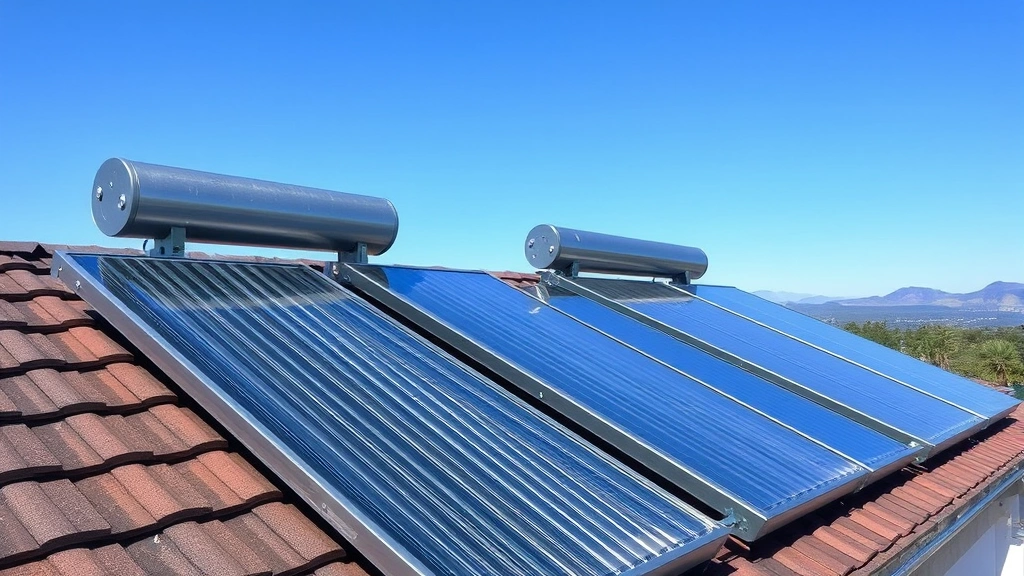
Solar thermal water heating represents another sustainable option, particularly in sunny climates. Solar systems can provide 50-80% of annual hot water needs with minimal ongoing energy consumption. When combined with a backup gas or electric heater, solar thermal systems dramatically reduce reliance on conventional fuels.
For renters or those unable to replace their heater, reducing your environmental footprint through behavior changes and optimization remains highly impactful. Reducing hot water usage by 20% generates the same emissions reduction as replacing a standard gas heater with a high-efficiency model.
The transition away from gas heating aligns with broader decarbonization trends. California, New York, and other states now restrict gas appliances in new construction, accelerating the shift toward electric alternatives. Homeowners who upgrade proactively position themselves advantageously for future regulations while capturing available incentives.
Consider scheduling a professional energy audit to assess your water heating system’s performance and identify the most cost-effective upgrade path for your specific situation. Many utilities offer free or subsidized audits that provide personalized recommendations.
FAQ
Is a 50-gallon gas water heater considered eco-friendly?
A standard 50-gallon gas water heater is not particularly eco-friendly, generating approximately 3-4 tons of CO2 annually. While it’s more efficient than older models, it relies on fossil fuels and operates with 60-85% efficiency. Modern heat pump or high-efficiency electric alternatives are significantly more sustainable, though the electricity grid’s energy sources matter.
How much CO2 does a gas water heater produce per year?
A typical 50-gallon gas water heater produces 3-4 tons of CO2 annually, depending on hot water usage patterns and efficiency ratings. Over a 13-year lifespan, this accumulates to approximately 40-50 tons of carbon emissions, representing a substantial portion of household energy-related environmental impact.
What’s the most eco-friendly water heating option?
Heat pump water heaters are the most environmentally friendly conventional option, achieving 2.0-3.5 UEF ratings and using 60% less energy than gas models. Solar thermal systems paired with backup electric heating offer even greater sustainability in sunny climates. Both options qualify for federal tax credits and state rebates in many regions.
Can I make my gas water heater more environmentally friendly?
Yes, several optimizations reduce environmental impact by 15-30%: lower thermostat settings to 120°F, insulate the tank and pipes, install low-flow fixtures, perform annual maintenance, fix leaks, and reduce hot water usage. These changes cost $50-500 and pay for themselves through energy savings within 1-3 years.
How do gas water heaters compare to electric models environmentally?
Electric resistance water heaters are 10-15% more efficient than gas models (0.82-0.95 UEF vs. 0.60-0.68 UEF). However, environmental benefits depend on grid electricity sources. In renewable-heavy regions, electric heaters are significantly cleaner. Heat pump water heaters outperform both, achieving 60% better efficiency than gas and 50% better than electric resistance.
When should I replace my 50-gallon gas water heater?
Most gas water heaters last 10-15 years. If your unit is approaching 12+ years old, experiencing frequent repairs, or has low efficiency ratings, replacement with a high-efficiency electric or heat pump model is environmentally justified. The manufacturing carbon debt is recovered through operational efficiency gains within 2-3 years.
What incentives are available for upgrading water heaters?
Federal tax credits up to $2,000 apply to heat pump water heater installations. Many states and utilities offer additional rebates covering 25-50% of costs. Check Energy.gov’s database for programs in your area and consult local utility websites for current incentive availability.


