
Sam’s Gas Price: Sustainable Alternatives Explored
As consumers navigate fluctuating fuel costs at Sam’s Club and beyond, the conversation around energy expenses inevitably turns toward sustainability. Rising Sam’s gas prices have prompted millions to reconsider their energy consumption habits and explore alternatives that benefit both their wallets and the planet. Understanding the current landscape of fuel pricing, combined with knowledge of renewable and efficient alternatives, empowers households and businesses to make informed decisions that align with environmental responsibility.
The energy sector stands at a pivotal moment where traditional fossil fuels compete with innovative sustainable solutions. Whether you’re filling up at Sam’s or considering long-term energy strategies, this comprehensive guide explores the intersection of gas pricing, environmental impact, and practical alternatives that can reshape your energy future. By examining both the economics and ecology of fuel consumption, we can identify pathways toward greener, more cost-effective living.
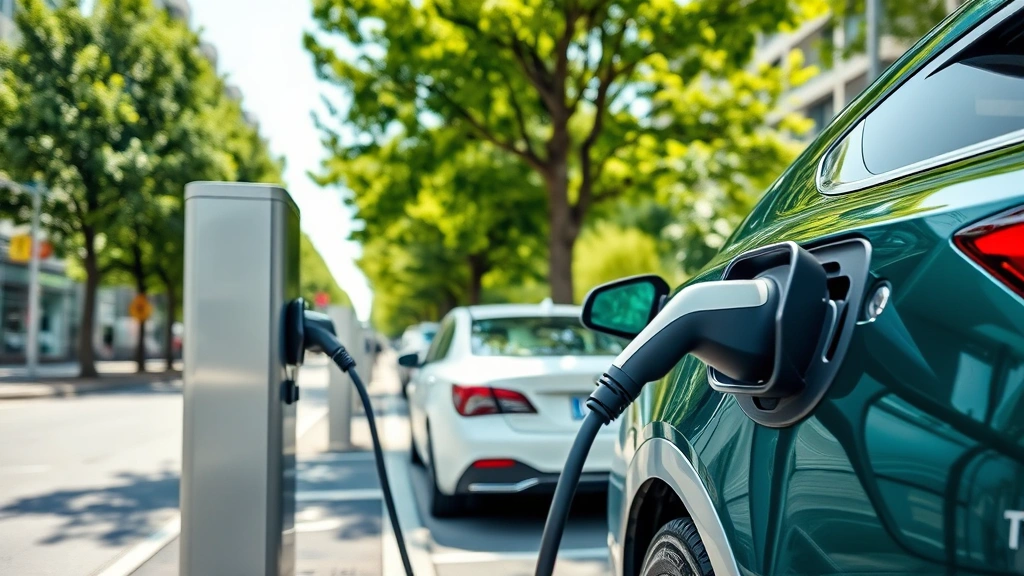
Understanding Current Gas Pricing Trends
Sam’s Club, like other warehouse retailers, offers competitive fuel pricing that attracts millions of members seeking value. However, these prices fluctuate based on global oil markets, geopolitical factors, and supply chain dynamics. Understanding what drives Sam’s gas prices provides valuable context for evaluating whether alternative energy sources might offer better long-term value.
The volatility of gasoline prices reflects broader energy market complexities. Crude oil prices, influenced by OPEC decisions, production levels, and global demand, directly impact what consumers pay at the pump. For Sam’s Club members, the warehouse model typically offers 3-5 cents per gallon savings compared to conventional gas stations, but these savings still depend on underlying market forces beyond individual retailers’ control.
Recent years have witnessed significant price swings, from pandemic-era lows to record highs. This unpredictability underscores why diversifying energy sources matters. When fuel costs surge unexpectedly, households and businesses without alternative options face financial strain. Conversely, those who’ve invested in sustainable energy solutions experience greater stability and resilience against market volatility.

Environmental Impact of Fossil Fuels
Beyond pricing considerations, the environmental consequences of gasoline consumption warrant serious attention. Every gallon burned releases approximately 19.6 pounds of carbon dioxide into the atmosphere, contributing significantly to climate change. When multiplied across billions of gallons consumed globally, the cumulative impact becomes staggering.
The extraction, refining, and transportation of gasoline create additional environmental burdens. Oil drilling disrupts ecosystems, refining processes generate pollution, and spills pose catastrophic risks to marine and terrestrial environments. The EPA’s climate impact assessments demonstrate how transportation emissions represent a substantial portion of total greenhouse gas contributions in developed nations.
Beyond climate considerations, fuel combustion produces particulate matter and nitrogen oxides that degrade air quality, particularly in urban areas. Children, elderly individuals, and those with respiratory conditions face heightened health risks from this pollution. Transitioning away from gasoline-dependent transportation addresses both climate and public health imperatives simultaneously.
Understanding whether natural gas represents a renewable option provides important context for evaluating intermediate energy solutions. While natural gas produces fewer emissions than gasoline, it remains a fossil fuel with significant environmental drawbacks.
Renewable Energy Alternatives
The renewable energy sector has experienced remarkable growth, with solar, wind, and hydroelectric power increasingly dominating electricity generation. These clean energy sources produce power without greenhouse gas emissions, offering sustainable alternatives to fossil fuel dependence.
Solar energy systems, whether rooftop panels or utility-scale installations, convert sunlight directly into electricity with zero operational emissions. Wind turbines harness kinetic energy from moving air masses, similarly generating pollution-free power. International Renewable Energy Agency (IRENA) data shows renewable sources now comprise over 30% of global electricity generation, with growth accelerating annually.
For residential applications, installing solar panels reduces electricity consumption from grid sources, lowering both utility bills and carbon footprints. Modern battery storage systems allow households to maintain power during nighttime hours or grid outages, enhancing energy independence. The green technology innovations transforming our future increasingly make renewable energy economically competitive with traditional sources.
Geothermal heating and cooling systems leverage Earth’s stable internal temperatures to regulate building climate efficiently. These systems reduce heating and cooling energy consumption by 30-70% compared to conventional HVAC systems, translating to substantial long-term savings alongside environmental benefits.
Electric Vehicle Revolution
Perhaps the most direct response to rising gas prices involves transitioning to electric vehicles (EVs). As battery technology improves and charging infrastructure expands, EVs become increasingly practical for everyday transportation needs. The advantages extend far beyond fuel cost savings.
Electric vehicles produce zero tailpipe emissions, eliminating local air pollution and reducing overall carbon footprints significantly. Even when accounting for electricity generation sources, EVs typically produce 50-70% fewer emissions than gasoline vehicles over their lifetime. As electrical grids increasingly incorporate renewable sources, EV environmental benefits multiply.
The advantages of electric vehicles include lower operating costs, reduced maintenance requirements, and superior driving experiences. Electric motors provide instant torque, resulting in impressive acceleration characteristics. Regenerative braking systems capture energy during deceleration, extending range and reducing brake wear.
Charging at home overnight costs significantly less than purchasing gasoline, with typical EV charging costing one-third the price of equivalent gasoline. Public charging networks continue expanding, with over 50,000 charging stations now operating across North America. U.S. Department of Energy resources provide comprehensive EV information and charging station locators.
Federal tax credits up to $7,500 and various state incentives make EV purchases more affordable. Many employers offer charging infrastructure at workplace facilities, further enhancing EV practicality. For households with multiple vehicles, replacing the most-driven gasoline car with an EV typically yields the fastest economic payback.
Home Energy Efficiency Solutions
While transportation represents one energy consumption category, residential heating and cooling often consume more energy than vehicles. Improving home energy efficiency reduces both utility bills and household carbon footprints substantially.
Insulation upgrades, air sealing, and window replacements minimize heating and cooling energy loss. Modern heat pump systems provide efficient heating and cooling by transferring thermal energy rather than generating it through combustion. Smart thermostats optimize temperature settings based on occupancy patterns and weather forecasts.
LED lighting consumes 75% less energy than incandescent bulbs while providing superior light quality and lasting 25+ times longer. Water heating represents another significant energy consumer; upgrading to tankless or solar water heating systems reduces consumption dramatically. The practical tips for energy savings at home provide actionable strategies for reducing consumption across multiple categories.
Energy audits identify specific inefficiencies in individual homes, prioritizing improvements that offer the best return on investment. Many utility companies offer free or subsidized audits, recognizing that efficiency investments reduce strain on electrical grids.
Behavioral changes complement infrastructure improvements. Adjusting thermostat settings by just a few degrees, using cold water for laundry, and air-drying clothes whenever possible yield meaningful cumulative savings. Teaching household members about energy conservation cultivates sustainable habits that persist long-term.
Cost Comparison: Traditional vs. Sustainable
While upfront costs for renewable energy systems and electric vehicles can seem substantial, comprehensive lifetime cost analysis reveals compelling economic advantages. Understanding true cost of ownership requires examining fuel expenses, maintenance, incentives, and environmental externalities.
A typical driver spending $2,000 annually on gasoline at current Sam’s Club prices would invest $40,000 over 20 years in fuel alone. Adding maintenance costs for traditional vehicles—oil changes, transmission servicing, brake replacements—increases this figure further. In contrast, EV owners with home charging spend approximately $600 annually on electricity, totaling just $12,000 over 20 years.
Federal tax credits and state rebates reduce EV purchase prices by $7,500-$12,000, narrowing the price gap with gasoline vehicles. Many EVs already cost less than comparable gasoline cars when incentives are applied. Battery costs continue declining, improving EV affordability annually.
Home solar systems, while requiring initial investment, generate electricity for 25-30 years with minimal maintenance. In most U.S. locations, solar panels pay for themselves within 7-10 years through electricity bill reductions. After payback, homeowners enjoy decades of essentially free electricity generation.
National Renewable Energy Laboratory (NREL) analysis consistently demonstrates that renewable energy represents the lowest-cost electricity source in most markets, even without subsidies. As technology costs decline and efficiency improves, this economic advantage strengthens.
Government Incentives and Support Programs
Recognizing the importance of accelerating sustainability transitions, governments worldwide offer incentives encouraging renewable energy adoption and EV purchases. Understanding available programs maximizes savings for households and businesses.
Federal EV tax credits provide up to $7,500 for qualifying vehicles, with additional credits for domestically manufactured batteries and components. Many states offer supplementary rebates, tax credits, or HOV lane access for EV owners. Some utilities provide discounted electricity rates for EV charging during off-peak hours.
Solar installation incentives include the federal Investment Tax Credit (ITC), which allows homeowners to deduct 30% of installation costs from federal taxes. This credit extends through 2032, providing long-term certainty for solar investments. Many states offer additional solar rebates or performance-based incentives.
Heat pump installation rebates, weatherization assistance programs, and energy efficiency grants support home energy improvements. The U.S. Department of Energy website provides comprehensive information about available programs, with state-specific details and application procedures.
Utility company programs often include rebates for ENERGY STAR appliances, smart thermostat installations, and insulation upgrades. These programs recognize that efficiency improvements benefit utility companies by reducing peak demand on electrical grids. Business incentives, including accelerated depreciation for renewable energy systems, encourage commercial sustainability investments.
Researching available incentives before making sustainability investments can reduce net costs by 30-50%, significantly improving economic returns. Many states provide online tools identifying specific programs for which property owners qualify based on location and project type.
Frequently Asked Questions
How do Sam’s Club gas prices compare to other retailers?
Sam’s Club typically offers gasoline 3-5 cents cheaper per gallon than conventional gas stations due to warehouse membership model economics. However, prices vary by location and time. Comparing local options remains worthwhile, though Sam’s generally provides competitive pricing for members.
Can electric vehicles handle long-distance travel?
Modern EVs with 200-300 mile ranges handle most daily driving needs easily. Long-distance travel requires planning charging stops, but expanding public charging networks make this increasingly convenient. Many EV owners find that 95% of their driving occurs locally, with occasional long trips requiring minimal additional effort.
What’s the environmental impact of EV battery production?
Battery manufacturing generates emissions, but EVs offset this through cleaner operation within 1-2 years of typical driving. Over their 10-15 year lifespan, EVs produce significantly fewer total emissions than gasoline vehicles. Battery recycling programs increasingly recover valuable materials, further improving environmental profiles.
Are renewable energy systems reliable during cloudy weather or calm conditions?
Solar panels generate electricity on cloudy days at reduced efficiency, while battery storage or grid connection provides backup power. Modern grids with diverse renewable sources ensure reliability even when individual resources underperform. Redundancy and storage technology make renewable-powered systems highly dependable.
What’s the true cost of home solar installation?
Average residential solar systems cost $15,000-$25,000 before incentives, typically reducing to $10,500-$17,500 after federal tax credits. System size, roof condition, and local labor costs influence final pricing. Most systems pay for themselves within 7-10 years through electricity bill reductions, with 15-20 years of free electricity generation following payback.
How does natural gas compare to other heating options?
While natural gas produces fewer emissions than oil heating, it remains a fossil fuel. Heat pumps powered by renewable electricity offer superior environmental performance. Current natural gas news and related industry developments show increasing emphasis on transitioning away from gas dependence.
Can I combine multiple renewable energy sources for my home?
Absolutely. Many homeowners install solar panels for electricity generation combined with heat pumps for heating and cooling, plus battery storage for resilience. This diversified approach maximizes efficiency and provides greater energy independence than single-source solutions.


