Gas Leak Smell: What to Know, Expert Insights
Natural gas is an essential energy source for millions of households, but its invisible nature makes detection challenging. Understanding what does a gas leak smell like is crucial for your safety and the safety of your family. This comprehensive guide explores the distinctive odor characteristics, safety protocols, and expert recommendations for identifying and responding to potential gas leaks in your home.
Gas companies intentionally add a chemical odorant called mercaptan to natural gas, which is naturally odorless. This safety measure allows residents to detect leaks before they become dangerous. Recognizing this distinctive smell can be the difference between a minor repair and a serious safety hazard. Whether you’re concerned about your heating system, stove, or other gas appliances, knowing the telltale signs is essential for maintaining a safe living environment.
What Does a Gas Leak Smell Like?
The distinctive odor of a gas leak is often described as similar to rotten eggs, sulfur, or decaying organic matter. This pungent, unmistakable smell is what most people notice first when there’s a problem with their gas supply. The mercaptan chemical added by utility companies produces this characteristic odor at extremely low concentrations, making it detectable long before the gas reaches dangerous levels.
The smell is typically described using several common comparisons by homeowners and professionals alike. Many people report it as resembling a skunk’s spray, while others compare it to spoiled cabbage or rotten vegetables. Some describe it as similar to the smell of a bathroom after someone has used it, but more intense and persistent. This sulfurous, chemical odor is intentionally strong and unpleasant to ensure immediate recognition.
One important distinction to understand is that natural gas itself is completely odorless and colorless. Without the addition of mercaptan, gas leaks would be impossible to detect by smell alone, creating serious safety risks. The mercaptan is added in such small quantities that it doesn’t affect the gas’s combustibility or efficiency—it solely serves as a safety warning system for residents.
If you’re uncertain whether you’re smelling a gas leak, trust your instincts. The smell should be noticeable throughout your home if there’s a significant leak, and it will intensify near the source of the problem. Many people who have experienced a gas leak report that the smell is so distinctive and unpleasant that it immediately raised alarm bells and prompted them to take action.
Understanding Mercaptan and Odorant Additives
Mercaptan is a sulfur-containing organic compound that serves as the primary odorant in natural gas distribution systems across North America and many other countries. This chemical was chosen specifically because of its powerful, distinctive smell that humans can detect at concentrations as low as one part per billion. Understanding how this system works helps explain why detection is so reliable.
The EPA regulates natural gas safety standards, including requirements for odorant additives. Natural gas companies are required to maintain specific concentrations of mercaptan in the gas supply to ensure public safety. This regulatory requirement means that any legitimate gas supplier will have this distinctive odor present in their product.
Different regions and countries may use slightly different odorant formulations. Some systems use tetrahydrothiophene (THT) alongside or instead of mercaptan, but the result is similar—a distinctive, unpleasant odor that’s immediately recognizable. These additives have been tested extensively for safety and have no harmful effects at the concentrations used in natural gas distribution.
It’s worth noting that older gas systems or in specific industrial applications, different odorants might be used. However, in residential settings across North America, mercaptan is the standard. This consistency means that if you smell that characteristic rotten egg odor near your gas appliances or meter, it’s a reliable indicator of a potential leak that requires immediate attention.
Understanding the science behind gas odorants helps reinforce why trusting your nose is an effective first line of defense. When utility companies invest in adding these chemicals to their product, they’re prioritizing your safety through a simple but effective detection system that requires no equipment or specialized knowledge.
Common Gas Leak Locations in Homes
Gas leaks can occur in various locations throughout your home, and knowing where to be alert increases your ability to detect problems early. The most common locations for leaks include connection points, aging pipes, and areas where gas appliances connect to the main supply line. Regular inspection of these areas, combined with your sense of smell, provides comprehensive protection.
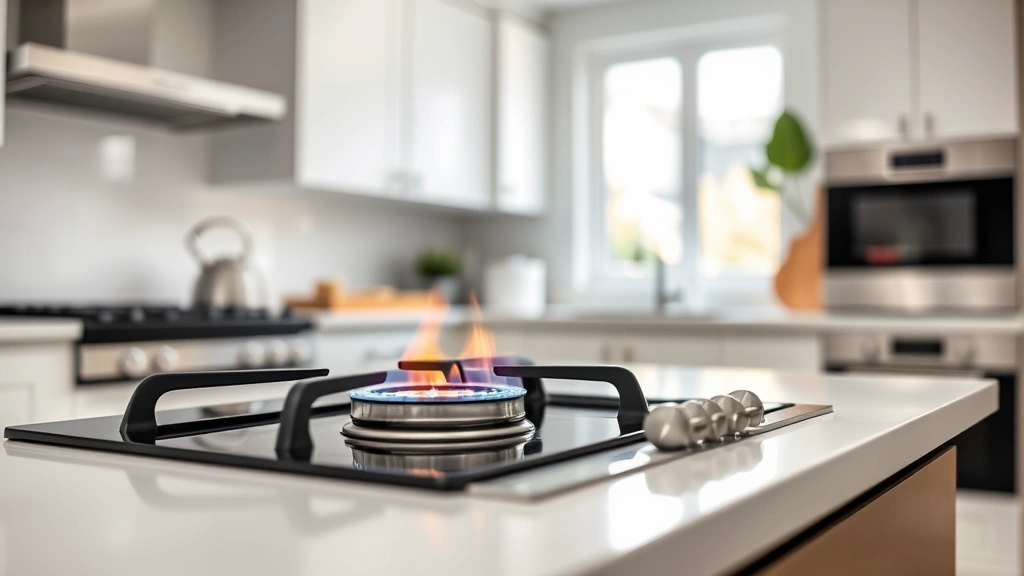
Kitchen appliances are frequent sources of gas leaks. Your stove, oven, and any gas-powered cooking equipment have connection points that can develop leaks over time. Check the areas where the gas line connects to these appliances, and listen for hissing sounds that might indicate escaping gas. If you notice the smell near your stove but nowhere else in your home, this is likely the problem area.
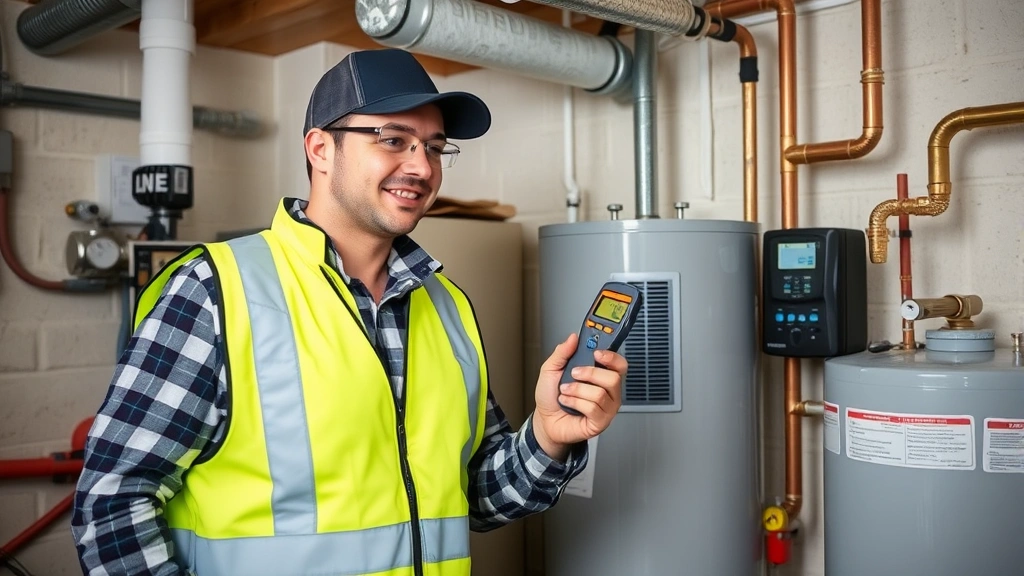
The water heater is another common leak location. These appliances operate continuously or semi-continuously, and the connection points can deteriorate with age. If you notice the gas leak smell near your water heater or in the basement where it’s typically located, have it inspected immediately. A leaking water heater is particularly concerning because it’s often located in less-trafficked areas where you might not notice problems quickly.
Your furnace and heating system represents another critical area to monitor. These systems are essential during winter months, and any problems with their gas connections need immediate attention. If you notice the rotten egg smell intensifying when your furnace kicks on, or if the smell is concentrated near your heating system, contact a professional immediately.
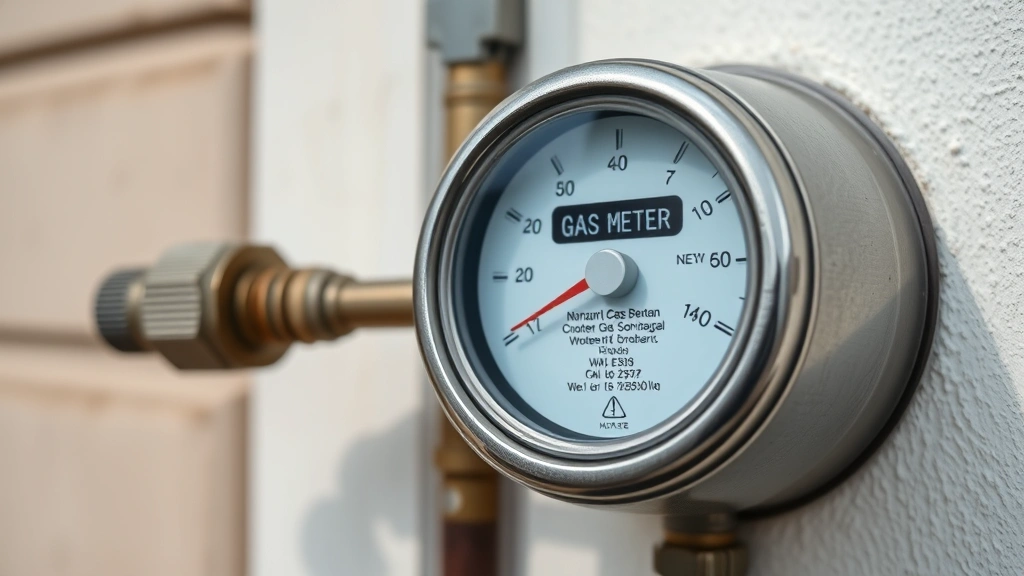
The main gas meter and supply line entering your home can also develop leaks. These are typically located outside or in utility areas. If you notice the distinctive smell near your meter or along the path of the gas line, this indicates a potentially serious problem that requires immediate professional attention. Never attempt to repair gas lines yourself—always call a licensed professional.
Connection points where appliances attach to the supply are particularly vulnerable. These joints can loosen over time due to vibration, temperature changes, or normal wear. Flexible connector tubes, while convenient, can deteriorate and develop cracks. Hard copper or steel lines can develop pinhole leaks from corrosion. All these locations should be part of your regular mental checklist when you’re alert to potential problems.
Health Symptoms and Safety Concerns
While the smell of mercaptan itself is harmless, a gas leak represents serious safety concerns related to natural gas exposure. Understanding the potential health effects and safety risks helps explain why immediate action is necessary when you detect a leak. Natural gas itself is non-toxic at low concentrations, but in high concentrations it can displace oxygen and create asphyxiation risks.
Exposure to high concentrations of natural gas can cause several symptoms. These include dizziness, headaches, nausea, fatigue, and difficulty concentrating. Some people experience chest pain or irregular heartbeat. In extreme cases, natural gas exposure can lead to loss of consciousness or death. However, these severe symptoms only occur at very high concentrations, which would be accompanied by an extremely strong smell.
More commonly, people exposed to gas leaks report subtle symptoms that might be attributed to other causes. Persistent headaches, unexplained fatigue, or a general feeling of malaise could indicate chronic exposure to low-level gas leaks. If you experience these symptoms coinciding with noticing the characteristic smell, take it seriously and have your home inspected.
One particular concern is the risk of explosion or fire. Natural gas is highly flammable, and when mixed with air in certain concentrations, it becomes explosive. This is why you should never ignore a gas smell or attempt to investigate the source using open flames. Even a small spark from a light switch or electrical appliance could potentially ignite the gas.
Another health consideration involves the additives themselves. While mercaptan is safe at the concentrations used, some people report sensitivity to the chemical. If you’re unusually sensitive to strong smells, you might experience headaches or nausea from the odorant itself rather than from the natural gas. Regardless, any gas smell should be treated seriously and investigated professionally.
For vulnerable populations—including elderly individuals, children, pregnant women, and people with respiratory conditions—gas exposure poses additional risks. These groups should be particularly cautious about potential leaks and should evacuate immediately if a strong gas smell is detected. Make sure all household members understand the importance of reporting suspected leaks immediately.
Steps to Take If You Detect a Gas Leak
Detecting a gas leak is only the first step—knowing how to respond appropriately is crucial for your safety. If you notice the distinctive rotten egg smell associated with natural gas, follow these steps carefully and prioritize safety above all else.
First, evacuate immediately. If you smell gas, don’t wait to confirm it or investigate further. Leave your home right away and move to a safe location outside. Take all household members and pets with you. Don’t use elevators if you’re in an apartment building—use stairs instead. Once outside, move at least 300 feet away from your home to ensure you’re at a safe distance.
Don’t use any electrical devices or create sparks. Once you’ve detected a gas smell, avoid using light switches, electrical appliances, phones (inside the home), or anything that could create a spark. Don’t smoke or use open flames. These actions could ignite the gas and cause an explosion. This is why you should leave your home before trying to do anything else.
Call your gas utility company’s emergency line. Once you’re safely outside, use a cell phone or neighbor’s phone to call your gas company’s emergency number. Most utility companies have dedicated emergency lines that operate 24/7. Provide them with your address and explain that you’ve detected a gas smell. They’ll dispatch a technician to investigate and address the problem.
Contact emergency services if necessary. If you’re unsure whether to call your gas company or if you’re experiencing symptoms like chest pain, difficulty breathing, or severe dizziness, call 911. Emergency responders can assess the situation and ensure everyone’s safety. Don’t hesitate to call emergency services—it’s better to be cautious with potential gas leaks.
Don’t return home until cleared by professionals. Wait for the gas company’s technician or emergency responders to inspect your home and determine it’s safe to return. They have specialized equipment to detect gas leaks and can identify the source of the problem. Only re-enter your home once you’ve been given explicit clearance.
Document the incident. Keep records of when you detected the smell, what you did in response, and what the utility company found. This documentation can be helpful for insurance purposes and for tracking any patterns of recurring problems. If this is a recurring issue, documentation becomes even more important.
Prevention and Maintenance Tips
While gas leaks can happen unexpectedly, regular maintenance and preventive measures significantly reduce the risk. Taking a proactive approach to your home’s gas system helps ensure safety and can prevent costly repairs down the line. Implementing these strategies creates multiple layers of protection for your household.
Schedule regular professional inspections. Have a licensed gas technician inspect your gas system annually, ideally before the heating season begins. These professionals have specialized equipment to detect leaks that might be too small to smell. They can also identify worn connections, corroded pipes, and other potential problems before they become serious.
When considering how to save energy at home, regular maintenance of your gas system ensures efficient operation while maintaining safety. A well-maintained system operates more efficiently and is less likely to develop leaks that waste fuel.
Inspect visible connections regularly. Periodically check the areas where gas appliances connect to the supply line. Look for signs of corrosion, wear, or damage. Listen for hissing sounds that might indicate escaping gas. If you notice anything unusual, contact a professional immediately rather than attempting repairs yourself.
Replace flexible connectors appropriately. Flexible gas connectors are convenient but have a limited lifespan, typically 10-15 years. If you have older flexible connectors, have them replaced with newer versions or consider upgrading to hard copper or steel lines. This preventive replacement can avoid leaks before they develop.
Keep your gas meter accessible. Ensure that your gas meter and the area around it remain clear and accessible. This allows utility company representatives to perform readings and inspections, and it ensures you can reach the meter in an emergency. Don’t store items near the meter or cover it with landscaping or debris.
Know your home’s gas shut-off valve. Locate your home’s main gas shut-off valve and learn how to operate it. In an emergency, you might need to shut off the gas supply. However, once you’ve shut off the gas, you’ll need a professional to turn it back on safely. Never attempt to operate the main valve unless you’re trained to do so.
Install a gas detector. While not a substitute for your sense of smell, battery-operated gas detectors provide an additional safety layer. These devices alert you to the presence of natural gas before concentrations become dangerous. Place detectors in your kitchen, bedrooms, and near your furnace. Test them regularly to ensure they’re functioning properly.
Understanding whether natural gas is renewable can inform your long-term energy decisions. If you’re concerned about gas safety and environmental impact, you might explore sustainable energy solutions as alternatives to natural gas for your home.
Professional Detection Methods
While your nose is your first line of defense, professionals use sophisticated equipment to detect gas leaks that might be too small to smell or located in inaccessible areas. Understanding these methods helps explain why professional inspection is so valuable for comprehensive safety.
Combustible gas detectors are the most common professional tool. These handheld devices can detect natural gas at concentrations as low as 10 parts per million—far below dangerous levels. Technicians move the detector around your gas system to identify even small leaks. These devices provide precise readings and help pinpoint the exact location of problems.
Soap bubble solution testing is a simple but effective method. Technicians apply soapy water to suspected leak areas. If gas is escaping, bubbles will form and grow, indicating the location of the leak. This visual confirmation helps identify small leaks that might not be obvious otherwise. This method is particularly useful for checking connection points.
Thermal imaging cameras can sometimes detect gas leaks by identifying temperature differences caused by escaping gas. As gas escapes and expands, it cools the surrounding area. Thermal cameras can visualize these temperature variations, helping technicians locate leaks in walls, under flooring, or in other concealed locations.
Ultrasonic detectors listen for the high-frequency sounds produced by escaping gas. These devices can detect leaks that might otherwise be inaudible to human ears. They’re particularly useful in noisy environments or for detecting very small leaks that produce minimal hissing sounds.
Pressure testing is used to assess the integrity of gas lines. Technicians pressurize the system with inert gas and measure whether pressure holds steady or drops over time. A pressure drop indicates a leak somewhere in the system. This method helps identify leaks even when the gas supply is turned off.
The National Fire Protection Association provides standards for gas detection and safety. Professional technicians follow these standards to ensure comprehensive and reliable testing. When you hire a professional, you’re getting someone trained to use these specialized tools correctly and interpret the results accurately.
Regular professional testing, combined with your awareness of the distinctive gas smell and staying informed through natural gas news, provides comprehensive protection. Professional inspections typically cost $100-$300 but provide invaluable peace of mind and can identify problems before they become dangerous.
FAQ
What should I do if I smell gas but can’t find the source?
If you detect the distinctive gas smell but can’t identify where it’s coming from, err on the side of caution and evacuate your home. Call your gas utility company’s emergency line from outside your home. Their technicians have equipment that can locate even hidden leaks. Don’t spend time searching for the source—prioritize your safety by leaving and calling professionals.
Can a gas leak smell go away on its own?
No, a gas leak will not resolve itself. If you detect a gas smell, there is an active leak that requires professional repair. The smell might seem to come and go depending on ventilation, wind patterns, or how much gas is escaping, but the underlying problem persists. Contact your utility company or a licensed technician to have it repaired properly.
Is it normal to occasionally smell gas near my stove?
Occasional faint smells near your stove might indicate a minor issue with a connection or valve, but it’s not something to ignore. Contact a professional to inspect your stove’s gas connection. A persistent or strong smell definitely indicates a problem that requires immediate attention. Better to have a professional confirm everything is safe than to assume it’s normal.
How often should I have my gas system inspected?
Most experts recommend annual professional inspections of your gas system, ideally before the heating season begins. If you have older appliances or pipes, you might want to increase inspection frequency to twice yearly. If you’ve had previous leaks, more frequent inspections provide added peace of mind.
Can I use a lighter or match to check for a gas leak?
Never use open flames to check for gas leaks. This is extremely dangerous and could cause an explosion. If you suspect a gas leak, rely on your sense of smell and call your utility company or a professional. Never attempt to locate a leak using fire or any spark-producing method.
What if I’m not sure if I’m smelling a gas leak or something else?
Trust your instincts. The mercaptan odorant in natural gas produces a very distinctive smell that most people find unpleasant and memorable. If you’re unsure, it’s better to call your utility company’s non-emergency line to ask them to investigate. They can send a technician to confirm whether there’s actually a leak. There’s no penalty for a false alarm when it comes to potential gas leaks.
Are there alternatives to natural gas that might be safer?
Yes, there are several alternatives worth considering. Electric heat pumps and electric appliances eliminate gas safety concerns entirely. Green technology innovations continue to make electric alternatives more efficient and affordable. If gas safety is a significant concern for your household, exploring these alternatives might be worthwhile.
Can mercaptan cause health problems?
Mercaptan itself is not toxic at the concentrations used in natural gas. However, some people with heightened sensitivity to strong odors might experience headaches or nausea from the odorant. If you consistently experience symptoms when smelling the gas odorant, consult your doctor. Regardless, any gas smell should be investigated professionally to rule out actual gas exposure concerns.
What’s the difference between a gas leak and a gas smell with no leak?
Sometimes you might smell mercaptan without an actual leak present. This can happen if a valve was recently opened, if there’s residual odorant in the air, or if ventilation has carried the smell from elsewhere. However, you should still report it to your utility company. They can investigate and confirm whether there’s an actual leak or if the smell has another explanation. It’s better to have them check than to assume there’s no problem.


