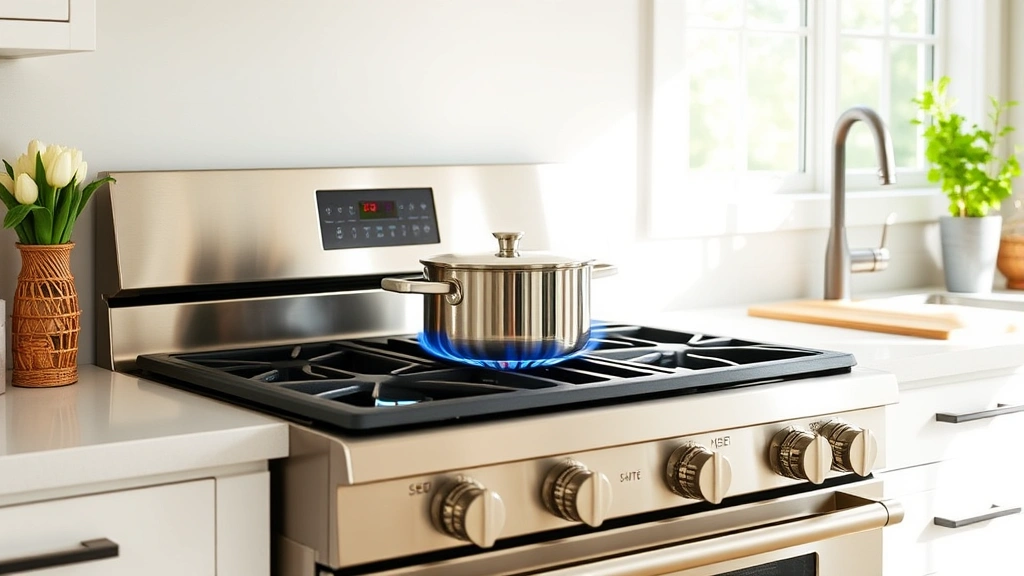
Is a 36-Inch Gas Range Eco-Friendly? Comprehensive Insights for Sustainable Cooking
The kitchen is often considered the heart of a home, and the choice of cooking appliance significantly impacts both your household’s environmental footprint and energy consumption patterns. A 36-inch gas range represents a popular choice for many homeowners, offering professional-grade cooking capabilities and a substantial cooking surface. However, the question of whether this appliance aligns with eco-conscious living requires a nuanced examination of its environmental implications, efficiency metrics, and comparison with alternative cooking technologies.
Understanding the sustainability profile of a 36-inch gas range involves analyzing multiple factors: the source and nature of natural gas as a fuel, the appliance’s energy efficiency rating, its operational emissions, and how it compares to electric and induction alternatives. This comprehensive guide explores these dimensions to help you make an informed decision about whether this cooking solution fits your environmental values and sustainability goals.
Understanding Natural Gas and Environmental Impact
Natural gas, the primary fuel for 36-inch gas ranges, is a fossil fuel composed primarily of methane. While often marketed as a “cleaner” alternative to coal and oil, the environmental story of natural gas is considerably more complex. Understanding whether natural gas is renewable is crucial to assessing the true eco-friendliness of gas cooking appliances.
Natural gas is a non-renewable resource extracted from underground reserves through drilling and extraction processes that can disrupt ecosystems and require significant infrastructure development. The extraction phase itself contributes to environmental degradation through land use changes, water contamination risks, and habitat fragmentation. Additionally, methane leakage throughout the supply chain—from extraction wells through distribution pipelines to your home—represents a significant climate concern, as methane is approximately 28-36 times more potent than carbon dioxide over a 100-year period.
When burned for cooking, natural gas does produce fewer carbon emissions per unit of energy compared to coal or oil. However, it still generates greenhouse gases and contributes to climate change. The combustion of one cubic foot of natural gas releases approximately 0.12 pounds of carbon dioxide, meaning a typical household using a gas range for regular cooking contributes measurably to residential carbon emissions.
For the latest developments in this space, exploring natural gas news can provide current information about industry changes, policy shifts, and emerging research on fossil fuel impacts.
Energy Efficiency of 36-Inch Gas Ranges
One argument in favor of gas ranges concerns their energy efficiency during the cooking process itself. Gas ranges offer several efficiency advantages: they provide immediate, adjustable heat that responds quickly to temperature changes, and they allow heat to be concentrated directly on cookware rather than heating an entire cooktop surface.
Modern 36-inch gas ranges typically achieve thermal efficiency rates of 70-75% when properly maintained, meaning approximately 70-75% of the heat energy produced reaches the cooking vessel. This compares reasonably well with electric coil ranges but falls short of induction cooktops, which achieve 80-90% efficiency. The larger cooking surface of a 36-inch range allows for simultaneous cooking of multiple items, which can actually improve overall energy efficiency per meal prepared when compared to smaller appliances requiring multiple cooking sessions.
However, efficiency ratings don’t tell the complete story. The energy source matters significantly. If your electricity comes from renewable sources like solar, wind, or hydroelectric power, an electric or induction range powered by that renewable energy becomes substantially more eco-friendly than a gas range. Conversely, if your grid relies heavily on fossil fuels, the efficiency advantages of gas become more pronounced from a carbon perspective.
The U.S. Environmental Protection Agency provides guidelines for energy-efficient cooking appliances, and consulting these standards can help identify gas ranges with superior performance characteristics and lower operational energy demands.
Emissions and Air Quality Considerations
Beyond climate impacts, the combustion of natural gas in your kitchen creates indoor air quality concerns that affect your household’s health and environmental footprint. Gas ranges emit nitrogen oxides (NOx), carbon dioxide (CO2), carbon monoxide (CO), and particulate matter directly into your living space.
Nitrogen oxides, particularly nitrogen dioxide, are respiratory irritants that can exacerbate asthma, allergies, and other lung conditions. Studies have consistently shown elevated NOx levels in homes with gas cooking, even when the range is functioning properly. The American Academy of Pediatrics has expressed concerns about indoor air quality from gas cooking, particularly in homes with children or individuals with respiratory conditions.
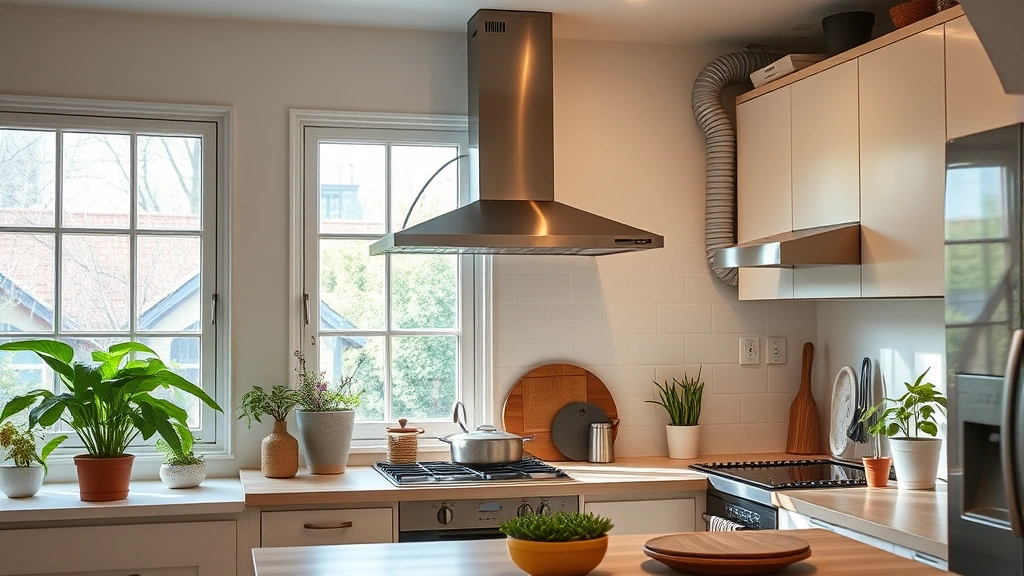
Proper ventilation can mitigate these concerns significantly. A high-quality range hood that vents to the exterior (rather than recirculating air) can remove 70-90% of cooking emissions. However, many households either lack adequate ventilation or fail to use existing ventilation systems consistently, leaving occupants exposed to elevated pollutant concentrations. The installation and maintenance of effective ventilation systems add to the environmental cost and energy consumption of gas cooking.
Induction and electric ranges produce zero direct emissions in the home, making them superior from an indoor air quality perspective regardless of your electricity source’s origins.
Gas Ranges vs. Electric and Induction Alternatives
Comparing a 36-inch gas range to alternative cooking technologies reveals important trade-offs in environmental impact. Each technology presents distinct advantages and disadvantages from sustainability perspectives.
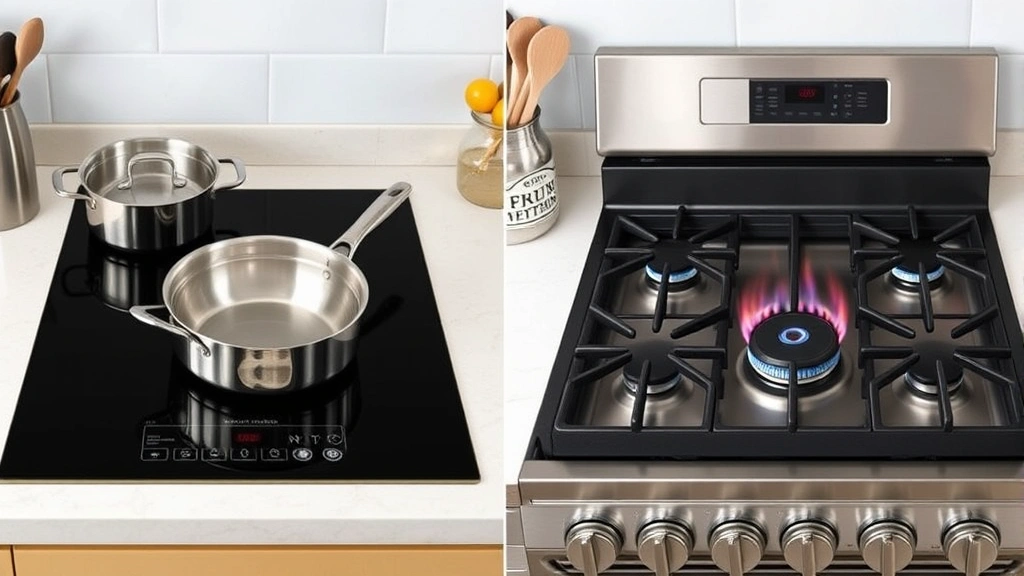
Electric Coil and Smooth-Top Ranges: Traditional electric ranges produce no indoor emissions and offer simplicity and reliability. However, their lower efficiency (65-75%) means more energy consumption per cooking task. Their environmental impact depends entirely on your electricity grid’s composition. In regions with clean energy grids, electric ranges become highly eco-friendly; in coal-heavy regions, they may produce more total emissions than gas.
Induction Cooktops: Induction technology represents the most efficient cooking method available, with efficiency rates reaching 80-90%. These ranges heat cookware directly through electromagnetic fields, minimizing wasted heat. They produce zero indoor emissions and respond to temperature adjustments with remarkable precision. However, induction requires compatible cookware and represents higher upfront costs. From a pure energy efficiency standpoint, induction cooking outperforms gas significantly.
Implementing sustainable energy solutions in your home becomes increasingly important when evaluating cooking appliances, as the overall sustainability profile depends on both the appliance and your home’s energy infrastructure.
The lifecycle emissions of manufacturing and eventual disposal also differ among these technologies. Gas ranges typically require less specialized manufacturing but depend on fossil fuel infrastructure. Electric and induction ranges involve more complex manufacturing but integrate with renewable energy systems more effectively.
Durability and Lifecycle Environmental Costs
An often-overlooked dimension of appliance sustainability involves the environmental cost of manufacturing, transportation, and eventual disposal. A 36-inch gas range represents a significant appliance requiring substantial resources to produce.
Manufacturing a gas range involves extracting and processing steel, aluminum, glass, and various electronic components. The production process generates emissions and waste. Transportation from factory to retailer to home adds carbon emissions. These upfront environmental costs must be amortized across the appliance’s useful lifespan—typically 15-20 years for quality gas ranges.
Durability becomes an important sustainability factor. A gas range that functions reliably for 20 years distributes its manufacturing impact across two decades of use, improving its overall lifecycle environmental profile compared to an appliance requiring replacement after 10 years. Gas ranges generally demonstrate excellent durability, with many units functioning properly for 15-25 years with basic maintenance. This longevity is a genuine environmental advantage compared to some electric alternatives with shorter lifespans.
At the end of its life, a gas range’s steel and metal components are highly recyclable, allowing material recovery and reduced landfill impact. Proper disposal through recycling programs ensures maximum environmental benefit from the materials invested in the appliance’s construction.
Choosing an Eco-Conscious Gas Range
If you decide a 36-inch gas range aligns with your sustainability goals, certain features and choices can minimize its environmental impact.
High-Efficiency Burners: Look for ranges featuring sealed burners with electronic ignition rather than pilot lights. Electronic ignition eliminates continuous gas flow and reduces fuel waste. Sealed burners prevent spills from reaching internal components, extending appliance lifespan.
Convection Features: Convection ovens circulate hot air more efficiently, reducing cooking time and energy consumption. This feature can meaningfully decrease the environmental cost of oven cooking.
Quality Construction: Premium materials and construction extend appliance lifespan, improving lifecycle sustainability. Investing in a higher-quality range that lasts 20+ years is more eco-friendly than replacing a cheaper model multiple times.
Energy Star Certification: While the EPA doesn’t provide Energy Star ratings specifically for gas ranges, seeking appliances meeting industry efficiency standards ensures optimal performance. Check manufacturer specifications for thermal efficiency ratings.
Proper Installation and Ventilation: Ensure professional installation with adequate ventilation to minimize emissions and optimize efficiency. Investing in a high-quality range hood that vents externally is essential for health and environmental quality.
Exploring how to save energy at home through practical tips for greener living extends beyond appliance selection to encompass broader cooking practices and household energy management.
Sustainable Cooking Practices
Regardless of your cooking appliance choice, sustainable cooking practices significantly reduce the environmental impact of food preparation.
Matched Cookware and Burner Sizes: Using appropriately sized cookware for your burner size ensures heat transfer efficiency. Oversized cookware on small burners wastes energy; undersized cookware on large burners allows heat to escape uselessly.
Lid Usage: Covering pots and pans reduces cooking time by 25-30%, dramatically decreasing energy consumption. This simple practice benefits all cooking methods but particularly improves gas range efficiency.
Batch Cooking: Preparing multiple meals simultaneously maximizes oven utilization and distributes the appliance’s environmental cost across more servings.
Pressure Cooking and Slow Cooking: These methods use less total energy than conventional cooking, particularly for tough cuts of meat or legumes requiring extended cooking times.
Residual Heat Utilization: Turn off burners a few minutes before cooking completes, allowing residual heat to finish the cooking process—a technique particularly effective with gas ranges’ thermal mass.
Regular Maintenance: Cleaning burners, maintaining proper flame appearance (blue rather than yellow), and ensuring sealed burner integrity preserves efficiency and extends appliance lifespan.
Understanding green technology innovations transforming our future helps contextualize cooking appliances within broader sustainability trends and emerging technologies that may influence your long-term choices.
FAQ
Is a 36-inch gas range more eco-friendly than an electric range?
The answer depends on your electricity grid’s composition. In regions with substantial renewable energy, electric ranges are typically more eco-friendly. Where grids rely on fossil fuels, gas ranges may produce lower total emissions due to higher efficiency. However, gas ranges produce indoor air quality issues that electric ranges don’t, affecting both health and environmental quality. Induction technology outperforms both options from an efficiency perspective.
Do gas ranges produce significant indoor pollution?
Yes, gas ranges emit nitrogen oxides, carbon dioxide, and other pollutants. Proper ventilation through exterior-venting range hoods can reduce these emissions by 70-90%. However, many homes lack adequate ventilation or don’t consistently use existing systems, leaving occupants exposed to elevated pollution levels.
How long do 36-inch gas ranges typically last?
Quality 36-inch gas ranges often function reliably for 15-25 years with proper maintenance. This longevity is an environmental advantage, as the manufacturing impact is distributed across decades of use. Regular maintenance, including cleaning burners and checking seals, extends lifespan further.
Can I make my gas range more environmentally friendly?
Yes, several practices improve gas range sustainability: use matched cookware sizes, always cover pots and pans, utilize residual heat, perform regular maintenance to preserve efficiency, ensure proper ventilation, and employ batch cooking and pressure cooking techniques when possible.
What’s the most eco-friendly cooking appliance?
Induction cooktops represent the most environmentally friendly option, offering 80-90% efficiency and zero indoor emissions. However, they require compatible cookware and higher upfront investment. In regions with renewable electricity grids, induction cooking is significantly more sustainable than gas ranges.
Are gas ranges being phased out?
Several jurisdictions are implementing policies discouraging gas appliances in new construction due to climate and indoor air quality concerns. However, gas ranges remain widely available and legal in most areas. The trend toward electric and induction alternatives is growing but remains gradual.


