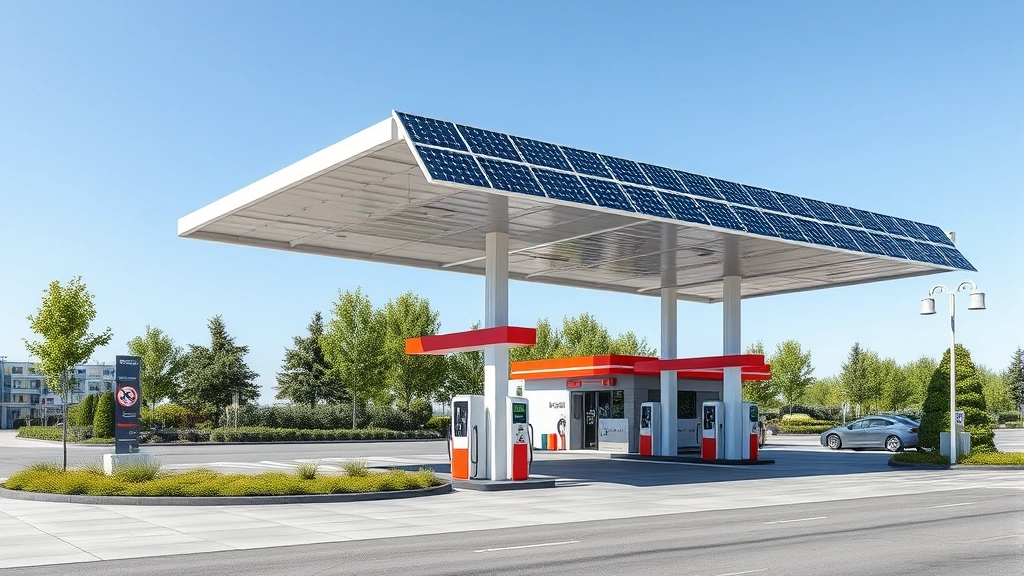
Can Alon Gas Stations Be Eco-Friendly? Insights into Sustainable Fuel Retail
Alon USA Energy, operating thousands of gas stations across North America, faces mounting pressure to align with environmental sustainability goals. As climate change accelerates and consumers demand greener alternatives, the question of whether traditional gas stations can become eco-friendly becomes increasingly urgent. This exploration examines Alon’s current operations, environmental challenges, and potential pathways toward sustainability in the fuel retail sector.
The fossil fuel industry stands at a crossroads. While electric vehicles gain market share and renewable energy expands, gas stations remain critical infrastructure. Understanding whether Alon can transition toward eco-friendliness requires examining their operational practices, technological adoption, and commitment to reducing carbon footprints. We’ll investigate what true sustainability means for fuel retailers and whether incremental improvements genuinely address environmental concerns.
Understanding Alon USA Energy Operations
Alon USA Energy represents one of North America’s largest independent fuel retailers, managing convenience stores and fuel distribution across multiple states. The company operates primarily through branded stations and unbranded retail locations, serving millions of customers daily. Their business model centers on traditional petroleum products, though industry shifts are prompting strategic reconsiderations.
The company’s infrastructure includes fuel terminals, distribution networks, and thousands of retail touchpoints. Understanding their operational scale is essential when evaluating sustainability potential. With such extensive reach, even marginal efficiency improvements could yield significant environmental benefits. However, the fundamental business model—selling fossil fuels—presents inherent contradictions with environmental goals.
Alon’s market positioning reflects broader industry trends. As major oil companies invest in renewable energy and electric vehicle infrastructure, independent retailers face pressure to evolve. The company’s response to environmental challenges will likely determine its long-term viability and relevance in an increasingly eco-conscious marketplace.
Current Environmental Challenges at Gas Stations
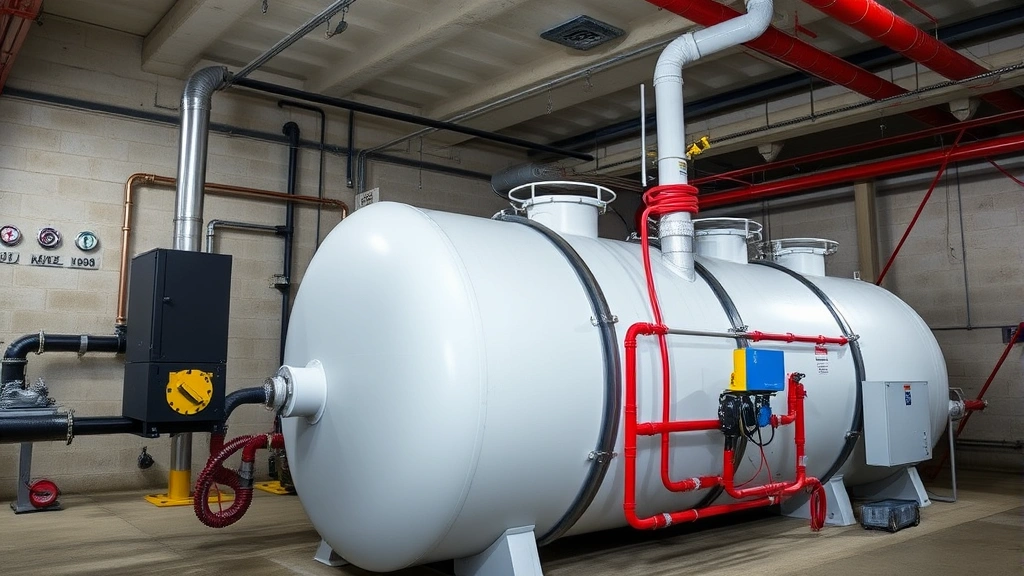
Gas stations present multifaceted environmental challenges extending beyond fuel combustion. Soil and groundwater contamination from leaking underground storage tanks remains a persistent problem across the industry. These tanks, even when properly maintained, pose risks of hydrocarbon seepage affecting local ecosystems and water supplies. Alon stations, like competitors, must manage this legacy infrastructure challenge.
Air quality degradation occurs both from customer vehicle emissions and station operations. Fuel vapor emissions during pumping, tank filling, and storage contribute to volatile organic compound (VOC) concentrations. These emissions react with atmospheric nitrogen oxides to form ground-level ozone, a primary air pollutant. Convenience stores at stations generate additional emissions through HVAC systems and delivery vehicle traffic.
Water consumption and waste management create additional environmental burdens. Pressure washing, restroom facilities, and car wash operations consume significant water volumes. Waste streams include used oil, refrigerants, batteries, and packaging materials. The cumulative environmental impact of thousands of stations operating continuously demands serious mitigation efforts.
Climate change implications are substantial. Fuel sold at Alon stations directly contributes to greenhouse gas emissions when burned in vehicles. A single gallon of gasoline produces approximately 20 pounds of carbon dioxide when combusted. With millions of gallons pumped annually across Alon’s network, the climate impact represents one of the sector’s most significant environmental challenges.
Regulatory pressure intensifies these concerns. The Environmental Protection Agency enforces stringent storage tank standards, vapor recovery systems, and spill prevention protocols. States implement additional requirements through air quality regulations and fuel composition standards. Compliance costs drive operational expenses while environmental outcomes remain incremental.
Existing Eco-Friendly Initiatives
Progressive fuel retailers implement various sustainability measures despite operational constraints. Some Alon stations have adopted LED lighting systems, reducing electricity consumption by 50-75% compared to traditional fixtures. Energy-efficient HVAC systems, motion-activated lighting, and improved insulation minimize heating and cooling demands.
Fuel management technologies offer environmental benefits through inventory optimization and leak detection systems. Advanced monitoring prevents groundwater contamination by identifying tank compromises early. Vapor recovery systems capture fuel vapors during pumping, preventing VOC emissions and reducing environmental impact while recovering saleable product.
Sustainable landscaping practices at some stations reduce water consumption and chemical inputs. Permeable paving allows stormwater infiltration rather than runoff, minimizing pollution of local waterways. Waste reduction programs focus on recycling used oil, batteries, and packaging materials through certified processors.
Some stations explore alternative fuel offerings. Biodiesel blends provide renewable fuel options for diesel vehicles. E85 ethanol fuel reduces petroleum dependence, though sustainability questions persist regarding corn-based ethanol production and land use implications. These offerings represent incremental progress rather than transformative change.
Community engagement initiatives enhance sustainability credibility. Educational programs about fuel efficiency, vehicle maintenance, and environmental stewardship create consumer awareness. Partnerships with environmental organizations demonstrate commitment to broader sustainability goals beyond immediate operational concerns.
Renewable Fuel Integration Possibilities
Exploring renewable fuel integration at Alon stations requires understanding available technologies and market viability. Sustainable aviation fuel (SAF) derived from agricultural waste, algae, or captured carbon offers promise for aviation sectors while potentially expanding to ground transportation. However, production capacity remains limited, and pricing exceeds conventional fuel significantly.
Natural gas represents an intermediate step toward sustainability, though climate scientists debate its role in genuine decarbonization. Compressed natural gas (CNG) and liquefied natural gas (LNG) stations reduce emissions compared to gasoline but maintain fossil fuel dependence. Some Alon locations could transition to CNG distribution with infrastructure investment.
Hydrogen fuel represents a long-term possibility as production methods improve. Green hydrogen, produced through renewable electricity electrolysis, offers zero-emission potential. However, hydrogen infrastructure remains nascent, and production costs prohibit widespread adoption currently. Alon would require significant capital investment and market coordination to establish hydrogen distribution networks.
Biofuels derived from waste oils, algae, and agricultural residues present renewable alternatives. Advanced biofuels avoid competing with food production while reducing lifecycle emissions. Integration into existing fuel infrastructure requires minimal modification, making them attractive for transitional strategies. However, scaling biofuel production to replace conventional fuels faces agricultural and logistical constraints.
The challenge remains fundamental: renewable fuel integration, while valuable, perpetuates vehicle fuel retail as the core business model. True sustainability transformation requires rethinking this model entirely rather than simply substituting fuel sources.
Electric Vehicle Charging Infrastructure
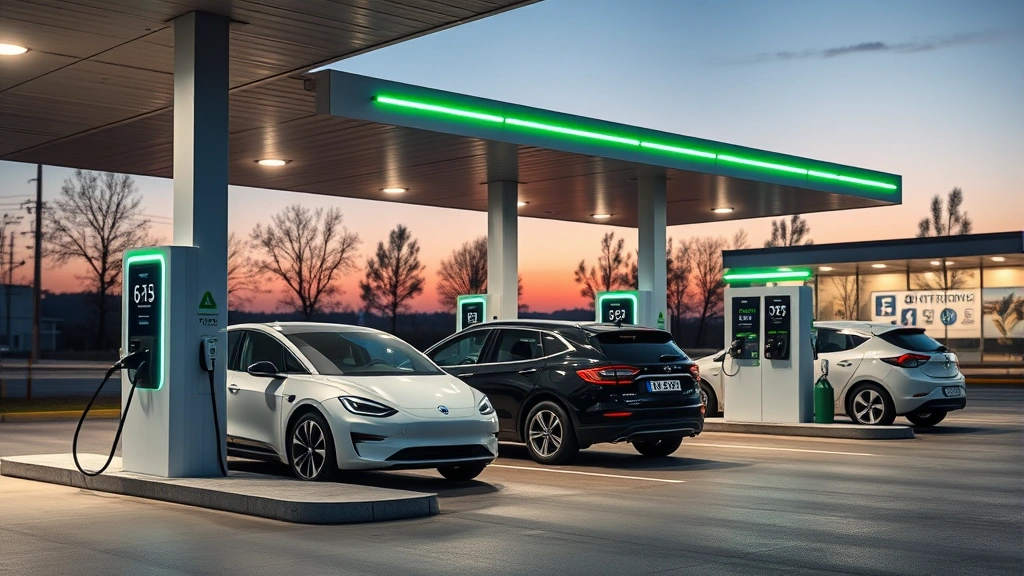
As electric vehicles gain market adoption, fuel retailers face existential questions. Alon stations positioned strategically could provide EV charging, leveraging existing real estate and customer traffic. This transition acknowledges transportation electrification as inevitable while maintaining retail relevance.
Level 2 charging stations (240-volt) require moderate infrastructure investment and provide convenient charging for daily use. DC fast chargers enable rapid charging for highway travel but demand substantial electrical capacity and capital expenditure. Alon’s extensive property portfolio offers opportunities for charging network development, though cannibalization of fuel sales presents obvious conflicts.
Hybrid models combining fuel sales with charging services could ease transition periods. Convenience stores continue generating revenue while charging infrastructure builds. This approach recognizes that pure transformation overnight proves economically impossible, requiring gradual business model evolution.
Technical challenges include electrical grid capacity in areas with numerous simultaneous charging demands. Renewable energy integration through solar panels or battery storage systems enhances charging infrastructure sustainability. Some progressive retailers implement these technologies, though cost barriers remain significant.
Market analysis suggests substantial opportunity. International Energy Agency projections indicate rapid EV adoption globally. Early infrastructure investment positions Alon competitively while aligning with transportation decarbonization trends. However, this requires acknowledging fuel sales decline and proactively managing business transitions.
Emissions Reduction Strategies
Comprehensive emissions reduction extends beyond fuel selection to encompass entire operational footprints. Scope 1 emissions from direct operations include fuel combustion in delivery vehicles, backup generators, and heating systems. Renewable energy adoption through solar installations reduces electricity grid dependence and associated emissions.
Scope 2 emissions from purchased electricity represent significant reduction opportunities. Transitioning to renewable energy suppliers or installing on-site generation through solar or wind systems eliminates grid-based emissions. Battery storage systems improve renewable energy utilization by capturing surplus production for use during peak demand periods.
Scope 3 emissions from supply chain operations and fuel combustion prove more challenging to address. Optimizing delivery routes through advanced logistics software reduces transportation emissions. Partnering with suppliers committed to sustainability practices creates accountability throughout value chains. Encouraging customers toward efficient vehicles through educational initiatives reduces indirect emissions.
Corporate carbon offsetting programs, while controversial, provide interim mechanisms for emissions neutrality claims. Funding reforestation projects, renewable energy development, or methane capture from landfills offsets operational emissions. However, offsetting alone cannot substitute for genuine emissions reduction at operational sources.
Transparency through emissions reporting builds credibility and accountability. Third-party verification through Business for Social Responsibility or similar organizations provides independent assessment of sustainability claims. Public commitment to emissions reduction targets with measurable timelines demonstrates genuine environmental dedication.
Regulatory Compliance and Standards
Environmental regulations increasingly shape fuel retailer operations and sustainability requirements. The Clean Air Act mandates vapor recovery systems, fuel quality standards, and emissions monitoring at retail stations. Compliance requires ongoing investment in equipment maintenance and staff training to prevent violations.
Underground storage tank regulations require regular inspections, leak detection systems, and eventual replacement of aging infrastructure. These mandates, while costly, prevent environmental contamination and represent baseline sustainability requirements rather than progressive initiatives. Alon must maintain compliance across thousands of locations, creating significant operational complexity.
State-level fuel composition standards, such as Low Carbon Fuel Standards (LCFS) in California, require demonstrating reduced lifecycle emissions. These regulations incentivize renewable fuel integration and efficiency improvements. Compliance creates competitive advantages in regulated markets while establishing precedent for broader adoption.
Corporate sustainability reporting frameworks increasingly influence investor decisions and consumer perception. The Global Reporting Initiative provides standardized disclosure mechanisms for environmental, social, and governance (ESG) metrics. Public commitment to reporting enhances transparency and accountability.
International standards like ISO 14001 Environmental Management Systems provide frameworks for systematic sustainability improvement. Certification demonstrates organizational commitment to environmental stewardship and continuous improvement. Implementation requires cultural change beyond compliance-focused operations.
Future Outlook for Sustainable Fuel Retail
The future viability of traditional gas stations depends on adaptability and strategic evolution. Industry projections suggest continued fuel sales for decades despite electrification trends, particularly in commercial and rural markets where charging infrastructure remains limited. However, growth markets clearly favor electric vehicles and alternative fuels.
Alon’s sustainability trajectory will likely involve diversification beyond fuel sales. Convenience store optimization, charging infrastructure development, and potential renewable fuel distribution represent hedging strategies. Sustainable energy solutions adoption accelerates this transition, though fundamental business model transformation remains incomplete.
Consumer expectations increasingly demand environmental responsibility. Younger demographics prioritize sustainability, influencing fuel choices and retailer selection. Alon’s environmental initiatives must address these expectations while acknowledging that selling fossil fuels inherently contradicts sustainability goals. Transparency about this tension builds credibility more effectively than greenwashing claims.
Technological innovation offers emerging opportunities. Advanced biofuels, hydrogen infrastructure, and synthetic fuels present potential future fuel sources. Investment in research and development positions Alon to capitalize on breakthrough technologies while maintaining operational relevance during transition periods.
Green technology innovations continue accelerating sustainability capabilities. Battery technology improvements enhance electric vehicle viability. Renewable energy cost reductions make sustainable electricity increasingly economical. Grid modernization enables better integration of distributed renewable resources. Alon must monitor these developments and adapt strategies accordingly.
Policy support will significantly influence outcomes. Carbon pricing mechanisms, fuel economy standards, and renewable energy mandates shape market incentives. Alon’s advocacy positions should balance business interests with genuine environmental stewardship. Supporting climate-forward policies, even when challenging short-term profitability, builds long-term viability and stakeholder trust.
Ultimately, true sustainability for fuel retailers requires acknowledging transportation electrification as inevitable while managing thoughtful transitions. Alon can become meaningfully more eco-friendly through emissions reduction, renewable fuel integration, and charging infrastructure development. However, complete sustainability transformation requires fundamentally different business models focused on energy services rather than fuel sales.
Frequently Asked Questions
Are Alon gas stations implementing renewable energy?
Some Alon locations have adopted solar installations and energy-efficient systems, though renewable energy integration remains inconsistent across their network. Systematic rollout of renewable energy would require substantial capital investment and corporate policy commitment.
Does Alon offer electric vehicle charging?
Limited EV charging availability exists at select Alon locations, though comprehensive charging network development remains underdeveloped compared to dedicated EV infrastructure providers. Expansion depends on strategic decisions regarding business model evolution.
What makes gas stations inherently unsustainable?
Gas stations fundamentally distribute fossil fuels that produce greenhouse gas emissions when combusted. While operational improvements reduce environmental impact, they cannot eliminate the core climate concern. True sustainability requires transitioning away from fossil fuel sales.
Can biofuels make Alon stations genuinely eco-friendly?
Biofuels reduce lifecycle emissions compared to conventional petroleum but remain incremental improvements rather than transformative solutions. They maintain fuel retail as the primary business model while creating sustainability ambiguity regarding production methods and land use impacts.
What regulatory changes might accelerate Alon’s sustainability transition?
Carbon pricing, fuel economy standards, renewable fuel mandates, and EV infrastructure requirements would incentivize rapid business model transformation. Policy support for sustainable alternatives creates market conditions favoring cleaner energy systems.
How can consumers encourage Alon’s environmental responsibility?
Supporting sustainable practices through purchasing decisions, advocating for EV charging infrastructure, and demanding transparency regarding environmental impacts influences corporate behavior. Consumer pressure combined with regulatory requirements drives meaningful change.


