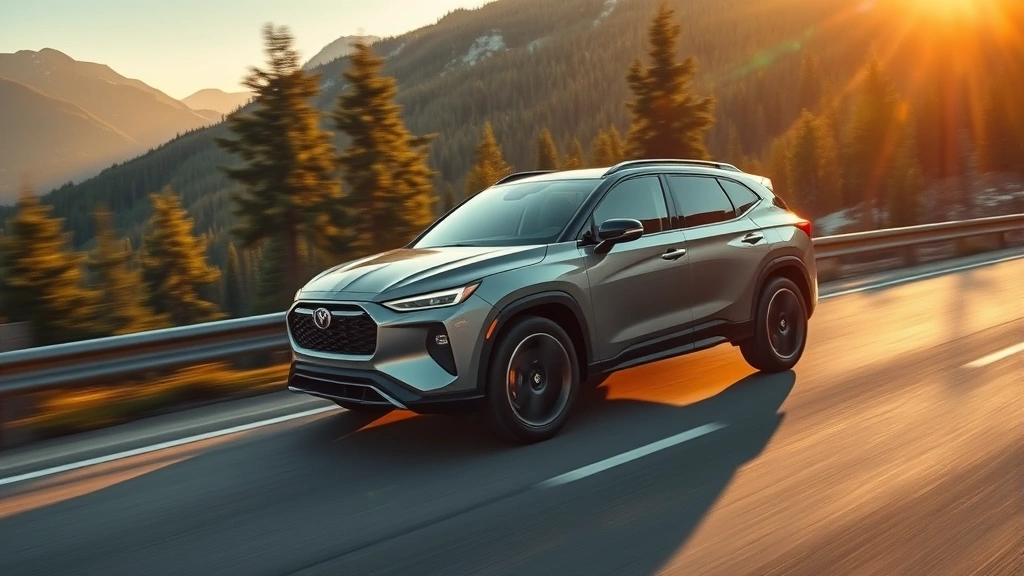
Top Gas Mileage SUVs: 2023 Rankings Inside
Finding the right SUV doesn’t mean sacrificing fuel efficiency or environmental responsibility. The 2023 model year brings exceptional options for eco-conscious drivers seeking vehicles that balance performance, space, and lower emissions. Whether you’re commuting daily or planning weekend adventures, today’s fuel-efficient SUVs deliver impressive mileage without compromising on capability.
As gas prices fluctuate and climate concerns grow, selecting a vehicle with superior fuel economy has become more important than ever. Modern SUVs now incorporate advanced engine technology, lightweight materials, and hybrid powertrains that significantly reduce fuel consumption compared to previous generations. This comprehensive guide explores the best gas mileage SUVs of 2023, helping you make an informed decision that aligns with both your budget and sustainability goals.
Understanding SUV Fuel Efficiency Standards
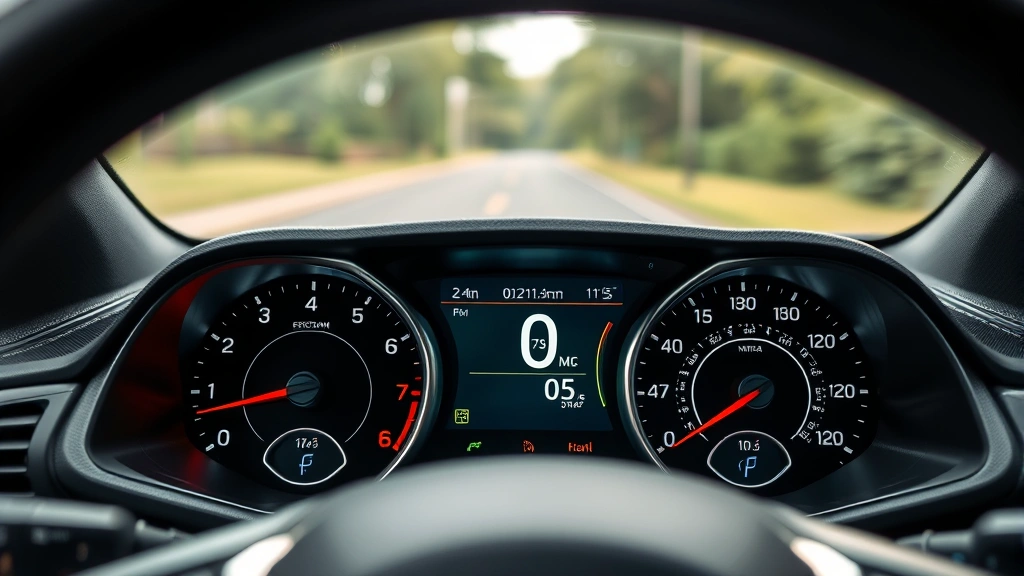
Modern fuel efficiency ratings stem from standardized testing conducted by the EPA’s fuel economy program, which measures miles per gallon (MPG) under controlled conditions. The EPA provides city, highway, and combined ratings that help consumers compare vehicles accurately. For SUVs, these metrics have become increasingly competitive as manufacturers invest in green technology innovations to meet stricter emissions standards.
The Corporate Average Fuel Economy (CAFE) standards require manufacturers to achieve specific fleet-wide fuel efficiency targets. This regulatory pressure has driven innovation across the industry, resulting in turbocharged engines, eight and ten-speed transmissions, and aerodynamic improvements that reduce drag. Understanding these standards helps you evaluate which vehicles truly deliver on efficiency promises.
SUV classifications range from compact to full-size, with smaller models naturally achieving better fuel economy. However, mid-size and larger SUVs have made remarkable strides, with many now achieving 25-30+ MPG combined ratings. This represents a significant advancement in automotive engineering and demonstrates that buyers no longer need to compromise on space for efficiency.

Top Fuel-Efficient SUVs for 2023
Subaru Crosstrek: Leading the compact SUV category, the 2023 Crosstrek achieves approximately 28 MPG combined with its efficient naturally aspirated engine. Its all-wheel-drive standard configuration and spacious interior make it ideal for families seeking reliability and economy. The Crosstrek’s unibody construction and refined suspension system contribute to its impressive efficiency ratings without sacrificing ride quality.
Toyota RAV4: The RAV4 remains a benchmark for mid-size SUV efficiency, achieving around 28-32 MPG combined depending on configuration. Its proven reliability, strong resale value, and available hybrid powertrain make it an excellent investment. The RAV4 hybrid variant pushes efficiency even further, demonstrating Toyota’s commitment to sustainable driving solutions.
Honda CR-V: Honda’s popular crossover achieves approximately 28-33 MPG combined, with the hybrid model reaching even higher efficiency levels. The CR-V’s spacious cargo area, comfortable seating, and intuitive controls appeal to practical buyers prioritizing both economy and functionality. Its turbocharged engine option provides an excellent balance between power and fuel consumption.
Mazda CX-5: Known for engaging driving dynamics, the CX-5 delivers around 26-28 MPG combined while maintaining premium interior quality. Mazda’s sustainable energy solutions approach includes lightweight construction and efficient fuel injection systems. The CX-5 proves that efficiency doesn’t require sacrificing driving enjoyment.
Hyundai Santa Fe: This three-row SUV achieves approximately 26-28 MPG combined, offering excellent value and warranty coverage. Hyundai’s turbocharged engine technology delivers power when needed while maintaining reasonable fuel consumption. The Santa Fe’s spacious interior and advanced features make it attractive to families seeking budget-conscious efficiency.
Kia Sorento: The Sorento achieves similar efficiency to its Hyundai counterpart at around 26-29 MPG combined. Its sophisticated design, quality interior materials, and comprehensive warranty program appeal to discerning buyers. Kia’s commitment to renewable energy exploration extends to their vehicle lineup with increasingly efficient powertrains.
Ford Escape: Ford’s compact SUV achieves approximately 26-28 MPG combined with its EcoBoost turbocharged engines. The Escape offers multiple powertrain options, including a plug-in hybrid variant for those seeking maximum efficiency. Its spacious interior and advanced technology features make it competitive in the crowded compact SUV segment.
Hybrid and Electric SUV Alternatives
For drivers prioritizing maximum efficiency, hybrid SUVs represent an excellent middle ground between traditional gasoline vehicles and fully electric models. Electric vehicles advantages include zero tailpipe emissions and lower operating costs, while hybrids combine electric motors with gasoline engines for extended range and flexibility.
The Toyota RAV4 Prime plug-in hybrid achieves remarkable efficiency, with EPA ratings exceeding 100 MPGe combined. Its 42-mile all-electric range covers most daily commutes entirely emission-free, while the gasoline engine ensures unlimited range for longer trips. This hybrid approach maximizes environmental benefits while maintaining practical versatility.
The Lexus NX 450h+ offers luxury-class efficiency with its plug-in hybrid system. With similar electric range and impressive efficiency ratings, it caters to upscale buyers seeking performance and environmental responsibility. Lexus’s hybrid expertise spans decades, ensuring refined integration of electric and gasoline powertrains.
For fully electric options, the Tesla Model Y and Volkswagen ID.4 deliver exceptional efficiency ratings exceeding 120 MPGe. These vehicles eliminate fuel consumption entirely, though they require access to charging infrastructure. As charging networks expand, electric SUVs become increasingly practical for diverse driving patterns.
The Hyundai Ioniq 5 represents next-generation electric SUV design with impressive range, rapid charging capabilities, and spacious interior. Its efficiency and technology features make it appealing to early EV adopters seeking cutting-edge performance.
Factors Affecting Gas Mileage
Engine Size and Type: Smaller, turbocharged engines typically deliver better fuel economy than naturally aspirated counterparts of similar power output. Engine displacement, valve timing, and fuel injection precision all influence consumption rates. Modern variable valve timing systems optimize combustion efficiency across different driving conditions.
Transmission Technology: Modern eight, nine, and ten-speed transmissions maintain engines in optimal RPM ranges, significantly improving efficiency compared to older six-speed designs. Continuously variable transmissions (CVTs) smooth acceleration while maintaining fuel economy. Automatic transmissions with torque converters have become increasingly sophisticated in managing power delivery efficiently.
Vehicle Weight: Heavier vehicles require more energy to accelerate and maintain speed, directly impacting fuel consumption. Manufacturers use aluminum, carbon fiber, and high-strength steel to reduce weight while maintaining structural integrity. Every pound saved translates to improved efficiency without sacrificing safety or comfort.
Aerodynamics: Vehicle shape and design significantly affect wind resistance at highway speeds. Modern SUVs feature refined bodywork, integrated spoilers, and underbody panels that reduce drag coefficients. Wind tunnel testing and computational fluid dynamics enable engineers to optimize aerodynamic efficiency without compromising aesthetic appeal.
Tire Selection: Low-rolling-resistance tires reduce friction between rubber and pavement, improving fuel economy by 2-4%. Tire pressure directly affects rolling resistance; underinflated tires substantially increase fuel consumption. Choosing quality tires designed for efficiency maximizes mileage potential.
Driving Habits: Aggressive acceleration, excessive idling, and highway speeding dramatically reduce fuel economy. Smooth acceleration, maintaining steady speeds, and avoiding unnecessary cargo weight preserve efficiency. Energy conservation practices extend beyond home efficiency to driving behaviors.
Tips for Maximizing Fuel Economy
Regular Maintenance: Keeping your SUV properly maintained ensures peak efficiency. Fresh oil, clean air filters, and properly functioning fuel injectors optimize combustion. Spark plugs worn beyond their lifespan reduce efficiency noticeably. Follow manufacturer maintenance schedules religiously to preserve fuel economy.
Tire Pressure Management: Check tire pressure monthly and before long trips. Underinflated tires increase rolling resistance exponentially. Many modern vehicles feature tire pressure monitoring systems; however, manual verification ensures accuracy. Proper inflation improves fuel economy while extending tire lifespan and enhancing safety.
Remove Unnecessary Weight: Every 100 pounds of cargo reduces fuel economy by approximately 1%. Roof racks and cargo carriers increase aerodynamic drag substantially, reducing efficiency by 5-15% depending on highway speeds. Remove items when not actively needed for trips.
Plan Efficient Routes: Combining errands into single trips reduces overall mileage and fuel consumption. Traffic congestion dramatically impacts efficiency; using navigation apps to identify less congested routes saves fuel while reducing stress. Highway driving typically achieves better efficiency than city driving due to consistent speeds.
Maintain Steady Speeds: Rapid acceleration and braking waste fuel significantly. Maintaining consistent highway speeds, especially between 45-65 mph, optimizes efficiency. Cruise control helps maintain steady speeds on highway drives, reducing fuel consumption compared to manual speed management.
Monitor Fuel Quality: Using the recommended fuel grade ensures optimal engine performance. Premium fuel offers no efficiency advantage in vehicles designed for regular unleaded. Some vehicles achieve better results with Top Tier gasoline containing enhanced detergents that maintain fuel injector cleanliness.
Environmental Impact of Efficient SUVs
Selecting fuel-efficient SUVs directly reduces carbon dioxide emissions, the primary greenhouse gas driving climate change. The Carbon Trust estimates that transportation accounts for approximately 27% of global greenhouse gas emissions. Choosing vehicles with superior fuel economy meaningfully contributes to climate change mitigation.
Efficient SUVs reduce air pollution in urban areas, improving public health outcomes. Nitrogen oxides and particulate matter from vehicle emissions contribute to respiratory diseases, asthma, and cardiovascular problems. Lower fuel consumption directly reduces these harmful emissions, benefiting communities near highways and urban centers.
The manufacturing process for efficient vehicles with advanced powertrains does involve higher initial carbon emissions compared to conventional vehicles. However, these emissions are recovered through fuel savings within 1-3 years of typical driving, after which the efficient vehicle maintains an environmental advantage throughout its lifespan.
Supporting efficient vehicle adoption encourages manufacturers to invest further in sustainable technology development. Market demand for fuel-efficient models signals commitment to environmental responsibility, influencing corporate investment in natural gas news and alternative fuel exploration. Consumer choices collectively shape the automotive industry’s environmental trajectory.
Transitioning to efficient or electric SUVs reduces dependence on fossil fuels, enhancing energy independence and supporting renewable energy development. As electricity grids incorporate more renewable sources, electric vehicles become progressively cleaner over their operational lifespans. Choosing efficient vehicles today accelerates the transition toward sustainable transportation systems.
FAQ
What is considered good gas mileage for an SUV?
For 2023 models, combined ratings of 26+ MPG represent excellent efficiency for mid-size SUVs, while compact models achieving 28+ MPG are considered outstanding. Full-size SUVs reaching 22+ MPG demonstrate good efficiency given their size and weight. Hybrid models significantly exceed these benchmarks, often achieving 35-50+ MPG combined.
Are hybrid SUVs worth the premium cost?
Hybrid SUVs typically cost $3,000-$8,000 more upfront but recover this investment through fuel savings over 5-7 years depending on driving patterns and fuel prices. Hybrid buyers also benefit from potential tax incentives, reduced maintenance costs on brakes and engines, and improved resale value. For high-mileage drivers, hybrids offer excellent financial returns.
How do I improve my SUV’s fuel economy?
Maintain proper tire pressure, remove unnecessary cargo weight, follow recommended maintenance schedules, drive at consistent speeds, and avoid aggressive acceleration. Regular oil changes, clean air filters, and quality fuel contribute significantly to efficiency. These practices collectively improve fuel economy by 5-15%.
Which SUVs have the best long-term reliability?
Toyota, Lexus, Honda, and Subaru consistently rank highest for reliability across independent ratings. These manufacturers’ commitment to quality manufacturing and design ensures their efficient SUVs maintain performance and efficiency throughout extended ownership periods. Checking reliability ratings from Consumer Reports and JD Power helps identify dependable models.
Should I consider electric SUVs instead of gas-powered models?
Electric SUVs offer zero tailpipe emissions and lower operating costs but require access to charging infrastructure. For daily commutes under 200 miles with home charging capability, electric SUVs prove excellent choices. Those requiring frequent long-distance travel may prefer efficient gasoline or plug-in hybrid models for practical flexibility.
What’s the difference between EPA combined and real-world fuel economy?
EPA ratings reflect controlled laboratory testing conditions. Real-world economy typically runs 15-25% lower depending on driving habits, traffic conditions, and terrain. Aggressive driving, highway speeds above 65 mph, and cold weather significantly reduce actual efficiency compared to EPA estimates. Adopting efficient driving practices narrows this gap substantially.


