
Is a Gas Furnace Efficient? Energy Expert Explains
When winter temperatures drop, homeowners face a critical question: how efficient is my gas furnace, and should I consider alternatives? Gas furnaces have dominated residential heating for decades, but efficiency ratings, operating costs, and environmental impact vary dramatically across models and installation practices. Understanding furnace efficiency isn’t just about comfort—it’s about making informed decisions that affect your energy bills, carbon footprint, and home value.
Modern gas furnaces operate at efficiency levels ranging from 78% to over 98%, measured by Annual Fuel Utilization Efficiency (AFUE). However, raw efficiency numbers tell only part of the story. This comprehensive guide explores what makes gas furnaces efficient or inefficient, how they compare to sustainable energy solutions, and what homeowners should know before investing in heating systems.
Understanding Gas Furnace Efficiency Ratings
Gas furnace efficiency represents the percentage of fuel energy converted into usable heat for your home. A furnace rated at 95% AFUE means 95 cents of every dollar spent on natural gas becomes heat, while 5 cents escapes through exhaust and other losses. This metric revolutionized how consumers compare heating equipment, yet many homeowners misunderstand what these numbers actually mean in practice.
The efficiency landscape has transformed dramatically over the past two decades. Furnaces manufactured before 2000 typically operated at 65-75% efficiency—meaning substantial energy waste. Today’s standard furnaces achieve 80-85% efficiency, while premium high-efficiency models reach 95-98%. This progression reflects advances in combustion technology, heat exchanger design, and blower motor efficiency. Understanding whether natural gas is renewable helps contextualize why efficiency matters for sustainability.
Efficiency ratings become particularly important when considering replacement costs. A high-efficiency furnace might cost $3,000-5,000 more than a mid-range model, but operational savings can recover this investment within 5-10 years, depending on climate and usage patterns.

How AFUE Ratings Work
AFUE (Annual Fuel Utilization Efficiency) testing occurs under laboratory conditions designed to simulate typical heating seasons. Engineers measure the energy input from natural gas and the heat output delivered to homes, accounting for startup losses, cycling inefficiencies, and standby losses. The resulting percentage provides standardized comparison across brands and models.
Minimum Efficiency Standards: The U.S. Department of Energy established minimum AFUE requirements of 78% for most regions and 80% for high-altitude areas. These baselines ensure even budget-friendly furnaces meet reasonable efficiency thresholds, though manufacturers frequently exceed minimums to remain competitive.
Testing Methodology: AFUE testing doesn’t account for installation quality, ductwork efficiency, or thermostat programming—real factors that dramatically impact actual performance. A perfectly efficient furnace loses effectiveness when paired with leaky ducts or poor insulation. This distinction between rated and actual efficiency explains why some homeowners see disappointing results despite purchasing premium equipment.
The Energy Star program identifies furnaces exceeding federal minimums, typically those rated 90% AFUE or higher. Energy Star certification doesn’t guarantee savings but indicates manufacturers prioritized efficiency in design and manufacturing.
Factors Affecting Real-World Performance
Laboratory efficiency ratings provide baseline expectations, but actual furnace performance depends on numerous variables homeowners often overlook. Recognizing these factors helps explain discrepancies between rated and experienced efficiency.
Installation Quality: Professional installation dramatically impacts furnace efficiency. Improper ductwork connections, inadequate ventilation, or incorrect thermostat calibration can reduce effective efficiency by 10-20%. Technicians must ensure proper airflow, combustion air supply, and exhaust venting to achieve rated performance levels.
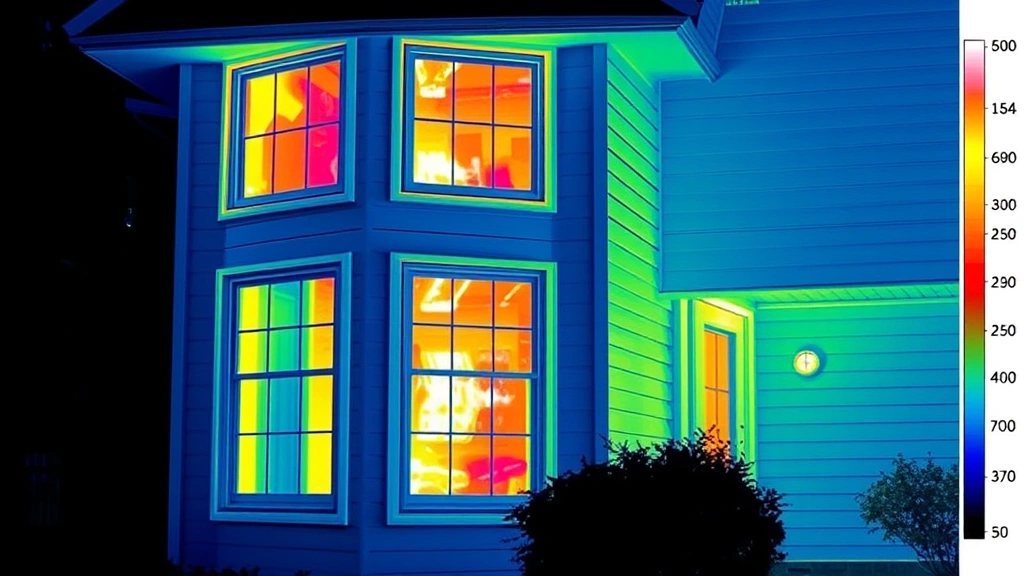
Ductwork Condition: Even high-efficiency furnaces suffer when ductwork contains leaks, poor insulation, or design flaws. Studies show typical homes lose 15-30% of heated air through duct leakage. Sealing and insulating ducts often provides better returns on investment than furnace replacement alone.
Thermostat Programming: Smart thermostat use dramatically improves efficiency. Programmable thermostats can reduce heating costs 10-15% by automatically lowering temperatures during sleep hours and when homes are unoccupied. Older manual thermostats encourage wasteful heating patterns.
Climate and Weather: Furnace efficiency varies seasonally. During mild winters, furnaces cycle more frequently, increasing startup losses. Severe cold snaps require continuous operation, improving efficiency by reducing cycling frequency. Regional climate significantly influences annual savings calculations.
Furnace Age and Maintenance: Well-maintained furnaces operate at rated efficiency levels for 15-20 years. Neglected furnaces decline 5% efficiency annually due to dust accumulation, combustion chamber deposits, and blower motor degradation. Annual professional maintenance preserves efficiency and extends equipment life.
Fuel Quality and Supply: Natural gas quality affects combustion efficiency. Moisture or contaminants in gas lines reduce efficiency slightly. Additionally, gas pressure fluctuations can impact burner performance, though this rarely affects residential systems significantly.
Gas Furnaces vs. Heat Pumps
Comparing gas furnaces to heat pump alternatives requires understanding fundamental operational differences. While furnaces generate heat through combustion, heat pumps transfer existing heat from outdoor air, ground, or water sources. This distinction creates dramatically different efficiency profiles and environmental implications.
Efficiency Comparison: Gas furnaces achieve 80-98% AFUE, converting fuel to heat relatively directly. Heat pumps operate at 2.0-4.0 Coefficient of Performance (COP), meaning they deliver 2-4 units of heat for every unit of electricity consumed. In moderate climates, heat pumps often prove more efficient than gas furnaces, particularly when powered by renewable electricity.
Cold Climate Performance: Gas furnaces maintain consistent output regardless of outdoor temperature. Heat pumps struggle in extreme cold, requiring supplemental electric heating that reduces overall efficiency. In regions with harsh winters, gas furnaces often outperform heat pumps unless backed-up by efficient supplemental systems.
Environmental Impact: This comparison depends heavily on regional electricity sources. In areas powered primarily by renewable energy, heat pumps offer superior environmental performance. Regions relying on natural gas or coal generation may see comparable or worse emissions from heat pump systems compared to efficient gas furnaces.
The transition toward cleaner heating involves exploring sustainable energy solutions tailored to your climate and infrastructure. Hybrid systems combining gas furnaces with heat pumps increasingly offer optimal efficiency across all seasons.
Environmental Impact Considerations
Gas furnace efficiency directly influences household carbon emissions. A 95% AFUE furnace generates approximately 40% fewer emissions than a 78% AFUE model over its lifetime, assuming identical heating demands. This environmental advantage compounds across millions of homes, making efficiency improvements a significant climate mitigation strategy.
Natural Gas and Climate: While more efficient than coal or oil heating, natural gas combustion still produces CO₂ emissions—roughly 5.3 pounds per thousand BTU. Understanding natural gas news and developments helps homeowners track the energy landscape’s evolution toward cleaner alternatives.
Methane Leakage: Upstream natural gas production, processing, and distribution involve methane leakage—a potent greenhouse gas 80-86 times more impactful than CO₂ over 20 years. Some analyses suggest methane leakage reduces natural gas’s climate benefits by 25-50% compared to combustion emissions alone. This hidden environmental cost rarely appears in efficiency discussions but significantly affects overall sustainability calculations.
Lifecycle Emissions: Manufacturing high-efficiency furnaces requires more materials and energy than standard models. However, operational energy savings typically offset manufacturing impacts within 2-3 years, creating net environmental benefits for the equipment’s 15-20 year lifespan.
Homeowners committed to reducing environmental footprint should prioritize furnace efficiency while exploring renewable heating alternatives like solar thermal systems or heat pumps powered by clean electricity.
The EPA’s climate resources provide detailed information about residential heating’s environmental impact and pathways toward cleaner alternatives.
Cost-Benefit Analysis
Furnace purchasing decisions ultimately hinge on financial mathematics. Calculating true costs requires comparing equipment prices, installation expenses, operational savings, and equipment lifespan—not just upfront expenditure.
Equipment Costs: Mid-range gas furnaces rated 80-85% AFUE cost $1,500-2,500 installed. High-efficiency models (95-98% AFUE) range $3,500-5,500. This $1,000-3,000 premium challenges budget-conscious homeowners, particularly during emergency replacements.
Annual Operating Costs: A 95% AFUE furnace saves approximately $150-300 annually compared to an 80% AFUE model in average climates, assuming identical heating demands. Regional natural gas prices significantly affect actual savings—expensive markets see faster payback periods than areas with cheap gas.
Payback Period: Dividing equipment premium by annual savings yields payback periods typically ranging 5-15 years. Furnaces lasting 15-20 years mean high-efficiency models deliver substantial lifetime value despite higher initial costs. Shorter payback periods occur in cold climates with expensive natural gas.
Tax Incentives and Rebates: Federal tax credits, state rebates, and utility incentive programs often offset 10-25% of high-efficiency furnace costs. These programs vary by location and change annually, making research essential before purchasing. Some utilities offer rebates exceeding $500 for ENERGY STAR certified furnaces.
Hidden Costs: Installation complexity affects total expenses. Converting from oil to gas heating requires new gas lines and venting modifications, adding $1,000-3,000. Ductwork upgrades often cost $2,000-5,000 but dramatically improve system efficiency. Smart thermostats ($200-400) provide relatively quick payback through efficiency gains.
Improving Your Current Furnace Efficiency
Furnace replacement represents substantial investment. Before replacing perfectly functional equipment, homeowners should explore efficiency improvements maximizing current system performance.
Maintenance: Annual professional maintenance preserves furnace efficiency, typically costing $100-200. Technicians clean burners, inspect heat exchangers, lubricate motors, and verify combustion efficiency. This prevents efficiency decline and catches problems before they become expensive repairs.
Filter Replacement: Clogged air filters reduce airflow, forcing furnaces to work harder. Replacing filters every 1-3 months (depending on type and household conditions) maintains optimal performance. MERV-rated filters balance efficiency with air quality improvements.
Ductwork Sealing: Professional duct sealing costs $500-1,500 but recovers investments through improved efficiency. Homeowners can perform basic sealing with mastic sealant or duct tape (though duct tape degrades over time), addressing visible leaks around connections.
Insulation Improvements: Upgrading home insulation, particularly in attics and basements, reduces furnace workload. Better-insulated homes maintain temperatures longer, requiring less heating and improving overall efficiency. Insulation improvements also enhance cooling efficiency during summer months.
Smart Thermostats: Programmable and smart thermostats enable precise temperature scheduling, reducing unnecessary heating. Learning thermostats adapt to occupancy patterns, further optimizing energy use. These devices typically cost $200-400 but deliver 10-15% efficiency gains.
Weatherization: Sealing air leaks around windows, doors, and penetrations prevents heated air escape. Weatherstripping and caulking cost minimal amounts but significantly reduce heating demands. Proper weatherization can improve furnace efficiency 5-10% by reducing conditioned space volume.
Future of Home Heating
Gas furnace technology continues improving, but future heating likely emphasizes renewable and electric solutions. Understanding emerging technologies helps homeowners make decisions aligned with long-term sustainability goals.
Hybrid Systems: Combining gas furnaces with heat pumps optimizes efficiency across temperature ranges. Heat pumps handle moderate heating demands efficiently, while furnaces activate only during extreme cold. These systems improve efficiency 20-30% compared to furnaces alone while maintaining reliability in harsh climates.
Electric Heat Pumps: Advancing heat pump technology increasingly delivers reliable cold-climate performance. Modern cold-climate heat pumps maintain efficiency at temperatures below -10°F, expanding viability beyond traditional heat pump regions. As electricity grids decarbonize, heat pump environmental advantages intensify.
Solar Thermal Systems: Combining high-efficiency furnaces with solar thermal collectors reduces reliance on purchased fuel. These systems prove particularly effective in sunny climates, though they require significant upfront investment and roof space.
Hydrogen Heating: Emerging hydrogen fuel blending in natural gas infrastructure could reduce carbon emissions 5-10% without equipment changes. Future furnaces designed specifically for pure hydrogen combustion could eliminate fossil fuel heating entirely, though hydrogen production currently relies heavily on natural gas.
Exploring green technology innovations reveals exciting possibilities transforming residential heating. The transition requires coordinated efforts across manufacturing, infrastructure, and policy domains.
The U.S. Department of Energy’s furnace guide provides comprehensive information about efficiency standards and emerging technologies.
FAQ
What AFUE rating should I target when replacing my furnace?
Target minimum 90% AFUE for climates with moderate heating demands, or 95%+ AFUE for cold regions where furnaces run extensively. High-efficiency models deliver better returns in expensive natural gas markets. Consider your climate, gas prices, and expected equipment lifespan when deciding.
Can I improve my old furnace’s efficiency without replacement?
Yes. Annual maintenance, filter replacement, ductwork sealing, and smart thermostat installation improve efficiency significantly without furnace replacement. These improvements often cost $1,000-2,000 total but extend furnace life and reduce operating costs.
How much money will I save upgrading to a high-efficiency furnace?
Annual savings depend on climate, gas prices, and heating demands. Typical savings range $150-400 annually when upgrading from 80% to 95% AFUE furnaces. Cold climates with expensive gas see higher savings; mild climates with cheap gas see minimal returns.
Are gas furnaces better than heat pumps?
It depends on climate and electricity sources. Gas furnaces excel in extreme cold and regions with expensive electricity. Heat pumps offer superior efficiency in moderate climates, particularly where electricity comes from renewable sources. Hybrid systems often provide optimal performance across all conditions.
What’s the lifespan of a modern gas furnace?
Well-maintained gas furnaces typically last 15-20 years. Annual professional maintenance, filter replacement, and prompt repair of problems extend lifespan. Furnaces in dusty environments or with poor maintenance may fail after 10-12 years.
How do I know if my furnace is operating efficiently?
Professional combustion analysis measures actual efficiency, typically costing $100-200. Annual maintenance visits include efficiency checks. Unusually high heating bills or uneven home temperatures suggest declining efficiency requiring professional evaluation.
Will a new furnace reduce my carbon footprint significantly?
Upgrading from an old, inefficient furnace to a modern high-efficiency model reduces heating emissions 30-40%. Switching to heat pumps or renewable heating systems reduces emissions further, but furnace efficiency improvements represent meaningful progress toward climate goals.
What financing options exist for furnace upgrades?
Many utilities offer rebate programs covering 15-25% of high-efficiency furnace costs. Federal tax credits (when available) provide additional support. HVAC contractors often partner with financing companies offering 0% interest terms for 12-36 months, making upgrades more affordable.


