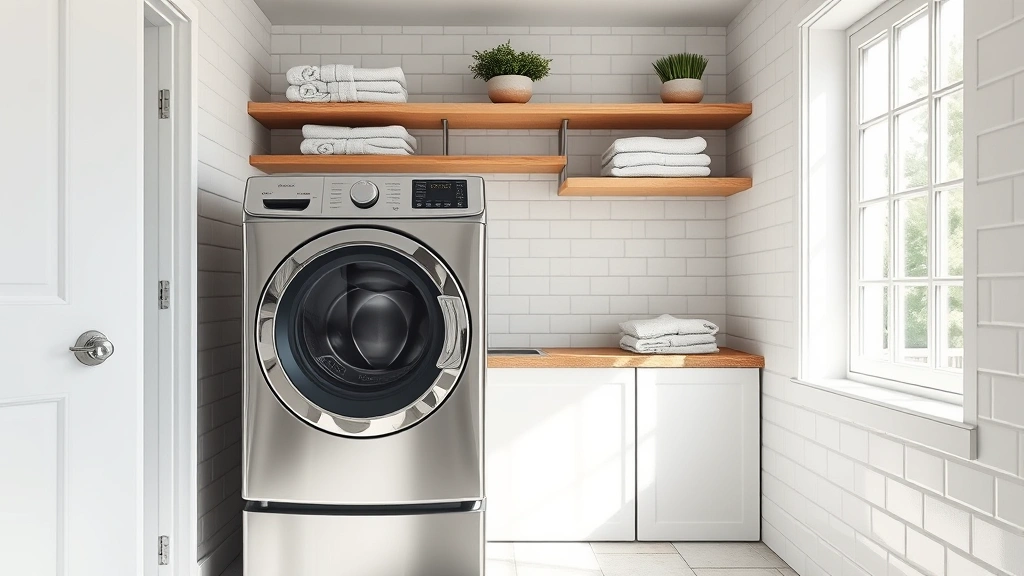
Gas Dryers: Eco-Friendly Option? Pros & Cons
When it comes to household appliances, gas dryers have long been a popular choice for their speed and efficiency. But in an era of heightened environmental awareness, many homeowners are asking whether gas dryers truly qualify as an eco-friendly option. The answer is nuanced—gas dryers offer distinct advantages over their electric counterparts in some areas, yet present environmental challenges in others. Understanding both sides of this debate is essential for making an informed decision that aligns with your sustainability goals.
Gas dryers operate by burning natural gas to generate heat, which dries clothes significantly faster than electric dryers. This efficiency translates to lower energy consumption per load, a compelling argument for environmentally conscious consumers. However, the source of that natural gas—and the emissions produced during combustion—raises important questions about their overall environmental impact. This comprehensive guide explores the pros and cons of gas dryers, helping you determine whether they fit your eco-friendly lifestyle.

How Gas Dryers Work
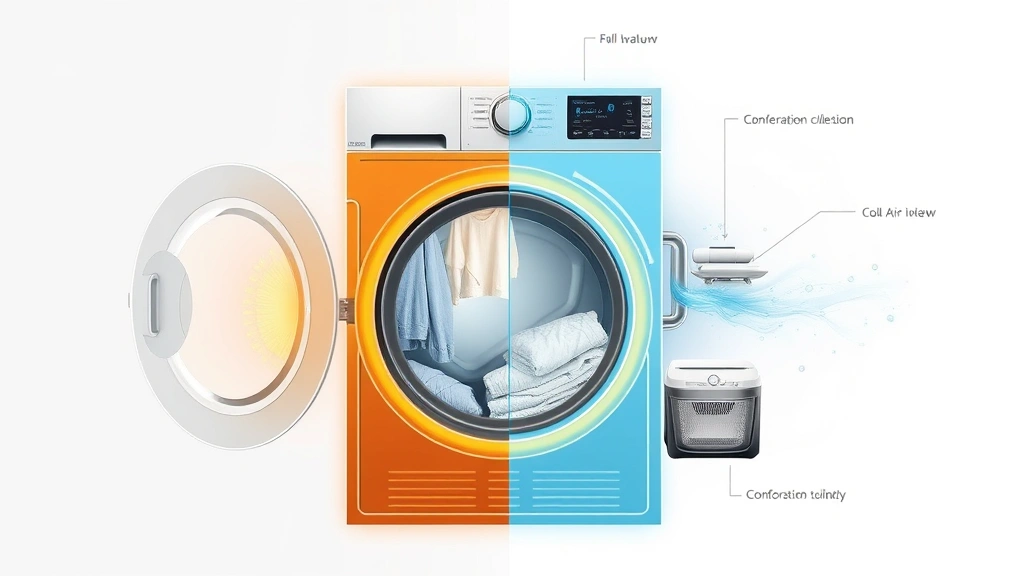
Gas dryers function by igniting natural gas in a burner chamber to create heat. This heat is then circulated through a rotating drum containing wet clothes, evaporating moisture and drying fabrics efficiently. The process is remarkably straightforward: a thermostat monitors temperature, the burner ignites when needed, and a blower pushes hot air through the drum while a vent expels moist air outside.
The fundamental difference from electric dryers lies in the heat source. While electric dryers use heating elements powered by electricity, gas dryers convert chemical energy from natural gas directly into heat. This direct conversion process is inherently more efficient, requiring less total energy input to achieve the same drying results. Understanding this mechanism helps explain why gas dryers have maintained their market share despite the rise of alternative technologies.
Modern gas dryers include safety features such as thermal fuses, flame sensors, and automatic shut-off systems. These components ensure the appliance operates safely while minimizing waste. The efficiency of gas dryers has improved significantly over the past decade, with newer models incorporating advanced moisture sensors that optimize drying times and reduce unnecessary heat exposure.
Energy Efficiency Advantages
One of the most compelling arguments for gas dryers is their superior energy efficiency compared to traditional electric dryers. Gas dryers typically use approximately 30-40% less energy than electric dryers, translating to meaningful savings on utility bills and reduced overall energy consumption. This efficiency advantage stems from the direct heat generation method, which eliminates conversion losses associated with electric resistance heating.
For households doing multiple loads of laundry weekly, this efficiency compounds significantly. A family washing clothes three times per week could save 100-150 kilowatt-hours annually by switching from an electric to a gas dryer. Over a dryer’s typical 10-15 year lifespan, this represents substantial cumulative savings. The faster drying times of gas dryers mean clothes spend less time in the machine, reducing fabric wear and extending garment longevity—an often-overlooked sustainability benefit.
When evaluating sustainable energy solutions, gas dryers demonstrate measurable efficiency metrics. Most modern gas dryers achieve Energy Star certification, indicating they meet strict efficiency standards set by the EPA. These certified models use approximately 20% less energy than standard models, making them increasingly attractive to environmentally conscious consumers seeking to minimize household energy consumption.
The efficiency advantage becomes even more pronounced in regions where electricity is generated primarily from fossil fuels. In areas relying heavily on coal or natural gas power plants, the centralized inefficiencies of electric generation mean gas dryers represent a net energy advantage. However, in regions with substantial renewable energy infrastructure, this advantage diminishes considerably.
Environmental Impact Concerns
Despite their energy efficiency, gas dryers present significant environmental challenges that cannot be overlooked. The primary concern involves the nature of natural gas itself. Is natural gas renewable? The answer is definitively no—natural gas is a fossil fuel formed from ancient organic matter, making it a finite, non-renewable resource. Every time a gas dryer operates, it depletes these limited reserves and contributes to our continued dependence on fossil fuel infrastructure.
Natural gas extraction and transportation present additional environmental concerns. Methane leakage during drilling, processing, and pipeline transport contributes to greenhouse gas emissions. Methane is approximately 84-86 times more potent than carbon dioxide over a 20-year period, meaning even small leakage rates can significantly impact climate change. Some studies suggest 2-7% of natural gas escapes before reaching consumers, representing substantial unaccounted emissions.
The combustion of natural gas in gas dryers produces carbon dioxide and other greenhouse gases directly in your home. While the quantity per load is relatively modest, the cumulative impact across millions of households worldwide is substantial. Additionally, gas dryers release nitrogen oxides and particulate matter, contributing to indoor air quality degradation and outdoor air pollution in neighborhoods with high concentrations of gas appliances.
Environmental advocates also raise concerns about the continued expansion of natural gas infrastructure. Investing in gas dryers perpetuates demand for natural gas, supporting infrastructure development and fossil fuel dependency. This locks in long-term reliance on non-renewable resources when alternatives exist. The environmental impact must be considered not just in immediate operational emissions, but in the broader energy system implications of widespread gas dryer adoption.
Cost Comparison with Electric Dryers
From a financial perspective, gas dryers typically offer superior long-term value despite often higher upfront costs. Gas dryers range from $600-$1,200, while comparable electric models cost $500-$900. However, the operational cost savings quickly offset this initial premium. Average annual operating costs for gas dryers range from $30-$50, compared to $60-$100 for electric dryers, depending on local utility rates and usage patterns.
Over a 12-year dryer lifespan, a gas dryer could save $400-$800 in operational costs—a significant return on the initial investment premium. Natural gas rates typically remain more stable and predictable than electricity rates, providing better long-term cost forecasting. In regions with low natural gas prices, the financial advantage of gas dryers becomes even more compelling.
However, cost comparisons must account for regional variations in utility pricing. In areas where electricity is generated primarily from renewable sources and priced competitively, electric dryers may offer comparable or superior long-term costs. Additionally, heat pump dryers—an emerging technology—offer operational costs comparable to gas dryers while providing superior environmental benefits. When considering how to reduce your environmental footprint, total cost of ownership must balance financial and environmental factors.
Installation costs also differ between gas and electric dryers. Gas dryer installation requires professional venting and gas line connections, adding $200-$500 to initial setup costs. Electric dryers need only a standard outlet or dedicated circuit, simplifying installation. Maintenance costs are comparable, though gas dryers require periodic professional inspection to ensure safe operation.
Emissions and Carbon Footprint
Comprehensive lifecycle analysis reveals that gas dryers’ carbon footprint varies significantly based on regional electricity generation methods. In regions where electricity comes predominantly from renewable sources—wind, solar, hydroelectric—electric dryers produce substantially lower greenhouse gas emissions. Conversely, in areas relying heavily on coal or natural gas power plants, gas dryers may offer lower overall emissions despite direct combustion.
A typical household using a gas dryer generates approximately 0.5-0.7 tons of carbon dioxide equivalent annually from laundry drying alone. Electric dryers in coal-heavy regions produce similar or higher emissions, while electric dryers in renewable-rich regions produce 50-70% lower emissions. This geographic variation is crucial—the environmental case for gas dryers is strongest in fossil fuel-dependent regions and weakest where renewable energy is prevalent.
Natural gas extraction and processing contribute an additional 0.05-0.15 tons of CO2 equivalent annually per household, accounting for methane leakage and transportation emissions. This upstream carbon footprint is often invisible to consumers but represents a significant portion of gas dryers’ total environmental impact. When these upstream emissions are included, the overall carbon advantage of gas dryers diminishes considerably.
The natural gas news landscape increasingly focuses on methane emissions and climate implications. Recent research emphasizes the importance of reducing fossil fuel dependence, suggesting that even efficient gas dryers represent a net negative for climate goals. This growing scientific consensus suggests transitioning away from natural gas appliances, despite their operational efficiency advantages.
Comparative analysis shows heat pump dryers produce 40-60% lower emissions than both gas and conventional electric dryers in most regions. This emerging technology represents the most environmentally responsible choice for environmentally conscious consumers willing to invest in premium equipment. For those unable to switch immediately, understanding your regional energy mix helps determine whether gas or electric dryers represent the better short-term choice.
Safety and Maintenance Considerations
Gas dryers require proper installation and maintenance to operate safely. Professional installation ensures gas connections are secure, venting is appropriate, and combustion byproducts are safely expelled. Improper installation can lead to gas leaks, carbon monoxide accumulation, or fire hazards. Homeowners must ensure adequate ventilation and regular maintenance to prevent dangerous conditions.
Annual professional inspections are recommended for gas dryers to verify safe operation, check for gas leaks, and ensure proper combustion. This ongoing maintenance requirement adds to the total cost of ownership and represents a responsibility that electric dryers don’t impose. Neglecting maintenance can compromise safety and efficiency, potentially offsetting the dryer’s operational advantages.
Gas dryers produce carbon monoxide during combustion, making proper venting essential. Blocked or improperly installed vents can allow this toxic gas to accumulate indoors, creating serious health hazards. Families with young children, elderly members, or individuals with respiratory conditions should be particularly cautious about gas dryer safety. Regular vent cleaning and inspection prevents these dangerous scenarios.
Electric dryers, while lacking combustion hazards, present their own safety considerations including fire risks from lint accumulation and electrical hazards. Neither appliance type is inherently safer; proper maintenance and installation are critical regardless of fuel source. For families prioritizing safety, the minimal maintenance requirements and absence of combustion hazards associated with electric or heat pump dryers may prove decisive.
Sustainable Alternatives to Consider
For environmentally conscious households, several alternatives offer superior sustainability profiles compared to traditional gas dryers. Heat pump dryers represent the most promising technology, using significantly less energy than both gas and conventional electric dryers. These advanced appliances capture waste heat from air being expelled, recycling it to dry clothes more efficiently. Though more expensive ($1,500-$2,500), they offer dramatically lower operating costs and environmental impact.
Air drying clothes remains the most sustainable option, requiring zero energy input. Clotheslines, drying racks, and indoor drying methods eliminate operational emissions entirely. While time-intensive and weather-dependent, air drying extends garment lifespan, reduces microfiber shedding, and produces superior results for delicate items. Many sustainability advocates prioritize air drying whenever feasible, reserving machine drying for circumstances where it’s truly necessary.
Ventless condensing dryers offer an alternative to vented gas or electric dryers, requiring no external vent. These units capture moisture internally, reducing energy loss and providing flexibility in placement. While less common than traditional vented dryers, they represent a reasonable compromise for households unable to install proper venting. However, they typically consume more energy than vented models.
Exploring green technology innovations transforming our future reveals that laundry solutions are evolving rapidly. Emerging technologies including solar-powered dryers and advanced heat pump systems offer promising pathways toward truly sustainable clothes drying. Early adoption of these innovations, though expensive, supports market development and accelerates the transition away from fossil fuel dependence.
Communities focused on sustainability often embrace shared laundry facilities using efficient, well-maintained equipment. This approach distributes environmental impact across more households, reducing per-capita consumption. For apartment dwellers and those in community housing, advocating for high-efficiency shared laundry equipment represents an impactful sustainability choice.
FAQ
Are gas dryers more environmentally friendly than electric dryers?
The answer depends on your regional electricity source. In areas with renewable energy infrastructure, electric dryers are more environmentally friendly. In fossil fuel-dependent regions, gas dryers may offer slight environmental advantages due to superior efficiency, though both represent fossil fuel consumption. Heat pump dryers outperform both options in most regions.
Do gas dryers use less energy than electric dryers?
Yes, gas dryers typically use 30-40% less total energy than electric dryers due to more efficient heat generation. However, this doesn’t necessarily translate to lower environmental impact, as natural gas extraction and combustion produce greenhouse gases. Energy efficiency and environmental impact are related but distinct considerations.
What are the safety concerns with gas dryers?
Primary safety concerns include carbon monoxide accumulation from improper venting, gas leaks from faulty connections, and fire hazards from lint accumulation. Professional installation and annual maintenance are essential. Proper ventilation ensures combustion byproducts are safely expelled outdoors.
How much can I save with a gas dryer compared to an electric dryer?
Gas dryers typically cost $30-$50 annually to operate, compared to $60-$100 for electric dryers. Over a 12-year lifespan, savings range from $400-$800, offsetting the typical $100-$300 higher upfront cost. Savings vary based on local utility rates and usage patterns.
What’s the best eco-friendly drying alternative?
Heat pump dryers offer the best balance of convenience and environmental responsibility, using 40-60% less energy than traditional dryers. Air drying represents the most sustainable option but requires time and suitable conditions. For most households, upgrading to a heat pump dryer or combining air drying with occasional machine drying provides optimal sustainability.
Should I switch from an electric dryer to a gas dryer?
Consider your regional electricity sources and long-term sustainability goals. If your electricity comes from renewable sources, switching to gas represents a step backward environmentally. If electricity is fossil fuel-dependent, a gas dryer offers slight environmental advantages. Ideally, invest in a heat pump dryer or maximize air drying to achieve the best environmental outcomes.


