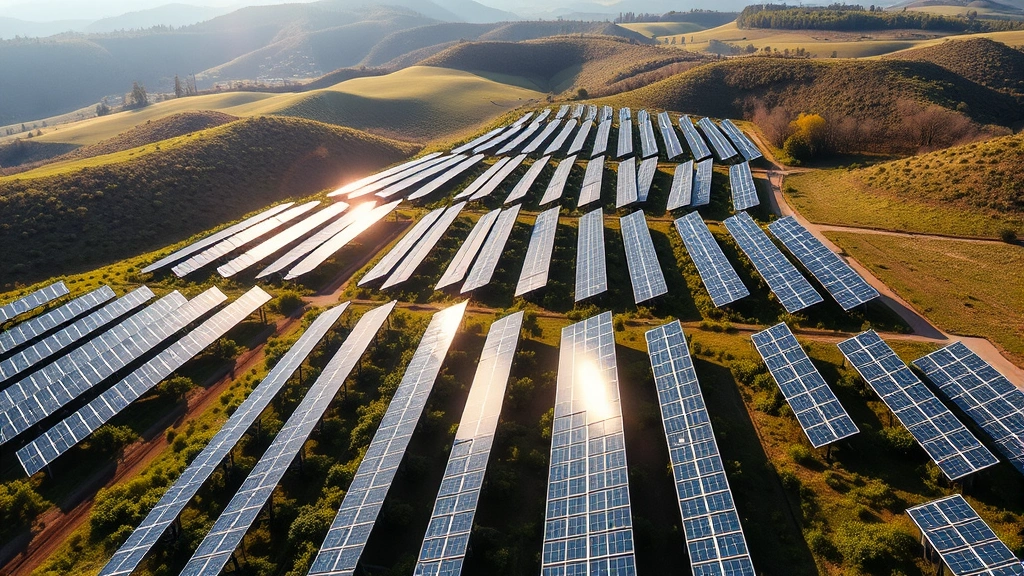
Gas Face Strain: Eco Impact Insights
The term “gas face strain” refers to the cumulative environmental and economic pressures created by our dependence on fossil fuel extraction, refinement, and combustion. This phenomenon encompasses the physical toll on landscapes, atmospheric damage from greenhouse gas emissions, and the strain on global energy infrastructure. Understanding gas face strain is critical for anyone concerned about reducing environmental footprint and building a sustainable future.
As societies worldwide grapple with climate change, air quality degradation, and resource depletion, the concept of gas face strain becomes increasingly relevant. The extraction and use of natural gas and petroleum products create visible scars on our planet while contributing invisibly to atmospheric warming. This comprehensive guide explores the multifaceted impacts of gas face strain, its connection to broader sustainability challenges, and practical pathways toward cleaner energy alternatives.

Understanding Gas Face Strain: Definition and Origins
Gas face strain represents the intersection of multiple environmental crises stemming from our reliance on fossil fuels. The phrase captures both literal facial expressions of concern and the metaphorical “strain” placed on planetary systems by carbon-intensive energy production. This concept emerged prominently in environmental discourse as scientists and activists sought to communicate the urgency of transitioning away from fossil fuels.
The strain manifests across three primary dimensions: extraction strain (the physical process of obtaining fossil fuels), processing strain (refining and preparing these fuels for use), and combustion strain (the environmental consequences of burning these fuels for energy). Each stage introduces distinct ecological challenges, from habitat destruction to air pollution.
Understanding whether natural gas is renewable is fundamental to grasping why gas face strain has become such a pressing concern. Natural gas, while cleaner than coal, remains a finite fossil fuel that contributes substantially to climate change through methane emissions.

Environmental Impact of Fossil Fuel Extraction
The extraction of fossil fuels creates profound environmental damage that extends far beyond the immediate drilling or mining site. Hydraulic fracturing (fracking) operations require enormous quantities of water mixed with chemicals, potentially contaminating groundwater supplies that communities depend upon for drinking and agriculture. The process generates wastewater containing radioactive materials and heavy metals that must be managed or disposed of, often creating additional environmental liabilities.
Mountaintop removal mining, primarily used for coal extraction in Appalachian regions, literally reshapes landscapes by removing hundreds of meters of rock to access coal seams. This practice destroys ecosystems, contaminates waterways with selenium and other toxic compounds, and eliminates habitats for countless species. The biodiversity loss extends across generations, as these landscapes require decades or centuries to recover naturally.
Oil and gas extraction operations fragment habitats, disrupting migration patterns for wildlife and isolating populations. The infrastructure required—pipelines, access roads, processing facilities—creates a network of disturbance across previously intact ecosystems. Wetlands and sensitive coastal zones face particular vulnerability, as offshore drilling operations risk catastrophic spills that devastate marine life and coastal economies.
Soil degradation represents another critical concern. Heavy machinery used in extraction compacts soil, reducing its capacity to support vegetation and store carbon. Chemical spills and improper waste disposal contaminate soil with petroleum hydrocarbons and heavy metals, rendering land unsuitable for agriculture or natural ecosystem recovery for extended periods.
Exploring sustainable energy solutions becomes essential when examining these extraction impacts, as renewable alternatives eliminate these landscape-scarring processes entirely.
Atmospheric and Climate Consequences
The combustion of fossil fuels releases carbon dioxide, the primary driver of anthropogenic climate change. Every gallon of gasoline burned, every cubic foot of natural gas consumed, and every ton of coal utilized contributes to atmospheric CO2 concentrations that have now exceeded 420 parts per million—levels not seen in millions of years.
Beyond carbon dioxide, fossil fuel combustion releases methane, a potent greenhouse gas with a global warming potential approximately 28-34 times greater than CO2 over a 100-year period. Natural gas infrastructure is particularly problematic, as methane leaks throughout the extraction, processing, and distribution system. Some estimates suggest that between 1-2% of natural gas escapes as methane, completely offsetting any climate benefits compared to coal in the short term.
Particulate matter and nitrogen oxides released during fuel combustion create tropospheric ozone and fine particulate pollution. These air pollutants don’t simply dissipate; they accumulate in the atmosphere and travel globally, affecting air quality thousands of kilometers from their emission sources. The EPA’s air quality standards exist precisely because of the documented health consequences of these emissions.
The atmospheric strain created by fossil fuel combustion disrupts climate patterns, intensifying extreme weather events including hurricanes, floods, droughts, and wildfires. These climate impacts themselves create cascading environmental damage: wildfires destroy forests and release stored carbon, droughts stress agricultural systems and water supplies, and flooding contaminates water sources with pollutants.
Methane emissions deserve particular attention within the gas face strain framework. Methane traps heat in the atmosphere more effectively than CO2 in the short term, making natural gas infrastructure a significant contributor to near-term climate warming. Reducing methane leakage and transitioning away from natural gas are therefore critical climate imperatives.
Economic Costs and Resource Depletion
While fossil fuels have powered economic development for centuries, the true economic costs of gas face strain extend far beyond the price at the pump. Economists increasingly recognize that conventional energy pricing fails to account for environmental externalities—the costs of pollution, climate damage, and resource depletion borne by society rather than energy producers.
Hidden costs include healthcare expenses from air pollution-related diseases, agricultural losses from soil contamination and changing precipitation patterns, infrastructure damage from extreme weather intensified by climate change, and the future costs of climate adaptation and mitigation. The International Monetary Fund estimates that fossil fuel subsidies (both direct and indirect, through underpriced environmental costs) exceed $7 trillion annually when accounting for unpriced emissions.
Resource depletion presents another economic reality often overlooked in short-term analyses. Fossil fuel reserves are finite; petroleum reserves at current extraction rates will deplete within decades, natural gas within a century. This depletion forces societies to continuously explore more extreme extraction methods—deeper offshore drilling, arctic exploration, tar sands development—each carrying greater environmental risk and higher extraction costs.
Stranded assets represent a growing economic concern as renewable energy becomes increasingly cost-competitive. Billions in fossil fuel infrastructure investments face the risk of becoming economically obsolete before their intended operational lifetime concludes. Communities and investors who fail to transition away from fossil fuel dependence face economic disruption as these assets lose value.
The economic case for green technology innovations grows stronger annually as renewable energy costs decline and the financial burden of climate damage escalates.
Health Effects on Communities
Gas face strain manifests directly in human health outcomes, particularly for communities adjacent to fossil fuel extraction and processing operations. Residents near fracking sites report elevated rates of respiratory illness, skin conditions, and neurological symptoms linked to air and water contamination. Children in these communities experience higher asthma rates and reduced lung function compared to children in unaffected areas.
Indoor air quality degradation represents another health pathway. Natural gas combustion in homes and buildings produces nitrogen dioxide and other pollutants that accumulate indoors, particularly in homes with poor ventilation. Studies demonstrate that children living in homes with gas stoves have significantly higher asthma prevalence compared to those in all-electric homes.
Water contamination from fossil fuel extraction creates acute and chronic health risks. Communities dependent on well water near fracking operations face potential exposure to methane, benzene, and other volatile organic compounds. Even when contamination doesn’t render water immediately unusable, chronic low-level exposure to petroleum hydrocarbons and heavy metals increases cancer risk and reproductive health problems.
The psychological and social health impacts merit equal consideration. Communities experiencing environmental injustice—disproportionately bearing the health burdens of fossil fuel infrastructure while receiving minimal economic benefits—experience elevated stress, depression, and social cohesion challenges. This environmental racism, wherein low-income communities and communities of color face concentrated pollution exposure, compounds health disparities.
Climate change itself directly threatens human health through heat-related illness, disease vector expansion, food security challenges, and mental health impacts from climate anxiety and climate-related disasters. The gas face strain concept encompasses this comprehensive health burden.
Transitioning to Sustainable Energy Solutions
Moving beyond gas face strain requires systematic transition toward renewable energy systems. Solar and wind power, now cost-competitive with fossil fuels in many markets, eliminate the extraction and combustion impacts entirely. Battery storage technology has advanced sufficiently to address intermittency concerns, with costs declining 89% over the past decade.
Geothermal energy provides reliable baseload power with minimal environmental impact, while hydroelectric systems can be designed with ecosystem considerations. Tidal and wave energy represent emerging technologies with tremendous potential in coastal regions. The technological foundation for a 100% renewable energy system already exists; implementation requires political will and investment.
Electric vehicle adoption addresses transportation sector emissions, which constitute approximately 27% of total greenhouse gas emissions in developed economies. As electricity grids incorporate increasing renewable capacity, transportation electrification delivers accelerating climate benefits.
Energy efficiency improvements in buildings, industry, and appliances reduce overall energy demand, lowering the renewable capacity required to meet societal needs. Weatherization, LED lighting, efficient HVAC systems, and industrial process improvements can reduce energy consumption by 20-30% without sacrificing comfort or productivity.
Circular economy principles—designing products for longevity, repairability, and recyclability—reduce the material throughput and associated extraction impacts. Transitioning from linear “take-make-waste” models toward circular systems fundamentally reduces environmental strain.
International frameworks including the UN Framework Convention on Climate Change and the Carbon Trust Standard provide roadmaps for comprehensive energy transition, while organizations like the International Energy Agency document pathways toward net-zero emissions.
Individual and Collective Action Steps
While systemic energy transition requires policy change and corporate investment, individuals possess significant power to reduce personal gas face strain. Reducing energy consumption through efficiency improvements—insulating homes, using programmable thermostats, choosing efficient appliances—directly decreases fossil fuel demand.
Transportation choices represent the highest-impact personal decision for most individuals. Shifting from personal vehicles to public transit, cycling, or walking eliminates emissions entirely for those trips. For necessary driving, electric vehicles deliver substantial lifetime emissions reductions compared to gasoline vehicles, even accounting for electricity generation emissions.
Dietary choices influence energy-intensive agricultural systems. Reducing meat consumption, particularly beef and dairy, decreases demand for energy-intensive feed production and livestock operations. Plant-based and locally-sourced foods reduce both agricultural impacts and transportation emissions.
Political engagement amplifies individual impact. Voting for candidates supporting climate action, contacting elected representatives to demand clean energy policy, and supporting organizations advocating for energy transition leverage collective power. Community organizing around local energy transition projects—municipal solar installations, community choice aggregation initiatives, sustainable transportation infrastructure—accelerates systemic change.
Financial choices matter increasingly as sustainable investing grows. Divesting from fossil fuel companies and investing in renewable energy businesses redirects capital toward sustainable solutions. Supporting green banks and community development financial institutions channels investment toward clean energy projects in underserved communities.
Consumer choices signal market demand. Purchasing from companies demonstrating genuine sustainability commitment, supporting local and regenerative agriculture, and choosing products designed for longevity encourage business model transformation. Collectively, these choices demonstrate market demand for sustainability.
Education and advocacy amplify impact further. Sharing knowledge about gas face strain with friends, family, and community members builds awareness and motivation for change. Supporting environmental education initiatives ensures future generations understand the urgency of energy transition.
FAQ
What exactly is gas face strain?
Gas face strain refers to the cumulative environmental, health, and economic impacts of fossil fuel extraction, processing, and combustion. It encompasses landscape damage from extraction, atmospheric greenhouse gas emissions, health effects from pollution, and the economic costs of climate change.
How does natural gas contribute to gas face strain?
Natural gas combustion releases CO2, a greenhouse gas, while methane leaks throughout extraction and distribution systems release an even more potent short-term climate forcer. Additionally, extraction operations damage ecosystems and contaminate water supplies.
What are the primary health impacts of gas face strain?
Health impacts include respiratory illness from air pollution, asthma exacerbation from indoor gas combustion, water contamination from extraction operations, and chronic disease from long-term pollutant exposure. Climate change driven by fossil fuel emissions compounds these health burdens.
Can renewable energy replace fossil fuels completely?
Yes. Renewable energy technologies—solar, wind, geothermal, hydroelectric, and emerging technologies—can provide all energy services currently supplied by fossil fuels. Battery storage and grid interconnection address intermittency concerns, while energy efficiency reduces overall demand.
What individual actions most effectively reduce gas face strain?
Transportation electrification, home energy efficiency improvements, reduced meat consumption, and political engagement supporting clean energy policy deliver the largest individual impact. Collectively, these actions combined with systemic policy change create meaningful environmental progress.
How does gas face strain connect to environmental justice?
Low-income communities and communities of color disproportionately experience pollution exposure from fossil fuel infrastructure while receiving minimal economic benefits. This environmental injustice compounds existing health disparities and economic inequities.
What timeline exists for energy transition?
Climate science indicates that limiting warming to 1.5°C requires reaching net-zero emissions by 2050, with substantial emissions reductions by 2030. Rapid energy transition is therefore urgent, requiring accelerated renewable deployment and efficiency improvements.


