Local Gas Fireplace Service: Expert Tips & Advice for Safe, Efficient Operation
Finding reliable gas fireplace service near me is essential for maintaining a safe, efficient heating system in your home. Gas fireplaces provide warmth and ambiance, but they require regular professional maintenance to operate safely and effectively. Whether you’re experiencing performance issues or simply need routine upkeep, understanding what to expect from professional service can help you make informed decisions about your home’s heating needs.
Gas fireplaces have become increasingly popular in modern homes as an alternative to traditional wood-burning fireplaces. They offer convenience, consistent heat output, and cleaner operation compared to wood combustion. However, like all appliances powered by natural gas or propane, they demand specialized knowledge and proper maintenance protocols. This comprehensive guide explores everything homeowners need to know about local gas fireplace service, from finding qualified technicians to understanding the maintenance requirements that keep your system running smoothly.
Beyond the immediate comfort and safety benefits, maintaining your gas fireplace aligns with broader sustainability goals. When your system operates efficiently, it uses less fuel and produces fewer emissions—contributing to your efforts to reduce your environmental footprint. Understanding whether natural gas is renewable and how to use it responsibly helps you make environmentally conscious heating choices for your household.
Finding Qualified Gas Fireplace Service Near Me
Locating a trustworthy gas fireplace service provider in your area requires careful research and vetting. Start by asking neighbors, friends, and family for recommendations based on their personal experiences. Local HVAC contractors often provide gas fireplace services, as they possess the necessary certifications and training. Check online reviews on Google, Yelp, and the Better Business Bureau to assess customer satisfaction and reliability.
When evaluating potential service providers, verify they hold proper licensing and certifications. Technicians should be certified by organizations such as the National Comfort Institute (NCI) or possess manufacturer-specific certifications. Ask about their experience with your fireplace brand and model—expertise matters significantly when diagnosing and fixing issues. Request written estimates from multiple providers before committing, and ensure the quote includes specific services, labor costs, and warranty information.
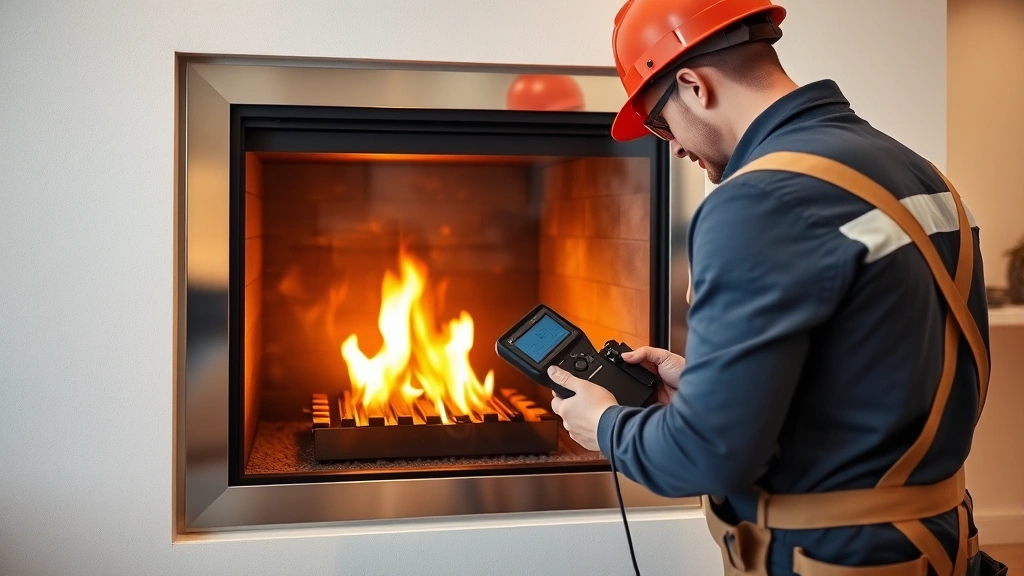
Professional service providers should conduct thorough inspections of your fireplace system, including the burner, logs, glass doors, ventilation system, and safety controls. They’ll check for proper gas pressure, combustion efficiency, and any potential safety hazards. Don’t hesitate to ask questions about their diagnostic process and how they’ll address any issues they discover. A reputable technician will explain their findings clearly and recommend only necessary repairs.
Consider asking your service provider about their knowledge of sustainable energy solutions and how to optimize your fireplace’s efficiency. Some contractors offer energy audits that identify ways to reduce fuel consumption while maintaining comfort levels. This approach supports both your budget and environmental responsibility.
Essential Maintenance Requirements
Regular maintenance is the foundation of safe, reliable gas fireplace operation. Most manufacturers recommend professional inspection and cleaning at least once annually, ideally before the heating season begins. This preventive approach identifies potential problems before they become serious issues, ensuring your system operates safely throughout winter.
Key maintenance tasks include:
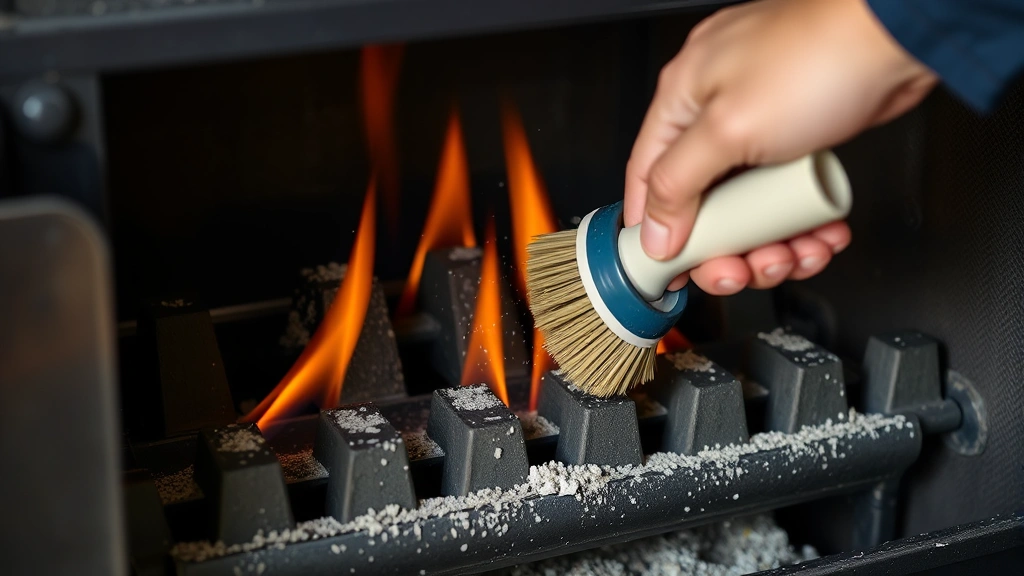
- Burner cleaning: Dust and debris accumulate on burners, affecting flame appearance and heat output. Professional cleaning restores optimal performance.
- Glass door inspection: Technicians check for cracks, cloudiness, or seal deterioration that could compromise safety or aesthetics.
- Gas line inspection: Professionals verify connections are secure and leak-free, checking for corrosion or damage.
- Ventilation system checks: Proper venting is critical for safety. Technicians ensure flues and vents are clear and functioning correctly.
- Log and decorative element assessment: Ceramic logs and other components may shift or crack over time and require replacement.
- Control system testing: Thermostats, ignition systems, and safety shutoffs must function properly for safe operation.
Between professional visits, homeowners can perform simple maintenance tasks. Keep the area around your fireplace clear of flammable materials and regularly vacuum the glass doors if accessible. Never attempt to disassemble components or conduct repairs yourself—gas fireplace systems involve pressurized gas lines and complex electrical components that require professional expertise.
Maintaining your gas fireplace contributes to your home’s overall energy efficiency. A well-maintained system delivers consistent heat output without wasting fuel through incomplete combustion or system leaks. This efficiency directly supports your commitment to sustainability principles by minimizing energy waste in your household.
Safety Inspections and Cleaning
Safety is paramount when dealing with gas appliances. Professional inspections identify hazards that could lead to carbon monoxide leaks, gas leaks, or fire risks. Technicians use specialized equipment to measure combustion efficiency and detect any safety concerns invisible to homeowners.
Carbon monoxide (CO) is a colorless, odorless gas produced by incomplete combustion. Properly functioning fireplaces vent all CO outside, but malfunctioning systems can allow dangerous gas to enter your home. Professional inspections verify proper venting and combustion, protecting your family’s health. If your fireplace produces a faint sulfur or rotten egg smell—indicating a gas leak—evacuate immediately and call your gas company’s emergency line.
Professional cleaning removes soot, dust, and debris that accumulate inside the fireplace and ventilation system. This buildup can restrict airflow, reduce efficiency, and create fire hazards. Technicians use specialized brushes and vacuum equipment to thoroughly clean components without damaging sensitive parts.
Safety inspections also examine the fireplace structure for cracks or deterioration that could allow flames or heat to escape inappropriately. Glass doors are checked for seal integrity, and all moving parts are tested to ensure proper function. Documentation of inspections creates a maintenance record valuable for insurance purposes and future reference.
Common Gas Fireplace Problems
Understanding typical gas fireplace issues helps you recognize when professional service is needed. Recognizing these problems early prevents safety hazards and costly damage.
Pilot light won’t stay lit: This common issue usually results from a faulty thermocouple, the safety device that detects pilot flame presence. Replacement is straightforward for professionals but requires precision work.
Weak or uneven flame: Debris in the burner orifices restricts gas flow, creating weak flames or uneven burning patterns. Professional cleaning resolves this issue and restores proper combustion.
Clicking or popping sounds: These noises often indicate moisture in the gas line or debris in the burner. Technicians can identify the source and implement appropriate solutions.
Glass discoloration or cloudiness: Condensation or combustion byproducts can cloud glass doors. While sometimes cosmetic, persistent cloudiness may indicate venting issues requiring professional diagnosis.
Thermostat malfunction: If your fireplace doesn’t respond to temperature adjustments or fails to ignite on demand, the thermostat or control board may need replacement.
Gas smell: Any persistent gas odor warrants immediate professional investigation. While pilot light issues sometimes cause temporary smells, persistent odors indicate potential leaks requiring urgent attention.
Heat output reduction: Declining warmth from your fireplace suggests incomplete combustion, venting problems, or component wear. Professional inspection identifies the cause and restores efficiency.
Optimizing Efficiency and Performance
Modern gas fireplaces are designed for efficiency, but maintenance and proper operation maximize their performance. Professional technicians can recommend adjustments and upgrades that improve comfort while reducing fuel consumption.
One key optimization involves ensuring your fireplace operates at peak combustion efficiency. When gas burns completely, it produces maximum heat with minimal emissions. Incomplete combustion wastes fuel and increases environmental impact. Professional tuning adjusts gas pressure and air intake to achieve optimal combustion, verified through emissions testing.
Upgrading to a programmable thermostat allows precise temperature control, preventing unnecessary heating and reducing fuel consumption. Some modern systems offer remote control capabilities, enabling you to adjust settings without approaching the fireplace.
Installing glass door inserts, if your fireplace doesn’t have them, dramatically improves efficiency by containing heat within the firebox rather than allowing it to escape up the chimney. Professional installation ensures proper sealing and safe operation.
Consider discussing green technology innovations with your service provider. Some newer systems incorporate smart controls that learn your heating patterns and optimize operation accordingly. These advancements reduce fuel consumption while maintaining comfort.
Complementing gas fireplace heating with other sustainable energy solutions creates a comprehensive home heating strategy. Improved insulation, weatherstripping, and thermal mass work together with your fireplace to create an efficient, comfortable home environment.
Sustainable Heating Solutions
While gas fireplaces provide efficient heating, understanding their environmental context helps you make responsible choices. Natural gas is a fossil fuel, and combustion produces carbon dioxide and other emissions. However, when properly maintained and efficiently operated, gas fireplaces consume less fuel than less efficient systems.
If you’re concerned about environmental impact, discuss fuel options with your service provider. Some regions offer renewable natural gas produced from organic waste, reducing lifecycle emissions. Propane, used in some fireplace systems, offers similar environmental considerations to natural gas.
For homeowners prioritizing sustainability, exploring alternative heating sources complements fireplace use. While electric vehicles represent transportation sustainability, electric heating systems can provide supplementary warmth. Heat pumps, solar heating, and other renewable technologies work alongside fireplaces in comprehensive heating strategies.
Ultimately, maintaining your gas fireplace properly is an environmentally responsible action. A well-functioning system operates efficiently, using minimal fuel while maximizing heat output. Neglected systems waste energy through incomplete combustion and leaks, increasing environmental impact. By investing in professional service, you’re supporting both home comfort and environmental stewardship.
Understanding your heating system’s role in your overall energy consumption helps you make informed decisions about upgrades and improvements. Professional service providers can help you evaluate your complete heating strategy and identify opportunities to improve efficiency and reduce environmental impact.
FAQ
How often should I have my gas fireplace serviced?
Most manufacturers recommend annual professional inspection and cleaning, ideally before winter heating season. If you use your fireplace frequently or notice performance changes, more frequent service may be beneficial.
What’s the cost of gas fireplace service near me?
Service costs vary by region and scope of work. Basic inspections typically range from $100-$300, while cleaning adds another $100-$200. Repairs vary significantly based on the issue. Always request written estimates before authorizing work.
Can I clean my gas fireplace myself?
While you can perform basic cleaning of accessible glass doors, professional technicians should handle burner cleaning and internal components. Improper cleaning can damage sensitive parts or create safety hazards.
How do I know if my gas fireplace has a gas leak?
A rotten egg or sulfur smell indicates a potential gas leak. Evacuate immediately and call your gas company’s emergency number. Never use matches, lighters, or electrical switches if you suspect a leak. Professional inspection can confirm the issue once it’s safe.
What should I do if my fireplace won’t ignite?
First, check that the gas is turned on at the wall valve. If the pilot light is out, attempt to relight it following manufacturer instructions. If the pilot won’t stay lit or the main burner won’t ignite, contact a professional technician for diagnosis.
Is a gas fireplace efficient for heating?
Modern gas fireplaces are quite efficient, typically converting 70-90% of fuel energy into heat. However, they’re most effective as supplementary heating for the room they’re in rather than whole-house heating solutions. Proper maintenance maximizes efficiency.
Can I convert my fireplace to a different fuel type?
Conversion from natural gas to propane or vice versa is possible but requires professional assessment and modification. Contact your service provider to discuss feasibility and costs for your specific fireplace model.


